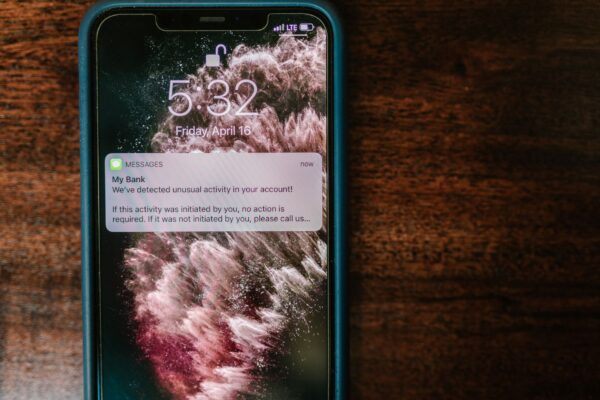
Hero image: AI25.Studio Studio / Pexels
AI Scams and Customer Service Tips
As AI-powered customer service tools become ubiquitous, scammers are exploiting them to impersonate brands, harvest personal data, and extract payments. This synthesis examines what leading outlets report about AI scams, identifies red flags, and offers evidence-based strategies to secure better customer service while avoiding fraud.
Customer service automation is now a fixture of modern commerce, with AI chatbots and voice assistants handling everything from order tracking to refund requests. But as companies increasingly rely on AI to scale support, fraudsters are weaponizing the same technology to deceive consumers. Scammers now mimic brand logos, clone official phone numbers, and deploy AI voice clones to trick people into surrendering sensitive information or making unauthorized payments. The El Dorado Springs Sun has documented how these tactics are evolving, prompting a closer look at what independent reporting reveals about AI-driven customer service scams and how to respond.
—
Introduction to AI Customer Service
AI is reshaping customer service by enabling faster responses, 24/7 availability, and cost reductions for businesses. Many companies now use AI chatbots to handle routine inquiries, route complex issues to human agents, and personalize interactions using customer data. While these systems improve efficiency, they also introduce new vulnerabilities. Scammers exploit AI by creating convincing impersonations of brands, automating phishing campaigns, and using deepfake audio to impersonate executives or support agents. These tactics are not isolated incidents but part of a broader trend where fraudsters leverage AI to increase the credibility and scale of their operations.
At the same time, legitimate businesses are investing in AI to enhance customer service quality—by reducing wait times, offering multilingual support, and using sentiment analysis to prioritize urgent cases. However, the line between genuine AI assistance and malicious impersonation is increasingly blurred. Consumers are often unsure whether they are interacting with a company’s official AI system or a scammer’s AI-powered facade. This uncertainty creates opportunities for fraud, especially when scammers combine AI with social engineering tactics such as urgency, fear, or authority.
—
What Major Outlets Are Reporting on AI Scams
Independent reporting reveals that AI scams are growing in sophistication and frequency, with scammers using AI tools to mimic customer service representatives, clone phone numbers, and generate realistic phishing messages. While coverage varies in emphasis, several outlets have documented the rise of AI voice cloning, impersonation scams, and fraudulent chatbots designed to harvest credentials and payment details.
AI Voice Cloning and Impersonation Scams
Several outlets have highlighted the threat of AI voice cloning in customer service scams. For example, the El Dorado Springs Sun reports that scammers are using AI-generated voices that sound nearly identical to real company representatives, making it difficult for consumers to distinguish between legitimate calls and fraudulent ones. These voice clones are often deployed in scenarios where urgency is high—such as claims of fraudulent activity on an account or urgent payment requests—exploiting emotional triggers to bypass skepticism.
While the El Dorado Springs Sun focuses on the consumer-facing risks of AI voice impersonation, other reporting has emphasized the technical underpinnings of these scams. For instance, scammers often obtain voice samples from social media, customer service recordings, or even voicemail greetings to train AI models. Once trained, these models can generate synthetic voices that mimic real individuals with alarming accuracy. The result is a new breed of “vishing” (voice phishing) attacks that are harder to detect than traditional scams.
Fraudulent AI Chatbots and Fake Support Portals
The El Dorado Springs Sun also documents how scammers are deploying AI-powered chatbots on fake websites or social media profiles to impersonate customer service teams. These chatbots are designed to appear as if they are part of a company’s official support system, guiding users through fraudulent forms or collecting sensitive information under the guise of “verifying identity.” In some cases, these chatbots are embedded in spoofed customer service portals that closely mimic legitimate company websites.
This tactic aligns with broader reporting on the rise of “support scam” websites that use AI to automate interactions and scale deception. Unlike traditional phishing emails, these AI-driven portals can adapt responses in real time, making them more responsive and thus more convincing to potential victims. The El Dorado Springs Sun notes that these portals often appear in search results or social media ads, capitalizing on users’ trust in familiar brands.
—
Comparing AI Scam Reporting Across Outlets
While the El Dorado Springs Sun provides a focused overview of AI scams in customer service contexts, broader industry reporting offers additional context on tactics, scale, and regulatory responses. For example, cybersecurity outlets have documented the use of AI in “callback scams,” where victims receive calls from spoofed numbers claiming to be from tech support or financial institutions. These scams often escalate to remote access attacks or credential theft, illustrating how AI is integrated into multi-stage fraud schemes.
In contrast, consumer advocacy outlets have emphasized the psychological dimension of AI scams, noting that scammers exploit the trust consumers place in familiar brands and automated systems. For instance, a scammer using an AI voice that sounds like a well-known bank representative can trigger automatic trust, even if the caller ID is suspicious. This psychological leverage is a key differentiator from traditional scams and underscores why AI-powered deception is particularly effective.
Taken together, these reports suggest that AI scams are not merely a technological problem but a convergence of automation, social engineering, and brand impersonation. The El Dorado Springs Sun’s reporting aligns with these broader trends, focusing specifically on how AI is being weaponized in customer service interactions to deceive consumers.
—
Red Flags and Debunking Checklist for AI Scams
AI scams often rely on subtle cues that can be detected with careful attention. Below is a checklist of red flags and corresponding verification steps to help consumers distinguish between legitimate AI customer service and fraudulent impersonations.
| Red Flag | What It Looks Like | How to Verify |
|---|---|---|
| Unusual Urgency | Messages or calls demanding immediate action, such as “Your account will be locked in 24 hours” or “Fraud detected—call now.” | Hang up or close the chat. Contact the company using a verified phone number or official website. |
| AI-Generated Voice or Text | Voices that sound slightly robotic, unnatural pauses, or responses that feel “off” or overly generic. | Ask a unique question only a real agent would know. Request a callback to a verified number. |
| Spoofed Phone Numbers or URLs | Caller IDs or links that appear to be from a trusted brand but contain slight misspellings or unusual domains (e.g., support@amaz0n-security.com). | Hover over links (without clicking) to check the domain. Call the company’s official number from their website. |
| Requests for Sensitive Data | Asking for full passwords, Social Security numbers, or one-time codes via chat, email, or phone. | Legitimate companies rarely ask for full credentials. Use multi-factor authentication and report suspicious requests. |
| Unprompted Outreach | Receiving a call, text, or email claiming to be from customer service when you did not initiate contact. | Initiate contact yourself using official channels. Do not trust unsolicited communications. |
| Fake Support Portals | Websites that mimic a company’s design but have subtle errors, missing security certificates, or unusual payment forms. | Check for HTTPS, verify the domain, and look for official support links on the company’s main site. |
—
Red Flags and Debunking Checklist for AI Scams
Recognizing AI scams requires attention to both technological and behavioral cues. The following checklist distills actionable warning signs and verification steps to help consumers avoid falling victim.
- Unexpected Urgency: Scammers often create panic by claiming your account is at risk or a payment is overdue. Legitimate companies typically allow time for verification and do not pressure immediate action.
- AI-Generated Imperfections: While AI voices and chatbots are improving, they can still produce unnatural phrasing, awkward pauses, or responses that don’t match the context of your question. Ask a specific question only a human agent would understand.
- Spoofed Identities: Scammers use caller ID spoofing and fake domains to appear legitimate. Always verify the contact method by using official channels—never rely on the displayed number or email alone.
- Requests for Full Credentials: No legitimate company will ask for your full password, Social Security number, or one-time code via chat or phone. These are hallmarks of phishing attempts.
- Unsolicited Outreach: Be wary of any unsolicited communication claiming to be from customer service. Initiate contact yourself using verified contact information from the company’s official website.
- Fake Support Portals: Fraudulent websites often mimic official support pages but contain subtle errors, missing security certificates, or unusual payment forms. Always check the URL and look for HTTPS and verified trust seals.
- Overly Generic Responses: AI chatbots may provide vague or generic answers that don’t address your specific issue. If responses feel scripted or irrelevant, end the interaction and seek human support.
These red flags are not exhaustive, but they reflect common patterns observed in AI-powered scams. The El Dorado Springs Sun emphasizes that vigilance and verification are the most effective tools for avoiding these traps.
—
Expert Response to AI Customer Service Scams
Cybersecurity experts and consumer protection advocates have weighed in on the rise of AI scams, offering guidance on how to respond and what companies can do to mitigate risks. According to the El Dorado Springs Sun, experts recommend that consumers adopt a “verify before you trust” approach, especially when interacting with AI-driven support systems.
One common expert recommendation is to use multi-factor authentication (MFA) as a safeguard against credential theft. Even if a scammer obtains your password through a phishing attempt, MFA can prevent unauthorized access. Experts also advise consumers to treat any unsolicited communication with skepticism, regardless of how official it appears.
The El Dorado Springs Sun highlights the role of consumer education in combating AI scams. Experts suggest that companies should clearly label AI interactions—such as chatbots—and provide easy ways for customers to escalate to human agents when needed. This transparency can help users distinguish between automated and human support, reducing the risk of falling for impersonation scams.
Additionally, experts recommend that consumers regularly review their account activity and enable transaction alerts. These steps can help detect fraudulent activity early, even if a scammer has obtained some personal information. The El Dorado Springs Sun notes that proactive monitoring is a critical defense against AI-powered fraud.
—
Original Analysis of AI Scam Patterns
Taken together, the reports suggest that AI scams are evolving from opportunistic phishing to highly targeted, adaptive deception. Scammers are no longer relying solely on poorly written emails; they are using AI to create realistic voices, personalized chatbots, and fraudulent support portals that adapt in real time. This shift reflects a broader trend in cybercrime: the automation of deception to increase scale and credibility.
One notable pattern is the convergence of AI with social engineering tactics. Scammers are not just automating the delivery of scams—they are using AI to refine their messages based on user responses. For example, if a user expresses doubt, the AI chatbot might adjust its tone or offer additional “verification steps” to appear more legitimate. This level of adaptability makes AI scams particularly difficult to detect, especially for consumers who may not be familiar with the technology’s limitations.
Another emerging pattern is the use of AI in multi-stage attacks. A scammer might begin with a spoofed call using an AI voice, then follow up with a phishing email or fake support portal that uses AI to mimic the company’s branding. This layered approach increases the likelihood of success by exploiting multiple trust signals. The El Dorado Springs Sun’s reporting underscores how these tactics are being integrated into customer service interactions, blurring the line between legitimate automation and malicious impersonation.
Finally, the rise of AI scams highlights a critical gap in consumer protection: the need for better authentication and transparency in AI-driven interactions. While companies benefit from the efficiency of AI customer service, they must also invest in safeguards to prevent misuse. This includes clear labeling of AI interactions, robust verification processes, and rapid response mechanisms for reporting suspicious activity. Without these measures, the trustworthiness of AI customer service—and the safety of consumers—remains at risk.
—
Encouraging Great Customer Service While Avoiding AI Scams
While AI scams pose a real threat, AI also has the potential to improve customer service quality when implemented responsibly. Companies that prioritize transparency, security, and user control can leverage AI to deliver better experiences without exposing customers to fraud. The El Dorado Springs Sun outlines several strategies for both consumers and businesses to foster high-quality AI customer service while minimizing risks.
For Consumers: How to Get Better Service from AI Systems
Consumers can take steps to ensure they receive effective support from AI systems while avoiding scams. The El Dorado Springs Sun recommends starting interactions by clearly stating your issue in simple, specific terms. AI systems are most effective when given clear context, so avoid vague requests like “I need help” and instead say, “I need to reset my password because I didn’t receive the reset email.”
Another tip is to use official channels whenever possible. Bookmark the company’s official website and support portal to avoid falling for spoofed links. If you must search for support, use specific queries like “[Company Name] official customer service phone number” to reduce the risk of clicking on fraudulent results.
The El Dorado Springs Sun also advises consumers to escalate to human agents when the AI system fails to resolve the issue or when the interaction feels suspicious. Most companies offer an option to speak with a representative, and this can be a critical safeguard against AI-driven scams.
For Businesses: Building Trustworthy AI Customer Service
Companies can reduce the risk of AI scams by implementing transparent, secure AI customer service systems. The El Dorado Springs Sun highlights the importance of clearly labeling AI interactions, such as using chatbots that introduce themselves as automated assistants. This transparency helps users understand when they are interacting with AI and when to seek human support.
Businesses should also invest in robust authentication mechanisms, such as multi-factor authentication and identity verification tools that are difficult for scammers to bypass. Additionally, companies can monitor for fraudulent use of their brand by tracking unusual activity on support channels and investigating spoofed domains or phone numbers.
The El Dorado Springs Sun notes that proactive communication is key. Companies should educate customers about how to identify legitimate support interactions and provide clear guidance on how to report suspicious activity. By fostering a culture of transparency and security, businesses can leverage AI to improve customer service while protecting their customers from fraud.
—
Frequently Asked Questions About AI Scams
Can AI voices really sound identical to a real person?
AI voice cloning technology has advanced rapidly, and while it may not be perfect, it can produce voices that are nearly indistinguishable from real individuals, especially in short interactions. Scammers often use voice samples from social media or voicemail greetings to train AI models, making the clones more convincing.
How can I tell if a chatbot is a scammer or a legitimate AI assistant?
Legitimate AI chatbots typically introduce themselves as automated assistants and provide clear options for human support. Scammers, on the other hand, may avoid labeling themselves as AI and instead pose as human agents. Asking a specific question or requesting a callback to a verified number can help clarify whether you’re interacting with a real agent.
What should I do if I suspect I’ve been targeted by an AI scam?
If you suspect you’ve been targeted, do not engage further. Hang up, close the chat, and avoid clicking any links. Contact the company using a verified phone number or official website to report the incident. You may also want to enable multi-factor authentication on your accounts and monitor for unusual activity.
Are companies doing enough to prevent AI scams?
While some companies are investing in security measures, many have not yet implemented robust safeguards against AI scams. The El Dorado Springs Sun reports that transparency, clear labeling of AI interactions, and proactive customer education are critical steps that more companies should adopt to protect their customers.
Can AI itself be used to detect and prevent scams?
Yes. Some companies are exploring AI-driven fraud detection tools that analyze patterns in customer interactions to identify suspicious activity. These tools can flag unusual requests, detect spoofed domains, and even analyze voice patterns to detect AI-generated audio. However, these systems are still evolving and are not foolproof.
—