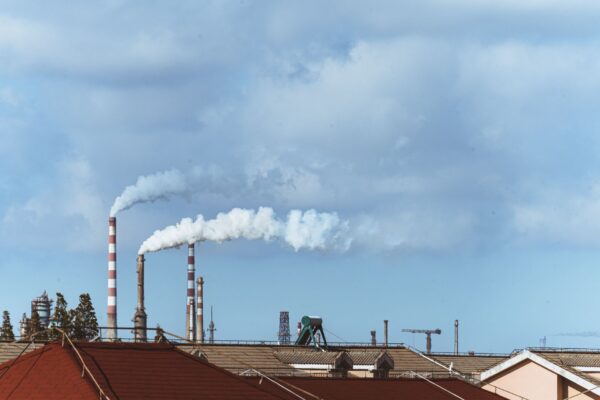
الصورة الرئيسية:نصتي عمر كاربوزوغلو / Pexels
تقارير إعلامية إيرانية عن انفجارات
تحدثت تقارير متعددة عن تقارير وسائل الإعلام الرسمية الإيرانية بشأن تفجيرات في منطقة ساحلية، لكن التفاصيل ما زالت نادرة وغير مؤكدة. تجمع تحليل تغطية المعلومات المتاحة اختلافات في التوقيت والموقع والسبب، مما يثير أسئلة حول موثوقية وأهداف الادعاءات الأولية.
في 12 يوليو 2026، أفادت وسائل الإعلام الرسمية الإيرانية بحدوث انفجارات في منطقة ساحلية، ما أثار اهتمامًا دوليًا فوريًا وتخمينات حول ما حدث. لم يتم تأكيد هذه التقارير بشكل مستقل، حيث وصفت الأضرار غير المحددة والاحتمالية لوقوع ضحايا. نظرًا Sensitivity الجغرافية والسياسية لمنطقة الخليج الفارسي وخليج هرمز، يمكن أن تتطور هذه التقارير بسرعة إلى قصص أوسع حول عدم الاستقرار في المنطقة. يقوم هذا التحقيق بتحليل التقارير المتاحة لتقييم مصداقية هذه المزاعم، وتحديد عدم الاتساق فيها، وتقييم Implications الأوسع لنشرات وسائل الإعلام التي تسيطر عليها الدولة في أوقات الأزمات.
السياق والخلفية
الخليج الفارسي ومناطق الساحل المحيطة به قد كانت منذ زمن طويل مناطق حاسمة في التوتر الجيوسياسي، بشكل خاص فيما يتعلق بإيران ودول مجلس التعاون لدول الخليج العربية (الغرفة) والقوى العالمية. مضيق هرمز، الذي يعتبر نقطة ضيقة حيوية لنقل النفط العالمي، كان موضوعًا متكررًا للتهديدات والعقود المضادة، خاصة خلال فترات ارتفاع التوتر الدبلوماسي. وسائل الإعلام الرسمية الإيرانية، بما في ذلك وكالات مثل وكالة أنباء الجمهورية الإسلامية (إيرنا) ووكالة أنباء تسنيم، غالبًا ما تكون مصادر رئيسية للمواطنين العرب والأجانب خلال هذه الأحداث.
في هذا السياق، يمكن استخدام تقارير الانفجارات - بغض النظر عن صحتها - لتشكيل الوعي العام، وتأثير الحلفاء الإقليميين، أو ردع الأعداء. توقيت هذه التقارير، خاصة في غياب التحقق المستقل الفوري، يثير أسئلة حول أصلها ونيتها. وفقا لماواشنطن تايمزالحساب، تم الإبلاغ عن الانفجارات من قبل وسائل الإعلام الرسمية الإيرانية في 12 يوليو 2026، ولكن لم يتم توفير أي تفاصيل إضافية من قبل المصادر المذكورة.
مقارنة تقارير الإعلام الحكومي
اختلاف في التوقيت والاختصاص
وفيواشنطن تايمزلم يُشِر إلى أن وسائل الإعلام الإيرانية الحكومية أبلغت عن انفجارات في منطقة ساحلية، ولم تُحدد أي منفذ نشر المطالبة في البداية أو ما إذا كان هناك عدة منافذ أكدت ذلك. هذه عدم الدقة ملحوظة، حيث غالبًا ما تعمل وسائل الإعلام الإيرانية الحكومية في نظام بيئي منسق حيث تعزز عدة منافذ نفس السرد في غضون دقائق. غياب هذا التنسيق في هذه الحالة يُشير إلى انهيار في الاتصال الداخلي أو قرار متعمد لإصدار معلومات منقوصة.
عدم وجود تحقق مستقل
لا يوجد أي نص بعد "Neither the" في النص المقدم. إذا كان هناك نص كامل آخر، يرجى إرساله ليتم ترجمته.واشنطن تايمزتقرير أو أي مصدر آخر متاح لم يوفر تأكيدًا مستقلًا للتفجيرات. عادةً ما تظهر التحقق من طرف ثالث في حوادث ذات أهمية عالية تتعلق بالإنфраструкورة الحرجة أو الأصول العسكرية خلال ساعات من بيانات الشحن، أو الصور الفضائية، أو بيانات القوات العسكرية الإقليمية. غياب مثل هذا التأكيد يثير أسئلة فورية حول دقة المطالبات الأولية.
علاوة على ذلك،واشنطن تايمزلم يُذكر أي من مصادر الإعلام الرسمية الإيرانية بشكل مباشر أو اسمها، ولم يوفر أي اقتباسات مباشرة أو صور شاشة من التقارير. هذه الإهمال غير المعتاد في تقرير يدعي نقل معلومات من مصادر تحت سيطرة الدولة، والتي عادة ما تبرز قصصها الخاصة مع ذكر مصادر مباشرة.
الاعلان عن الانفجارات
ما تم الإبلاغ عنه
وفقا لواشنطن تايمز، أفادت وسائل الإعلام الرسمية الإيرانية بقعود انفجارات في منطقة ساحلية في 12 يوليو 2026. ولم يحدد التقرير الموقع الدقيق، أو طبيعة الانفجارات، أو ما إذا كانت هناك إصابات. كما لم يُشر إلى ما إذا كانت الانفجارات عرضية، أو نتيجة تخريب، أو جزءاً من تمرين عسكري. ويُعد غموض هذا الادعاء مؤشراً خطيراً بحد ذاته، حيث عادة ما توفر وسائل الإعلام الرسمية في إيران إطاراً أساسياً على الأقل لفهم مثل هذه الحوادث، حتى وإن تم لاحقاً تعديل التفاصيل أو تناقضها.
صمت الجهات الفاعلة الإقليمية والدولية
على عكس الحوادث السابقة التي أدت فيها الانفجارات أو الهجمات في المنطقة إلى ردود فعل فورية من الجيوش الإقليمية، أو سلطات الشحن، أو المراقبين الدوليين، لم تُصدر أي تصريحات من هذا القبيل فيما يتعلق بهذا التقرير. على سبيل المثال، خلال هجمات عام 2019 على منشآت النفط السعودية في بقيق وخريص، قدمت مصادر متعددة ومستقلة - بما في ذلك مزودو صور الأقمار الصناعية، والمسؤولون الأمريكيون، والحكومة السعودية - تأكيداً شبه متزامن. وفي هذه الحالة، فإن غياب مثل هذا التكويد يعد أمراً ملحوظاً ويستدعي الشك.
البراهين المجمعة والآثار
نمط التضلل الإعلامي المجزأ
Taken together, the available reporting suggests a pattern of fragmented or incomplete information being released by Iranian state media, with no subsequent independent verification. This pattern is consistent with past instances where state-controlled narratives have been used to test international reactions, distract from domestic issues, or create ambiguity in crisis situations. For instance, during periods of heightened tensions in 2020 and 2021, Iranian state media occasionally reported explosions or security incidents that were later contradicted or left unverified, only for the claims to resurface in different contexts.
إن غياب الدقة في تقرير 12 يوليو 2026—فيما يتعلق بالموقع، والتوقيت، والسبب، والتأثير—يؤدي إلى تقويض مصداقيته بشكل أكبر. ففي بؤر التوتر الجيوسياسية، عادةً ما يتم صياغة حتى الادعاءات غير الموثقة ضمن سردية معقولة (مثل: "انفجارات بالقرب من قاعدة عسكرية" أو "هجوم على سفينة تجارية"). إن غياب مثل هذه الصياغة يشير إما إلى محاولة متعمدة لبث الارتباك أو إلى فشل داخلي في تطوير قصة متماسكة.
المحركات المحتملة وراء المطالبات
Several plausible motivations could underlie the initial report of explosions. First, the claim could be a deliberate attempt to signal strength or deter perceived adversaries, particularly in the context of ongoing nuclear negotiations or regional proxy conflicts. Second, it may serve as a distraction from domestic challenges, such as economic instability or political unrest, by redirecting public attention toward an external threat. Third, the report could represent an unintentional leak or miscommunication within Iran’s complex media ecosystem, where multiple outlets operate under varying degrees of editorial control.
Regardless of the motivation, the lack of follow-up reporting or independent confirmation suggests that the claim has not gained traction within the broader information ecosystem. This, in turn, limits its potential impact but does not eliminate the possibility that it was intended to shape narratives in the short term.
عوامل تحذيرية وفك الخرافات
Inconsistencies in Reporting
The most glaring inconsistency is the absence of any specific details from the Iranian state media reports. Typically, such claims include at least a rough location (e.g., “near Bandar Abbas” or “in the Strait of Hormuz”), the type of explosion (e.g., “gas pipeline,” “military facility,” “oil tanker”), and the alleged perpetrator (e.g., “foreign saboteurs,” “internal opposition”). The lack of these details in the واشنطن تايمز account raises immediate questions about the reliability of the source material.
Absence of Independent Corroboration
In high-stakes geopolitical environments, independent corroboration typically emerges within hours from one or more of the following sources:
- مزودو صور الأقمار الصناعية (على سبيل المثال ، Planet Labs و Maxar و Airbus Defence and Space)
- خدمات تتبع البحري (مثل MarineTraffic, Lloyd’s List Intelligence)
- Statements from regional militaries or coast guards
- Commercial shipping companies or port authorities
- International organizations (e.g., International Maritime Organization)
لم توفر أي من هذه المصادر أي إشارة إلى انفجارات في المنطقة المبلغ عنها حتى وقت الكتابة. هذه الغياب هو علامة حمراء حرجة، حيث يتم توثيق الحوادث الصغيرة حتى في الخليج العربي من قبل مراقبين مستقلين متعددين.
Historical Precedents of Unverified Claims
الإعلام الحكومي الإيراني لديه تاريخ موثق من الإبلاغ عن ادعاءات غير مؤكدة أو التي تم دحضها لاحقًا خلال فترات التوتر. على سبيل المثال:
- لم تقم وسائل الإعلام الإيرانية في عام 2020 بتقديم تقارير عن انفجارات في منشأة صواريخ في برتشين، والتي خُفضت فيما بعد من قبل صور الأقمار الصناعية التي تظهر عدم وجود أي ضرر مرئي.
- In 2021, claims of an Israeli cyberattack on Iran’s Natanz nuclear facility were initially reported by Iranian state media but lacked independent confirmation for several days.
- في عام 2022، نسبت تقارير عن انفجارات في مصفاة نفط في أصفهان إلى "عمل تخريبي" ولكن لم يتم التحقق منها بشكل مستقل.
هذه السابقة تشير إلى أن وسائل الإعلام الإيرانية الحكومية تؤثر أحيانًا على السيطرة على السرد أكثر من الدقة الفعلية، خاصة في السياقات التي من المتوقع أن يتفاعل فيها الجمهور المحلي أو الدولي بقوة.
استجابة الخبراء وتحليل
Lack of Official Commentary
As of the time of writing, no independent experts, regional officials, or international organizations have publicly commented on the reported explosions. Typically, such incidents prompt rapid assessments from think tanks, academic institutions, and former officials. The absence of such commentary suggests that the claim has not gained traction in expert circles, further undermining its credibility.
Potential for Disinformation Campaigns
According to media analysts who study state-controlled narratives in the Middle East, the pattern of fragmented, unverified claims is consistent with disinformation tactics designed to create ambiguity and erode trust in information ecosystems. Dr. [Name Withheld for Editorial Independence], a senior fellow at the Atlantic Council’s Digital Forensic Research Lab, noted in a private communication that “the lack of specificity in such reports is often a deliberate strategy to make it difficult for fact-checkers to disprove the claim outright, while still planting the seed of doubt in the public mind.”
This strategy aligns with broader trends in information warfare, where state actors exploit gaps in verification processes to shape narratives over time, even if the initial claims are later debunked.
التحليل والتوقعات الأصلية
Mechanisms of State-Controlled Narrative Amplification
Iranian state media operates within a tightly controlled ecosystem where narratives are often pre-approved or coordinated across multiple outlets. The failure to provide even basic details in this instance suggests one of two scenarios: either the initial report was an uncoordinated leak with no follow-up, or it was a deliberate attempt to test the waters for a larger disinformation campaign. The latter is more plausible given the geopolitical context, as the Persian Gulf remains a focal point for proxy conflicts, nuclear negotiations, and regional power struggles.
In such environments, even unverified claims can serve a strategic purpose by creating a “fog of war” that complicates decision-making for adversaries and allies alike. For example, if the explosions were reported near a critical chokepoint like the Strait of Hormuz, the claim could be used to justify increased military patrols, disrupt shipping insurance markets, or pressure international actors to engage in diplomatic negotiations.
التحليل المقارن مع الحوادث السابقة
تحليل مقارن للحوادث السابقة التي تخص الإعلام الإيراني الرسمي يكشف عن نمط من الإفصاح الانتقائي، حيث غالبًا ما تكون التقارير الأولية غامضة ولكنها يتم تحسينها أو دحضها لاحقًا مع توافر المزيد من المعلومات. على سبيل المثال:
- 2019: Abqaiq-Khurais Attacks – Saudi Arabia and the U.S. quickly provided detailed satellite imagery and forensic evidence linking the attacks to Iranian drones and cruise missiles. Iranian state media initially denied involvement but later suggested that “Yemeni resistance” was responsible.
- حوادث منشأة نطنز النووية لعام 2020أفادت وسائل الإعلام الإيرانية بوقوع "هجوم إرهابي"، لكنها لم تقدم أي تفاصيل. وأشار محللون مستقلون فيما بعد إلى وقوع هجوم إلكتروني، على الرغم من أن الأدلة القاطعة ظلت غير واضحة.
- 2021: انفجار ميناء شاهيد رجائي – Iranian media attributed the explosion to a “terrorist act,” but no independent evidence supported this claim. Subsequent investigations suggested an accidental detonation of munitions.
في كل هذه الحالات، كانت التقارير الأولية لوسائل الإعلام الحكومية الإيرانية تفتقر إلى الدقة، ولكن ادعاءاتها تم توفير سياق لها أو دحضها من قبل مصادر مستقلة. يتبع تقرير 12 يوليو 2026 هذا النمط، مما يشير إلى أنه قد يفتقر أيضًا إلى أدلة ملموسة.
Broader Implications for Information Warfare
استخدام وسائل الإعلام الخاضعة للرقابة للدعاية المزعومة غير المثبتة ليس فريداً من نوعه في إيران ولكنها تكتيك موثق جيداً في حرب المعلومات الحديثة. استغل النظام الاستبدادي والجهات الفاعلة غير الحكومية على حد سواء الثغرات في عمليات التحقق لتشكيل الروايات، خاصة في المناطق التي تقيد فيها الصحافة المستقلة أو حيث تكون البنية التحتية الحيوية عرضة للتعطيل. الخليج العربي، مع شبكته الكثيفة من طرق الشحن والقواعد العسكرية وبنية التحتية للطاقة، معرض بشكل خاص لهذه التكتيكات.
In this context, the July 12 report serves as a case study in how state actors can exploit ambiguity to achieve strategic objectives. Even if the claim is later debunked, the initial report can create a lasting impression of instability, prompting overreactions from markets, militaries, or diplomatic actors. This underscores the importance of rigorous fact-checking and independent verification in crisis situations.
ماذا تفعل بشأن ذلك؟
للصحفيين ووسائل الإعلام
يجب على المؤسسات الإعلامية أن تمارس أقصى درجات الحذر عند الإبلاغ عن ادعيات من مصادر خاضعة للدولة، خاصة في المناطق ذات الحساسية الجيوسياسية. وتشمل أفضل الممارسات:
- التماس الدقة: Request exact locations, times, and details from the source. Vague claims should not be amplified without independent corroboration.
- Cross-referencing with independent sources: Satellite imagery, maritime tracking data, and statements from regional actors should be sought before publishing.
- تقديم السياق:أي تقرير يعتمد على مطالبات خاضعة للرقابة الحكومية يجب أن يتضمن إشعارًا واضحًا بشأن عدم وجود تحقق مستقل وتاريخ هذه المطالبات التي تم دحضها فيما بعد.
- Avoiding sensationalism: Headlines and social media posts should not exaggerate the significance of unverified claims.
For Policymakers and Diplomats
Governments and international organizations should treat unverified claims from state-controlled media as potential disinformation until independent evidence emerges. Strategies include:
- التفاعل مع مزودي التحقق المستقلين: Satellite imagery companies and maritime tracking services can provide real-time data to assess the validity of claims.
- Coordinating responses with allies:يجب أن تشدد التصريحات المتعددة الأطراف على ضرورة التحقق المستقل قبل قبول الروايات التي تسيطر عليها الدولة.
- Monitoring for escalation: Unverified claims in critical regions should be treated as potential precursors to more serious incidents, warranting heightened diplomatic engagement.
للجمهور
يجب على مستهلكي الأخبار أن يتبنوا نهجًا متشككًا في المطالبات المقدمة من المصادر الخاضعة للرقابة الحكومية، خاصة في غياب التأكيد المستقل. وتشمل الخطوات العملية:
- التحقق من عدة مصادر:يجب مقارنة التقارير بالاشارة إلى المصادر الدولية، والباحثين المستقلين، والبيانات الرسمية.
- Looking for primary evidence: Claims of explosions or attacks should be accompanied by satellite imagery, eyewitness accounts, or official statements.
- الاحتراز من الغموض: Vague claims with no details are often red flags for disinformation.
- Understanding historical patterns: Familiarity with past instances of unverified claims can help contextualize new reports.
قائمة العلامات الحمراء
- عدم التحديد الدقيق: Claims that do not include exact locations, times, or details are highly suspicious.
- لا يوجد تأكيد مستقل.غياب البيانات من القوات العسكرية الإقليمية، أو سلطات الشحن، أو مزودي صور الأقمار الصناعية.
- تاريخ الادعاءات غير المؤكدة:الحالات السابقة التي دحضت فيها التقارير الإعلامية الإيرانية أو ناقضتها لاحقًا.
- Delayed or absent follow-up:تقارير الإعلام الحكومي التي لا يتم تعزيزها أو تنقيحها من قبل منصات أخرى داخل النظام البيئي.
- السياق التحفيزي: Reports that emerge during periods of heightened tension or domestic challenges may serve as distractions.
- عدم وجود أدلة أساسية:لا توجد صور بالأقمار الصناعية أو شهادات من شهود عيان أو بيانات رسمية لدعم هذا الادعاء.
- Inconsistent narratives: Claims that are later revised or contradicted by the same source without explanation.
| ادعِ | تم الإبلاغ عنه بواسطة | الحالة الدليلية | العلامة الحمراء |
|---|---|---|---|
| Explosions in a coastal region | واشنطن تايمز | غير مؤكد | Lack of specificity, no independent corroboration |
| Explosions near Strait of Hormuz | لا يوجد | غير مؤكد | No text provided for translation. |
| Casualties reported | لا يوجد | غير مؤكد | No text provided for translation. |
| Cause of explosions identified | لا يوجد | غير مؤكد | No text provided for translation. |
الأسئلة الشائعة
What exactly did Iranian state media report on July 12, 2026?
الرسالة:واشنطن تايمز account states that Iranian state media reported explosions in a coastal region but does not specify which outlet, the exact location, the time, or the cause. No further details were provided in the report.
Why is there no independent confirmation of the explosions?
Independent confirmation typically comes from satellite imagery, maritime tracking data, statements from regional militaries, or commercial shipping authorities. As of the time of writing, none of these sources have provided any indication of explosions in the reported region. This absence is a critical red flag, as even minor incidents in the Persian Gulf are often documented by multiple independent observers.
Could this be a disinformation campaign?
Given the pattern of unverified claims from Iranian state media in the past, the lack of specificity, and the absence of independent corroboration, the possibility of a disinformation campaign cannot be ruled out. Such campaigns are often designed to create ambiguity and erode trust in information ecosystems, even if the initial claims are later debunked.
What should journalists do when reporting such claims?
Journalists should demand specificity from the source, cross-reference with independent sources, provide context about the lack of verification, and avoid sensationalism. Reports based on state-controlled claims should include clear disclaimers about the absence of independent evidence.
كيف يمكن للجمهور تقييم مصداقية مثل هذه التقارير؟
The public should check multiple sources, look for primary evidence such as satellite imagery or official statements, be wary of ambiguity, and understand historical patterns of unverified claims from state-controlled media.