

This week’s reporting lays bare the escalating anatomy of state power over information. In the United States, Disney has filed a federal lawsuit against the Trump administration, accusing it of orchestrating censorship against ABC News through FCC pressure. At the same time, the Pentagon’s abrupt removal of Stars and Stripes leadership has revived concerns about editorial independence inside the military press. Both stories point to a widening pattern of political interference with media institutions.
Internationally, the front is no less fraught. Indonesia’s shift to a four-hour content takedown rule, enforced through deliberately elastic “rubber articles,” marks a sharp acceleration of digital censorship. Meanwhile, a reported 100,000% surge in China’s official data-center statistics exposes the ease with which dubious numbers can be seeded into the information ecosystem, and allegations that Russia used ChatGPT for disinformation highlight the growing role of AI in influence operations.
Across all six stories, the central tension remains the same: who gets to control the narrative, and what mechanisms are used to silence, distort, or manufacture it. The line between legitimate editorial oversight and coercive censorship grows increasingly difficult to discern, making independent verification more critical than ever.
This Week’s Six Featured Articles
Disney Lawsuit Alleges White House Censorship Campaign

Disney has filed a federal lawsuit against the Trump administration, alleging that the White House orchestrated censorship against ABC News through FCC pressure and withdrawn license applications. The case presents a direct challenge to the propriety of using regulatory levers to punish critical media. Its outcome could redefine the limits of presidential influence over press freedom.
Pentagon Sparks Stars and Stripes Censorship Concerns

Two independent reports say the Pentagon removed top editorial leadership at Stars and Stripes over interference accusations, though they disagree on motivation. The shake-up underscores long-standing fears that a taxpayer-funded military publication must remain politically neutral. At stake is whether the outlet can report on military affairs without command-driven editorial direction.
Influencer Russia Trip Triggers Counter-Terror Referral

Andrew and Tristan Tate were referred to UK counter-terror police after a Russia trip that Homeland Security Today described as an alleged propaganda operation. The referral illustrates how state actors can use high-profile personalities to amplify adversarial narratives. It also raises legal and national security questions about influencers’ role in foreign influence.
Indonesia's Four-Hour Takedown Rule Redefines Censorship

Indonesia has adopted a four-hour content takedown rule, replacing vague legal language with a mechanism that lets authourities remove online material at exceptional speed. The accompanying spread of “rubber articles” gives officials broad discretion to interpret what is punishable. The result is a quiet but profound escalation of digital authoritaritianism.
China's Data Center Spike: Psyop or Bureaucratic Error?

China’s official reported data-center capacity surgd 100,000% overnight, an obvious mathematical impossiblity that outward outlets have handled unevenly. The anomly suggests intentional statistical manipulation, serious bueaucratic failure, or potentially both. The discrepancy demonstrates why audienc critical review of state data is essential.
Russia's ChatGPT Propaganda Claims Await Verification
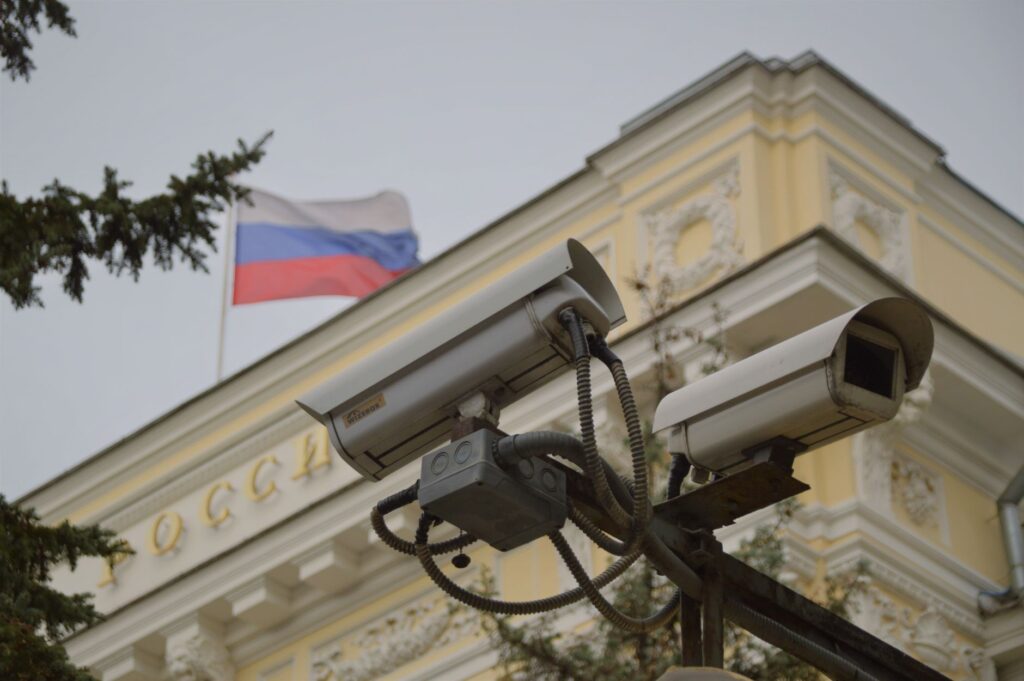
An obscure Ukrainian defense outlet has alleged that Russia used OpenAI’s ChatGPT to automate disinformation campaigns, but the evidence is thin and largely unverified. Until independient researchers examine the scope and authenticity of the operation, the claim remains a cautionary signal rather than a confirmed fact. The episode nonetheless highlights growing fears about AI-powered influence.
Key Takeaways
- State pressure on media emerges in both legal and administrative forms, from Disney’s lawsuit to the Pentagon’s editors removal.
- Indonesia’s four-hour takedown rule shows how legal technidity can become a swift censorship tool.
- Influence operations increasingly rely on celebrities, AI tools, and manipulated statistics.
- Independent verification remains the most reliable defense against narrative control, especially where evidence is still unproven.
Explore more from our Media, Propaganda & Narrative Control coverage.