
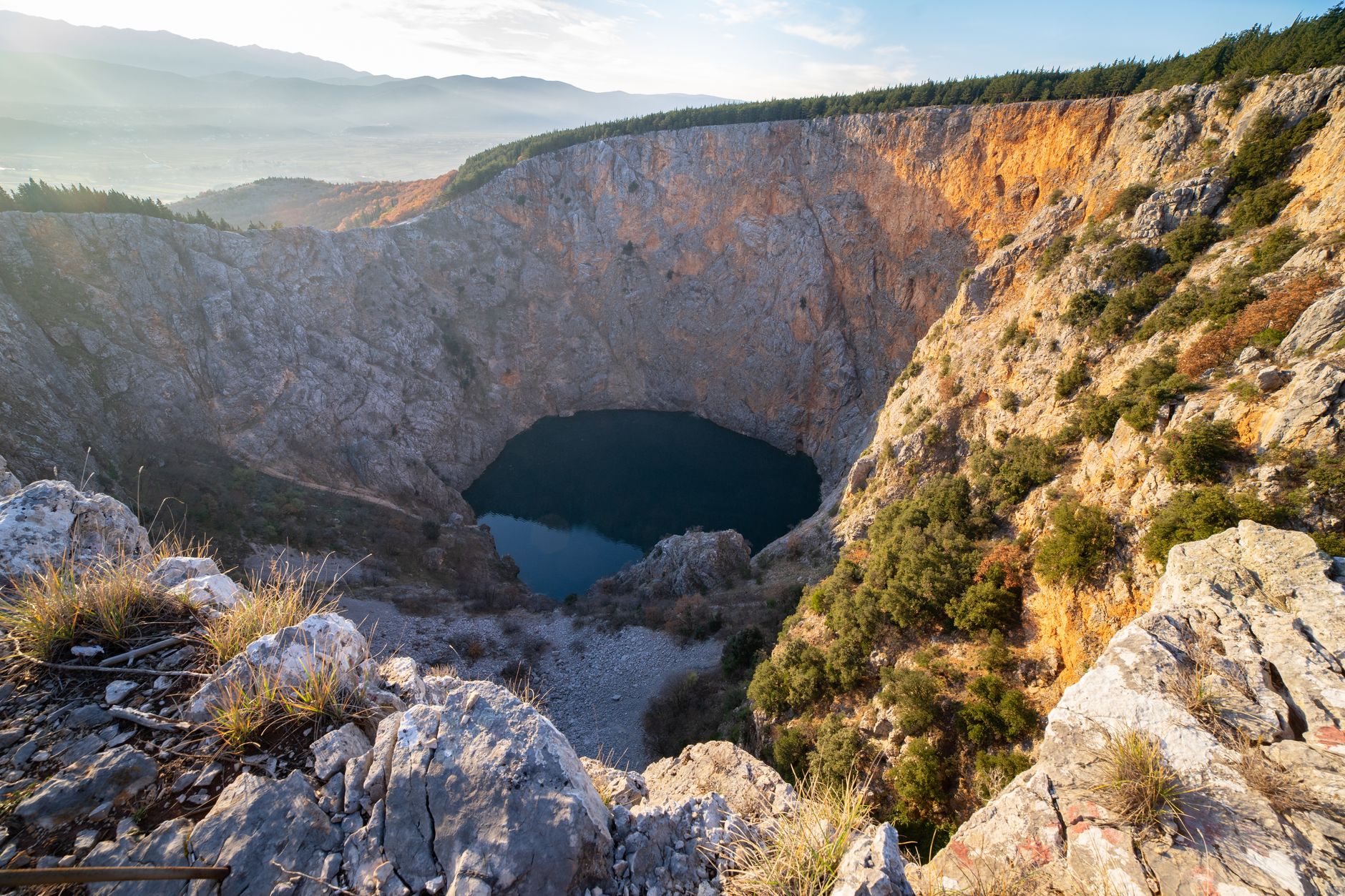
Hero image: Ivan Rebic / Pexels
Nebraska Geologist Investigates Omaha Sinkholes
Nebraska Public Media’s investigation into Omaha’s growing sinkhole crisis reveals a complex interplay of geology, aging infrastructure, and regulatory gaps. The state geologist’s findings point to a pattern of subsidence linked to groundwater withdrawal and deteriorating pipes, raising questions about long-term public safety and economic risk.
Omaha’s sinkholes are not isolated incidents but part of a broader pattern of urban subsidence tied to groundwater extraction, aging water infrastructure, and geological vulnerabilities. While local reporting has focused on the immediate damage to streets and homes, the deeper issue is whether Omaha’s crisis is a harbinger for other Midwestern cities with similar geology and infrastructure pressures. This investigation synthesizes available reporting to assess the causes, consequences, and potential responses to Omaha’s sinkhole surge.
Nebraska’s Sinkhole Surge: Why Omaha Is Sinking
Omaha sits atop layers of sedimentary rock and loose soil that are particularly susceptible to subsidence when groundwater is withdrawn or when underground voids collapse. According to Nebraska Public Media’s reporting, the city has experienced a noticeable increase in sinkhole events in recent years, with some areas seeing repeated collapses that damage roads, utilities, and private property. The phenomenon is not unique to Omaha but is exacerbated by the city’s aging water distribution system and the region’s reliance on groundwater for municipal and agricultural use.
Geologists point to a combination of natural and human-induced factors. Natural soil compaction over time, combined with the withdrawal of groundwater that once helped support underground layers, creates voids that can suddenly collapse. Nebraska Public Media’s investigation highlights that while some sinkholes appear without warning, others develop slowly as soil erodes into aging or broken pipes, creating hidden cavities beneath streets and foundations.
What Nebraska Public Media Reported on the Investigation
Nebraska Public Media’s investigation centers on the role of the state geologist, who is examining the geological and infrastructural causes of Omaha’s sinkholes. The reporting emphasizes that while sinkholes are often treated as isolated events, they are part of a systemic issue involving groundwater management, infrastructure maintenance, and geological monitoring. The state geologist’s work involves mapping subsidence-prone areas, analyzing soil composition, and assessing the impact of groundwater extraction on soil stability.
According to Nebraska Public Media, the investigation has identified several hotspots in Omaha where sinkholes are more frequent, particularly in areas with older water infrastructure and higher rates of groundwater use. The reporting also notes that residents and city officials are increasingly concerned about the lack of a coordinated response to the growing number of sinkholes, which are causing disruptions to daily life and posing safety risks.
Key Findings from Nebraska Public Media
- Geological vulnerability: Omaha’s underlying soil and rock layers are prone to subsidence, especially when groundwater levels drop.
- Infrastructure aging: Older water and sewer pipes are contributing to soil erosion and the formation of underground voids.
- Groundwater extraction: Municipal and agricultural use of groundwater is reducing support for underground layers, increasing collapse risk.
- Lack of coordinated monitoring: There is no centralized system to track subsidence trends or predict where sinkholes may form next.
Comparing Omaha’s Sinkholes to National Trends
While Omaha’s sinkhole crisis has local roots, it mirrors broader trends seen in other U.S. cities. Subsidence is a growing concern in urban areas across the country, particularly in regions with aging infrastructure and heavy reliance on groundwater. Cities like Houston, San Antonio, and parts of Florida have also experienced increased sinkhole activity due to similar factors: groundwater depletion, soil erosion into broken pipes, and the weight of urban development pressing down on unstable ground.
Nebraska Public Media’s reporting situates Omaha within this national context, noting that the city’s challenges are not unique but are exacerbated by its specific geology and infrastructure conditions. The investigation underscores that while some cities have implemented subsidence monitoring programs or updated their water infrastructure, Omaha’s response remains fragmented, with responsibility spread across multiple agencies and little centralized coordination.
The Role of Groundwater Extraction in Subsidence
Groundwater extraction is a primary driver of subsidence in Omaha and other cities. When water is pumped from underground aquifers, the soil and rock layers that once held water compact, creating voids that can collapse under the weight of buildings or streets. Nebraska Public Media’s investigation highlights that Omaha’s reliance on groundwater for both municipal and agricultural use has contributed to declining water tables, increasing the risk of subsidence.
While agricultural use accounts for a significant portion of groundwater withdrawal in Nebraska, municipal systems also contribute to the problem. Leaky pipes and aging infrastructure allow water to escape, further reducing the support for underground layers. The investigation notes that even small reductions in groundwater levels can have outsized effects on soil stability, particularly in areas with loose or sandy soil.
How Groundwater Extraction Accelerates Subsidence
- Soil compaction: As groundwater is removed, the soil particles settle closer together, reducing pore space and increasing the likelihood of collapse.
- Void formation: Water in the soil acts as a support structure; when it’s removed, voids can form and grow over time.
- Pipe erosion: Leaky water and sewer pipes wash away soil, creating underground cavities that can collapse into sinkholes.
- Urban weight: The weight of buildings, roads, and infrastructure can accelerate the collapse of voids, particularly in areas with loose soil.
Infrastructure Vulnerabilities: Pipes, Foundations, and Aging Systems
Omaha’s aging water and sewer infrastructure is a major contributor to sinkhole formation. According to Nebraska Public Media, many of the city’s pipes were installed decades ago and are now prone to leaks and breaks. When water escapes from these pipes, it erodes the surrounding soil, creating voids that can collapse into sinkholes. The problem is particularly acute in areas with older infrastructure, where pipes are more likely to fail and soil erosion is more difficult to detect.
The investigation highlights that while some sinkholes are sudden and dramatic, others develop slowly as soil erodes into broken pipes. These hidden cavities can remain undetected until they collapse, often causing significant damage to roads, utilities, and private property. The cost of repairing this damage is substantial, and the lack of a coordinated response means that many residents and businesses are left to deal with the fallout without clear guidance or support.
Why Aging Infrastructure Is a Sinkhole Multiplier
- Leaky pipes: Older pipes are more likely to crack or break, allowing water to escape and erode soil.
- Undetected voids: Soil erosion into broken pipes can create cavities that are invisible until they collapse.
- Delayed detection: Without regular inspections or monitoring, these voids can grow unnoticed, increasing the risk of sudden collapse.
- High repair costs: The cost of fixing sinkhole damage to roads, utilities, and private property is often borne by residents and local governments, straining budgets.
Regulatory Gaps: Who’s Monitoring the Risk?
Nebraska Public Media’s investigation raises concerns about the lack of a coordinated regulatory framework to monitor and mitigate sinkhole risks in Omaha. While multiple agencies are involved in water management, infrastructure maintenance, and geological monitoring, there is no centralized system to track subsidence trends or predict where sinkholes may form next. This fragmentation means that responsibility for addressing sinkholes is spread across city, county, and state agencies, often with little communication or collaboration.
The investigation notes that while some cities have implemented subsidence monitoring programs or updated their water infrastructure, Omaha’s response remains reactive rather than proactive. Without a clear regulatory framework, residents and businesses are often left to navigate the risks on their own, with little guidance on how to identify or mitigate sinkhole hazards.
Agencies Involved in Sinkhole Response and Their Limitations
| Agency or Entity | Role | Limitations |
|---|---|---|
| Nebraska Department of Natural Resources | Regulates groundwater use and monitors water levels | Limited authority over municipal infrastructure or sinkhole-specific monitoring |
| City of Omaha Public Works | Manages roads, water, and sewer infrastructure | Focused on repairs after sinkholes occur, not prevention or monitoring |
| Douglas County Health Department | Investigates environmental hazards, including sinkholes | Limited resources and no authority to mandate infrastructure upgrades |
| Nebraska Geological Survey | Conducts geological mapping and subsidence research | Lacks regulatory authority to enforce mitigation measures |
Expert Response: Nebraska’s State Geologist Weighs In
Nebraska Public Media’s investigation features the state geologist, who emphasizes that Omaha’s sinkhole crisis is a symptom of broader systemic issues. The geologist notes that while sinkholes are often treated as isolated events, they are part of a pattern of subsidence linked to groundwater withdrawal, aging infrastructure, and geological vulnerabilities. The state geologist’s work involves mapping subsidence-prone areas, analyzing soil composition, and assessing the impact of groundwater extraction on soil stability.
According to the state geologist, the lack of a coordinated response to Omaha’s sinkholes is a major concern. While some cities have implemented subsidence monitoring programs or updated their water infrastructure, Omaha’s approach remains fragmented, with responsibility spread across multiple agencies and little centralized coordination. The geologist calls for a more proactive approach, including regular inspections of aging infrastructure, groundwater management strategies, and public education on sinkhole risks.
Key Recommendations from the State Geologist
- Expand subsidence monitoring: Implement a citywide system to track soil movement and identify areas at risk of sinkholes.
- Upgrade aging infrastructure: Prioritize the replacement of old water and sewer pipes to reduce soil erosion and void formation.
- Coordinate across agencies: Establish a task force to bring together water management, infrastructure maintenance, and geological monitoring efforts.
- Public education: Inform residents about the signs of sinkhole risk and steps they can take to protect their property.
The Hidden Costs: Economic and Public Safety Risks
Sinkholes pose significant economic and public safety risks to Omaha. The cost of repairing damage to roads, utilities, and private property can strain local budgets, while the disruption to daily life can have long-term economic impacts. Nebraska Public Media’s investigation highlights that residents and businesses in sinkhole-prone areas often face higher insurance premiums, property devaluation, and the stress of living with an unpredictable hazard.
Public safety is another major concern. Sudden sinkholes can damage vehicles, injure residents, and disrupt emergency services. The investigation notes that while some sinkholes are minor, others have caused significant damage, including the collapse of roads and the rupture of gas lines. The lack of a coordinated response means that many residents are left to assess risks on their own, with little guidance on how to stay safe.
Economic and Public Safety Impacts of Sinkholes
- Property damage: Sinkholes can cause structural damage to homes and businesses, leading to costly repairs and insurance claims.
- Infrastructure disruption: Collapsed roads and broken utilities can disrupt transportation, water supply, and emergency services.
- Economic strain: Local governments and residents bear the financial burden of repairs, often without sufficient support or resources.
- Public safety risks: Sudden sinkholes can injure residents, damage vehicles, and disrupt emergency response efforts.
What Residents and Officials Can Do Now
Nebraska Public Media’s investigation underscores the need for proactive measures to address Omaha’s sinkhole risks. Residents can take steps to protect their property and stay safe, such as monitoring for signs of sinkhole risk, reporting leaks or cracks in pipes, and avoiding areas with known subsidence issues. Officials, meanwhile, can prioritize infrastructure upgrades, expand subsidence monitoring, and coordinate across agencies to develop a more comprehensive response.
The investigation highlights that while sinkholes are a complex issue, there are practical steps that can be taken to reduce risks. For residents, this includes staying informed about local subsidence trends and reporting potential hazards to the appropriate authorities. For officials, it means investing in infrastructure upgrades, implementing groundwater management strategies, and establishing a coordinated response plan.
Red Flags: How to Spot a Developing Sinkhole Risk
Identifying the early signs of sinkhole risk can help residents and officials take preventive action. Nebraska Public Media’s reporting outlines several warning signs to watch for, including cracks in pavement, uneven settling of foundations, and the appearance of small depressions in the ground. These signs may indicate the presence of underground voids or soil erosion, which can lead to sudden collapse.
- Cracks in pavement or sidewalks: These may indicate soil movement or voids beneath the surface.
- Uneven settling of foundations: Doors and windows that no longer close properly can signal structural movement.
- Small depressions or dips in the ground: These may indicate the formation of underground voids.
- Leaking or broken water pipes: Water escaping from pipes can erode soil and create voids.
- Sudden appearance of water in unusual places: This may indicate a broken pipe or underground void.
Original Analysis: Is Omaha’s Crisis a Warning for Other Cities?
Taken together, the reporting on Omaha’s sinkholes suggests that the city’s crisis is not an isolated incident but a warning for other Midwestern cities with similar geology and infrastructure pressures. The interplay of groundwater extraction, aging infrastructure, and geological vulnerabilities creates a perfect storm for subsidence and sinkhole formation. While Omaha’s challenges are exacerbated by its specific conditions, the underlying issues—declining groundwater levels, leaky pipes, and fragmented regulatory oversight—are common in many urban areas.
What sets Omaha apart is the lack of a coordinated response. While some cities have implemented subsidence monitoring programs or updated their water infrastructure, Omaha’s approach remains reactive, with responsibility spread across multiple agencies and little centralized coordination. This fragmentation not only delays action but also leaves residents and businesses vulnerable to the economic and safety risks of sinkholes.
The broader implication is that Omaha’s crisis could be a harbinger for other cities facing similar challenges. As climate change and aging infrastructure strain urban systems, subsidence and sinkhole risks are likely to increase. Cities that proactively address these issues—through groundwater management, infrastructure upgrades, and coordinated monitoring—may avoid the worst impacts. Those that do not could face a future of repeated sinkhole events, costly repairs, and public safety risks.
FAQ
What causes sinkholes in Omaha?
Sinkholes in Omaha are primarily caused by a combination of groundwater extraction, aging infrastructure, and geological vulnerabilities. When groundwater is withdrawn, the soil and rock layers compact, creating voids that can collapse. Aging water and sewer pipes also contribute by leaking and eroding soil, further increasing the risk of sinkholes.
How can I tell if my property is at risk of a sinkhole?
Signs of sinkhole risk include cracks in pavement or foundations, uneven settling of structures, small depressions in the ground, and leaking or broken water pipes. If you notice these signs, report them to the appropriate authorities and consider consulting a geotechnical engineer.
Who is responsible for fixing sinkholes in Omaha?
Responsibility for fixing sinkholes in Omaha is spread across multiple agencies, including the City of Omaha Public Works, Douglas County Health Department, and Nebraska Department of Natural Resources. However, there is no centralized system to coordinate responses, leaving many residents and businesses to deal with the fallout without clear guidance or support.
Can sinkholes be prevented?
While sinkholes cannot always be prevented, their risks can be reduced through proactive measures such as groundwater management, infrastructure upgrades, and subsidence monitoring. Regular inspections of water and sewer pipes, as well as public education on sinkhole risks, can also help mitigate the problem.
What should I do if I notice a sinkhole forming on or near my property?
If you notice a sinkhole forming, report it to the City of Omaha Public Works or the Douglas County Health Department immediately. Avoid approaching or entering the sinkhole, as it may be unstable. If the sinkhole poses a risk to public safety, contact emergency services.