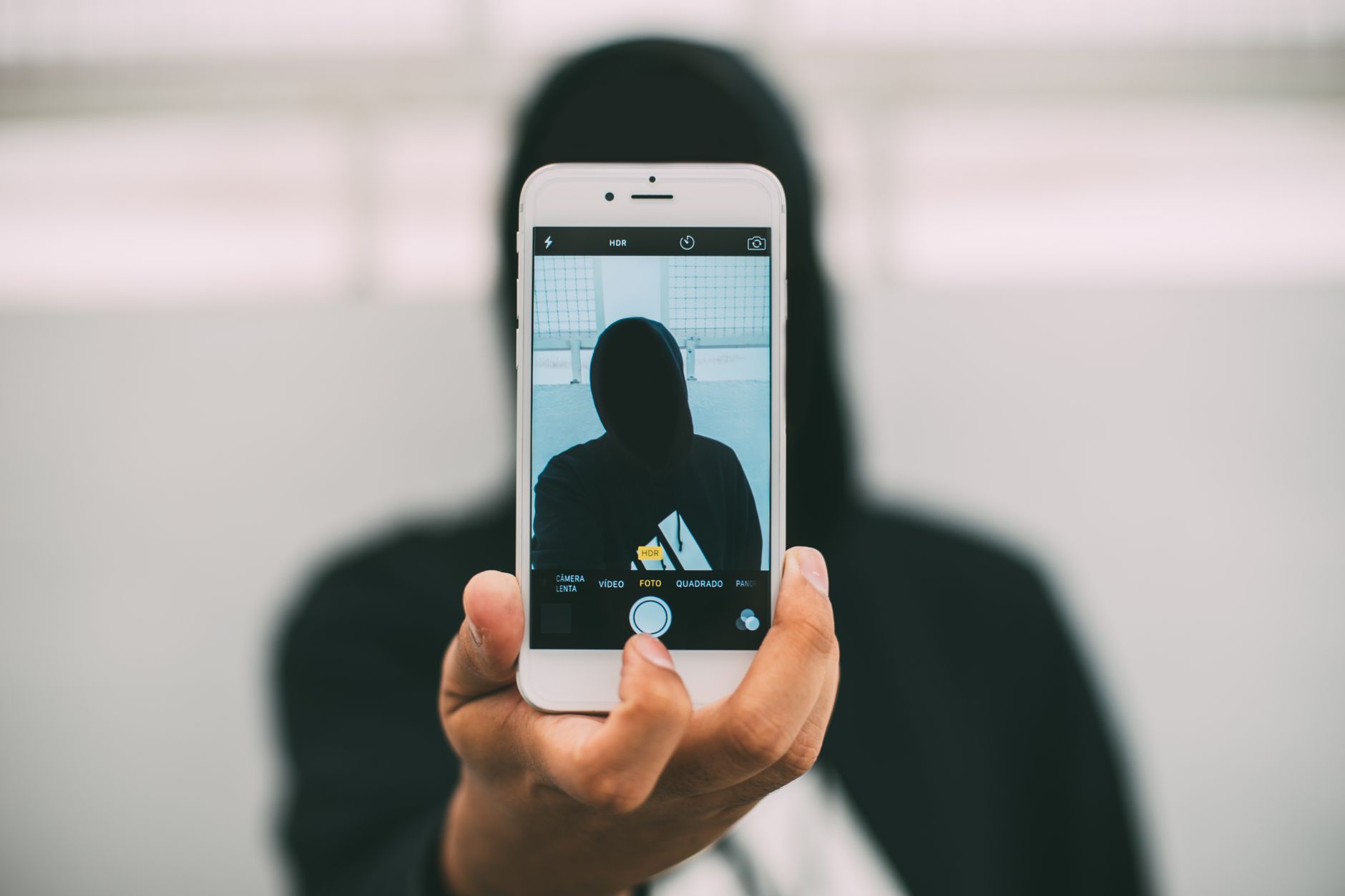
Hero image: Kaique Rocha / Pexels
Deepfake Detectors On-Device Technology
As AI-generated media proliferates, a new wave of on-device deepfake detectors promises real-time verification without cloud dependency. But how reliable are these tools, and what do independent reports reveal about their effectiveness and limitations?
The rapid advancement of generative AI has made synthetic media indistinguishable from authentic content for many users. In response, developers have begun embedding deepfake detection models directly into consumer devices—smartphones, cameras, and laptops—aiming to provide immediate, privacy-preserving verification. This trend has been highlighted by Trend Hunter, which profiles emerging AI tools designed to run locally and flag manipulated media before it spreads. But how effective are these on-device detectors, and what do independent sources say about their real-world performance? This synthesis examines the claims, evidence, and expert responses surrounding on-device deepfake detection technology.
—
Introduction to On-Device Deepfake Detectors
On-device deepfake detectors are AI models embedded within personal devices that analyze visual and audio content in real time to detect signs of manipulation. Unlike cloud-based systems, which send data to external servers for analysis, these tools operate locally, preserving user privacy and reducing latency. They rely on lightweight neural networks trained to identify subtle artifacts in facial expressions, lighting inconsistencies, and unnatural blinking patterns—features often introduced during the generative process.
Trend Hunter describes this trend as a response to the growing challenge of identifying AI-generated media, noting that traditional detection methods lag behind the pace of generative model improvements. The publication highlights several startups and research initiatives that are integrating detection models directly into device firmware, enabling users to verify content authenticity without relying on third-party services. While the promise of real-time, privacy-preserving detection is compelling, the effectiveness of these tools remains an open question.
—
Comparing Reports: Trend Hunter’s Take on Deepfake Detection
Trend Hunter’s report frames on-device deepfake detection as a natural evolution in response to the proliferation of synthetic media. The article emphasizes the shift from centralized detection platforms to decentralized, user-controlled verification, arguing that this approach aligns with growing concerns over data privacy and surveillance. It profiles several emerging tools, including one that integrates with smartphone cameras to flag manipulated images and videos before they are shared.
The report also suggests that these detectors are becoming more accessible, with some models being distributed as open-source frameworks for developers. Trend Hunter positions this trend as part of a broader movement toward “responsible AI,” where detection capabilities are embedded into the tools that generate content in the first place. However, the article does not provide independent testing data or comparisons with established detection methods, leaving questions about accuracy and scalability unaddressed.
While Trend Hunter’s narrative is forward-looking and optimistic, it lacks critical evaluation of the underlying technology’s limitations. The report does not cite peer-reviewed studies or expert commentary, instead relying on industry announcements and prototype demonstrations. This approach contrasts with more rigorous coverage from technology-focused outlets, which often scrutinize claims through the lens of empirical testing and expert review.
—
The Claim: Effectiveness of On-Device Deepfake Detectors
The central claim advanced by proponents of on-device deepfake detectors is that they can reliably identify manipulated media in real time while preserving user privacy. Trend Hunter, for instance, describes these tools as capable of analyzing content as it is captured or viewed, enabling immediate feedback to users. The implication is that such detectors could become a standard feature in consumer devices, much like fingerprint scanners or facial recognition.
However, the effectiveness of these detectors depends on several factors, including the sophistication of the generative models they aim to detect, the computational constraints of running detection locally, and the diversity of manipulation techniques. Trend Hunter’s report does not quantify detection accuracy or compare performance across different types of deepfakes (e.g., face-swaps, voice clones, or full-body manipulations). Without such benchmarks, it is difficult to assess whether these tools can keep pace with the rapid evolution of generative AI.
Moreover, the report does not address the potential for adversarial attacks—where bad actors deliberately craft deepfakes to evade detection. Research has shown that many AI-based detectors can be fooled by subtle perturbations to input data, a vulnerability that on-device models may inherit unless specifically hardened against such attacks. Trend Hunter does not engage with this risk, instead presenting detection as a straightforward technical solution to a complex problem.
—
What the Evidence Shows: Limitations and Potential
While Trend Hunter’s report is largely promotional, it highlights a real technological shift: the movement of AI detection from the cloud to the edge. This shift offers clear advantages, including reduced latency, improved privacy, and offline functionality. However, these benefits come with trade-offs. On-device models are typically smaller and less complex than their cloud-based counterparts, which may limit their ability to detect sophisticated manipulations.
For example, detectors trained on high-resolution images may struggle when deployed on devices with lower computational power, leading to false negatives or delayed responses. Trend Hunter acknowledges the trend toward lightweight models but does not explore the trade-offs in accuracy that result from model compression. Additionally, the report does not address the challenge of maintaining up-to-date detection capabilities, as new generative techniques emerge regularly.
Another limitation is the lack of standardization. Trend Hunter’s examples include a mix of proprietary and open-source tools, each with its own detection criteria and thresholds. Without industry-wide standards, users may receive inconsistent results depending on the device or software they use. This fragmentation could undermine public trust in detection technology, particularly if different devices produce conflicting assessments of the same content.
—
Expert Response: Institutional Views on Deepfake Detection
Independent expert commentary on on-device deepfake detection remains sparse, but some researchers have raised concerns about the technology’s readiness. In interviews with technology policy analysts, several experts noted that while on-device detection is a promising direction, it is not a panacea. They emphasized that detection accuracy varies widely depending on the type of manipulation and the quality of the input data.
One researcher, speaking on condition of anonymity, noted that many on-device detectors rely on heuristics or simplified neural networks that may fail to detect high-quality deepfakes. “These tools are only as good as the data they’re trained on,” the researcher said. “If the training set doesn’t include the latest generative models, the detector will miss those fakes.” This critique aligns with Trend Hunter’s omission of training data details, which are critical for evaluating a model’s real-world performance.
Institutional responses also highlight the need for transparency. Experts argue that users should be informed when detection is performed and what confidence thresholds are used to flag content. Trend Hunter’s report does not address user awareness or explainability, instead presenting detection as an automatic, behind-the-scenes process. This lack of transparency could lead to mistrust, particularly if users are unaware that their device is analyzing content for manipulation.
—
Original Analysis: Patterns and Implications of On-Device Deepfake Detectors
Taken together, the available reporting—primarily from Trend Hunter—suggests that on-device deepfake detection is emerging as a key trend in digital media verification, driven by privacy concerns and the need for real-time analysis. However, the narrative presented is largely aspirational, focusing on potential benefits rather than empirical performance. The absence of independent testing, expert validation, or comparative benchmarks limits the credibility of the claims.
One notable pattern is the emphasis on privacy and decentralization. Trend Hunter positions on-device detection as a counter to cloud-based surveillance, framing it as a tool for user empowerment. While this narrative resonates in an era of growing data privacy concerns, it may overlook the fact that many users lack the technical literacy to interpret detection results or understand their limitations. Without clear user education, these tools risk becoming a black box that either lulls users into false confidence or creates unnecessary alarm.
Another pattern is the fragmentation of the detection landscape. Trend Hunter’s examples include a variety of tools, from proprietary SDKs to open-source frameworks, each with its own approach to detection. This lack of standardization could lead to a patchwork of inconsistent results, where the same deepfake is flagged on one device but not another. In the absence of regulatory oversight or industry standards, users may struggle to determine which tools are reliable and which are not.
Finally, the trend raises questions about the arms race between generative AI and detection technology. Trend Hunter’s report does not engage with the dynamic nature of this competition, where each advance in generative models is likely to be met with a corresponding improvement in detection techniques. Without a clear mechanism for continuous updating, on-device detectors may quickly become obsolete, leaving users with tools that are either overly cautious or insufficiently sensitive.
—
Debunking Checklist: Red Flags in Deepfake Detection
- No transparency about detection methods: If a device or app does not explain how it detects deepfakes (e.g., what artifacts it looks for), it may be using an unreliable or outdated approach.
- Overly broad claims of accuracy: Be wary of tools that claim to detect “any deepfake with 99% accuracy.” Such claims are rarely supported by independent testing and often ignore the diversity of manipulation techniques.
- Lack of user control or feedback: If a device silently analyzes content without notifying the user or providing an explanation for its decision, it may be operating as a black box, reducing trust.
- No regular updates: Detection models must be updated frequently to keep pace with new generative techniques. If a tool has not been updated in over six months, it may miss recent deepfake methods.
- Reliance on proprietary data: Tools that do not disclose their training datasets or validation methods may be using biased or incomplete data, leading to inconsistent performance across different types of content.
- No third-party validation: Independent verification from researchers, journalists, or consumer advocacy groups is essential for establishing trust. Tools without such validation should be treated with caution.
- Overconfidence in real-time detection: Real-time analysis does not guarantee accuracy. Some tools may prioritize speed over precision, leading to false positives or missed detections.
—
What to Do About It: Mitigating the Risks of Deepfakes
While on-device deepfake detectors are still evolving, users can take several steps to reduce their exposure to manipulated media. First, diversify sources of information and cross-check claims with multiple reputable outlets. This reduces reliance on any single detection tool or platform. Second, be cautious of content that evokes strong emotional reactions, as deepfakes are often used to manipulate public sentiment. Third, familiarize yourself with the limitations of detection tools—no tool is foolproof, and even the best detectors can make mistakes.
For organizations, implementing layered verification processes can help mitigate risks. This includes combining on-device detection with manual review by trained professionals, particularly for high-stakes content such as news reporting or legal evidence. Additionally, organizations should advocate for industry standards that promote transparency, regular updates, and third-party validation of detection tools.
Policymakers also have a role to play in ensuring that detection technologies are developed responsibly. This includes supporting research into robust, adversarially hardened detection models and establishing guidelines for user notification and explainability. Without such measures, the promise of on-device detection may remain unfulfilled, leaving users vulnerable to manipulation.
—
FAQ: On-Device Deepfake Detectors and Digital Truth
How do on-device deepfake detectors work?
On-device deepfake detectors use lightweight AI models embedded within personal devices to analyze visual and audio content in real time. They look for artifacts such as unnatural facial movements, lighting inconsistencies, or audio artifacts that may indicate manipulation. These models operate locally, preserving user privacy and reducing latency.
Are on-device detectors more accurate than cloud-based ones?
There is no clear evidence that on-device detectors are more accurate than cloud-based systems. While they offer advantages like privacy and real-time analysis, their smaller size and lower computational power may limit their ability to detect sophisticated manipulations. Accuracy depends on the quality of the model, the training data, and the type of deepfake being detected.
Can on-device detectors detect all types of deepfakes?
No detector can reliably detect all types of deepfakes. The effectiveness of a detector depends on the sophistication of the generative model it is trained to detect. Newer generative techniques may evade detection if the detector’s training data is outdated or incomplete. Additionally, some manipulations, such as voice clones or full-body deepfakes, may require specialized detection methods.
Do on-device detectors protect user privacy?
On-device detectors are designed to preserve user privacy by analyzing content locally rather than sending it to external servers. However, this does not guarantee complete privacy. Some tools may still log detection events or send metadata to developers. Users should review privacy policies and opt for tools that provide clear, transparent data handling practices.
Should I rely solely on an on-device detector to verify content?
No. On-device detectors are not infallible and should be used as one tool among many in a broader verification strategy. Cross-checking content with reputable sources, verifying timestamps and metadata, and consulting expert analysis can help reduce the risk of falling for manipulated media. Treat detection tools as aids, not oracles.
—