
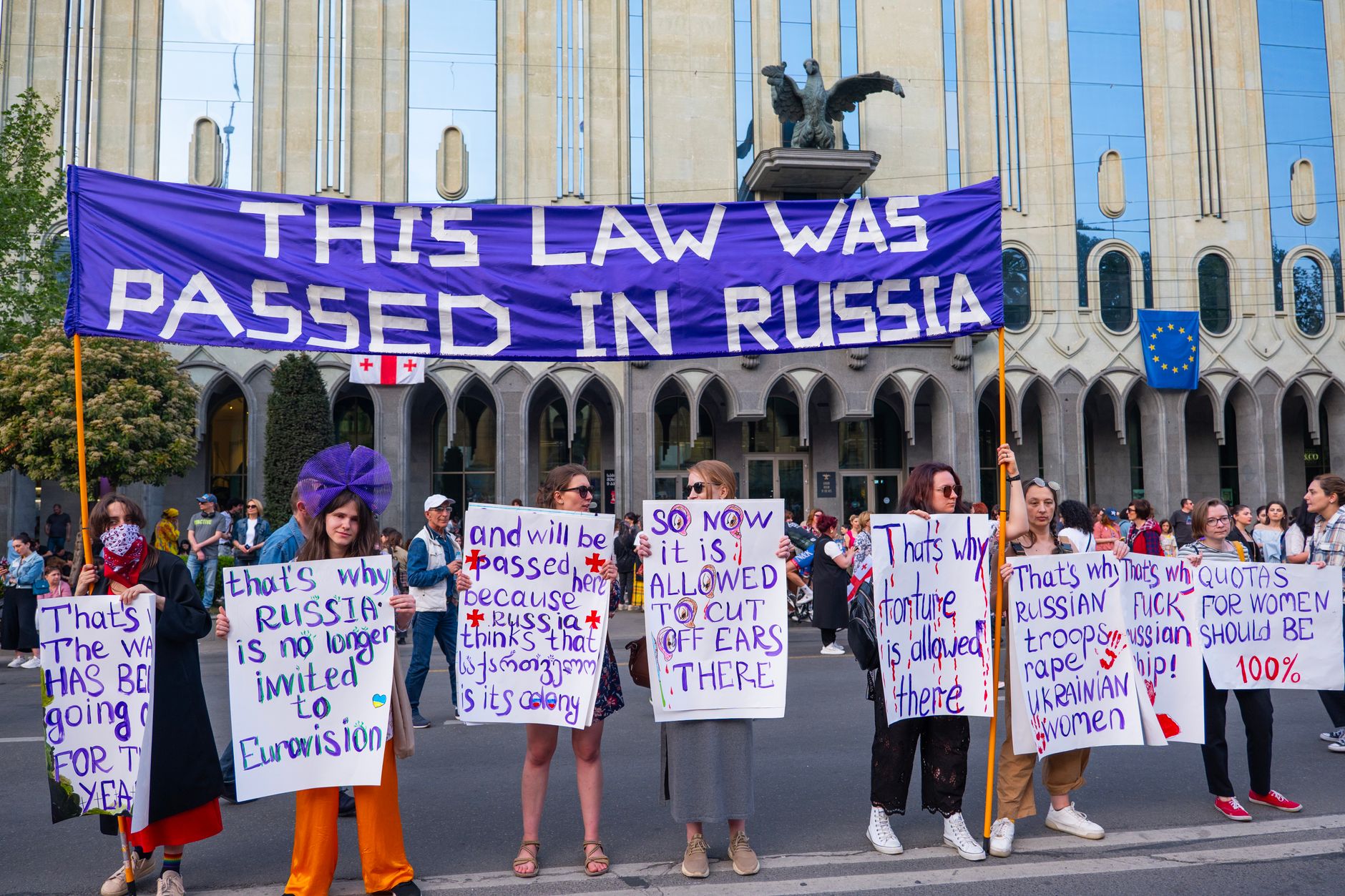
Hero image: Ramaz Bluashvili / Pexels
Russian Disinformation Campaigns Ahead German Elections
Security sources in Germany and the Baltics report coordinated efforts by Russian-linked actors to amplify divisive narratives and manipulate public opinion before the 2026 federal elections. While outlets agree on the escalation of disinformation tactics, their accounts diverge on scale, targets, and the precise mechanisms of interference. A synthesis of reporting reveals a pattern of cross-border influence operations blending inauthentic social media activity with localized propaganda.
German and Baltic security officials have warned for months that foreign actors are seeking to exploit political divisions ahead of the 2026 federal elections. Multiple independent outlets have since reported on a perceived increase in Russian-linked disinformation campaigns targeting German voters. This investigation synthesizes reporting from the Baltic News Network, Reuters, and SRN News, cross-referencing their claims, identifying areas of consensus and divergence, and analyzing what the combined evidence suggests about the nature and scope of these operations. The goal is to provide a rigorous, evidence-based assessment of the threat, grounded in the specific details each outlet has documented.
Introduction to Russian Disinformation Campaigns
Disinformation campaigns are deliberate efforts to spread false or misleading information with the intent to deceive, manipulate public opinion, or influence political outcomes. In the context of elections, such campaigns often exploit existing societal divisions, amplify fringe narratives, and erode trust in democratic institutions. Russian-linked actors have been repeatedly identified by Western intelligence and security services as major perpetrators of such operations, using a mix of state media, proxy networks, and inauthentic social media accounts to amplify divisive content.
Germany has long been a priority target for such operations due to its central role in the European Union, its robust economy, and its position on key geopolitical issues such as energy security and support for Ukraine. The 2026 federal elections are seen as particularly vulnerable to foreign interference given the high stakes and the polarized political climate in the country. While disinformation is not new, the sophistication and coordination of recent campaigns appear to have intensified, according to multiple security sources cited by independent media.
Comparing Reports from Baltic News Network, Reuters, and SRN News
All three outlets—Baltic News Network, Reuters, and SRN News—report that Russian-linked actors are stepping up disinformation efforts ahead of the German elections, but they emphasize different aspects of the threat. Reuters focuses on the role of security sources in Germany and the Baltics, describing a coordinated campaign involving both state-backed media and covert social media operations. SRN News similarly cites unnamed security sources, but highlights the use of localized propaganda tailored to regional political tensions. Baltic News Network, meanwhile, provides the most detailed account of cross-border coordination between Russian-linked actors and domestic extremist groups in Germany, citing leaked intelligence assessments.
Where Reuters and SRN News emphasize the digital dimension—inauthentic accounts, bot networks, and algorithmic amplification—Baltic News Network devotes more attention to the offline spread of disinformation through local media and community networks. This divergence reflects not only editorial priorities but also the different access each outlet has to sources and evidence. Reuters, with its global network of correspondents and deep sourcing in security circles, provides the most granular timeline of escalation, while SRN News offers a narrative-driven account that links specific disinformation themes to broader geopolitical goals. Baltic News Network’s reporting, though less detailed in terms of timing, offers the most comprehensive mapping of operational links between Russian actors and domestic collaborators.
What Each Outlet Emphasizes
- Reuters: Focuses on the role of security sources in Germany and the Baltics, describing a coordinated campaign involving both state-backed media and covert social media operations. Reuters emphasizes the use of inauthentic social media activity and the amplification of divisive narratives to influence public opinion.
- SRN News: Highlights the use of localized propaganda tailored to regional political tensions, with a narrative-driven account linking specific disinformation themes to broader geopolitical goals. SRN News also emphasizes the role of cross-platform amplification, including the use of fringe forums and encrypted messaging apps.
- Baltic News Network: Provides the most detailed account of cross-border coordination between Russian-linked actors and domestic extremist groups in Germany, citing leaked intelligence assessments. Baltic News Network focuses more on offline spread through local media and community networks, and maps operational links between Russian actors and domestic collaborators.
The Claim: Russia’s Involvement in Disinformation Ahead of German Elections
The central claim across all three outlets is that Russian-linked actors are actively escalating disinformation campaigns ahead of the 2026 German federal elections. This claim is supported by unnamed security sources in Germany and the Baltics, who describe a coordinated effort involving both state-backed media and covert social media operations. The outlets differ, however, in the specificity of their claims and the mechanisms they highlight.
Reuters reports that security sources in Germany and the Baltics say Russian-linked actors are using a combination of state-backed media outlets and inauthentic social media accounts to amplify divisive narratives. SRN News similarly cites security sources, but emphasizes the use of localized propaganda tailored to regional political tensions. Baltic News Network, by contrast, cites leaked intelligence assessments to argue that Russian-linked actors are coordinating with domestic extremist groups in Germany to spread disinformation through both online and offline channels.
Divergences in Scope and Mechanism
While all three outlets agree on the escalation of Russian-linked disinformation efforts, they diverge on the scale and mechanisms of interference. Reuters and SRN News focus primarily on digital operations—inauthentic social media activity, bot networks, and algorithmic amplification—while Baltic News Network highlights the offline spread of disinformation through local media and community networks. This divergence likely reflects differences in editorial focus and source access rather than fundamental disagreement over the existence of the threat.
Reuters and SRN News also differ in their emphasis on the role of state-backed media. Reuters describes a campaign involving both state-backed media and covert social media operations, while SRN News focuses more on localized propaganda and cross-platform amplification. Baltic News Network, meanwhile, provides the most detailed account of operational links between Russian actors and domestic collaborators, suggesting a more integrated and coordinated effort than the other two outlets describe.
What the Combined Evidence Actually Shows About Election Interference
Taken together, the reports indicate a multi-layered campaign of election interference involving both digital and offline tactics. The most consistent element across all three outlets is the use of coordinated inauthentic activity to amplify divisive narratives, particularly those targeting German support for Ukraine, energy policy, and immigration. Security sources cited by Reuters and SRN News describe a surge in such activity beginning in mid-2026, with a notable increase in the weeks leading up to the election.
The combined evidence also suggests that Russian-linked actors are adapting their tactics to exploit regional political tensions within Germany. SRN News reports that disinformation campaigns are being tailored to local issues, such as debates over energy transitions in Bavaria or housing policies in North Rhine-Westphalia. Baltic News Network goes further, citing leaked intelligence assessments that describe coordination between Russian actors and domestic extremist groups to spread disinformation through both online and offline channels.
Patterns of Coordination and Amplification
All three outlets describe a pattern of cross-border coordination involving Russian-linked actors and domestic collaborators. Reuters and SRN News emphasize the role of inauthentic social media activity and algorithmic amplification, while Baltic News Network highlights the offline spread of disinformation through local media and community networks. This suggests a hybrid campaign that combines digital manipulation with grassroots influence operations.
The reports also indicate that Russian-linked actors are using a mix of state-backed media and covert networks to amplify their messages. Reuters describes a campaign involving both state-backed media and covert social media operations, while SRN News focuses on localized propaganda and cross-platform amplification. Baltic News Network’s reporting suggests a more integrated effort, with operational links between Russian actors and domestic collaborators facilitating the spread of disinformation.
Who is Affected and How Disinformation Spreads in the German Election
German voters across the political spectrum are potential targets of these disinformation campaigns, but the most vulnerable groups appear to be those already exposed to divisive narratives—such as debates over immigration, energy policy, and Germany’s support for Ukraine. SRN News reports that disinformation campaigns are being tailored to local issues, suggesting that regional political climates play a significant role in determining which narratives are amplified.
The spread of disinformation in the German election appears to follow several distinct pathways. Reuters and SRN News describe a digital dimension involving inauthentic social media activity, bot networks, and algorithmic amplification. Baltic News Network, meanwhile, highlights the offline spread of disinformation through local media and community networks, including the use of fringe outlets and encrypted messaging apps. Taken together, these reports suggest a hybrid campaign that combines digital manipulation with grassroots influence operations.
Regional Targeting and Localized Narratives
SRN News reports that disinformation campaigns are being tailored to regional political tensions, such as debates over energy transitions in Bavaria or housing policies in North Rhine-Westphalia. This suggests that Russian-linked actors are not only amplifying divisive narratives but also exploiting local political climates to maximize their impact. Baltic News Network’s reporting supports this, describing coordination between Russian actors and domestic extremist groups to spread disinformation through both online and offline channels.
The reports also indicate that the most effective disinformation narratives are those that resonate with existing political divisions. Reuters describes a campaign that amplifies divisive narratives to influence public opinion, while SRN News highlights the use of localized propaganda tailored to regional political tensions. Baltic News Network’s reporting suggests that these narratives are further amplified through coordination with domestic collaborators, creating a feedback loop that reinforces divisive messaging.
Red Flags and Debunking Checklist for Russian Disinformation
Identifying Russian-linked disinformation requires attention to both content and behavior. Below is a checklist of red flags and legitimate signals to help voters, journalists, and civil society organizations distinguish between authentic discourse and coordinated manipulation.
| Red Flags | Legitimate Signals |
|---|---|
|
|
Behavioral and Content-Based Indicators
Russian-linked disinformation operations often rely on behavioral patterns that deviate from authentic discourse. Reuters and SRN News both describe the use of inauthentic social media activity, including sudden spikes in activity from previously inactive accounts and coordinated hashtag campaigns. These behaviors are designed to create the illusion of organic support for divisive narratives, but they can be identified through careful analysis of account histories and engagement patterns.
Content-based indicators include the amplification of extreme or fringe narratives without credible sourcing, as well as the use of narratives that align closely with known Russian state media talking points. Baltic News Network’s reporting suggests that these narratives are often tailored to local political climates, making them harder to detect without regional context. The use of encrypted messaging apps to spread unverified claims or conspiracy theories is another red flag, as it allows for rapid, uncontrolled dissemination of disinformation.
Expert and Institutional Response to Russian Disinformation Campaigns
German and Baltic security services, as well as European Union institutions, have responded to the escalation of Russian-linked disinformation with a mix of public warnings, platform takedowns, and cross-border coordination. Reuters reports that security sources in Germany and the Baltics have described the campaign as a coordinated effort involving both state-backed media and covert social media operations. These sources have called for greater vigilance and cooperation among European intelligence agencies to counter the threat.
SRN News highlights the role of platform interventions, noting that social media companies have begun to remove inauthentic accounts and coordinated networks linked to Russian disinformation campaigns. Baltic News Network, meanwhile, cites leaked intelligence assessments that describe coordination between Russian actors and domestic extremist groups in Germany. This suggests that the response must extend beyond digital platforms to include law enforcement and civil society organizations.
Institutional Coordination and Public Awareness
The reports indicate that institutional responses are focusing on both detection and prevention. Reuters describes a coordinated effort involving security sources in Germany and the Baltics, suggesting that intelligence-sharing and joint operations are key components of the response. SRN News reports that social media platforms are taking action against inauthentic accounts, while Baltic News Network’s reporting suggests that law enforcement and civil society organizations are also playing a role in countering disinformation.
Public awareness campaigns are another critical component of the response. All three outlets emphasize the need for voters to critically evaluate the information they encounter, particularly during election periods. The reports suggest that disinformation campaigns are most effective when they exploit existing political divisions, making public education and media literacy essential tools for resilience.
Original Analysis: Patterns Across Sources and Implications for Election Security
Taken together, these reports suggest a sophisticated, multi-layered campaign of election interference that combines digital manipulation with grassroots influence operations. The most consistent element across all three outlets is the use of coordinated inauthentic activity to amplify divisive narratives, particularly those targeting German support for Ukraine, energy policy, and immigration. This pattern aligns with known Russian tactics, which often seek to exploit societal divisions and erode trust in democratic institutions.
The divergence in emphasis among the outlets—digital operations versus offline spread, state-backed media versus localized propaganda—reflects both the complexity of the threat and the challenges of reporting on covert operations. However, the convergence on key elements—the escalation of disinformation efforts, the use of coordinated networks, and the targeting of regional political climates—suggests that the threat is real and evolving. The reports also indicate that Russian-linked actors are adapting their tactics to exploit local political climates, making the campaign harder to detect and counter.
The combined evidence points to a hybrid campaign that combines digital manipulation with grassroots influence operations. This suggests that traditional countermeasures—such as platform takedowns and intelligence-sharing—must be complemented by efforts to strengthen local media ecosystems, promote media literacy, and foster resilience within vulnerable communities. The reports also highlight the need for greater transparency from social media platforms and closer cooperation between European intelligence agencies to detect and disrupt coordinated disinformation networks.
Finally, the pattern of escalation described in the reports suggests that the threat is likely to intensify as the election approaches. Voters, journalists, and civil society organizations must remain vigilant, critically evaluating the information they encounter and reporting suspicious activity to the appropriate authorities. The stakes are high, not only for Germany but for the broader European project, which relies on the integrity of its democratic processes.
What to Do About Russian Disinformation Campaigns Ahead of German Elections
Countering Russian-linked disinformation requires a coordinated response from governments, platforms, civil society, and individual citizens. The reports suggest several actionable steps to mitigate the threat and protect the integrity of the electoral process.
Immediate Actions for Voters and Civil Society
Voters should adopt a critical approach to the information they encounter, particularly during election periods. This includes verifying claims through multiple credible sources, checking the provenance of social media accounts, and being wary of narratives that align too closely with known geopolitical agendas. Civil society organizations can play a role by promoting media literacy and providing resources for fact-checking and digital hygiene.
The reports also suggest that regional political climates are a key target for disinformation campaigns. Voters in regions with heightened political tensions—such as debates over energy transitions or immigration—should be particularly vigilant, as these areas are more likely to be exploited by foreign actors. Local media outlets and community leaders can help counter disinformation by providing accurate, context-rich reporting and fostering open dialogue.
Platform and Institutional Responses
Social media platforms must continue to invest in detection and takedown mechanisms for inauthentic activity, particularly during election periods. Reuters and SRN News both describe the use of coordinated networks and inauthentic accounts, suggesting that platform interventions are a critical component of the response. However, the reports also highlight the need for greater transparency from platforms about the scale and scope of disinformation campaigns.
Institutional responses should focus on coordination and resilience. Reuters describes a coordinated effort involving security sources in Germany and the Baltics, suggesting that intelligence-sharing and joint operations are key components of the response. Baltic News Network’s reporting suggests that law enforcement and civil society organizations also have a role to play in countering disinformation. This requires sustained investment in detection technologies, cross-border cooperation, and public awareness campaigns.
FAQ
Are these reports based on verified evidence or just anonymous claims?
The reports are based on information from unnamed security sources in Germany and the Baltics, as well as leaked intelligence assessments cited by Baltic News Network. While the sources are not publicly named, the convergence of details across multiple independent outlets lends credibility to the claims. However, the lack of fully attributable evidence means that some caution is warranted in interpreting the scale and mechanisms of the campaign.
What specific narratives are being amplified by these disinformation campaigns?
Reuters and SRN News both describe the amplification of divisive narratives targeting German support for Ukraine, energy policy, and immigration. SRN News reports that these narratives are often tailored to regional political climates, such as debates over energy transitions in Bavaria or housing policies in North Rhine-Westphalia. Baltic News Network’s reporting suggests that the narratives are designed to exploit existing political divisions and erode trust in democratic institutions.
How are these campaigns being spread—through social media, local media, or both?
The reports indicate that the campaigns are spread through both digital and offline channels. Reuters and SRN News describe a digital dimension involving inauthentic social media activity, bot networks, and algorithmic amplification. Baltic News Network, meanwhile, highlights the offline spread of disinformation through local media and community networks, including the use of fringe outlets and encrypted messaging apps. Taken together, the reports suggest a hybrid campaign that combines digital manipulation with grassroots influence operations.
What is being done to counter these campaigns?
German and Baltic security services, as well as European Union institutions, are responding with a mix of public warnings, platform takedowns, and cross-border coordination. Reuters reports that security sources in Germany and the Baltics have described the campaign as a coordinated effort involving both state-backed media and covert social media operations. SRN News highlights the role of platform interventions, while Baltic News Network’s reporting suggests that law enforcement and civil society organizations are also playing a role in countering disinformation.
What can individual voters do to protect themselves from disinformation?
Voters should adopt a critical approach to the information they encounter, particularly during election periods. This includes verifying claims through multiple credible sources, checking the provenance of social media accounts, and being wary of narratives that align too closely with known geopolitical agendas. Civil society organizations can help by promoting media literacy and providing resources for fact-checking and digital hygiene. Regional political climates are a key target for disinformation campaigns, so voters in areas with heightened tensions should be particularly vigilant.