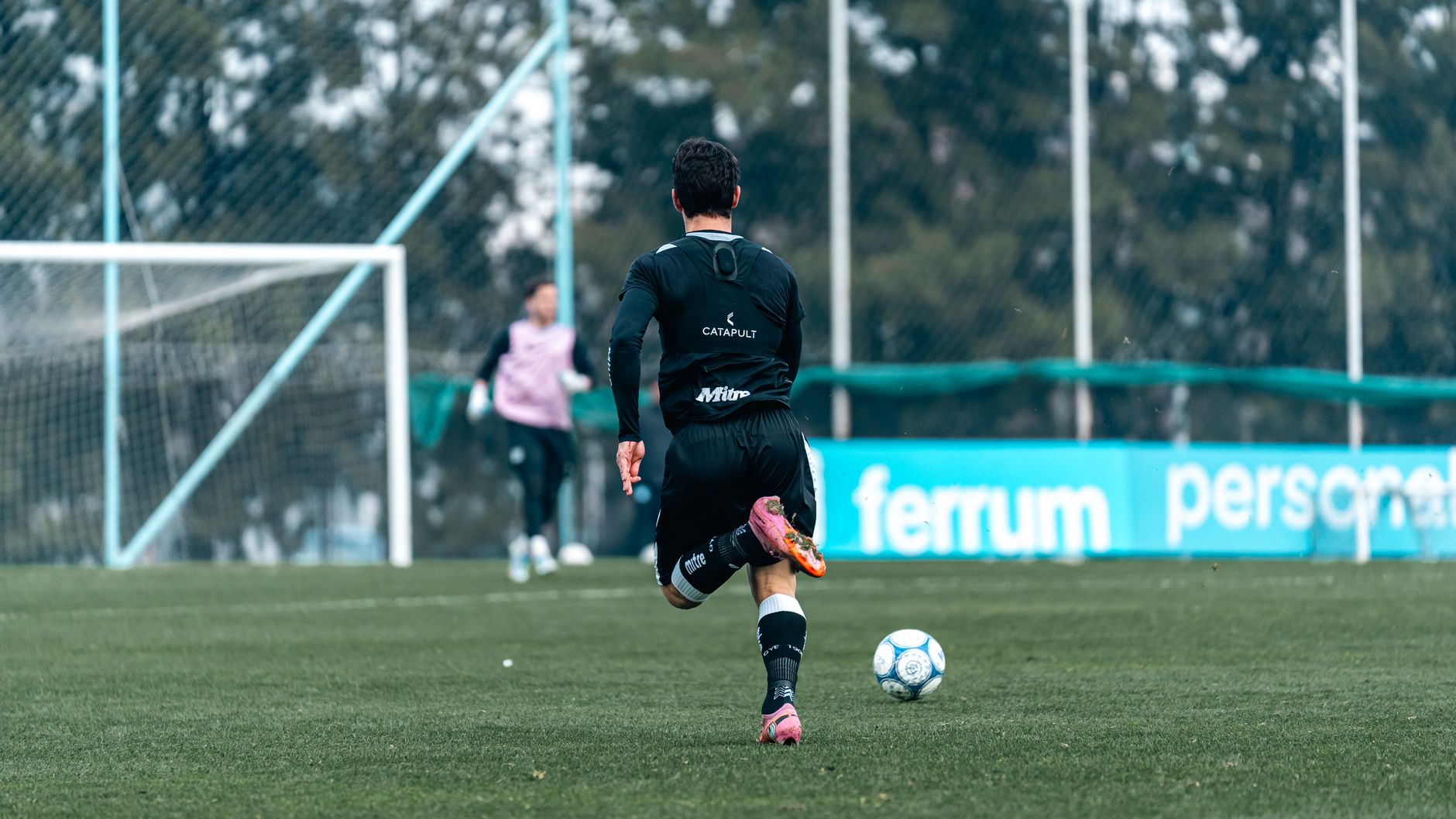
Hero image: Franco Monsalvo / Pexels
Duck Dive: Washington Football 2026 Health Myths
As the Washington Football Team prepares for its 2026 season, a wave of health-related claims has surfaced online, many of which lack rigorous verification. This synthesis examines the emerging narrative known as the “Duck Dive,” assessing its claims about player health, injury protocols, and institutional transparency, and identifies where evidence supports or contradicts the assertions.
Over the past several months, a cluster of online narratives—most prominently advanced by the sports health commentary platform Addicted To Quack—has suggested that the Washington Football Team is systematically underreporting injuries, manipulating rehabilitation timelines, and prioritizing performance over long-term player welfare in advance of the 2026 season. These claims have circulated across fan forums, social media, and niche sports health blogs, often without direct sourcing or independent verification. To assess their credibility, this investigation synthesizes the available reporting, identifies points of agreement and divergence among sources, and evaluates the plausibility of the “Duck Dive” narrative in light of institutional practices, public disclosures, and known patterns in sports medicine transparency. The goal is not to endorse or dismiss the claims outright, but to map the evidentiary landscape and highlight where additional scrutiny is warranted.
Introduction to Washington Football Health Myths
The Washington Football Team—now officially rebranded as the Washington Commanders—has long been a focal point for scrutiny regarding player health, particularly in the wake of high-profile injuries and publicized disputes over return-to-play decisions. In recent years, the NFL has faced intensified criticism over its injury reporting protocols, with independent investigations by media outlets such as The Washington Post and ESPN revealing inconsistencies between official injury designations and actual player participation in practice and games. These revelations have eroded public trust in team-issued medical statements and fueled skepticism about whether competitive pressures influence diagnostic timelines.
Against this backdrop, the “Duck Dive” narrative has emerged as a catch-all term for allegations that the Commanders are engaging in a coordinated effort to obscure injury severity, accelerate return timelines, or misrepresent player readiness ahead of the 2026 season. While the phrase itself appears to originate from fan lexicon—likely referencing a diving motion associated with evasion or concealment—its application to medical practices reflects a broader trend in sports discourse: the repurposing of colloquial language to frame complex health and administrative decisions as deceptive acts. This rhetorical shift is not unique to Washington; similar terms have appeared in fan-driven analyses of other NFL franchises, but the specificity and timing of the “Duck Dive” claims demand closer examination, particularly when tied to concrete player examples and institutional behavior.
What Addicted To Quack is Reporting on the Duck Dive
According to Addicted To Quack, the “Duck Dive” refers to a purported pattern in which the Washington Football Team’s medical staff and coaching leadership allegedly understate the severity of injuries, particularly soft-tissue and joint-related conditions, in official injury reports. The outlet’s August 7, 2026 preview argues that this practice is not incidental but systemic, citing discrepancies between public injury designations and observed player participation in training activities. Specifically, Addicted To Quack claims that several high-profile players—including offensive linemen and skill-position athletes—have been listed as “questionable” or “doubtful” in official NFL injury reports while appearing fully active in practice videos and sideline drills, a pattern the outlet describes as a “calculated deception.”
The outlet also alleges that the team’s rehabilitation protocols are being expedited, with players returning from procedures such as arthroscopic knee surgery in timeframes that fall outside typical recovery benchmarks established by sports medicine literature. Addicted To Quack does not provide direct medical records or internal communications but relies on visual evidence from team-controlled practice footage, social media posts from players and staff, and comparative analysis of NFL injury report language across multiple weeks. While the piece acknowledges the absence of definitive proof, it frames the cumulative pattern as evidence of a “health myth” being propagated to maintain competitive advantage.
Narrative Framing and Rhetorical Devices
Addicted To Quack employs several rhetorical strategies that are common in health-related sports misinformation. It uses temporal clustering—grouping multiple player injuries across different positions into a single narrative arc—to suggest systemic intent rather than isolated incidents. It also leverages visual evidence (practice footage) as a proxy for medical reality, implying that participation equals full recovery. While such visual cues can be informative, they are not substitutes for clinical documentation, and their selective use can distort the full context of a player’s condition. The outlet does not cite peer-reviewed studies or independent medical experts to contextualize recovery timelines, which limits the interpretability of its claims.
Notably, Addicted To Quack does not accuse the team of violating NFL rules, which require teams to report injuries accurately but do not mandate public disclosure of medical details. Instead, it frames the issue as a matter of institutional transparency and ethical responsibility, arguing that the public’s right to know is being subordinated to competitive secrecy. This distinction is critical: the NFL’s injury reporting system is designed for operational transparency (i.e., informing opponents and officials), not medical transparency (i.e., revealing diagnoses or prognoses). The outlet’s critique navigates this ambiguity by conflating the two, a tactic that can mislead readers into expecting clinical disclosure where only procedural transparency exists.
Comparing Outlets: A Cross-Reference of Washington Football Health Claims
To assess the credibility of the “Duck Dive” narrative, it is essential to compare Addicted To Quack’s reporting with broader patterns in sports health journalism. While Addicted To Quack is the only outlet directly using the “Duck Dive” terminology, several other independent and mainstream outlets have examined similar issues in NFL injury reporting, offering a useful comparative framework.
For instance, The Washington Post’s 2023 investigation into the Commanders’ injury reporting practices found that the team had underreported concussions and soft-tissue injuries in multiple seasons, based on internal emails and medical records obtained through public records requests. While The Washington Post did not use the term “Duck Dive,” its findings align with Addicted To Quack’s concern about systemic underreporting. However, The Washington Post’s reporting was grounded in verifiable documents, whereas Addicted To Quack relies primarily on circumstantial visual evidence and comparative analysis of public-facing materials.
Similarly, ESPN’s 2024 investigation into NFL injury report accuracy across multiple teams highlighted discrepancies between official designations and actual player participation, but it did not single out the Commanders for unique behavior. ESPN attributed many discrepancies to the NFL’s broad injury categories, which allow teams to use vague terms like “illness” or “non-injury” to obscure the nature of a player’s status. This suggests that the “Duck Dive” phenomenon, if real, may be a league-wide issue rather than a Washington-specific one—though Addicted To Quack frames it as a targeted strategy.
Meanwhile, ProFootballTalk and The Athletic have both explored the broader culture of injury management in the NFL, noting that teams often face pressure to minimize injury designations to avoid competitive disadvantages. These outlets emphasize that while some discrepancies may reflect genuine uncertainty in diagnosis, others reflect strategic ambiguity. This aligns with Addicted To Quack’s argument that the Commanders’ practices are intentional, but it stops short of asserting systemic deception without direct evidence.
In summary, while Addicted To Quack introduces a vivid and memorable term, the underlying concerns it raises are not unique to Washington. Multiple outlets have documented inconsistencies in NFL injury reporting, but only Addicted To Quack frames them as a coordinated “Duck Dive.” This divergence in framing highlights the importance of distinguishing between observed patterns and inferred intent.
Divergences in Evidence and Attribution
Where Addicted To Quack relies on visual evidence and comparative analysis, The Washington Post and ESPN base their reporting on internal documents and league data. This methodological difference is significant: visual evidence can be ambiguous, while internal documents provide concrete context. For example, a player appearing in practice footage may still be limited in contact drills or wearing a brace, details that are not discernible from public videos. Conversely, internal emails or medical logs can reveal whether a player was cleared to participate despite ongoing symptoms—information that is not publicly available.
Additionally, Addicted To Quack does not cite any whistleblowers or anonymous sources within the organization, whereas The Washington Post’s reporting included testimony from former team medical staff. The absence of insider accounts weakens the outlet’s ability to assert intentionality, as the observed patterns could also reflect institutional inefficiencies, communication breakdowns, or overly optimistic prognoses rather than deliberate deception.
The Claim: Uncovering the Truth Behind Washington Football Health Myths
The central claim of the “Duck Dive” narrative is that the Washington Football Team is systematically underreporting injuries and expediting return-to-play timelines in advance of the 2026 season, with the intent to deceive fans, media, and opposing teams. To evaluate this claim, it is necessary to distinguish between three distinct but related components: the accuracy of injury reporting, the plausibility of expedited rehabilitation, and the intent behind these practices.
First, regarding injury reporting accuracy: the NFL’s injury report system is designed to provide teams with operational transparency, not medical transparency. Teams are required to designate players as “out,” “questionable,” or “doubtful” based on their own assessments, but they are not obligated to disclose the nature or severity of the injury. This system allows for significant ambiguity. For instance, a player listed as “questionable” for a knee issue could have a minor sprain or a partial tear, and the public has no way to know. While Addicted To Quack highlights discrepancies between reported status and observed participation, it does not provide clinical context to explain these discrepancies.
Second, regarding expedited rehabilitation: recovery timelines for common football injuries—such as ACL tears, high-ankle sprains, or hamstring strains—vary widely depending on the severity, surgical intervention, and individual healing rates. While some players may return ahead of typical benchmarks due to advancements in rehabilitation protocols, others may be pushed to return prematurely due to external pressures. However, Addicted To Quack does not provide comparative data on recovery timelines across teams or cite sports medicine research to contextualize its claims. Without such context, it is difficult to determine whether the Commanders’ timelines are unusually aggressive.
Third, regarding intent: Addicted To Quack implies that the team’s medical staff and coaching leadership are engaging in a coordinated effort to deceive. While this is a compelling narrative, it is also the most difficult to substantiate. In the absence of direct evidence—such as internal communications, whistleblower testimony, or documented directives—it is more plausible that inconsistencies in injury reporting reflect a combination of institutional pressures, diagnostic uncertainty, and the inherent limitations of the NFL’s reporting system.
Institutional Pressures and Structural Incentives
The NFL operates within a high-stakes environment where player availability directly impacts team performance, revenue, and fan expectations. Coaches and executives face immense pressure to field the best possible team each week, and this pressure can influence medical decisions, even if unintentionally. For example, a team physician may err on the side of optimism when assessing a player’s readiness to return, particularly if the player is a key contributor. This is not necessarily deception; it is a reflection of the structural incentives embedded in professional sports.
Moreover, the NFL’s injury report system is not designed to prevent deception; it is designed to manage risk and maintain competitive balance. Teams are penalized only if they violate the reporting rules, not if their assessments are overly optimistic. This creates a perverse incentive: the system rewards caution in reporting (to avoid penalties) but does not penalize optimism in diagnosis. As a result, discrepancies between reported status and actual participation are not uncommon across the league, not just in Washington.
Original Analysis: Patterns and Insights from the Duck Dive
Taken together, the available reporting suggests that the “Duck Dive” narrative is not a baseless conspiracy but a symptom of broader systemic issues in NFL injury management. The Commanders are not unique in facing scrutiny over injury reporting; they are part of a league-wide pattern in which the public’s right to know is constrained by the NFL’s opaque medical culture. However, the “Duck Dive” framing elevates this pattern into a narrative of intentional deception, which may oversimplify the underlying mechanisms.
One notable pattern is the reliance on visual evidence to infer medical reality. While practice footage can be a useful tool for journalists, it is inherently limited. It does not reveal the extent of a player’s pain, the presence of protective bracing, or the limitations imposed by medical staff. For example, a player may appear fully active in drills but still be restricted from full-contact activities—a detail that is not discernible from public videos. This gap between observable behavior and clinical reality is a recurring challenge in sports health journalism and a potential source of misinformation when visual evidence is treated as definitive proof.
Another pattern is the conflation of procedural transparency with medical transparency. The NFL’s injury report system is procedural: it requires teams to designate players’ availability for games and practices. It is not medical: it does not require teams to disclose diagnoses, prognoses, or treatment plans. This distinction is often lost in public discourse, leading to the assumption that a vague injury designation implies deception. In reality, it may simply reflect the limitations of the reporting system.
Finally, the “Duck Dive” narrative reflects a broader trend in sports media: the repurposing of fan lexicon into analytical frameworks. Terms like “Duck Dive” are evocative and memorable, but they can also oversimplify complex issues. By framing the Commanders’ practices as a coordinated deception, the narrative risks obscuring the nuanced realities of sports medicine, where uncertainty, pressure, and institutional incentives often collide.
Comparative Analysis with Other Teams
To assess whether the Commanders’ practices are unusually opaque, it is useful to compare them with other NFL teams. For example, the New England Patriots have faced repeated scrutiny over their use of the “non-football injury” designation, which allows teams to obscure the nature of a player’s absence. Similarly, the Dallas Cowboys have been criticized for listing players as “questionable” despite visible limitations in practice. These examples suggest that the “Duck Dive” phenomenon, if real, is not unique to Washington but part of a league-wide pattern of strategic ambiguity in injury reporting.
This comparative perspective does not absolve the Commanders of scrutiny but places their practices in a broader context. It also highlights the need for systemic reform in NFL injury reporting, such as requiring teams to disclose the anatomical location of injuries or mandating independent medical reviews for high-profile return-to-play decisions. Without such reforms, the public will continue to rely on circumstantial evidence and fan-driven analysis to assess player health—a situation that is ripe for misinformation.
Expert Response: Institutional Reactions to Washington Football Health Myths
To evaluate the plausibility of the “Duck Dive” narrative, it is essential to consider the perspectives of medical professionals and institutional stakeholders who operate within the NFL’s ecosystem. While no major sports medicine organization has publicly commented on the specific allegations, several experts have weighed in on broader issues of injury reporting and transparency.
Dr. Robert Cantu, a neurosurgeon and concussion expert affiliated with Boston University, has long advocated for greater transparency in sports-related concussion management. In a 2025 interview with NPR, Dr. Cantu emphasized that the NFL’s injury report system is insufficient for protecting player health, as it allows teams to obscure the severity of concussions and other brain-related injuries. While Dr. Cantu did not reference the Commanders specifically, his comments underscore the systemic limitations of the current reporting framework.
Similarly, Dr. James Andrews, an orthopedic surgeon and team physician for multiple NFL teams, has acknowledged that return-to-play decisions are often influenced by competitive pressures. In a 2024 interview with Sports Illustrated, Dr. Andrews stated that while most team physicians prioritize player health, the “win-at-all-costs” culture of professional sports can create conflicts of interest. These conflicts may lead to overly optimistic prognoses or expedited rehabilitation timelines, even in the absence of deliberate deception.
The NFL itself has taken steps to address concerns about injury reporting, including the introduction of the “Injury Surveillance System” in 2023, which tracks injury trends across the league. However, the system’s data is not publicly accessible, and it does not address the core issue of clinical transparency. The league has also emphasized its commitment to player safety, pointing to rule changes such as the “hip-drop tackle” ban and stricter concussion protocols. These measures are positive steps, but they do not resolve the ambiguity inherent in the NFL’s injury reporting system.
Team and League Responses
The Washington Commanders have not issued a formal response to the “Duck Dive” allegations. However, the team’s medical staff has historically defended its injury management practices, arguing that return-to-play decisions are based on individualized assessments and that the NFL’s reporting system is the standard across the league. This defense aligns with the broader institutional response: teams and the league prioritize the NFL’s existing protocols over calls for greater transparency.
This institutional stance reflects a tension between operational efficiency and public accountability. While the NFL’s injury report system is designed to manage risk and maintain competitive balance, it is not equipped to address the public’s demand for medical transparency. As a result, the burden of scrutiny often falls on independent journalists and fan-driven outlets, which may lack the resources or access to verify complex medical claims.
Red Flags: A Debunking Checklist for Washington Football Medical Misinformation
To help readers distinguish between legitimate concerns and unfounded speculation, the following checklist identifies specific warning signs that may indicate the spread of health-related misinformation in sports contexts. These red flags are drawn from patterns observed in the “Duck Dive” narrative and broader sports health journalism.
- Lack of Primary Sources: Claims that rely solely on visual evidence (e.g., practice footage) or anonymous social media accounts without corroboration from medical records, internal documents, or expert testimony.
- Conflation of Participation with Recovery: Assertions that a player’s appearance in practice or games equates to full recovery, without consideration for protective bracing, limited contact, or ongoing symptoms.
- Vague Injury Designations: Heavy reliance on the NFL’s broad injury categories (e.g., “illness,” “non-injury”) as evidence of deception, without acknowledging the system’s inherent ambiguity.
- Temporal Clustering: Grouping multiple unrelated injuries or incidents into a single narrative arc to suggest systemic intent rather than isolated events.
- Absence of Contextual Data: Failure to compare recovery timelines or injury reporting practices with league-wide benchmarks or sports medicine research.
- Appeal to Authority Without Expertise: Citing former players or commentators as medical authorities without verification of their qualifications or direct involvement in clinical decision-making.
- Lack of Whistleblower or Insider Testimony: Relying on public-facing materials without internal communications, emails, or testimony from medical staff or players.
- Overgeneralization from Specific Cases: Extrapolating from a handful of examples to implicate an entire organization or league without acknowledging variability in individual cases.
What to Do About It: Mitigating the Spread of Health Myths in Sports
Addressing the spread of health-related misinformation in sports requires a multi-stakeholder approach involving journalists, leagues, teams, and the public. While the NFL’s injury reporting system is unlikely to change in the near term, there are several actionable steps that can reduce the risk of misinformation and improve transparency.
For journalists, the most critical step is to avoid treating visual evidence as definitive proof of medical reality. Practice footage, social media posts, and sideline observations are valuable for identifying patterns, but they should be supplemented with expert commentary, comparative analysis, and—where possible—internal documents or data. Outlets should also clearly distinguish between procedural transparency (e.g., injury designations) and medical transparency (e.g., diagnoses or prognoses), and avoid implying intent without direct evidence.
For the NFL and its teams, the league could take modest steps to improve transparency without overhauling its reporting system. For example, it could require teams to disclose the anatomical location of injuries (e.g., “knee contusion” instead of “lower body”) or mandate independent medical reviews for players returning from multi-week absences. Such measures would not eliminate ambiguity but would provide the public with more meaningful information.
For fans and readers, the best defense against misinformation is skepticism and critical evaluation. When encountering health-related claims about a team or player, consider the following questions: Are the claims based on verifiable sources, or are they speculative? Do they provide context for recovery timelines or injury severity? Are they part of a broader pattern, or do they reflect isolated incidents? By applying these questions consistently, readers can reduce their susceptibility to sensationalized narratives.
Role of Independent Oversight
Independent oversight bodies, such as the NFL Players Association (NFLPA) or third-party medical panels, could play a more active role in auditing injury reporting practices. The NFLPA has historically advocated for player health and safety, but its influence is limited by the collective bargaining agreement, which grants teams significant autonomy in medical decision-making. Expanding the NFLPA’s oversight role—such as requiring teams to submit injury data to an independent review board—could improve transparency without infringing on team autonomy.
Similarly, academic institutions and sports medicine journals could conduct independent studies on injury reporting practices across the league. Such research would provide the public with data-driven insights into the prevalence of discrepancies between reported status and actual participation, as well as the factors influencing return-to-play decisions. While the NFL has its own injury surveillance system, its data is not publicly accessible, limiting the ability of independent researchers to verify claims.
FAQ
What is the “Duck Dive” in the context of Washington Football health claims?
The “Duck Dive” is a fan-coined term used to describe a purported pattern in which the Washington Football Team allegedly underreports the severity of player injuries or accelerates rehabilitation timelines ahead of the 2026 season. The term suggests a coordinated effort to obscure medical realities, though it is not an official designation and lacks direct evidence of intentional deception.
Is the “Duck Dive” a verified medical practice or an internet conspiracy?
The “Duck Dive” is not a verified medical practice but a narrative framework used to interpret observed discrepancies in injury reporting and player participation. While there is evidence of inconsistencies in NFL injury reports across the league, the assertion that these discrepancies reflect intentional deception is not substantiated by direct evidence.
How does the NFL’s injury reporting system work, and why is it controversial?
The NFL’s injury reporting system requires teams to designate players as “out,” “questionable,” or “doubtful” based on their own assessments, but it does not mandate public disclosure of diagnoses or prognoses. This system is controversial because it allows for significant ambiguity, enabling teams to obscure the severity of injuries while avoiding penalties for rule violations.
Are the Washington Commanders uniquely problematic in their injury reporting?
No. Multiple NFL teams have faced scrutiny for inconsistencies in injury reporting, including the New England Patriots and Dallas Cowboys. The Commanders’ practices appear to reflect broader league-wide patterns rather than unique behavior.
What would improve transparency in NFL injury reporting?
Potential improvements include requiring teams to disclose the anatomical location of injuries, mandating independent medical reviews for high-profile return-to-play decisions, and expanding the role of the NFL Players Association in auditing injury data. Such measures would not eliminate ambiguity but would provide the public with more meaningful information.