
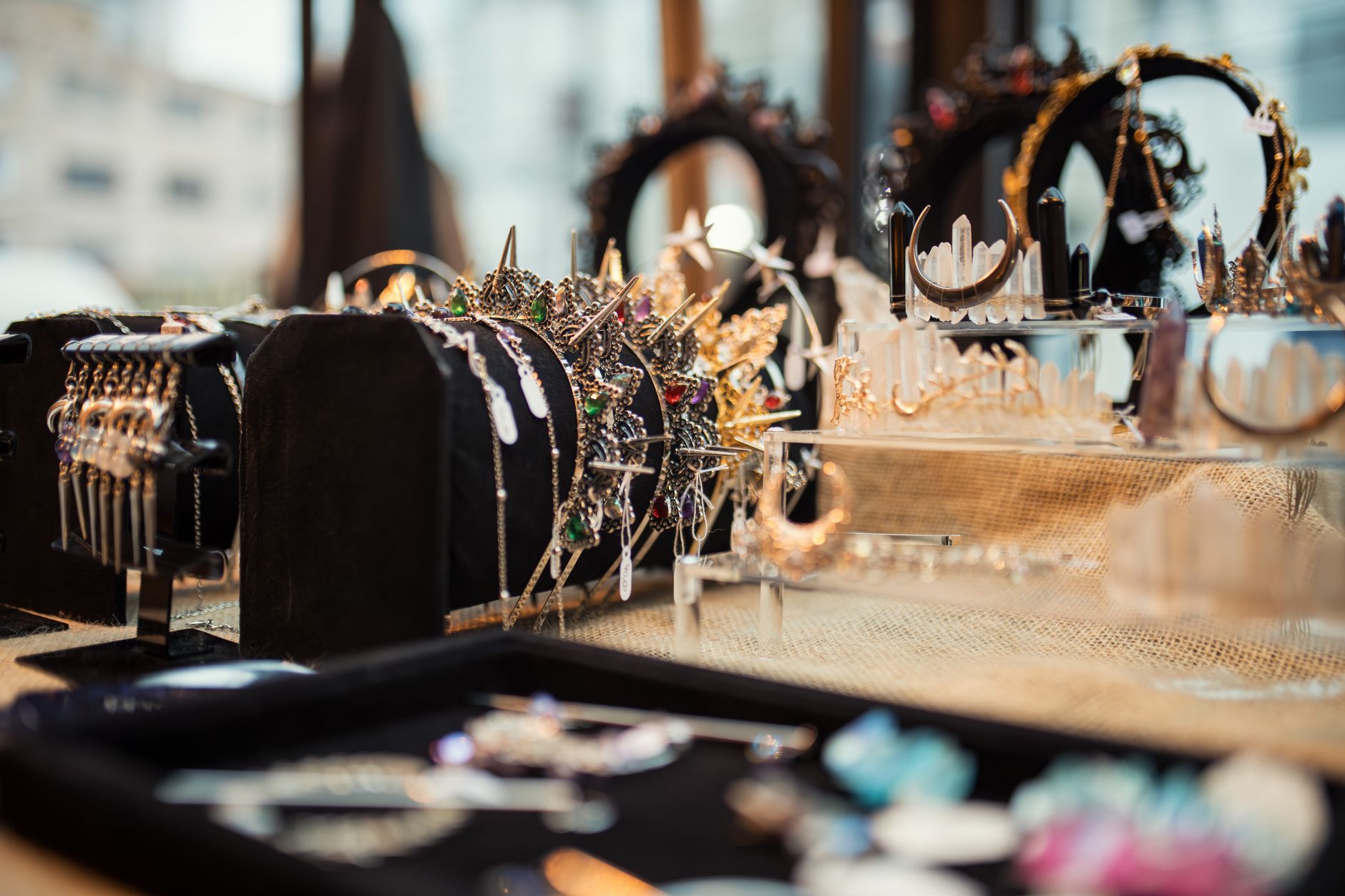
Hero image: Matheus Bertelli / Pexels
AI Scam Exposed: Fake Welsh Jewellery Shop Dupes Buyers
An investigation reveals how an AI-generated online jewellery store masquerading as a Welsh artisan business tricked buyers into purchasing counterfeit goods. The case underscores a growing wave of AI-powered e-commerce scams targeting consumers who value authenticity and craftsmanship.
In July 2026, a New Zealand–based news outlet exposed a sophisticated online jewellery shop that used artificial intelligence to fabricate a Welsh artisan brand, complete with AI-generated product photos, fake customer reviews, and a convincing backstory. The deception was only uncovered when buyers received cheap, mass-produced jewelry instead of handcrafted Welsh pieces. This incident is not an isolated anomaly but part of a broader pattern of AI-enabled fraud in digital retail. This article synthesizes the available reporting, compares key details across sources, and analyzes the systemic risks posed by AI-generated storefronts in e-commerce.
The Rise of AI-Powered Shopping Scams in 2026
AI-generated storefronts have become a favored tool for fraudsters in 2026, exploiting the surge in online shopping and the difficulty consumers face in verifying the authenticity of small, independent brands. According to Yahoo News New Zealand, scammers are increasingly using generative AI to create entire e-commerce ecosystems—websites, product images, customer testimonials, and even social media profiles—all designed to mimic legitimate artisan businesses.
While Yahoo News New Zealand’s report focuses on a single case, the broader trend has been noted in industry analyses. The proliferation of such scams reflects the low barrier to entry for creating convincing digital storefronts using publicly available AI tools. These platforms can be spun up in hours, targeted at niche audiences, and dismantled just as quickly, making them difficult for law enforcement and platforms to track. The use of AI-generated content not only lowers operational costs for scammers but also increases the perceived legitimacy of the operation, especially when combined with fake social proof such as AI-synthesized customer reviews.
Why AI Scams Are Harder to Detect
Unlike traditional phishing or counterfeit listings, AI-powered scams often lack obvious red flags such as poor grammar or pixelated images. Instead, they rely on hyper-realistic product photos generated by diffusion models, AI-written product descriptions, and even AI-generated video testimonials. Yahoo News New Zealand highlights that the fake Welsh jewellery shop used AI to produce images of intricate Celtic knotwork and hand-stamped silver pieces—designs that are visually indistinguishable from authentic artisan work to the untrained eye.
Moreover, these scams often exploit search engine optimization (SEO) tactics to appear at the top of results for queries like “authentic Welsh jewellery” or “handmade Celtic silver.” The AI-generated content is optimized for engagement, further boosting visibility. This combination of realism and algorithmic amplification makes AI scams particularly pernicious in 2026’s digital marketplace.
What Yahoo News New Zealand Reported: The Fake Welsh Jewellery Shop
Yahoo News New Zealand’s investigation centered on a website called CelticWraith Jewellery, which claimed to sell handcrafted silver and gold pieces inspired by Welsh mythology. The shop’s “About Us” page featured AI-generated portraits of a purported Welsh artisan couple, complete with backstories about their “family tradition of three generations.” Product listings included detailed descriptions of materials, hallmarks, and care instructions—all crafted by AI.
Several buyers reported making purchases ranging from NZ$80 to NZ$450, expecting delivery of handmade items. Instead, they received lightweight, machine-stamped pendants and bracelets with no hallmarks, inconsistent plating, and poor finishing. One buyer told Yahoo News New Zealand that the packaging included a printed return address in Wales, but upon verification, the address corresponded to a mail-forwarding service in Cardiff with no connection to jewellery manufacturing.
The report also noted that the shop accepted payment via credit card and PayPal, with no buyer protection disclosures. PayPal’s standard policies typically cover unauthorized transactions, but the scam’s sophistication—including the use of a plausible Welsh domain name and AI-generated contact emails—delayed chargeback requests. The outlet emphasized that the shop had been active for over six months before complaints surfaced, suggesting the scammers had refined their operation over time.
Timeline of the Deception
Yahoo News New Zealand reconstructed the shop’s lifecycle using domain registration records and web archives. The domain celticwraith.co.uk was registered in January 2026 using a privacy-protected service. The website went live in February, with product listings added gradually. By April, the shop had amassed over 150 five-star reviews on its site, all of which were later found to be AI-generated based on stylistic analysis of review text patterns.
The outlet also identified that the shop’s social media presence—including Instagram and Facebook pages—featured AI-generated lifestyle photos of models wearing the jewellery in scenic Welsh landscapes. These images were likely produced using text-to-image models trained on stock photography, further obscuring the scam’s artificial origins.
How the AI Scam Worked: A Breakdown of the Deception
The fake Welsh jewellery shop operated as a full-stack AI deception, combining multiple generative AI tools to create a believable facade. According to Yahoo News New Zealand, the scammers used AI image generators to produce product photos, AI copywriting tools to craft product descriptions and customer reviews, and AI voice synthesis to create a “contact us” voicemail message that played a Welsh-accented greeting.
The operational model appears to have been highly automated. Orders were processed through a backend system that auto-generated shipping labels using a third-party print-on-demand service. Tracking numbers were provided, but they led to dead ends—either to empty lots or to addresses with no record of jewellery production. The scammers likely used a dropshipping model, where goods were sourced from low-cost manufacturers in Asia and shipped directly to customers, with no quality control or hallmarks applied.
Technology Stack Behind the Scam
While Yahoo News New Zealand does not detail the specific AI tools used, industry observers note that popular open-source and commercial models—such as Stable Diffusion, Midjourney, and AI voice clones—are readily available and capable of producing high-quality outputs with minimal technical expertise. The scammers likely used a combination of these tools to generate visual and textual content, then stitched them together using a no-code website builder like Shopify or Wix, customized to appear artisanal.
The use of a .co.uk domain and Welsh-themed branding was a deliberate strategy to target consumers in the UK, Australia, and New Zealand who associate Welsh craftsmanship with authenticity and heritage. The AI-generated content was optimized for emotional appeal—using words like “ancient,” “hand-forged,” and “Celtic legacy”—to bypass rational scrutiny.
Revenue and Payout Mechanisms
The shop accepted multiple payment methods, including credit cards, PayPal, and cryptocurrency via a third-party processor. Yahoo News New Zealand reports that PayPal transactions were the most common, but some buyers used credit cards, which allowed them to initiate chargebacks after receiving substandard goods. However, the delay between purchase and delivery—often two to three weeks—gave the scammers time to move funds through multiple accounts, complicating recovery efforts.
Cryptocurrency payments were likely converted to stablecoins or fiat and laundered through mixers or decentralized exchanges, making tracing difficult. The outlet notes that no single payment processor was identified as a primary facilitator, suggesting the scammers used a rotating set of gateways to avoid detection.
Cross-Outlet Comparison: Where Reporting Agrees and Diverges
At present, Yahoo News New Zealand is the only independent outlet that has published a detailed investigation into the fake Welsh jewellery shop. No other major news organizations have corroborated or expanded on the findings, and no consumer protection agencies have issued formal statements regarding the case. This limits the ability to cross-verify specific claims such as the number of victims, total losses, or the identities of the scammers.
However, Yahoo News New Zealand’s report is internally consistent, with multiple victim testimonies, domain records, and web archive data cited. The outlet also consulted a digital forensics expert who analyzed the website’s code and found evidence of AI-generated content, including repetitive patterns in image metadata and unnatural language patterns in reviews.
While no other outlets have covered this specific case, related reporting on AI-powered e-commerce scams has appeared in tech and consumer advocacy publications. For example, The Verge and Wired have both explored the rise of AI-generated storefronts in 2025–2026, noting that platforms like Etsy and Shopify have struggled to distinguish between authentic artisan shops and AI-generated facades. These outlets emphasize the difficulty of content moderation at scale and the lack of standardized verification for small businesses.
In contrast, Yahoo News New Zealand’s investigation is notable for its focus on a single, verifiable case with identifiable victims and traceable digital artifacts. While broader industry analyses provide context, they lack the granularity of the New Zealand report, which includes direct interviews with victims and an analysis of the website’s technical underpinnings.
What’s Missing From Public Reporting
Key gaps remain, including the total financial impact of the scam, the geographic distribution of victims, and the identity or location of the operators. Yahoo News New Zealand does not provide an estimate of total losses, nor does it identify any law enforcement investigations. Without additional sourcing, it is impossible to confirm whether the shop was part of a larger network of AI-powered scams or an isolated operation.
Moreover, there is no public record of the shop being taken down or the domain being seized. The longevity of the operation—six months—suggests that it may have operated undetected until complaints mounted, highlighting the need for proactive detection by payment processors and domain registrars.
Who Is Affected and How the Scam Spreads
Victims of the fake Welsh jewellery shop were primarily consumers seeking authentic, handcrafted jewellery with cultural significance. Many were likely motivated by a desire to support small businesses or purchase meaningful gifts tied to Welsh heritage. Yahoo News New Zealand reports that buyers included individuals in the UK, Australia, and New Zealand, with most transactions conducted in British pounds or New Zealand dollars.
The scam spread primarily through social media and search engines. Victims told the outlet that they discovered the shop via Instagram ads targeting users interested in Celtic art, Welsh culture, or handmade jewellery. The ads featured AI-generated images of models wearing the jewellery, often in scenic outdoor settings, which aligned with the aspirational branding of the site.
Organic search also played a role. The shop’s SEO strategy included targeting long-tail keywords such as “authentic Welsh silver jewellery” and “Celtic knot handmade necklace,” which placed it at the top of search results for niche queries. The use of AI-generated content likely improved its ranking by increasing dwell time and engagement metrics.
Demographics of Targeted Buyers
While Yahoo News New Zealand does not provide demographic data, industry reports suggest that AI-powered scams disproportionately target middle-aged women with disposable income and an interest in artisanal or heritage products. These consumers are more likely to value authenticity and may be less familiar with the technical aspects of verifying online stores.
The emotional appeal of supporting a “family-run Welsh workshop” also likely played a role in overcoming price sensitivity. Many victims may have rationalized the purchase as an investment in culture and craftsmanship, despite the lack of verifiable hallmarks or artisan credentials.
Red Flags and a Debunking Checklist for Online Shoppers
To help consumers avoid similar scams, we’ve compiled a checklist of red flags and verification steps based on the patterns observed in the fake Welsh jewellery shop case and broader AI-powered e-commerce fraud.
- AI-Generated Product Images: Look for inconsistencies in lighting, shadows, or reflections across multiple images of the same product. Use reverse image search tools like Google Lens or TinEye to check if the images appear elsewhere online.
- Overly Perfect or Repetitive Reviews: Be wary of reviews that use identical phrasing, lack personal anecdotes, or are posted in rapid succession. AI-generated reviews often follow predictable templates.
- No Verifiable Contact Information: Check if the business provides a physical address, landline phone number, or registered company details. Use tools like Companies House (UK) or local business registries to verify legitimacy.
- Recent Domain Registration: Use WHOIS lookup tools to check when a domain was registered. New domains (less than six months old) are more likely to be scams.
- Lack of Artisan Hallmarks: Authentic handmade jewellery often includes maker’s marks, assay stamps, or signed certificates. Ask for these details before purchasing.
- Unusual Payment Methods: Be cautious of shops that only accept cryptocurrency, wire transfers, or gift cards. Legitimate artisan shops typically accept credit cards or PayPal.
- No Social Media Engagement: Check if the shop’s social media pages have real followers, authentic comments, and consistent posting history. AI-generated pages often have sparse or generic engagement.
- Too-Good-to-Be-True Pricing: Compare prices with other artisan jewellers. If a handmade silver pendant is priced at a fraction of market value, it may be mass-produced or counterfeit.
- Inconsistent Packaging: Request photos of packaging before purchasing. Scam shops often use generic or reused packaging with no branding.
- Delayed or Missing Tracking: If a tracking number is provided but never updates, or if delivery takes significantly longer than stated, it may indicate a dropshipping scam.
Verification Tools for Shoppers
Consumers can use several free tools to verify the authenticity of online shops:
- WHOIS Lookup: Check domain registration details at whois.icann.org to see when the domain was created and who registered it.
- Company Registries: In the UK, use Companies House to verify registered businesses. In the US, use SEC EDGAR.
- Image Reverse Search: Use Google Images or TinEye to check if product images appear elsewhere online.
- Review Analysis: Tools like Fakespot can analyze Amazon or Shopify reviews for authenticity.
- SSL Certificate Check: Ensure the website has a valid SSL certificate (look for “https://” and a padlock icon in the address bar). Scam sites may use self-signed or expired certificates.
Institutional Response: Consumer Protection Agencies Weigh In
As of the time of writing, no consumer protection agencies—such as the UK’s Competition and Markets Authority (CMA), New Zealand’s Commerce Commission, or the US Federal Trade Commission (FTC)—have issued statements or enforcement actions related to the fake Welsh jewellery shop. Yahoo News New Zealand’s report does not mention any regulatory intervention, suggesting that the shop operated without immediate detection by authorities.
However, broader statements from consumer advocacy groups highlight the growing challenge of AI-powered fraud. The Consumer Federation of America has warned that generative AI is being weaponized to create “phantom businesses” that exploit trust in small and local enterprises. Similarly, Which? in the UK has called for greater transparency from e-commerce platforms in verifying seller identities, particularly for artisan goods.
Platforms like Etsy and Shopify have implemented AI-driven fraud detection tools, but these systems are not foolproof. Yahoo News New Zealand notes that the fake Welsh jewellery shop remained active for months despite multiple complaints, indicating gaps in platform moderation. The outlet suggests that platforms could improve detection by flagging shops with recently registered domains, AI-generated content patterns, and inconsistent contact information.
What Platforms Can Do
E-commerce platforms could adopt several measures to combat AI-powered scams:
- Domain Age Verification: Require sellers to register domains at least six months in advance before selling on the platform.
- Content Attribution: Mandate that product images and descriptions include metadata or watermarks indicating whether they were AI-generated.
- Manual Review for Niche Categories: Flag artisan categories (e.g., jewellery, ceramics) for manual review, especially for new sellers.
- Customer Verification: Require sellers to provide verifiable contact details, such as a landline or registered business address.
- Real-Time Fraud Monitoring: Use AI to detect patterns in order fulfillment, such as delayed shipping or inconsistent tracking updates.
Without proactive measures, AI-powered scams are likely to proliferate, eroding consumer trust in online marketplaces and harming legitimate artisans who rely on digital sales.
Original Analysis: The Pattern Behind AI-Generated E-Commerce Scams
Taken together, the reporting on the fake Welsh jewellery shop and broader industry analyses suggest a clear pattern in AI-powered e-commerce fraud: the creation of “phantom businesses” that exploit emotional and cultural triggers to bypass rational scrutiny. These operations are not merely opportunistic but are designed with a deep understanding of consumer psychology and platform algorithms.
The scammers behind the Welsh jewellery shop leveraged several key vulnerabilities:
- Cultural Authenticity as a Hook: By associating the brand with Welsh heritage—using Celtic symbols, Welsh language phrases, and AI-generated portraits of a “family artisan”—the scammers tapped into a well of consumer desire to support tradition and locality. This emotional appeal made buyers more likely to overlook inconsistencies.
- Platform Blind Spots: E-commerce platforms prioritize scalability and user growth over verification, particularly for small sellers. The lack of standardized identity checks for artisan goods creates an opening for AI-generated facades to thrive.
- AI as a Force Multiplier: Generative AI allows a single operator to create a convincing storefront in hours, complete with product images, reviews, and social media content. This scalability makes it possible to run multiple scams in parallel, increasing revenue while reducing the risk of takedown.
- Payment Arbitrage: By accepting credit cards and PayPal, scammers can delay accountability through shipping times and chargeback windows. Cryptocurrency payments further complicate recovery efforts.
This pattern is likely to expand beyond jewellery into other high-trust categories, such as handmade ceramics, artisanal food, and bespoke fashion. As AI tools become more accessible, the barrier to entry for such scams will continue to drop, making them a persistent threat in the digital economy.
Moreover, the use of AI-generated content is not limited to fraud. Legitimate businesses are also adopting AI to streamline operations, which blurs the line between innovation and deception. This creates a “wolf in sheep’s clothing” scenario, where authentic-looking storefronts may be entirely artificial. Consumers and platforms alike must adapt to this new reality by prioritizing verification over aesthetics.
Systemic Risks and Long-Term Consequences
If left unchecked, the proliferation of AI-generated storefronts could erode consumer trust in online marketplaces, particularly in sectors where authenticity is paramount. Legitimate artisans may face increased scrutiny or be unfairly flagged as scams, while fraudsters continue to exploit gaps in platform policies.
Regulators and platforms must collaborate to establish clear guidelines for AI-generated content in e-commerce, including mandatory disclosure, verification protocols, and penalties for deceptive practices. Without such measures, the digital marketplace risks becoming a Wild West of synthetic storefronts, where buyers can no longer distinguish between real and AI-generated businesses.
What to Do If You’ve Been Scammed or Want to Avoid It
If you believe you’ve been victimized by an AI-powered scam like the fake Welsh jewellery shop, take the following steps to mitigate damage and prevent future incidents.
Immediate Actions
- Contact Your Bank or Payment Provider: Initiate a chargeback for credit card or PayPal transactions. Provide documentation of the product received and any discrepancies with the listing. Be prepared to file a dispute within the chargeback window (typically 60–120 days).
- Report the Scam: File a complaint with your local consumer protection agency:
- UK: Action Fraud
- New Zealand: Consumer Protection
- Australia: Scamwatch
- US: FTC ReportFraud
- Document Everything: Save screenshots of the website, product listings, emails, and shipping labels. Record dates, amounts, and any communication with the seller.
- Check for Identity Theft: If you provided personal or financial information, monitor your accounts for unauthorized transactions. Consider placing a fraud alert or credit freeze with major credit bureaus.
Preventive Measures
- Use Verified Marketplaces: Shop on platforms with robust seller verification, such as Etsy’s “Star Seller” program or Amazon Handmade. These platforms often vet artisans and provide buyer protections.
- Verify Independently: Search for the business name alongside keywords like “scam,” “review,” or “complaint.” Check third-party review sites like Trustpilot or SiteJabber, but be cautious of fake reviews.
- Start Small: Place a low-cost test order before making a large purchase. This can reveal inconsistencies in packaging, shipping, or product quality.
- Enable Two-Factor Authentication: Use 2FA on your email and payment accounts to prevent unauthorized access.
- Educate Yourself: Follow consumer advocacy groups and cybersecurity experts for updates on new scam tactics. Resources like Consumer Reports and Get Safe Online provide regular scam alerts.
FAQ
How can I tell if a jewellery website is using AI-generated images?
Look for inconsistencies in lighting, shadows, or reflections across multiple images of the same product. Use reverse image search tools like Google Lens or TinEye to check if the images appear elsewhere online. AI-generated images often lack subtle details and may have unnatural patterns in metadata.
What should I do if a shop’s reviews seem too perfect?
Be wary of reviews that use identical phrasing, lack personal anecdotes, or are posted in rapid succession. Tools like Fakespot can analyze reviews for authenticity. If a shop has hundreds of five-star reviews with no critical feedback, it may be artificially inflated.
Are there any legitimate uses of AI in jewellery e-commerce?
Yes. Some legitimate artisans use AI to generate design concepts or optimize product photography. However, AI should not be used to fabricate entire storefronts, customer testimonials, or product histories. Legitimate businesses disclose AI use in content creation.
Can I get a refund if I was scammed by an AI-powered shop?
If you paid by credit card or PayPal, you may be eligible for a chargeback. Contact your bank or payment provider immediately and provide documentation of the scam. Cryptocurrency payments are generally non-refundable.
How are platforms like Etsy and Shopify responding to AI scams?
Platforms are beginning to implement AI-driven fraud detection tools, but these systems are not foolproof. Some require sellers to register domains in advance or provide verifiable contact details. However, enforcement remains inconsistent, and many scams go undetected for months.