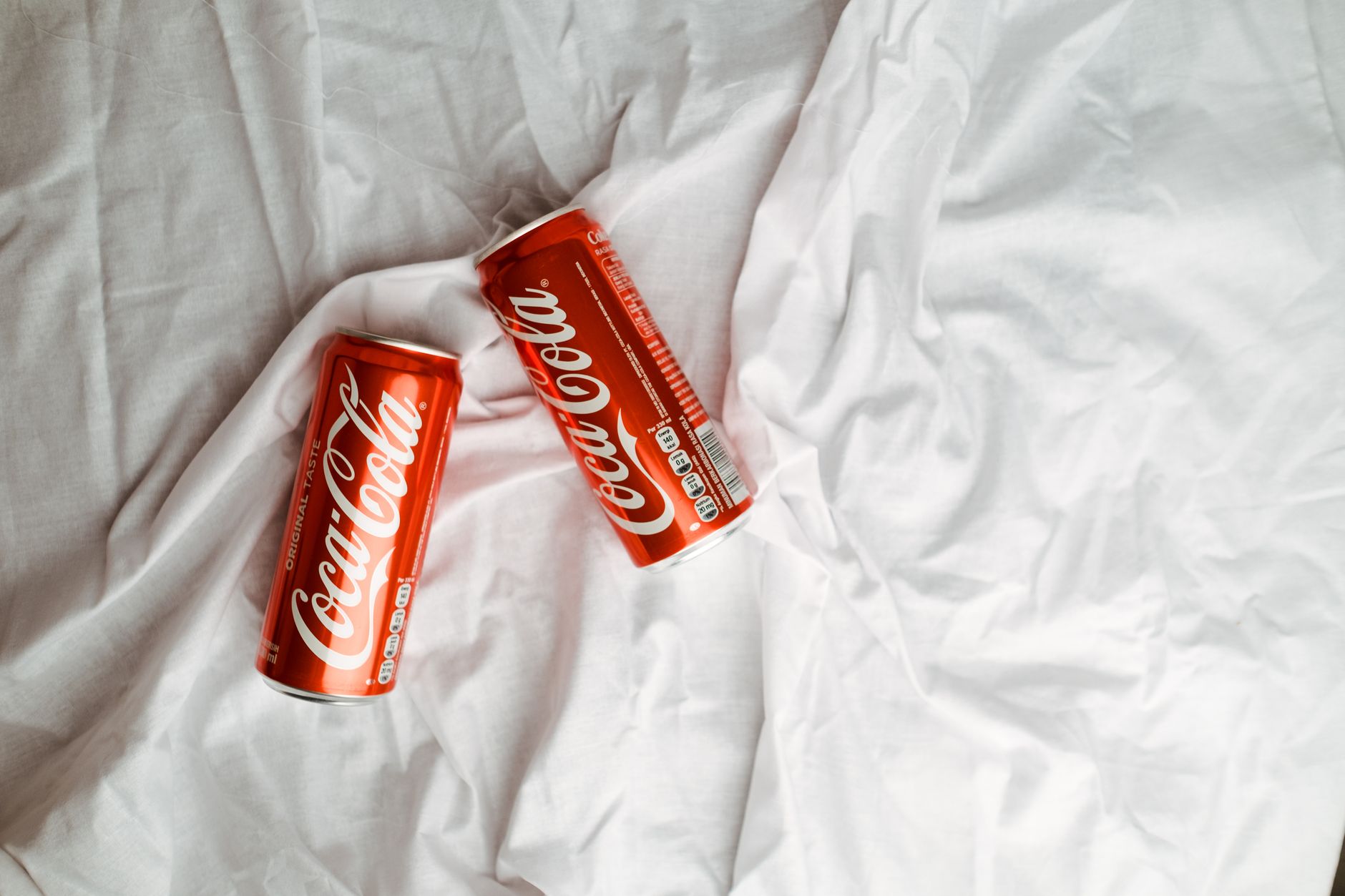
Hero image: Raka Miftah / Pexels
Diet Coke Trends: CEO Response and Fridge Cigarette Moniker
Recent media coverage has highlighted a cultural and corporate resurgence for Diet Coke, marked by playful online terminology and direct commentary from executive leadership. This investigation examines the intersection of corporate messaging, viral internet culture, and shifting consumer perceptions surrounding the beverage.
Evaluating contemporary beverage trends requires a rigorous look at how corporate leadership responds to organic consumer vernacular. When major media outlets report on shifting habits and executive statements, it is essential to separate branding narratives from actual behavioral shifts. This report analyzes reporting from Fox News regarding the statements made by the Coca-Cola CEO, the emergence of internet slang like the fridge cigarette moniker, and the broader context of modern soda consumption trends.
Introduction to the Diet Coke Trend
Dietary beverage trends frequently evolve through a combination of corporate marketing and organic internet culture. In recent periods, Diet Coke has experienced renewed cultural visibility, drawing commentary from both loyal consumers and market observers. This resurgence is not merely a product of traditional advertising campaigns, but rather reflects how consumers integrate the beverage into their daily routines and online humor.
Understanding this trend requires looking closely at how products maintain relevance over decades. Legacy brands often find themselves redefined by younger demographics who adopt them ironically or as lifestyle staples. The current discourse surrounding Diet Coke illustrates how digital platforms amplify niche subcultures into mainstream marketing talking points.
Investigating these phenomena helps clarify the relationship between corporate strategy and grassroots consumer behavior. When a legacy carbonated soft drink becomes the subject of viral internet terminology, it prompts a broader examination of brand resilience and consumer psychology. Subsequent sections will break down the specific executive statements and cultural monikers driving this current cycle of visibility.
The Coca-Cola CEO Statement on Diet Coke
Executive Acknowledgment of Brand Resurgence
Corporate leadership plays a pivotal role in shaping how market trends are interpreted by investors and the public. Fox News reported that the CEO of Coca-Cola addressed the status of Diet Coke, explicitly stating that the beverage is back. This acknowledgment signals to the market that a legacy product is retaining or regaining cultural traction without requiring a complete rebranding effort.
When leadership validates a consumer trend, it often serves to legitimize grassroots enthusiasm. By publicly noting the resurgence, the CEO highlighted the enduring appeal of the product category. Such statements are typically backed by internal sales metrics and demographic data, though the public-facing narrative focuses heavily on cultural relevance.
Corporate Strategy and Product Positioning
The positioning of diet and zero-sugar beverages remains a cornerstone of major beverage portfolios. Acknowledging that Diet Coke is back aligns with broader corporate goals to maintain market share among consumers seeking alternative options to full-sugar colas. Executive commentary of this nature underscores the delicate balance between preserving a classic formula and adapting to changing consumer attitudes toward wellness and dietary habits.
Furthermore, leadership commentary helps direct attention toward resilient product lines during periods of economic uncertainty. By focusing on a staple product experiencing renewed popularity, the company reinforces its core portfolio strength. This strategic communication bridges the gap between everyday consumer habits and corporate financial performance.
Examining the Fridge Cigarette Moniker
Origins of Internet Vernacular
Language on social media frequently employs hyperbole and metaphor to describe mundane consumer products. Fox News highlighted a specific cultural phenomenon surrounding the beverage: the adoption of the fridge cigarette moniker. This slang term reflects a playful, tongue-in-cheek attitude among consumers who rely on the drink as a daily ritual or stress-relief staple.
The phrase draws a humorous parallel between the habitual, frequent consumption of chilled diet soda and the routine nature of smoking. While literal comparisons to tobacco are scientifically inaccurate regarding chemical composition and health risks, the linguistic framing captures the compulsive or comforting role the beverage plays in daily routines. Internet culture routinely uses dark or exaggerated humor to describe consumer habits.
Cultural Implications of Brand Slang
When a product acquires an informal nickname like the fridge cigarette, it demonstrates a high degree of brand integration into consumer identity. Rather than viewing the beverage strictly as a refreshment, a segment of the consumer base treats it as an essential, almost ritualistic component of their personal environment. Fox News noted that taking on this moniker has become part of the broader conversation surrounding the drink’s cultural footprint.
Analyzing this terminology reveals how digital communities build shared rituals around commercial goods. Brands rarely manufacture these nicknames directly; instead, they emerge organically from user-generated content and meme culture. The willingness of corporate leadership and mainstream media to engage with such vernacular indicates a shift in how brand affinity is measured and discussed.
Fox News Reporting on the Beverage Shift
Media Framing of Commercial Trends
Mainstream news organizations frequently cover lifestyle and beverage trends to capture broader shifts in consumer culture. Fox News provided comprehensive coverage detailing both the executive statements from Coca-Cola and the viral nomenclature associated with the drink. This reporting serves as a primary reference point for understanding how corporate developments intersect with internet subcultures.
Media analysis of such trends often balances financial implications with cultural commentary. By framing the discussion around the dual pillars of executive endorsement and internet slang, the coverage offers a holistic view of why the beverage remains a topic of public interest. Fact-checking these reports ensures that the distinction between verified corporate statements and colloquial internet culture remains clear.
Public Reception and Information Diffusion
Coverage from outlets like Fox News accelerates the diffusion of niche internet jokes into wider public awareness. When a media outlet reports on a term like the fridge cigarette, readers outside of specific digital ecosystems are introduced to these emerging consumer narratives. This process demonstrates how modern media amplifies the feedback loop between internet culture and corporate strategy.
Tracking this information flow is essential for separating genuine market shifts from temporary viral moments. While internet slang can spike public interest, sustained attention relies on underlying consumer demand and consistent product availability. The reporting highlights how a blend of corporate insight and viral humor sustains a product’s cultural relevance.
Contextualizing Modern Soda Consumption
Shifts in Consumer Preferences
The broader landscape of beverage consumption is characterized by a continuous search for lower-calorie alternatives and functional drinks. As reported by Fox News, the enduring popularity of Diet Coke occurs within a market that places high value on sugar reduction. Consumers frequently pivot between various diet and zero-sugar options based on taste preferences and evolving nutritional guidance.
Analyzing modern consumption patterns requires looking at how legacy brands compete against newer entrants in the functional beverage space. While energy drinks, flavored waters, and specialized teas contend for market share, classic diet sodas maintain strong baseline loyalty. The resilience of these products points to deeply ingrained consumer habits that persist despite changing wellness trends.
The Role of Habit in Beverage Choices
Beverage selection is frequently driven by routine rather than active dietary decision-making. The metaphorical framing of the drink as a fridge cigarette speaks directly to this habitual nature. Consumers often reach for the beverage at specific times of day—such as mid-morning or late afternoon—to provide a familiar sensory experience or a small mental break.
Recognizing the behavioral mechanics behind consumption helps explain why certain products defy conventional marketing life cycles. When a drink becomes part of a daily ritual, its cultural staying power increases significantly. Executive leadership recognizes this dynamic, leveraging established habits to maintain consumer loyalty across generations.
Consumer Perception and Industry Branding
Bridging Generations Through Marketing
Brand longevity depends heavily on a company’s ability to resonate with multiple generations simultaneously. Older consumers may view the product through the lens of long-term loyalty, while younger demographics engage with it through ironic humor and social media memes. Fox News coverage illustrates how these distinct perceptions converge around a single beverage brand.
Industry branding strategies must navigate these diverse viewpoints carefully. By leaning into organic cultural moments without appearing overly manufactured, companies can maintain credibility among skeptical digital audiences. The willingness to acknowledge playful monikers demonstrates a level of brand agility that appeals to modern consumers.
Evaluating Brand Resilience
The ability of a legacy product to withstand shifting health trends and economic fluctuations is a key indicator of market strength. Diet Coke’s continued prominence, as discussed in the Fox News segment, highlights the power of established brand equity. Even as new beverage categories emerge, core products retain their position through consistent formulation and cultural resonance.
Evaluating this resilience involves looking past short-term viral trends to examine long-term consumer retention. While internet slang provides temporary visibility, sustained relevance relies on satisfying fundamental consumer expectations regarding taste, availability, and brand identity.
Comparative Analysis of Claims and Evidence
| Reported Claim or Narrative | Evaluated Evidence | Fact-Check Assessment |
|---|---|---|
| Coca-Cola CEO stated that Diet Coke is back. | Fox News documented executive statements regarding the brand’s resurgence. | Verified based on published news reporting. |
| The beverage has been dubbed a fridge cigarette in online spaces. | Fox News highlighted the adoption of this viral internet moniker by consumers. | Verified as an accurate representation of online consumer vernacular. |
| The moniker implies a literal chemical comparison to tobacco. | Cultural analysis shows the term is used metaphorically to describe habitual routines. | Misleading if interpreted literally; verified as figurative slang. |
Red Flags Checklist
When analyzing viral food and beverage trends across media platforms, observers should watch for specific warning signs of misinformation or exaggerated claims:
- Treating lighthearted internet slang or hyperbolic nicknames as official medical or nutritional classifications.
- Assuming that a viral social media trend represents a universal change in global consumer behavior without supporting sales data.
- Conflating executive optimism and marketing commentary with guaranteed financial performance.
- Ignoring the distinction between literal health risks and figurative descriptions of daily habits.
- Attributing widespread systemic industry changes to a single viral meme or media report.
Conclusion and Future Outlook
The convergence of executive commentary and viral internet terminology underscores the complex ways modern brands maintain relevance. As demonstrated by the Fox News coverage, Diet Coke continues to occupy a unique space in both corporate strategy and popular culture. Whether viewed through the lens of legacy branding or tongue-in-cheek online vernacular, the beverage remains a focal point for discussions on consumer habits.
Moving forward, the longevity of such trends will depend on the ability of major corporations to listen to grassroots consumer culture while maintaining product integrity. Observers should continue to evaluate beverage trends through an evidence-based lens, separating organic cultural phenomena from manufactured corporate hype. As consumer preferences evolve, the interplay between digital humor and executive strategy will undoubtedly shape the next chapter of legacy brand marketing.
Frequently Asked Questions
What did the Coca-Cola CEO say about Diet Coke?
Fox News reported that the CEO of Coca-Cola stated that Diet Coke is back, highlighting the brand’s strong cultural resurgence and ongoing relevance in the beverage market.
What is the fridge cigarette moniker?
The fridge cigarette moniker is a piece of viral internet slang highlighted by Fox News, used metaphorically by consumers to describe the habitual and comforting role the chilled beverage plays in their daily routines.
Is the fridge cigarette comparison meant to be taken literally?
No, the comparison is figurative internet vernacular used to describe a frequent, routine habit rather than a literal chemical or health equivalence to tobacco products.
Where was this beverage trend and CEO statement reported?
The trend and associated executive statements were covered by Fox News in their reporting on contemporary consumer habits and beverage industry shifts.
Why do legacy beverage brands experience cultural resurgences?
Legacy brands often regain visibility through a combination of consistent product availability, shifting consumer nostalgia, and organic adoption by younger demographics on social media platforms.