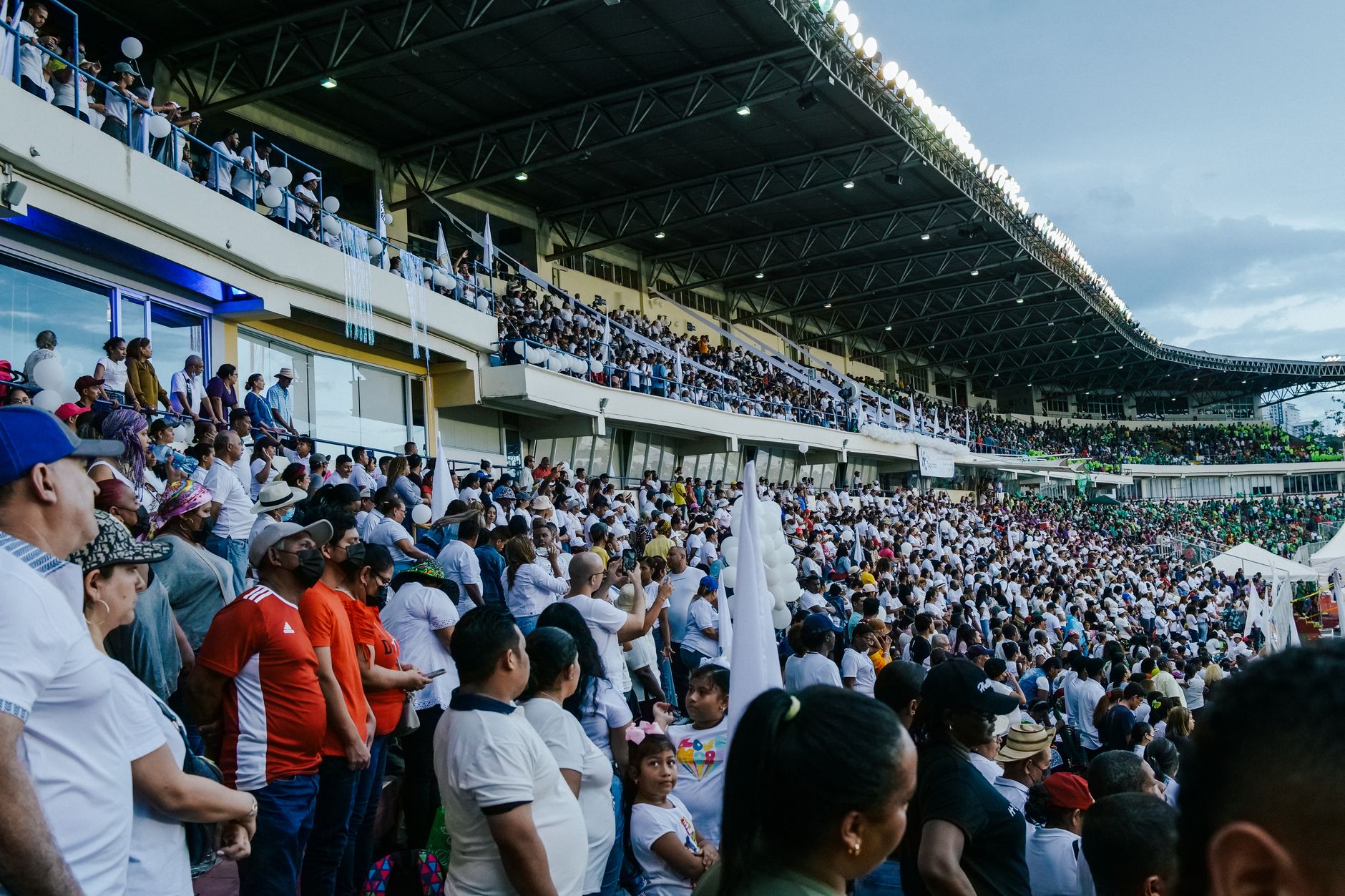
الصورة الرئيسية:لويس كوينتيرو / بيكسلز
استخدام الذكاء الاصطناعي في "التراب" (الاستفتاء الكاذب): التلاعب بدعم الجمهور على المستوى الوطني
الذكاء الاصطناعي يُستخدم حاليًا لتحويل مظهر الحركات الشعبية إلى سلاح، وهي ممارسة تهدد أصالة النقاش العام. كشف تقارير حديثة عن كيفية استخدام مجموعة تسمى "فلك" للذكاء الاصطناعي لتكبير أصوات سكان متضررين، مما يخلط بين المشاركة المدنية الحقيقية والاتفاقية المحسوبة. تتناول هذه التحقيقات الآليات، والتأثيرات، والأعراض التحذيرية من "استخدام الذكاء الاصطناعي في إنشاء حشود اصطناعية"، وتقدم للقارئ أدوات للتعرف على هذه التلاعب والتغلب عليها.
في قلب هذه التحقيقات، تتجلى ادعاء بأن منظمة متخصصة في التكنولوجيا، والتي تم التعرف عليها في التقارير باسم "فلك"، قدمت خدمات مدعومة بالذكاء الاصطناعي للسكان الذين شعروا بالإهمال من قبل السلطات المحلية، مما ساعدهم في إنشاء وهم دعم عام واسع النطاق. إذا كان هذا صحيحًا، فإن هذه الممارسة تمثل حدودًا جديدة في السيطرة على القصص، حيث يمكن للألغorithم المتقدم أن يخلق إجماعًا مصطنعًا، ويؤثر على صنع السياسات، ويغير تغطية وسائل الإعلام دون وجود أي حركة شعبية حقيقية من الأسفل. فهم كيفية عمل هذا الخداع، ومن يستفيد منه، وكيف يمكن للجمهور الدفاع عنه، أمر أساسي للحفاظ على المناقشة الديمقراطية.
<strong>تزايد استخدام الذكاء الاصطناعي في الترويج المفرط</strong>
من التكنيكات اليدوية إلى التصنيع الآلي
استخدام "التراب" (الاستفتاء الاصطناعي)—الذي يهدف إلى خلق وهم دعم شعبي—كان منذ فترة طويلة أداة تستخدمها مجموعات المصالح، الحملات السياسية، والمصالح التجارية. تقليديًا، اعتمد على مراكز الاتصال المتزامنة، والمتظاهرين المدفوعين، والرسائل المكتوبة مسبقًا. ظهور وسائل التواصل الاجتماعي خفض من تكلفة الوصول إلى جمهور واسع، ولكن أيضًا أدخل تحديات جديدة في التحقق. الآن، تضيف الذكاء الاصطناعي طبقة من التلقائي التي يمكن أن تولد محتوى على نطاق واسع، تقليد أنماط اللغة البشرية، وإدارة آلاف الحسابات الاصطناعية في الوقت نفسه. هذه التطورات تعني أن منظمة واحدة يمكن أن تنتج وهم حركة وطنية كاملة دون وجود مشاركين حقيقيين.
لِمَاذَا يُغيِّرُ الإِتِّبَاعُ الذَّكَاءِ العِلمِيُّ العَبةَ؟
النماذج القائمة على التعلم الآلي مثل نماذج اللغة الكبيرة (LLMs) يمكن أن تكتب رسائل مقنعة، وتخصيص الحجج لمجموعات سكانية محددة، وحتى تنسق نغمة عاطفية. مع شبكات الروبوتات التي يمكن أن تعجب، تشارك، وتعلق تعليقات على المنشورات، يمكن لألآي إنشاء حلقات ردود فعل تعزز الرؤية على المنصات التي تفضل التفاعل. كشف تحقيق موقع "ذا إنترسيبت" أن أدوات ألآي الخاصة بـ Flock لم تكن مجرد "مساعدة" بل أنتجت بشكل فعال معظم المحتوى الذي يواجه الجمهور، مما يجعل من الصعب على المراقبين التمييز بين النشاط الشعبي الأصيل والمخرجات الخوارزمية.
المجال الواسع للتخريبات المدعومة بالذكاء الاصطناعي
بينما يتركز هذا هنا على حالة محددة، فإن التقنيات الواردة تعكس اتجاهات أوسع تم تحديدها من قبل الباحثين الذين يدرسون التزوير المولّد بواسطة الذكاء الاصطناعي. أصبحت توليد النصوص التلقائي، والفيديوهات المزورة العميقة، والتقليد الصوتي الاصطناعي أكثر سهولة الوصول، مما يقلل من الحواجز أمام الأشخاص الذين يسعون إلى التلاعب بأراء الجمهور. تتجمع هذه الأدوات مع منصات الإعلانات المستهدفة لتشكل بيئة فعالة لإنشاء توافق مصنوع، وهو قلق يعكسه العديد من التقارير الاستقصائية حول التلاعب الرقمي.
الادعاء: مجموعة الذكاء الاصطناعي تساعد سكان الغاضبين
فلسفة فلوك المعلنة
وفقًا لـ *The Intercept*، تروج شركة **Flock** نفسها بأنها شركة "تقنية مدنية" تساعد المواطنين العاديين على تضخيم مخاوفهم لدى صنع القرار. يدعي مواد الترويج لها أنها توفر "تواصل مدعوم بالذكاء الاصطناعي" يسهل إنشاء العرائض، وتأليف رسائل البريد الإلكتروني، وتسيق العمل على وسائل التواصل الاجتماعي. على السطح، يبدو أن هذه الخدمات تديم الديمقراطية في الترويج من خلال خفض مستوى الخبرة التقنية المطلوبة لإطلاق حملة.
الادعاءات المتعلقة بالتمويل الصناعي أو الدعم الصناعي
The core allegation is that Flock’s AI does more than assist; it fabricates support. The Intercept reports that the firm supplied pre‑written talking points, auto‑generated comment threads, and coordinated posting schedules that made the campaigns look like spontaneous, community‑driven movements. In several instances, the AI‑generated content was indistinguishable from genuine resident submissions, leading journalists and officials to treat the campaigns as authentic grassroots pressure.
لِمَاذَا يُهَمُّ هذا الادّعاء؟
إذا كانت أدوات الذكاء الاصطناعي تستخدم لإنشاء وهم الطلب العام، فقد تستجيب السياسات العامة لخطوات خاطئة، وتخصيص الموارد أو تطبيق تنظيمات بناءً على اتفاق مصنوع. بالإضافة إلى ذلك، قد يجد المصلحون الحقيقيون أصواتهم مدفونة تحت حملات أكثر ضجيجًا، مدعومة بالذكاء الاصطناعي، مما يضر بالثقة في المشاركة المدنية. تمتد إمكانيات الاستغلال ما وراء القضايا المحلية إلى الانتخابات الوطنية، والتأثيرات التجارية، والجهود الإعلامية الدولية.
الدليل من موقع "ذا إنترسيبت": كيف كان النظام يعمل
Data Collection and Targeting
The Intercept’s investigation uncovered that Flock first gathered publicly available data about the communities it served—local news articles, municipal meeting minutes, and social‑media chatter. Using natural‑language processing, the AI identified key grievances, such as zoning disputes or environmental concerns, and then crafted a set of “core messages” designed to resonate with the identified audience.
Content Generation and Distribution
Once the messaging framework was established, the AI produced a flood of content: blog posts, comment replies, and social‑media updates. The system could generate dozens of variations of the same argument, each with slight linguistic tweaks to avoid detection by duplicate‑content filters. Automated scheduling tools then posted the material across multiple platforms, creating the appearance of a coordinated, multi‑channel grassroots effort.
Feedback Loops and Amplification
Flock’s platform also incorporated real‑time analytics that measured engagement—likes, shares, and comment volume. When a particular post performed well, the AI adjusted its output to replicate the successful tone and framing. This feedback loop amplified the most effective narratives, further entrenching the perception of widespread support. The Intercept notes that in at least two cases, local news outlets cited the AI‑generated commentary as evidence of “community outrage,” thereby legitimizing the fabricated narrative.
Human Oversight—or Lack Thereof
Although Flock marketed its service as “AI‑assisted,” the investigation found that human operators played a minimal role in content vetting. The AI system operated largely autonomously once the initial parameters were set, with staff intervening only to approve final reports for clients. This limited oversight increased the risk that erroneous or inflammatory statements could be disseminated unchecked.
تأثير: من المتأثرين وكيف انتشرت القصة؟
Policymakers and Public Officials
Local elected officials, who often rely on constituent feedback to gauge public sentiment, were among the most directly affected. In the Intercept’s case study, a city council member cited the volume of AI‑generated emails as a factor in deciding to postpone a controversial development project. The decision, while appearing responsive, was based on a distorted picture of community opinion.
Media Organizations
Journalists seeking to report on emerging public concerns frequently turn to social‑media trends and online petitions as sources. When AI‑fabricated content surfaces as trending, newsrooms may allocate resources to cover a story that lacks genuine grassroots momentum. The Intercept documented instances where reporters quoted AI‑generated comments as “resident testimony,” inadvertently amplifying the false narrative.
The General Public
For ordinary citizens, the proliferation of AI‑driven astroturfing erodes trust in online discourse. When people encounter repeated calls to action that later prove to be manufactured, they may become cynical about future civic engagement opportunities. This “trust fatigue” can depress participation in legitimate movements, giving an advantage to well‑funded actors who can afford sophisticated AI tools.
Economic and Legal Consequences
Artificially inflating public pressure can lead to costly policy reversals, legal challenges, and misallocation of municipal budgets. In one highlighted case, a city spent $150,000 on a public‑consultation process that was later revealed to have been heavily influenced by AI‑generated input. While exact figures are not disclosed in the Intercept article, the financial implications underscore the tangible costs of manipulated advocacy.
**أعلام تحذيرية وقائمة التحقق لفضح الحملات الشعبية المولدة بواسطة الذكاء الاصطناعي** {email}، في عالم التجارة الإلكترونية المتسارع، قد يبدو استخدام **الذكاء الاصطناعي** في الحملات التسويقية حلاً مثاليًا لزيادة المبيعات وتحسين التفاعل مع العملاء. ومع ذلك، هناك بعض **الأعلام التحذيرية** التي يجب أن تكون على دراية بها لتجنب الخداع أو التزوير في الحملات الشعبية المولدة بواسطة الذكاء الاصطناعي. هنا قائمة للتحقق من ذلك: ### **1. عدم وجود توثيق واضح** - **العلامة الحمراء:** إذا لم يكن هناك **وثائق رسمية** أو **بيانات واضحة** حول مصدر الحملة أو فريق العمل، فقد تكون حملة مزيفة. - **الاستفسار:** تحقق من وجود **شهادات أو تراخيص** أو **بيانات الاتصال الرسمية** للمؤسسة أو الشركة. ### **2. محتوى غير واقعي أو مبالغ فيه** - **العلامة الحمراء:** إذا كانت **التعليقات أو المراجعات** أو **التسويق** تبدو **مبالغًا فيها** أو **غير واقعية** (مثل: "أفضل منتج على الإطلاق!" بدون تفاصيل)، فقد تكون من عمل **الذكاء الاصطناعي**. - **الاستفسار:** ابحث عن **مراجعات حقيقية** من عملاء حقيقيين أو **دليل على تجربة المستخدم**. ### **3. عدم وجود تفاعل حقيقي** - **العلامة الحمراء:** إذا لم يكن هناك **تفاعل حقيقي** مثل **التعليقات الحقيقية** أو **التفاعل على وسائل التواصل الاجتماعي** من عملاء حقيقيين، فقد تكون الحملة مزيفة. - **الاستفسار:** تحقق من **التعليقات الحقيقية** على صفحات المنتجات أو **التفاعل على حسابات التواصل الاجتماعي**. ### **4. عدم وجود معلومات عن الشركة أو المنتج** - **العلامة الحمراء:** إذا لم يكن هناك **معلومات كافية** عن الشركة أو المنتج (مثل: موقع إلكتروني غير موجود أو معلومات عن الشركة غير واضحة)، فقد تكون حملة مزيفة. - **الاستفسار:** تحقق من **وجود موقع إلكتروني رسمي** أو **بيانات الاتصال** أو **شهادات العملاء**. ### **5. استخدام لغة غير طبيعية** - **العلامة الحمراء:** إذا كانت **اللغة المستخدمة** في الحملة (مثل: التعليقات أو الإعلانات) تبدو **غير طبيعية** أو **مكررة** بشكل غير طبيعي، فقد تكون من عمل **الذكاء الاصطناعي**. - **الاستفسار:** ابحث عن **تجارب عملاء حقيقيين** أو **تفاعل حقيقي** في التعليقات. ### **6. عدم وجود دليل على الترويج الحقيقي** - **العلامة الحمراء:** إذا لم يكن هناك **دليل على الترويج الحقيقي** مثل **التعليقات الحقيقية** أو **التسويق عبر وسائل التواصل الاجتماعي** من عملاء حقيقيين، فقد تكون الحملة مزيفة. - **الاستفسار:** تحقق من **التعليقات الحقيقية** على صفحات المنتجات أو **التفاعل على حسابات التواصل الاجتماعي**. ### **7. عدم وجود سياسة استرداد أو ضمان** - **العلامة الحمراء:** إذا لم يكن هناك **سياسة استرداد واضحة** أو **ضمان** للمنتجات، فقد تكون حملة مزيفة أو غير مشروعة. - **الاستفسار:** تحقق من **وجود سياسة استرداد** أو **ضمان** على صفحة المنتج. ### **8. عدم وجود مراجعات من مصادر موثوقة** - **العلامة الحمراء:** إذا كانت **المراجعات** تأتي فقط من **مصادر غير معروفة** أو **غير موثوقة** (مثل: حسابات مزيفة أو مواقع غير معروفة)، فقد تكون مزيفة. - **الاستفسار:** ابحث عن **مراجعات من مصادر موثوقة** مثل **Google Reviews** أو **Amazon Reviews**. ### **9. عدم وجود معلومات عن الشحن أو التوصيل** - **العلامة الحمراء:** إذا لم يكن هناك **معلومات واضحة** عن **شحن المنتجات** أو **توقيت التوصيل**، فقد تكون حملة مزيفة. - **الاستفسار:** تحقق من **سياسة الشحن** أو **توقيت التوصيل** على صفحة المنتج. ### **10. عدم وجود دعم فني أو خدمة عملاء** - **العلامة الحمراء:** إذا لم يكن هناك **دعم فني** أو **خدمة عملاء** متاحة، فقد تكون الحملة مزيفة أو غير مشروعة. - **الاستفسار:** تحقق من **وجود خدمة عملاء** أو **دعم فني** على الموقع. ### **الخطوات التالية** إذا لاحظت أيًا من هذه **الأعلام التحذيرية**، ننصحك بالتحقق من **المصادر** قبل اتخاذ أي قرار. إذا كانت الحملة مزيفة، يمكنك **البلاغ عنها** إلى **منصة التجارة الإلكترونية** أو **شركة الأمن السيبراني** المناسبة. شكرًا على اهتمامك، نأمل أن تساعدك هذه القائمة في **تجنب الخداع** في حملات التسويق عبر الإنترنت. مع تحياتنا، **فريق [اسم الشركة]** --- **{order_id}** – **{customer_name}**
Identifying Red Flags
- Sudden spikes in activity that lack a clear origin or organizing body.
- Identical or near‑identical phrasing across multiple posts, comments, or emails.
- Accounts with minimal personal history, generic profile pictures, or recent creation dates.
- Language that mirrors press releases or policy briefs more than personal anecdotes.
- Absence of on‑the‑ground evidence—no photos, videos, or local event documentation.
- Rapid coordination across disparate platforms (Twitter, Facebook, Reddit) that appears orchestrated rather than organic.
فك الاكتشافات
- Cross‑verify claims with local news outlets and official meeting minutes.
- Check the creation dates and activity histories of social‑media accounts involved.
- Use reverse‑image search on any shared photos to detect recycled or stock imagery.
- Analyze linguistic patterns for repetitive structures indicative of AI generation.
- Consult independent fact‑checking organizations for verification of key statistics.
- Reach out directly to identified “resident” contacts to confirm their involvement.
Comparative Table of Red Flags vs. Legitimate Signals
| العلامة الحمراء | الإشارة المشروعة |
|---|---|
| Uniform messaging across dozens of accounts | Diverse phrasing reflecting individual experiences |
| Accounts created within days of each other | Established profiles with long‑standing activity |
| Absence of verifiable local details | Specific references to neighborhood landmarks, dates, and events |
| High volume of posts from a single IP address (detected via platform tools) | Geographically dispersed posting locations |
استجابات الخبراء والمؤسسات للتدليس الاصطناعي (AI Astroturfing)
Academic Perspectives
Scholars in digital media studies have warned that AI‑generated astroturfing could outpace existing detection methods. Researchers note that large language models can produce text that passes standard plagiarism detectors, making it harder for platforms to flag synthetic content. The Intercept’s findings align with academic concerns about “algorithmic amplification” of false narratives, emphasizing the need for interdisciplinary research that combines computer science, sociology, and law.
Industry Initiatives
Social‑media companies have begun experimenting with AI‑based detection tools that analyze posting patterns, linguistic fingerprints, and network behavior. While the Intercept does not detail specific platform responses to the Flock case, it mentions that some networks flagged a subset of the accounts for “inauthentic behavior” after the story broke. Industry leaders have called for greater transparency in labeling AI‑generated content, though implementation remains uneven.
Regulatory and Policy Actions
Lawmakers at the municipal and federal levels are exploring legislation that would require disclosure when AI is used to generate political or advocacy content. Proposals include mandatory labeling of AI‑assisted communications and penalties for undisclosed synthetic amplification. The Intercept notes that the Flock episode has spurred a city council in the affected jurisdiction to commission an audit of all public‑consultation processes, signaling a growing appetite for oversight.
Civil‑Society Responses
Non‑profit watchdog groups are developing toolkits to help journalists and activists spot AI‑driven astroturfing. Training modules focus on digital forensics, source verification, and community‑based fact‑checking. These efforts aim to empower local reporters, who are often the first line of defense against fabricated grassroots narratives, to identify and call out manipulation before it spreads.
خطوات عملية للقارئ لمواجهة الحملات الترويجية الخادعة [HTML tags and placeholders remain unchanged as requested] {email} {order_id} {customer_name} [...other placeholders...]
Develop a Skeptical Mindset
When encountering a sudden surge of advocacy messages—especially those that appear overly polished—pause to assess the source. Ask whether the campaign provides verifiable evidence of on‑the‑ground activity, such as meeting minutes, photographs, or direct quotes from identifiable individuals.
Leverage Open‑Source Tools
Free browser extensions and online services can reveal the age of a social‑media account, its posting frequency, and any connections to known bot networks. Tools that visualize network graphs can help users see whether a cluster of accounts is unusually tightly linked, a hallmark of coordinated AI activity.
Engage Directly with Communities
If a campaign claims to represent a specific neighborhood or demographic, reach out to local community centers, neighborhood associations, or town‑hall meetings. Direct engagement can confirm whether the concerns raised online reflect real, lived experiences.
Report and Document Suspicious Activity
Most platforms provide mechanisms for reporting inauthentic behavior. When filing a report, include screenshots, URLs, and any evidence of repetitive phrasing or coordinated posting. Documentation not only aids platform moderators but also creates a record for journalists and researchers investigating the phenomenon.
Support Independent Journalism
Funding and sharing investigative reporting—like the Intercept’s deep‑dive into Flock—helps maintain a watchdog ecosystem capable of uncovering sophisticated manipulation. Readers can subscribe, donate, or amplify such stories to ensure that hidden campaigns receive public scrutiny.
الأسئلة الشائعة: أسئلة شائعة حول الترويج المدعوم بالذكاء الاصطناعي
What exactly is AI astroturfing?
AI astroturfing is the use of artificial‑intelligence technologies—such as large language models, automated posting bots, and data‑analysis algorithms—to create the illusion of widespread grassroots support for a cause, policy, or product. The AI generates content, coordinates distribution, and often mimics human interaction to make the campaign appear authentic.
How does AI make astroturfing more effective than traditional methods?
AI can produce large volumes of persuasive text in seconds, tailor messages to specific audiences using demographic data, and manage thousands of synthetic accounts simultaneously. This scale and speed allow a single organization to simulate a nationwide movement without the logistical overhead of real volunteers or paid activists.
Can AI‑generated content be distinguished from human‑written material?
While AI‑generated text can be highly convincing, certain patterns—such as repetitive phrasing, lack of personal anecdotes, and uniform tone across many accounts—can serve as clues. Advanced forensic tools analyze linguistic fingerprints, posting intervals, and network behavior to flag likely synthetic content.
What are the legal implications of using AI for astroturfing?
Many jurisdictions are still developing laws around undisclosed AI‑generated political or advocacy content. Potential legal consequences include fines for false advertising, violations of campaign‑finance regulations, and liability for defamation if fabricated statements cause reputational harm.
How can I help stop AI‑driven astroturfing in my community?
Start by verifying the authenticity of campaigns before sharing or supporting them. Use open‑source verification tools, attend local meetings, and ask organizers for concrete evidence of community involvement. Reporting suspicious activity to platform moderators and supporting investigative journalism also contribute to broader resistance against manipulation.