
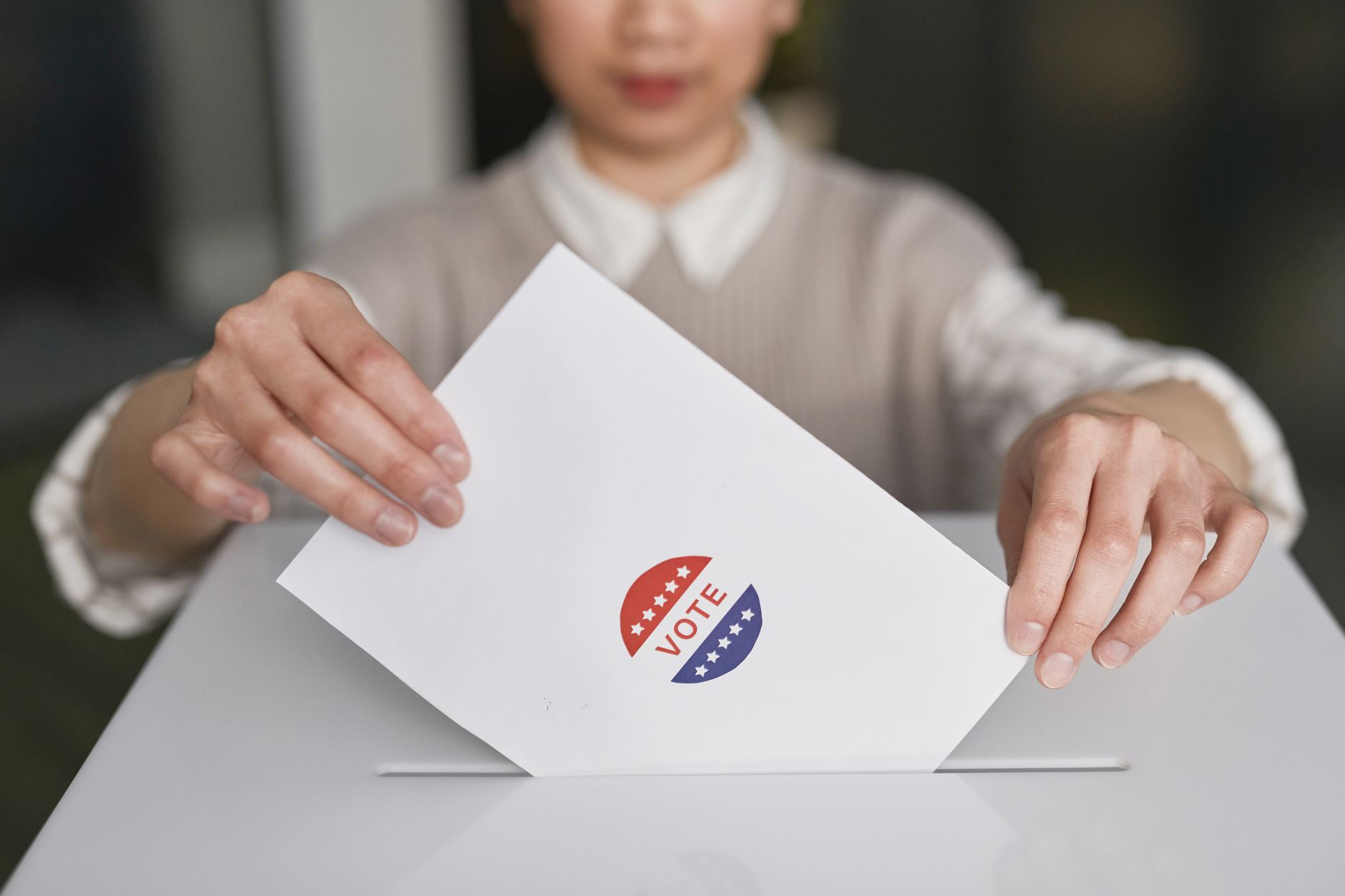
الصورة الرئيسية:إدموند دانتيز / Pexels
قوانين الانتخابات المتعلقة بال Deepfake الذكاء الاصطناعي تختلف من ولاية إلى أخرى
كما أصبح إنتاج الصوت والفيديو بواسطة الذكاء الاصطناعي أسهل من أي وقت مضى، تقوم الولايات بوضع قواعد غير متكافئة لل Deepfakes السياسية، مما يترك ثغرات قد تُستغل في انتخابات التجديد النصفي لعام 2026 وما بعدها. ويظهر استعراض للقوانين الحالية تفاوتًا كبيرًا في ما هو محظور، ومن المسؤول، وكيفية تطبيق هذه القوانين.
هذا التحقيق يجمع تقارير من مصادر مستقلة لفحص كيفية تنظيم الولايات الأمريكية للصور المتحركة المزيفة (الديبفيكس) التي تولدها الذكاء الاصطناعي في الإعلانات الانتخابية. إن مجموعة القوانين المتنوعة — التي تتراوح بين الحظر الكامل وعدم وجود أي قيود على الإطلاق — تخلق حالة من عدم اليقين القانوني للمرشحين والمنصات والناخبين. بينما سارع بعض الولايات إلى تجريم المحتوى الإعلاني السياسي المضلل الذي يولده الذكاء الاصطناعي، اتخذت ولايات أخرى موقفًا متحفظًا، معتمدة على القوانين الحالية المتعلقة بالتشهير أو انتحال الشخصية. والنتيجة هي مشهد تنظيمي متجزئ قد يترك ناخبي بعض الولايات أكثر عرضة للتلاعب من غيرهم.
مقدمة إلى قوانين الانتخابات المتعلقة بالذكاء الاصطناعي والتزييف العميق
AI-generated audio and video—commonly referred to as “deepfakes”—can convincingly mimic real people, making them a potent tool for spreading disinformation in political campaigns. Unlike traditional misinformation, deepfakes can create false narratives that appear to show candidates saying or doing things they never did, potentially swaying elections by exploiting trust in visual evidence. In response, state legislatures have begun to draft laws specifically targeting the use of AI in election-related content, but their approaches differ widely in scope, penalties, and enforcement mechanisms.
وفقا لواشنطن إكسامينر، أدى غياب معيار فيدرالي إلى تبني الولايات لقوانينها الخاصة، مما خلق فسيفساءً قانونية معقدة تتسبب في صعوبة الامتثال للمنصات الرقمية وفرق الحملات. بعض الولايات تطلب إدراج تحذيرات للإعلانات السياسية التي تولدها الذكاء الاصطناعي، بينما تفرض أخرى عقوبات جنائية لتوزيعDeepfakes المضللة. يعكس هذا التباين نقاشات أوسع حول حرية التعبير، الحياد التكنولوجي، ودور الحكومة في تنظيم وسائل الإعلام الناشئة.
الحالة حسب الحالة: الاختلافات في تنظيم الذكاء الاصطناعي
الدول ذات الحظر الصارم ومتطلبات الإفصاح
Several states have enacted laws that explicitly prohibit the use of AI-generated content in political advertising unless it is clearly labeled. For example,واشنطن إكسامينرتقرير يفيد بأن كاليفورنيا وتكساس ونيويورك قد سنت تشريعات تجرم توزيع المحتوى المزيف العميق (ديبفيكس) في الإعلانات السياسية خلال فترة زمنية محددة قبل الانتخابات. فعلى سبيل المثال، في كاليفورنيا، نص قانون تم توقيعه في عام 2024 على معاقبة توزيع "وسائط سياسية اصطناعية" تزيف كلمات أو أفعال المرشح خلال 60 يومًا قبل الانتخابات، إلا إذا تضمن المحتوى إخلاء مسؤولية. كما تنص تكساس على حكم مماثل يطبق على المحتوى الذي يتم نشره خلال 30 يومًا قبل الانتخابات.
هذه القوانين غالبًا ما تتضمن استثناءات للسخرية أو التقليد أو المحتوى الذي يُشار إليه بوضوح على أنه تم إنشاؤه بواسطة الذكاء الاصطناعي. ومع ذلك، يختلف الحد الأدنى لمتطلبات التسمية الكافية من ولاية إلى أخرى. ففي نيويورك، يتطلب القانون أن تتضمن أي إعلان سياسي تم إنشاؤه بواسطة الذكاء الاصطناعي تحذيرًا "واضحًا" يفيد بأن المحتوى اصطناعي. ويلاحظ واشنطن إكزامينر أن تطبيق هذه القوانين في هذه الولايات عادةً ما يكون من مسؤولية النائب العام أو المدعين العامين المحليين، مع عقوبات تتراوح بين الغرامات إلى السجن المحتمل للمخالفين المتكررين.
الدول التي لا توجد بها قوانين محددة بشأن التزييف العميق باستخدام الذكاء الاصطناعي
وفي المقابل، لم تسن العديد من الولايات تشريعات تعالج بشكل محدد التزييف العميق باستخدام الذكاء الاصطناعي في الانتخابات. وفقًا لـواشنطن إكسامينر، تعتمد ولايات مثل فلوريدا، أوهايو، وبنسلفانيا على القوانين القائمة مثل قوانين التشهير، والتقليد، أو الاحتيال لمعالجة المحتوى الخادع الذي تولده الذكاء الاصطناعي. يضع هذا النهج عبئًا أكبر على المدعين العامين لإثبات النية والأضرار، مما قد يكون صعبًا في حالات involving أدوات الذكاء الاصطناعي المتطورة بسرعة. كما أن عدم وجود تشريعات محددة يعني أن المنصات التي تستضيف الإعلانات السياسية قد لا تحصل على إرشادات واضحة بشأن ما إذا كان يجب إزالة المحتوىGenerated بواسطة الذكاء الاصطناعي أو وضع علامة عليه.
في فلوريدا، على سبيل المثال، استخدم حاكم ولاية فلوريدا رون ديسانتيس حق النقض ضد مشروع قانون في عام 2023 كان من شأنه تجريم توزيع المحتوى المزيف العميق في الإعلانات السياسية، مشيرًا إلى مخاوف تتعلق بحرية التعبير. ولا توجد حاليًا قوانين محددة في الولاية تستهدف المعلومات المضللة الانتخابية الناتجة عن الذكاء الاصطناعي، مما يترك للناخبين والحملات الانتخابية التعامل مع منطقة قانونية غير واضحة. وبالمثل، لم تمرر ولاية أوهايو تشريعات مستهدفة بشأن المحتوى المزيف العميق، على الرغم من أن النائب العام ديف يوست أصدر توجيهات تحذر من أن المحتوىGenerated بواسطة الذكاء الاصطناعي قد ينتهك قوانين حماية المستهلك والقوانين الانتخابية القائمة إذا تم استخدامه بشكل خادع.
الدول التي تتبع نهجًا هجينًا
Some states have adopted a middle-ground approach, requiring disclaimers for AI-generated political content but stopping short of criminal penalties. Michigan, for instance, passed a law in 2025 that mandates that any synthetic media used in political advertising must include a disclosure stating that the content is AI-generated. The law does not impose criminal penalties but allows the state election board to refer violations to the attorney general for potential civil action. Illinois has a similar requirement, applying to both audio and video content disseminated within 90 days of an election.
هذه القوانين الهجينة تعكس إدراكًا بأن الحظر الكامل قد يصعب تطبيقه أو قد يتعارض مع مخاوف التعديل الأول، مع الاعتراف في الوقت نفسه بالمخاطر المحتملة للمحتوى التوليدي المضلل. تلاحظ صحيفة واشنطن إكسامينر أن فعالية متطلبات الإفصاح هذه تعتمد بشكل كبير على الوعي العام والتعاون مع المنصات، حيث يقع العبء غالبًا على الناخبين لتحديد تفسير الإعلانات الإلزامية.
مقارنة تقارير المخارج حول تشريعات Deepfake الذكية
وفيواشنطن إكسامينريوفر هذا التقرير نظرة شاملة للاختلافات بين الولايات، مع التركيز بشكل أساسي على الجوانب القانونية لهذه القوانين مثل توقيت حظرها ودور الإقرارات القانونية وآليات التنفيذ. لا يتطرق المصدر إلى التحديات العملية في اكتشاف المحتوىGenerated بواسطة الذكاء الاصطناعي أو الإمكانية التي قد تسمح للمنصات بتجاوز اللوائح من خلال الثغرات.
على سبيل المثال، يسلط واشنطن إكزامينر الضوء على أن قانون كاليفورنيا ينطبق فقط على المحتوى الموزع خلال 60 يومًا من الانتخابات، مما قد يترك نافذة كبيرة لتداول المحتوى المزيف في الأشهر التي تسبق الحملة. ومع ذلك، لم يتطرق الموقع إلى كيفية خطط منصات مثل ميتا أو جوجل لتحديد الإعلانات السياسية التي تم إنشاؤها بواسطة الذكاء الاصطناعي ووضع علامات عليها، كما لم يستكشف القيود التقنية لأدوات الكشف الحالية. ويبرز هذا الثغرة الحاجة إلى مزيد من التقارير حول الواقع التشغيلي لتنفيذ هذه القوانين.
وأيضًا، لا يقارن تحليل واشنطن إكسامينر القوانين الحكومية بالمقترحات الفيدرالية، مثلقانون مساءلةDeepfakesأُدخل في الكونجرس، والذي يسعى إلى وضع معيار وطني لتجريم المحتوى الانتخابي المضلل باستخدام الذكاء الاصطناعي. في حين قد توفر القوانين المحلية حماية فورية أكبر، فإن غياب التوافق الفيدرالي قد يؤدي إلى عدم اتساق في التنفيذ وخلق فرص للمتدخلين السيئين لاستغلال الاختلافات بين الولايات القضائية.
The Impact of AI Deepfakes on Election Security
إضعاف الثقة في الرسائل السياسية
ويساهم انتشار عمليات التزييف العميق باستخدام الذكاء الاصطناعي في تقويض ثقة الجمهور في جميع الرسائل السياسية، وليس الرسائل المضللة فحسب. مع إدراك الناخبين لقدرات هذه التقنية، قد يواجهون صعوبة في التمييز بين المحتوى الأصلي والمحتوى الاصطناعي، مما يؤدي إلى شكوكية عامة تضعف سلامة الخطاب الانتخابي. وفقًا لـواشنطن إكسامينر، يمكن أن يكون هذا الظاهرة المعروفة بـ"مكسب الكاذب" —حيث يتم تجاهل المحتوى الحقيقي باعتباره مزيفًا— ضارًا بالعمليات الديمقراطية بقدرDeepfakes نفسها.
على سبيل المثال، إذا تم القبض على مرشح في فضيحة حقيقية، فقد يدعي أن الأدلة "زائفة رخيصة" أو من صنع الذكاء الاصطناعي، مما يثير الارتباك ويؤخر مساءلة المسؤولين. وهذا الأمر يثير قلقًا خاصًا في السباقات الضيقة، حيث قد يؤدي أي تحول طفيف في الرأي العام إلى تحديد النتيجة. ويلاحظ *واشنطن إكزامينر* أن التأثير النفسي لل Deepfakes قد يكون كبيرًا بقدر أبعاده القانونية أو التكنولوجية، إذ يواجه الناخبون صعوبة في تحديد ما هو حقيقي.
مسؤولية المنصة وتحديات التنفيذ
منصات الرقمية تلعب دورًا حاسمًا في انتشارDeepfakes الذكاء الاصطناعي، إلا أن استجاباتها كانت غير متسقة. في حين أن بعض المنصات، مثل Meta وGoogle، نفذت سياسات تتطلب إدراج تحذيرات للإعلانات السياسية التي تولدها الذكاء الاصطناعي، اتخذت منصات أخرى نهجًا أكثر تسيبًا. ذكرت صحيفة واشنطن إكسماينر أن TikTok، على سبيل المثال، تحظر الإعلانات السياسية التي تحتوي على محتوى اصطناعي تمامًا، بينما لم تعلن منصة X (المعروفة سابقًا باسم Twitter) عن سياسات محددة بشأنDeepfakes الذكاء الاصطناعي في سياقات الانتخابات.
هذا التنوع في سياسات المنصات يخلق نظامًا بيئيًا مجزأً يمكن من خلاله الاستغلال من قبل الجهات الفاعلة السيئة في أقل البيئات تقييدًا. فعلى سبيل المثال، يمكن نشر إعلان مزيف عميق على منصة إكس، ثم مشاركته على نطاق واسع على تيك توك، وتضخيمه بواسطة الروبوتات على فيسبوك، مما يجعل من الصعب على أي منصة بمفردها احتواء الانتشار. ويشير واشنطن إكزامينر إلى أن عدم وجود نهج موحد بين المنصات يزيد من التحديات التي تفرضها الاختلافات القانونية على مستوى الولايات، حيث يمكن للجهات الفاعلة السيئة ببساطة نقل عملياتها إلى ولايات ذات لوائح أضعف.
القضايا القانونية والأخلاقية للحملات الإعلانية
حملات الدعاية نفسها تواجه مأزقًا: استخدام أدوات الذكاء الاصطناعي لتعزيز الرسائل مع تجنب المخاطر السمعة والقانونية لل Deepfakes. отмечает صحيفة واشنطن إكسامينر أن بعض الحملات بدأت في استخدام المحتوى الذي تولده الذكاء الاصطناعي لأغراض إيجابية، مثل إنشاء إعلانات بلغات متعددة أو محاكاة اجتماعات عامة مع المرشحين. ومع ذلك، غالبًا ما يكون الخط الفاصل بين الاستخدام المشروع والتزوير الخادع باستخدام Deepfakes غير واضح، خاصة عند استخدام الذكاء الاصطناعي لتعديل أو التلاعب بالصور أو الفيديوهات الحقيقية.
على سبيل المثال، قد تستخدم الحملة الذكاء الاصطناعي لتحسين جودة صوت خطاب المرشح أو لترجمة الخطاب إلى لغة أخرى. إذا قام الذكاء الاصطناعي بتغيير نبرة أو نغمة صوت المرشح بطريقة تشوه نواياه، فقد يُعتبر ذلك تزويرًا عميقًا بموجب بعض قوانين الولايات. يشير واشنطن إكسامينر إلى أن الحملات يجب أن تتنقل في هذه الدقائق بدقة، حيث يمكن أن تشمل عقوبات انتهاك قوانين التزوير العميق للذكاء الاصطناعي غرامات أو تهم جنائية أو إلحاق الضرر بالسمعة.
الرد الخبير لقوانين الانتخابات المزيفة بالذكاء الاصطناعي
يقدم العلماء القانونيون وخبراء نزاهة الانتخابات تقييمات متباينة بشأن النهج الحالي لتنظيمDeepfake الذكاء الاصطناعي على مستوى الولايات. يرى البعض أن هذا التشريع المتنوع يخلق ارتباكًا ويترك ثغرات يمكن للمتدخلين السيئين استغلالها، بينما يرى آخرون أن التجارب على مستوى الولايات ضرورية نظرًا لاستجابة الحكومة الفيدرالية البطيئة.
وفقا لواشنطن إكسامينر، أثارت جماعات الدفاع عن التعديل الأول مخاوف من أن القوانين واسعة النطاق بشأن التزييف العميق بواسطة الذكاء الاصطناعي قد تثبط الخطاب السياسي المشروع، لاسيما السخرية أو التقليد الهزلي. وهم يجادلون بضرورة صياغة القوانين بدقة لاستهداف المحتوى المضلل عمدًا فقط، وليس جميع الرسائل السياسية التي تولدها الذكاء الاصطناعي. من ناحية أخرى، يحذر خبراء أمن الانتخابات من أنه بدون تنظيم أقوى، قد تصبح التزييفات العميقة أداة روتينية لنشر المعلومات المضللة، لاسيما في الانتخابات الثانوية حيث يمتلك الناخبون معلومات أقل لتقييم الادعاءات.
The Washington Examiner also highlights the role of the judiciary in shaping the enforcement of these laws. Courts have yet to rule on several constitutional challenges to state AI deepfake statutes, leaving uncertainty over whether they will withstand First Amendment scrutiny. For example, a 2025 lawsuit in California challenges the state’s law on grounds that it is overly vague and could be used to suppress legitimate criticism of candidates. The outcome of this case could set a precedent for other states considering similar legislation.
الدراسة الأصلية حول اتجاهات وأنماط التزييف العميق باستخدام الذكاء الاصطناعي
تمت معًا، يكشف المشهد الحالي لقوانين الانتخابات المتعلقة بالذكاء الاصطناعي والتزييف العميق عن عدة اتجاهات مقلقة. أولاً، يؤدي عدم وجود uniformity فيدرالي إلى خلق فراغ تنظيمي تقوم الولايات بملئه بشكل غير متساوٍ. بينما اعتمدت بعض الولايات إجراءات حماية قوية، لم تتخذ ولايات أخرى أي إجراء، مما يترك الناخبين في تلك الولايات أكثر عرضة للتلاعب. وتثير هذه التباينات قلقًا خاصًا بالنظر إلى الطبيعة الوطنية للحملات الرقمية، حيث يمكن استهداف الإعلانات في ولايات محددة أو حتى في أحياء معينة داخل الولاية.
ثانيًا، تعتمد آليات إنفاذ القوانين في العديد من الولايات بشكل كبير على الملاحقة القضائية بعد وقوع الحدث، والتي قد لا تكون كافية لمواجهة سرعة وانتشار المعلومات المضللة التي يتم توليدها بواسطة الذكاء الاصطناعي. يمكن أن تنتشرDeepfakes بسرعة كبيرة خلال ساعات، مما يترك وقتًا ضئيلًا للطعن القانوني. отмечает صحيفة واشنطن إكزامينر أنه حتى في الولايات التي تفرض عقوبات جنائية، قد تواجه النيابة صعوبة في تحديد منشئيDeepfakes أو إثبات النيةBeyond a reasonable doubt. وهذا يشير إلى أن الوقاية — من خلال سياسات المنصات، والتثقيف العام، وأدوات الكشف في الوقت الفعلي — قد تكون أكثر فعالية من العقاب في الحد من الأضرار الناجمة عنDeepfakes التي يتم توليدها بواسطة الذكاء الاصطناعي.
الثالث، الاعتماد على الإخلاءات القانونية كأداة رئيسية لمواجهة التزييف العميق بواسطة الذكاء الاصطناعي يمثل مشكلة. أظهرت الأبحاث أن العديد من الناخبين لا يقرؤون أو يفهمون الإخلاءات القانونية، خاصة في بيئة وسائل التواصل الاجتماعي سريعة الخطى. علاوة على ذلك، يمكن التلاعب بالإخلاءات القانونية أو إخفاؤها، مما يقلل من فعاليتها أكثر. قد يكون النهج الأكثر وعدًا هو تطوير معايير فنية لتسمية المحتوىGenerated بواسطة الذكاء الاصطناعي، مثل البيانات الوصفية المضمنة أو العلامات على مستوى المنصة التي يصعب إزالتها أو تعديلها.
أخيرًا، قد تؤدي مجموعة القوانين الحالية المتناثرة بطريق الخطأ إلى تحفيز الجهات الفاسدة على استهداف الولايات ذات التنظيمات الأضعف. على سبيل المثال، قد تركز حملة أو جهة أجنبية تسعى لنشر معلومات مضللة جهودها على ولايات مثل فلوريدا أو أوهايو، حيث لا توجد قوانين محددة لمكافحةDeepfake باستخدام الذكاء الاصطناعي، بدلاً من ولايات مثل كاليفورنيا أو نيويورك، حيث تكون المخاطر القانونية أعلى. يعزز هذا الديناميكية الحاجة إلى تدخل فيدرالي لوضع أساس متسق للحماية عبر جميع الولايات.
العلامات الحمراء ودليل دحض التزييفات باستخدام الذكاء الاصطناعي (الديبفيك)
تحديد عمليات التزييف العميق باستخدام الذكاء الاصطناعي قد يكون أمرًا صعبًا، لكن هناك عدة علامات حمراء يمكن للناخبين والصحفيين مراقبتها. قائمة المراجعة التالية مستندة إلى إرشادات من خبراء التحقق الرقمي وسياسات المنصات:
- الحركات الوجهية غير الطبيعية:ابحث عن أي تناقضات في الوميض، أو تزامن حركة الشفاه، أو تعابير الوجه التي تبدو مفرطة في سلاستها أو خشونتها.
- نواقص الصوت:استمع إلى التوقفات غير الطبيعية أو النغمات الروبوتية أو عدم تطابق حركات الشفاه مع الكلام.
- إضاءات وظلالتحقق من وجود إضاءة أو ظلال غير متسقة لا تتناسب مع البيئة، مما قد يشير إلى التلاعب الرقمي.
- الخلفية: الآثارابحث عن عدم وضوح أو تباين أو تشوهات في الخلفية تشير إلى أن المقدمة قد تم تعديلها.
- المصدر والسياق:ضع في اعتبارك مصدر المحتوى وما إذا كان يتوافق مع مواقف المرشح المعروفة أو تصريحاته السابقة. كن متشككًا من المقاطع خارج السياق التي تفتقر إلى سياق يمكن التحقق منه.
- العلامات التجارية للمنصة:تحقق مما إذا كانت المنصة قد وضعت علامة على المحتوى باعتباره محتوى تم إنشاؤه بواسطة الذكاء الاصطناعي أو محتوى اصطناعي. على الرغم من عدم دقة هذه العلامات تمامًا، إلا أنها يمكن أن توفر نقطة بداية للتحقق.
- بحث عن الصور العكسيةاستخدم أدوات مثل بحث الصور العكسي من جوجل أو تين آي لاستكشاف ما إذا كان الفيديو أو الصورة قد تم تعديلها أو إعادة تدويرها من سياق آخر.
- تأكيد الخبراء:استشر منظمات التحقق من الحقائق أو خبراء الطب الشرعي الرقمي الذين يمكنهم تحليل المحتوى بحثًا عن علامات التلاعب.
ماذا تفعل بشأن قوانين الانتخابات المتعلقة بالذكاء الاصطناعي والتزييف العميق
للناخبين: كيفية التنقل في مشهد التضليل بالذكاء الاصطناعي
يمكن للناخبين اتخاذ عدة خطوات لحماية أنفسهم من التزييف العميق بواسطة الذكاء الاصطناعي وغيره من أشكال التضليل الانتخابي.首先، يجب عليهم تفضيل المعلومات من مصادر موثوقة ومحايدة، مثل المواقع الرسمية للانتخابات، والمنظمات الإخبارية الموثوقة، ومنظمات التحقق من الحقائق مثل "PolitiFact" أو "FactCheck.org".ثانيًا، يجب أن يكونوا متشككين تجاه الادعاءات المثيرة أو المأخوذة من سياقها، خاصة تلك التي تعتمد على الاستغلال العاطفي أو تبدو مصممة للانتشار بشكل واسع.ثالثًا، يجب على الناخبين التعرف على المرشحين والقضايا المطروحة في الانتخابات، حتى يتمكنوا من اكتشاف التناقضات أو التلاعبات في الرسائل الدعائية بسهولة أكبر.
بالإضافة إلى ذلك، يمكن للناخبين الدعوة إلى تشريعات أقوى لمكافحة التزييف العميق بواسطة الذكاء الاصطناعي في ولاياتهم من خلال التواصل مع ممثليهم والدعم المنظمات التي تعمل على نزاهة الانتخابات. يلاحظ واشنطن إكسامينر أن الضغط العام كان محركًا رئيسيًا للإجراءات التشريعية في ولايات مثل كاليفورنيا ونيويورك، حيث دفعت مجموعات المناصرة نحو حماية أقوى ضد المحتوى الخادع الذي ينتجه الذكاء الاصطناعي.
للحملات: الموازنة بين الابتكار والامتثال
يجب على الحملات أن تتنقل في مشهد قانوني معقد عند استخدام أدوات الذكاء الاصطناعي، متوازنة بين الفوائد المحتملة للمحتوىGenerated بواسطة الذكاء الاصطناعي والمخاطر المتعلقة بانتهاك قوانين الولايات. تنصح صحيفة واشنطن إكسامينر الحملات باستشارة خبراء قانونيين قبل نشر الإعلاناتGenerated بواسطة الذكاء الاصطناعي، لا سيما في الولايات التي تفرض متطلبات صارمة للإفصاح أو التسمية. كما يجب على الحملات توثيق استخدام أدوات الذكاء الاصطناعي والحفاظ على سجلات لأي تعديلات يتم إجراؤها على المواد الأصلية من صور أو صوت.
على سبيل المثال، يجب أن تضمن الحملة التي تستخدم الذكاء الاصطناعي لتعزيز خطاب المرشح ألا تحرف كلمات المرشح أو نواياه. إذا غير الذكاء الاصطناعي نبرة المرشح أو نغمته بطريقة يمكن اعتبارها مضللة، فقد تحتاج الحملة إلى تضمين تحذير أو تجنب استخدام المحتوى بالكامل. كما توصي صحيفة واشنطن إكزامينر بأن تقوم الحملات بتدريب موظفيها على الآثار الأخلاقية والقانونية لأدوات الذكاء الاصطناعي، لا سيما في الولايات التي لديها قوانين محددة بشأن التزييف العميق باستخدام الذكاء الاصطناعي.
للأنظمة: تعزيز السياسات والتنفيذ
منصات الرقمية لديها مسؤولية التصدي لانتشارDeepfakes الذكاء الاصطناعي في الإعلانات السياسية، إلا أن سياساتها لا تزال غير متسقة. ذكرت صحيفة واشنطن إكسامينر أن بعض المنصات، مثل ميتا وتك توك، قد طبقت سياسات قوية تتطلب إدراج تحذيرات أو حظرًا صريحًا للإعلانات السياسية التي يتم إنشاؤها بواسطة الذكاء الاصطناعي، بينما اتبعت منصات أخرى نهجًا أكثر تساهلًا. يجب على المنصات اعتماد معايير موحدة لتصنيف المحتوى الذي يتم إنشاؤه بواسطة الذكاء الاصطناعي، بما في ذلك البيانات الوصفية المضمنة أو العلامات على مستوى المنصة التي يصعب إزالتها أو تعديلها.
Platforms should also invest in detection tools that can identify AI-generated content in real time, particularly during election periods. The Washington Examiner notes that current detection tools are not foolproof, but advances in AI forensics are improving rapidly. Platforms should collaborate with researchers and fact-checking organizations to develop and refine these tools, as well as to establish clear processes for reporting and removing deceptive content.
للصناع السياسيين: حجة لصالح المعايير الفيدرالية
الترجمة العربية للنص: تؤدي قوانين التزييف العميق بالذكاء الاصطناعي على مستوى الولايات إلى حدوث ارتباك وتترك ثغرات يمكن للمتسللين استغلالها. ينبغي لصانعي السياسات على المستوى الفيدرالي النظر في وضع أساس متسق للحماية عبر جميع الولايات، مع السماح للولايات باعتماد معايير أكثر صرامة إذا رغبوا في ذلك. يسلط واشنطن إكسامينر الضوء على أن التشريعات الفيدرالية، مثلقانون مساءلةDeepfakes، يمكن أن توفر الوضوح للحملات والمنصات والناخبين، مع معالجة الطابع الوطني للحملات الرقمية.
المعايير الفيدرالية قد تشمل متطلبات للإفادات أو التوسيم للمحتوى السياسي الذي يتم إنشاؤه بواسطة الذكاء الاصطناعي، بالإضافة إلى آليات للإبلاغ عن إزالة المحتوى المزيف العميق الخادع. كما قد تفرض عقوبات على المنصات التي تفشل في تطبيق سياساتها الخاصة أو التي تسمح عمدًا بانتشار محتوى ذكاء اصطناعي خادع. отмечает صحيفة واشنطن إكسامينر أن التدخل الفيدرالي أصبح ملحًا بشكل خاص مع اقتراب انتخابات التجديد النصفي لعام 2026، والتي من المتوقع أن تشهد زيادة في استخدام أدوات الذكاء الاصطناعي في رسائل الحملات الانتخابية.
الأسئلة الشائعة
ما هو الديپ فايك، وكيف يُستخدم في الانتخابات؟
deepfake هو وسائط اصطناعية يتم فيها استبدال سمات شخص ما—الوجه، الصوت، أو الجسد—بسمات شخص آخر باستخدام الذكاء الاصطناعي. في الانتخابات، غالبًا ما تُستخدم deepfake لإنشاء روايات كاذبة حول المرشحين، مثل جعله يبدو كأن المرشح قال أو فعل شيئًا لم يفعله أبدًا. يمكن توزيع هذه الروايات على شكل إعلانات أو منشورات على وسائل التواصل الاجتماعي أو مقاطع فيديو فيروسية لتوجيه رأي الناخبين.
أي الولايات لديها أكثر القوانين صرامة ضد عمليات التزييف العميق بالذكاء الاصطناعي في الانتخابات؟
الدول مثل كاليفورنيا وتكساس ونيويورك لديها بعض من أكثر القوانين صرامة، حيث تجرم توزيع المحتوى المزيف العميق في الإعلانات السياسية خلال فترة محددة قبل الانتخابات ما لم يتضمن المحتوى إخلاءً مسؤولية. عادةً ما تطبق هذه القوانين على المحتوى الذي يتم نشره خلال 30 إلى 60 يومًا قبل الانتخابات وتفرض عقوبات تتراوح من الغرامات إلى السجن المحتمل.
هل يمكن استخدام عمليات التزييف العميق بواسطة الذكاء الاصطناعي بشكل قانوني في الإعلانات السياسية؟
يعتمد ذلك على الولاية القضائية. بعض الولايات تتطلب أن تتضمن الإعلانات السياسية التي يتم إنشاؤها بواسطة الذكاء الاصطناعي إقرارًا يفيد بأن المحتوى اصطناعي، بينما تجرم ولايات أخرى تمامًا توزيعDeepfakes المضللة. يجب على الحملات استشارة القوانين المحلية والنظر في تضمين إقرارات حتى في الولايات التي لا تحتوي على لوائح محددة لتجنب المخاطر القانونية أو السمعة السيئة.
كيف يمكن للناخبين التعرف على التزييف العميق بواسطة الذكاء الاصطناعي؟
الناخبون应该 البحث عن حركات الوجه غير الطبيعية، أو تشوهات الصوت، أو الإضاءة أو الظلال غير المتسقة، والأشياء غير الطبيعية في الخلفية التي تشير إلى التلاعب. كما يجب عليهم النظر في مصدر المحتوى وسياقه، والتحقق من العلامات التي تشير إلى أن المحتوى تم إنشاؤه بواسطة الذكاء الاصطناعي على المنصة، واستخدام أدوات مثل البحث العكسي عن الصور للتحقق من أصول المحتوى. وعند الشك، يمكن استشارة منظمات التحقق من الحقائق أو خبراء الطب الشرعي الرقمي للمساعدة في تحديد ما إذا كان المحتوى أصليًا.
ما الدور الذي تلعبه المنصات الرقمية في تنظيمDeepfakes الذكاء الاصطناعي؟
منصات التواصل الرقمية مسؤولة عن فرض السياسات المتعلقة بالمحتوى السياسيGenerated بواسطة الذكاء الاصطناعي، بما في ذلك مطالبة المنشورات بوضع إخلاء مسؤولية، وحذف عمليات التزييف العميق المضللة، ومنع انتشار الوسائط المُعدلة. في حين أن بعض المنصات قد نفذت سياسات قوية، فقد اتخذت منصات أخرى نهجًا أكثر تسيبًا. يجب على المنصات اعتماد معايير موحدة لتصنيف المحتوىGenerated بواسطة الذكاء الاصطناعي والاستثمار في أدوات الكشف في الوقت الفعلي لمواجهة سرعة وحجم المعلومات المضللةGenerated بواسطة الذكاء الاصطناعي.