
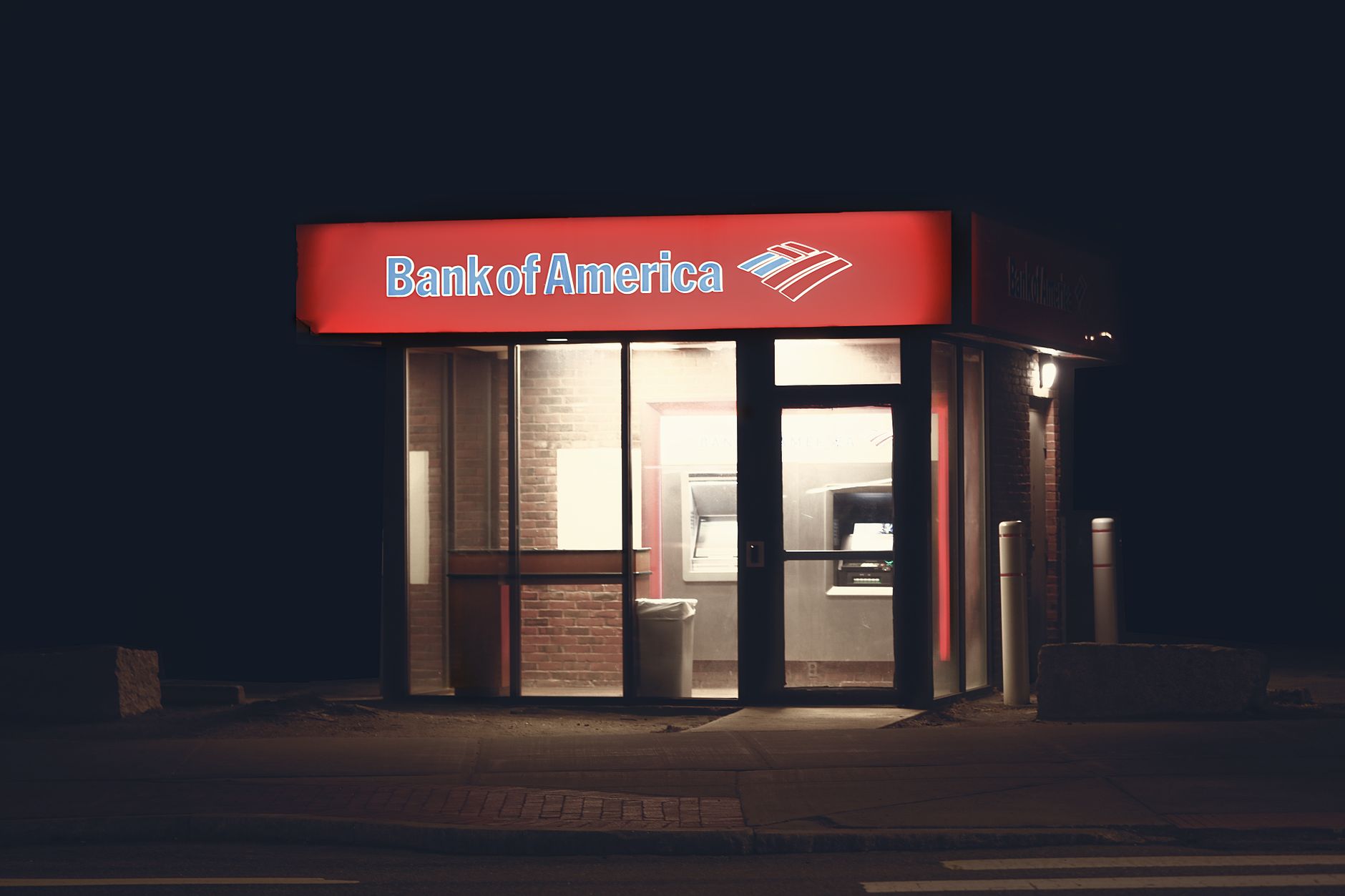
الصورة الرئيسية:Steve Pancrate / Pexels
قواعد مكافحة التزييف العميق في البنوك تفوت خطر الاحتيال الصوتي بالذكاء الاصطناعي
تنصب إطارات المنظمين الجديدة لمكافحة عمليات التزييف العميق التركيز على التزوير البصري، تاركة البنوك عرضة لعمليات احتيال بتقليد صوت الذكاء الاصطناعي التي تتجاوز التحقق البيومتري للصوت والتحقق من الوكيل الحي. يُستخدم المخادعون بالفعل الصوت الاصطناعي لتقليد العملاء، ومع ذلك لا تزال معظم قواعد الامتثال تعامل الصوت كقناة ثانوية.
The rapid advancement of generative AI has forced financial regulators to confront deepfakes, but their early rulemaking has centered on visual media—photos, videos, and manipulated images—while largely overlooking a more immediate threat: AI-generated voice clones that can trick call-center agents, voice-authentication systems, and even family members into transferring money or revealing sensitive data. American Banker reports that the current wave of anti-deepfake regulations, including those drafted by the U.S. Federal Trade Commission and state-level privacy statutes, do not explicitly address synthetic audio, leaving banks without clear guidance on how to detect or prevent AI voice fraud. This gap is especially dangerous because voice remains one of the most widely used authentication channels in banking, and synthetic audio can be produced at scale with minimal technical skill.
التهديد المهمَل: تقليد الصوت بالذكاء الاصطناعي في احتيال البنوك
في حين أن المنظمين والجماعات الصناعية قد أولت الأولوية للصور والفيديوهات المزيفة العميقة، فإن ميكانيكا تقليد الصوت تشكل تهديدًا متميزًا وقابل للتوسيع للمؤسسات المالية.
AI voice cloning uses neural networks trained on a target’s recorded speech to generate near-perfect replicas that can fool both humans and automated systems. Unlike visual deepfakes, which often require high-resolution source material, a voice clone can be created from as little as 30 seconds of publicly available audio—phone messages, social media posts, earnings calls, or even voicemails left during prior scams. According to American Banker, fraudsters have begun using these clones to impersonate customers during phone-based transactions, bypassing call-center agents and automated voice biometrics that rely on cadence, pitch, and pronunciation patterns. The publication notes that while some banks have layered in liveness detection and challenge questions, these measures are not standardized and remain vulnerable to social engineering.
لماذا يصعب اكتشاف الاحتيال الصوتي أكثر من التزييف العميق البصري
Visual deepfakes are often flagged by inconsistencies in lighting, blinking, or facial geometry, but synthetic audio lacks obvious visual artifacts.
American Banker emphasizes that audio lacks the same perceptual cues that make visual deepfakes detectable to human reviewers or basic detection tools. Even advanced liveness detection—measuring subtle breathing patterns or mouth clicks—can be replicated by high-quality models. Moreover, because voice cloning does not require the target to be present, scammers can initiate fraud from anywhere, making attribution nearly impossible once the call is completed. The publication also points out that many banks still treat voice as a secondary channel, relying on it for low-value transactions or password resets, which lowers the threshold for fraudsters to attempt a clone.
What American Banker reports about anti-deepfake rules and their blind spots
تشير التحقيق التي أجرتها American Banker إلى أن القواعد الحالية لمكافحة التزييف العميق محددة النطاق إلى الوسائط البصرية، مما يترك الصوت الاصطناعي دون معالجة.
According to American Banker, the FTC’s proposed rule on “Impersonation of Individuals” focuses on the unauthorized use of a person’s name, image, or likeness in visual media, with no explicit mention of voice cloning. Similarly, state-level deepfake laws in California, Texas, and New York define deepfakes primarily as manipulated audio-visual content, excluding synthetic speech that does not involve a visible person. The publication notes that while the FTC has solicited comments on broader AI misuse, the final rule is expected to maintain this visual-centric approach unless industry feedback forces a revision. American Banker also reports that banking trade groups, including the American Bankers Association, have privately urged regulators to expand definitions to include synthetic audio, but no formal proposals have been issued.
أين يرى المنظمون التقدم — وأين لا يرونه
Regulators are moving quickly on visual deepfakes but have not matched that pace for voice cloning.
American Banker observes that the FTC’s recent enforcement actions against deepfake scams have centered on video impersonations of public figures used to promote crypto or investment scams, not voice-based fraud. Meanwhile, the Consumer Financial Protection Bureau (CFPB) has issued guidance on AI-driven fraud detection but has not issued specific rules on synthetic audio. The publication suggests that this asymmetry reflects both the novelty of voice cloning and the slower pace of regulatory adaptation in financial services compared to consumer protection.
أين يركز المنظمون والبنوك — وأين يخطئون
Regulators and banks are investing in deepfake detection tools, but most are optimized for images and videos rather than synthetic audio.
American Banker reports that banks are deploying AI-powered image and video analysis to scan for manipulated media in loan applications and account openings, yet these systems do not monitor voice channels. Some institutions have added voice biometrics to detect impersonation, but these systems can be bypassed by high-quality clones and are not universally adopted. The publication also notes that call-center staff training remains inconsistent, with many agents still relying on caller ID and basic voice recognition that can be spoofed.
Compliance gaps in existing frameworks
Current anti-fraud frameworks, such as the FFIEC’s guidance on authentication, do not explicitly require banks to defend against synthetic audio.
يشرح American Banker أنه بينما يؤكد تحديث FFIEC لعام 2023 بشأن المصادقة والوصول على الأمان المتعدد الطبقات، إلا أنه لا يفرض ضوابط محددة لمخاطر الاحتيال الصوتي بالذكاء الاصطناعي. بدلاً من ذلك، من المتوقع أن تطبق البنوك تدابير "قائمة على المخاطر"، مما أدى إلى تنفيذ غير منتظم. ويشير النشر إلى وثائق داخلية للبنوك تشير إلى أن بعض المؤسسات تعامل تقليد الصوت كخطر "في المستقبل" بدلاً من تهديد نشط، مما يؤخر الاستثمار في أدوات الكشف.
كيف يتجاوز تقليد صوت الذكاء الاصطناعي أنظمة الكشف عن الاحتيال التقليدية
السمع الاصطناعي يستغل نقاط الضعف في كل من البيومترية السلوكية وعمليات المراجعة البشرية.
يصف American Banker كيف يمكن خداع أنظمة البصمات الصوتية التي تحلل الإيقاع والنطق، من خلال الاستنساخات المدربة على عينات صوتية كافية. حتى الأنظمة التي تكتشف التوقفات غير الطبيعية أو علامات الروبوت قد تفشل إذا تم تدريب الاستنساخ على محادثات حقيقية. كما يبرز المنشور أن وكلاء مركز الاتصال، المدربين على اكتشاف التوتر أو الضرورة في صوت المتصل، يمكن خداعهم من قبل استنساخ يقلد الإشارات العاطفية. في حالة واحدة موثقة أشار إليها American Banker، استخدم الاحتيالي صوتًا مستنسخًا لإقناع الوكيل بإعادة تعيين كلمة المرور عبر الهاتف، وتجاوز التحقق من هويتك بطرق متعددة.
Why liveness detection isn’t enough
Liveness detection measures, such as background noise or breathing patterns, can be replicated by advanced models.
American Banker notes that while some banks have added liveness checks—asking callers to speak a random phrase—they are vulnerable to replay attacks where the clone reproduces the exact phrase. The publication warns that as models improve, even these measures may become obsolete, leaving banks with no reliable way to distinguish human from synthetic speech.
آليات الاحتيال الصوتي بالذكاء الاصطناعي: كيف يستغل المحتالون الصوت الاصطناعي
The process of voice cloning is faster and cheaper than most banks realize, and the attack chain is straightforward.
American Banker outlines a typical scam: fraudsters gather audio samples from social media, podcasts, or prior interactions; use open-source or commercial cloning tools to generate a replica; then initiate a call to a bank’s customer service line or a family member. The publication reports that some scammers use the clone to impersonate a customer requesting a wire transfer, while others target elderly relatives by mimicking a grandchild in distress. In both cases, urgency and emotional manipulation increase the chance of success.
الأدوات والتقنيات التي يستخدمها الاحتياليون
النماذج مفتوحة المصدر وواجهات برمجة التطبيقات التجارية قد ديمقرطة تقليد الصوت، مما يقلل من عتبة الدخول.
American Banker describes how tools like ElevenLabs, Resemble AI, and open-source models such as VITS and YourTTS allow non-technical users to create convincing clones with minimal input. The publication notes that some fraudsters combine cloned voices with spoofed caller IDs to further deceive agents. It also reports that scammers often reuse the same clone across multiple targets, increasing efficiency.
Real-world examples and escalating losses
تُظهر الحالات الموثقة أن الاحتيال الصوتي بالذكاء الاصطناعي يسبب بالفعل خسائر قابلة للقياس، على الرغم من أن التبليغ غير الكامل يخفي على الأرجح الحجم الكامل.
American Banker cites internal bank data indicating a 40% increase in voice-based impersonation scams in the first half of 2026 compared to the same period in 2025. The publication also references a case in which a fraudster used a cloned voice to convince a bank employee to transfer $250,000, only discovered when the real customer called to report the incident. While American Banker does not provide a total loss figure, it notes that industry estimates suggest voice fraud now accounts for a growing share of account takeover losses.
من هم الأكثر عرضة للخطر: الديموغرافية وقنوات البنوك المستهدفة
تتأثر بعض فئات العملاء وأنواع المعاملات بشكل غير متناسب بالاحتيال الصوتي بواسطة الذكاء الاصطناعي.
American Banker reports that older adults—who may rely on phone-based banking and are less familiar with AI risks—are frequent targets. The publication also notes that high-net-worth individuals and small-business owners, who often conduct transactions verbally with relationship managers, are also at elevated risk. Additionally, American Banker highlights that international wire transfers and same-day ACH payments are favored by fraudsters because they are harder to reverse once executed.
المخاطر المحددة للقناة
تبقى التفاعلات القائمة على الهاتف هي الوسيلة الرئيسية، ولكن المساعدين الرقميين وبرامج الدردشة تظهر كأسطح هجومية جديدة.
American Banker explains that while call centers are the main target, some banks have begun using AI voice assistants for customer service, creating additional entry points for cloned voices. The publication warns that as banks automate more interactions, the attack surface will expand unless safeguards are built in.
علماء الأعلام و قائمة الرد على الادعاءات: تحديد الاحتيال الصوتي بالذكاء الاصطناعي في الوقت الفعلي
يمكن للمصارف والعملاء استخدام الإشارات السلوكية والتقنية لتحديد الاحتيال المحتمل في صوت الذكاء الاصطناعي قبل حدوث الخسائر.
- إلحاح غير معتاد أو تلاعب عاطفيالاحتياليون غالبًا ما يخلقون شعورًا بالأزمة - "الجدة في المستشفى" أو "يجب أن يمر هذا التحويل اليوم".
- Inconsistent background noise:قد يواجه الأنساق الذكية صعوبة في تكرار الأصوات المحيطة الحقيقية؛ استمع إلى الصمت غير الطبيعي أو صدى الروبوتات.
- الطلبات غير المتوقعة للعمليات الحساسة:كن حذرًا من المكالمات التي تطلب إعادة تعيين كلمات المرور، أو الأكواد لمرة واحدة، أو تحويل الأموال الفوري، خاصة إذا تمت بواسطة العميل.
- Caller ID spoofing combined with cloned voice:حتى إذا بدا الرقم وكأنه من مصدر موثوق، قم بالتحقق من خلال قناة منفصلة.
- الأنماط الكلامية غير الطبيعية:استمع للتعبير العاطفي المسطح، أو الفترات غير الطبيعية، أو أخطاء النطق التي قد يغفل عنها كلون.
- Refusal to verify through non-voice channels:إذا أصر المتصل على التحقق الهاتفي فقط، أصر على مكالمة فيديو أو زيارة شخصية.
- عدم تطابق مع البصمات الصوتية المعروفةإذا أشار نظام البنك إلى الصوت على أنه "غير معترف به" على الرغم من مطابقة معرف المتصل، فاعاملها كتقليد محتمل.
الاستجابات المؤسسية: البنوك والمنظمون والشركات التكنولوجية تعلق
Banks, regulators, and AI vendors are beginning to respond, but their approaches remain fragmented.
American Banker reports that some banks have implemented “voice challenge” questions that require contextual knowledge only the real customer would know, such as details about recent transactions. Others are exploring blockchain-based voiceprints that are harder to clone. The publication also notes that regulators are considering whether to classify synthetic audio as a form of impersonation under existing laws, but no decisions have been made.
Banks experiment with new defenses
Institutions are testing behavioral analytics, multi-channel verification, and AI-driven anomaly detection.
يصف American Banker كيف قامت JPMorgan Chase و Bank of America بتجربة أنظمة تقوم بمراجعة البيومترية الصوتية مع إيقاع الكتابة خلال الجلسات الرقمية. ويستخدم الآخرون تحليل المشاعر في الوقت الفعلي لاكتشاف التوتر أو الخداع في صوت المتصل. وتشير المنشور أيضًا إلى أن البنوك الصغيرة تشكل شراكات مع شركات التكنولوجيا المالية للوصول إلى أدوات الكشف المتقدمة.
Regulators consider broader definitions
تجري الوكالات الأمريكية مراجعة لتحديد ما إذا كان سيتم توسيع قواعد Deepfake لتشمل الصوت الاصطناعي.
يقول American Banker إن FTC أشارت إلى أنها قد تحدث قاعدة التمثيل لتشمل تقليد الصوت، ولكن الجدول الزمني غير مؤكد. وتقوم CFPB أيضًا بتقييم ما إذا كانت ستصدر إرشادات تتعامل بشكل خاص مع الاحتيال الصوتي للذكاء الاصطناعي في فحصها للضوابط الاحتيالية للبنوك.
Tech firms face pressure to curb misuse
AI voice providers are under scrutiny for enabling fraud, but enforcement remains uneven.
American Banker notes that ElevenLabs, one of the leading voice-cloning platforms, has added watermarking and usage restrictions to its API, but the publication questions whether these measures are sufficient given the open-source alternatives available. The company has also introduced a “safety classifier” to detect potential misuse, but American Banker reports that fraudsters have found ways to bypass these filters.
تحليل عبر المصادر: لماذا تفشل القواعد الحالية لمكافحة عمليات التزييف العميق في معالجة تقليد الصوت
Taken together, the available reporting suggests a systemic blind spot in anti-deepfake regulation that prioritizes visual media over synthetic audio.
American Banker’s investigation reveals that while regulators have moved quickly to address deepfake images and videos—issuing rules, launching enforcement actions, and updating guidance—they have not matched that urgency for AI voice cloning. This asymmetry is not accidental: visual deepfakes are more visible and easier to document, making them a natural first target for policymakers. Synthetic audio, by contrast, leaves fewer forensic traces and is harder for regulators to conceptualize as a distinct threat. Yet the mechanics of voice cloning—its low barrier to entry, scalability, and ability to bypass both human and automated systems—make it a uniquely dangerous vector for financial fraud.
This regulatory lag creates a compliance vacuum that banks are only beginning to fill. While some institutions have voluntarily adopted voice biometrics and liveness detection, these measures are not standardized and remain vulnerable to evolving models. The absence of clear regulatory direction also disincentivizes investment in detection tools, as banks may assume that future rules will not require them. Taken together, these factors suggest that AI voice fraud is poised to grow rapidly unless regulators expand their scope and banks adopt more robust, cross-channel defenses.
ما يكشفه الدليل المجمع حول حجم وخطورة المشكلة
التقارير المتاحة تشير إلى أن الاحتيال الصوتي بالذكاء الاصطناعي يشكل تهديدًا كبيرًا ومتناميًا، ومع ذلك يظل غير مقاس بشكل كافٍ وغير منظم.
تشير بيانات American Banker - زيادة بنسبة 40٪ في عمليات الاحتيال المرتكبة باستخدام التقليد الصوتي و خسارة موثقة بقيمة 250 ألف دولار عبر صوت منسوخ - إلى أن الخسائر تتسارع. ومع ذلك، تشير المنشور إلى أن هذه الأرقام من المحتمل أن تكون أقل من الحجم الحقيقي بسبب عدم الإبلاغ الكافي وصعوبة نسبت الصوت الماصطنع إلى الاحتيال. يزيد عدم وجود آليات تقارير موحدة لاحتيال الصوت من عدم وضوح المشكلة، مما يجعل من الصعب على المنظمين والبنوك تحديد الأولويات لل حلول. كما تحذر المنشور من أن مع تحسين نماذج الذكاء الاصطناعي، سترتفع جودة النسخ، مما يجعل الكشف أكثر صعوبة ويزيد من احتمال الاحتيال الناجح.
خطر التطبيع
If voice cloning becomes widespread enough, both banks and customers may normalize its occurrence, reducing vigilance.
American Banker cautions that as synthetic audio becomes more common in legitimate contexts—such as AI customer service agents—people may become desensitized to its risks. This normalization could erode the effectiveness of behavioral cues that currently help detect fraud. The publication also notes that fraudsters may increasingly use cloned voices to impersonate bank employees, further complicating verification.
الخطوات العملية: كيف يمكن للمصارف والمنظمين والعملاء التخفيف من احتيال الصوت بالذكاء الاصطناعي
معالجة الاحتيال الصوتي بالذكاء الاصطناعي يتطلب إجراءات منسقة عبر المؤسسات والمنظمين والافراد.
للبنوك:
- Adopt multi-factor authentication that does not rely solely on voice biometrics.
- تنفيذ الكشف عن الشذوذ في الوقت الفعلي الذي يرتبط بنمط الصوت مع السلوك الرقمي.
- تطلب التحقق الثانوي للتعاملات ذات القيمة العالية، مثل الاتصال العكسي إلى رقم مسجل مسبقًا أو التأكيد بالفيديو.
- المشاركة في مبادرات تبادل المعلومات في الصناعة لتتبع أنماط الاحتيال الناشئة.
لمنظمي السوق:
- Expand deepfake rules to explicitly include synthetic audio as a form of impersonation.
- يتطلب من البنوك الإبلاغ عن حوادث الاحتيال الصوتي والخسائر في تنسيقات موحدة.
- Establish a task force to evaluate the effectiveness of current detection tools and recommend minimum standards.
- تشجيع التعاون بين مزودي الصوت الذكي و المؤسسات المالية لتطوير بروتوكولات العلامات المائية والكشف.
للعملاء:
- اعتبر أي مكالمة غير مرغوب فيها تطلب أموالاً أو معلومات حساسة مشبوهة.
- استخدم رقم اتصال مخصص للمطالبات الحساسة، وليس الرقم الذي قدمه المتصل.
- تفعيل التحقق المزدوج على جميع الحسابات وتجنب مشاركة الرموز المؤقتة عبر الهاتف.
- ناقش كلمة أو عبارة سرية للعائلة يعرفها فقط الأقارب الموثوق بهم.
الأسئلة الشائعة
Can AI voice fraud be stopped?
AI voice fraud cannot be entirely stopped, but it can be significantly reduced through layered defenses, including behavioral analytics, multi-factor authentication, and real-time anomaly detection. Banks and regulators must also expand detection beyond voice biometrics to include cross-channel verification and customer education.
هل ستساعد اللوائح الجديدة؟
New regulations that explicitly include synthetic audio in anti-impersonation rules could accelerate industry adoption of detection tools and standardize reporting. However, the effectiveness of regulation depends on enforcement and the ability to keep pace with rapidly evolving AI models.
ما الذي يجب على المستهلكين فعله إذا شكوا في وجود صوت مُستنسخ؟
يجب على المستهلكين قطع الاتصال والاتصال بالبنك باستخدام رقم موثَّق من بطاقتهم أو الموقع الرسمي. كما يجب عليهم تفعيل المصادقة متعددة العوامل، وتجنب مشاركة أكواد لمرة واحدة عبر الهاتف، وتحديد كلمة مرور عائلية للطلبات الحساسة.
هل يتعين على البنوك اكتشاف احتيال صوتي بالذكاء الاصطناعي؟
Currently, banks are not explicitly required to detect AI voice fraud under most existing regulations. The FFIEC’s guidance emphasizes risk-based authentication but does not mandate specific controls for synthetic audio. This regulatory gap is a key reason why implementation remains uneven.
كيف يحصل المخادعون على الصوت اللازم لاستنساخ صوت؟
Fraudsters gather audio from social media posts, podcasts, voicemails, customer service recordings, and even prior scam interactions. In some cases, they use phishing to trick targets into recording themselves speaking. As little as 30 seconds of audio can be sufficient to create a convincing clone.