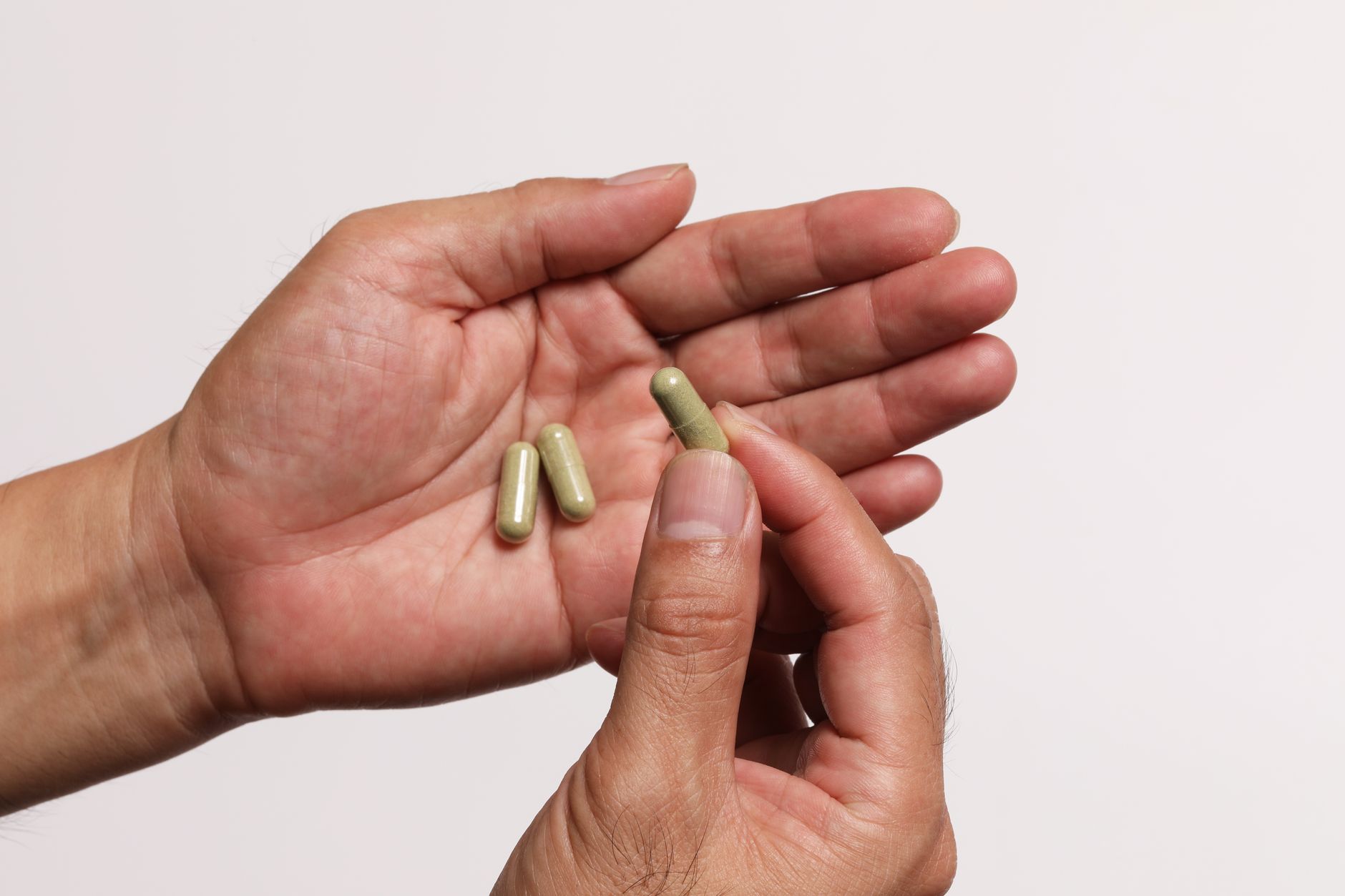
الصورة الرئيسية:Nop Viwat / Pexels
دراسة عن مكمل عشبي شائع تكشف عن جانب سلبي غير متوقع
A recent ScienceAlert publication has brought renewed attention to the hidden physiological risks associated with a common herbal supplement. By examining the methodology behind emerging scientific literature, consumers can better navigate the boundary between legitimate clinical research and exaggerated wellness claims.
The global market for botanical products and alternative health remedies has expanded rapidly over the past decade, driven by the pervasive belief that natural substances are inherently safe. However, a recent publication by ScienceAlert highlights that a widely consumed herbal remedy may carry an unexpected downside, prompting a closer look at how botanical interventions interact with human physiology. In an information ecosystem where wellness trends frequently outpace empirical validation, understanding the actual mechanisms and research limitations behind these discoveries is essential for public health literacy.
Examining the ScienceAlert Report on Herbal Supplements
ScienceAlert recently published a report examining a newly released study titled “Common Herbal Supplement May Have an Unexpected Downside, Study Finds.” This coverage brings to light how scientific literature evaluates botanical extracts that have long occupied health food store shelves without rigorous scrutiny. Investigative analysis of such reporting requires separating the foundational clinical findings from the framing applied by digital aggregators and lifestyle publications.
When ScienceAlert covered the findings, the outlet detailed how researchers identified an unforeseen physiological interaction linked to the long-term or high-dose consumption of a popular herbal product. While many consumers assume that over-the-counter herbs operate outside the biochemical pathways associated with pharmaceutical drugs, modern analytical techniques consistently demonstrate that botanical compounds contain active pharmacological agents capable of triggering significant biological responses.
Understanding the context of the ScienceAlert report requires evaluating the nature of the primary research itself. Scientific investigations into herbal supplements typically involve either in vitro laboratory assays, animal models, or observational human cohorts. Each of these research methodologies carries distinct limitations that must be weighed carefully before altering personal health routines or accepting broad generalizations about botanical safety.
The Claims Surrounding the Common Herbal Supplement
Proponents of the common herbal supplement frequently market the product as a cure-all or a gentle, side-effect-free alternative to conventional medical treatments. These marketing narratives often emphasize historical usage, claiming that centuries of traditional practice serve as definitive proof of absolute safety and efficacy. Such claims, however, frequently ignore the reality that historical populations faced different environmental exposures, had shorter life expectancies, and lacked standardized extraction methods.
Commercial promotion of herbal remedies routinely leverages wellness terminology that obfuscates actual chemical activity. Terms like natural, holistic, and detoxifying are deployed to reassure consumers that the supplement cannot cause harm. Yet, natural compounds can induce hepatotoxicity, disrupt endocrine function, or interfere with prescription medications through hepatic enzyme induction or inhibition.
The friction between commercial marketing and scientific reality creates fertile ground for misunderstanding. When a study uncovers an unexpected downside, it directly challenges the sanitized narrative promoted by supplement manufacturers. Examining these opposing viewpoints reveals a stark contrast between anecdotal testimonials and systematic, evidence-based toxicology.
What the Evidence and Study Actually Show
A rigorous reading of the study highlighted by ScienceAlert demonstrates that the unexpected downside is tied to specific biochemical interactions rather than random chance. Researchers tracked how the active constituents of the common herbal supplement process through metabolic pathways, revealing potential points of cellular stress or receptor binding that had not been thoroughly documented in earlier, smaller-scale trials.
To evaluate the veracity of these findings, it is helpful to contrast popular marketing claims against empirical evidence documented in the scientific literature.
| Marketing Claim | Empirical Evidence |
|---|---|
| Natural ingredients are entirely free of side effects. | Botanical extracts contain potent bioactive compounds capable of causing adverse physiological effects and toxicity. |
| Traditional use over centuries guarantees absolute safety. | Historical usage patterns lacked modern toxicological screening and long-term epidemiological tracking. |
| Supplements do not interact with prescription medications. | Many common herbs alter liver enzyme activity, significantly increasing or decreasing the efficacy of pharmaceutical drugs. |
Furthermore, the study analyzed by ScienceAlert emphasizes the role of dosage concentration and standardization. Unlike pharmaceutical drugs, which are manufactured to strict purity and potency standards, herbal supplements can vary wildly between brands and even between batches from the same manufacturer. This variability means that a consumer ingesting a standard capsule may receive a vastly different concentration of the active botanical agent than what was evaluated in controlled clinical settings.
How Health Misinformation Spreads Online
The dissemination of health claims regarding botanical supplements relies heavily on algorithmic amplification and emotional resonance. When a scientific study identifies a nuanced risk associated with a popular substance, digital media platforms often transform complex pharmacological data into sensationalized headlines designed to maximize engagement.
On one end of the spectrum, alarmist reporting exaggerates moderate scientific findings, suggesting that a common supplement is immediately lethal. On the other end, supplement manufacturers and wellness influencers downplay legitimate risks, dismissing peer-reviewed data as corporate conspiracy or flawed methodology. Both extremes undermine public trust in evidence-based science and make it difficult for everyday consumers to find reliable guidance.
Investigative fact-checking requires tracing claims back to their primary sources. By comparing secondary news coverage against the actual parameters of the underlying study, analysts can expose where nuance was lost in translation. Maintaining this analytical rigor is vital for preventing both unwarranted panic and reckless overconsumption.
Evaluating Supplement Risks and Research Red Flags
Navigating the complex landscape of supplement research requires vigilance against methodological flaws and misleading reporting. Consumers and journalists alike must evaluate whether a study was conducted on humans or merely in a petri dish, as laboratory results do not always translate directly to human biology.
قائمة العلامات الحمراء
- Promises of miraculous health transformations without supporting clinical trials.
- Vague references to secret formulas or proprietary blends that hide exact ingredient quantities.
- Discounts or urgency tactics tied to purchasing a specific brand of supplement.
- Rejection of peer-reviewed scientific consensus in favor of anonymous testimonials or celebrity endorsements.
- Absence of third-party testing certification from reputable independent organizations.
By keeping these warning signs in mind, individuals can critically assess marketing materials and news reports alike. Independent verification remains the strongest defense against financial exploitation and unverified health claims in the wellness industry.
Institutional Responses to Supplement Claims
Regulatory agencies and scientific institutions play a critical role in monitoring the safety of dietary and herbal supplements. Unlike pharmaceutical drugs, which must undergo rigorous pre-market clinical trials to prove safety and efficacy, herbal supplements generally enter the market without prior regulatory approval. Agencies typically intervene only after adverse event reports accumulate or post-market surveillance uncovers clear patterns of harm.
Scientific bodies frequently issue warnings when botanical products are found to interfere with critical medical treatments, such as chemotherapy, anticoagulants, or immunosuppressive therapy. These institutional interventions are designed to protect vulnerable populations, including pregnant individuals, the elderly, and patients with chronic health conditions, who may be uniquely susceptible to botanical toxicity.
However, the lag time between the emergence of new scientific data and regulatory action leaves a dangerous window during which consumers remain uninformed. Public interest journalism and independent fact-checking serve to bridge this gap, translating complex toxicological data into accessible warnings long before official policy updates take effect.
What Consumers Should Do Based on the Evidence
Faced with new disclosures regarding the unexpected downsides of common herbal supplements, consumers should adopt a cautious, evidence-first approach to their wellness routines. Transparency, consultation with qualified healthcare professionals, and skepticism toward miracle claims are paramount.
Anyone currently taking a botanical supplement should verify whether the product has undergone independent third-party testing for purity, potency, and heavy metal contamination. Furthermore, open communication with primary care physicians ensures that any potential interactions between herbal extracts and prescription medications are identified and managed proactively.
Ultimately, health decisions should be guided by cumulative scientific consensus rather than single isolated studies or sensationalized media reports. By maintaining a balanced perspective, consumers can harness the potential benefits of botanical products while mitigating avoidable health risks.
Frequently Asked Questions About Supplement Research
Are natural herbal supplements safer than synthetic prescription drugs?
Not necessarily. Natural origin does not equate to biological safety. Many powerful toxins occur naturally in plants, and herbal supplements can exert profound, sometimes harmful effects on human organ systems.
Why do supplement labels sometimes differ from their actual contents?
Unlike pharmaceuticals, dietary supplements do not require pre-market approval for efficacy and safety. This regulatory framework contributes to variability in manufacturing standards, batch inconsistency, and occasional product adulteration.
How can I tell if a news report about a supplement is accurate?
Check whether the news article links directly to the peer-reviewed study. Be skeptical of outlets that use emotional language, absolute terms, or fail to mention sample sizes and study limitations.
Do herbal supplements interact with prescription medications?
Yes. Many botanical compounds alter hepatic enzyme activity, which can dangerously increase or decrease the concentration of prescription drugs in the bloodstream.
Where can I report an adverse reaction to an herbal supplement?
Consumers and healthcare providers can report adverse events to national regulatory bodies, such as the FDA’s safety reporting portal in the United States or equivalent international health authorities.