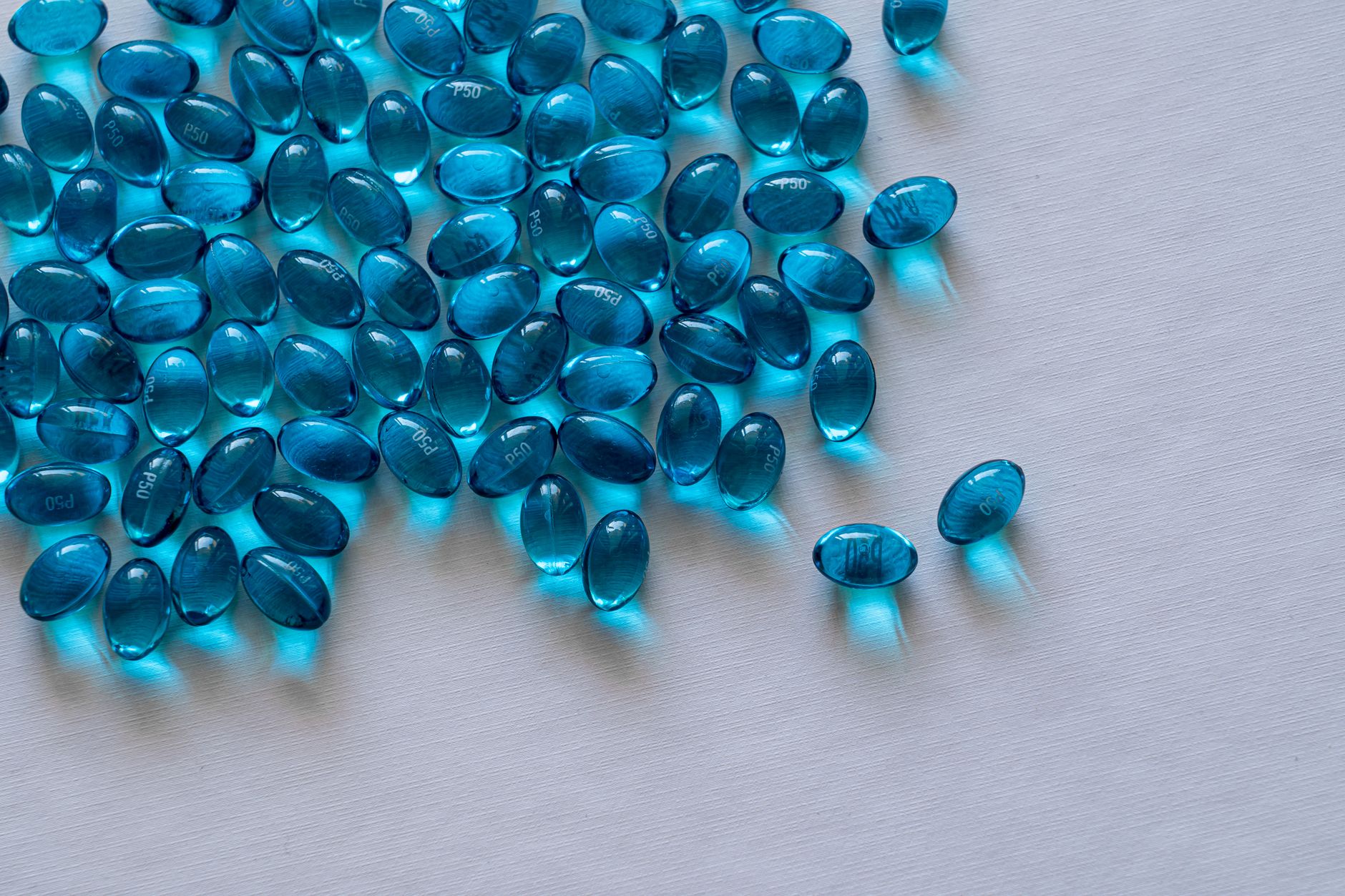
الصورة الرئيسية:توريد كاستورلي / بيكسلز
الـCoQ10 مُلغى براءة اختراعها في محكمة الاستئناف الفيدرالية في نيويورك (EDNY) بسبب نقص الفائدة العملية
أصدرت محكمة فدرالية في دائرة نيويورك الشرقية قرارًا مؤخرًا يبطل مطالبات براءات اختراع أساسية مملوكة لمصنع مكملات CoQ10 بسبب فشل أساسي في الفائدة العملية والتشغيلية. هذا التحقيق القائم على الأدلة يدرس المنطق القانوني وراء الحكم وأثره الأوسع على صناعة المكملات الغذائية. من خلال تحليل دقيق للضعف القانوني الكامن الذي كشف عنه المحكمة، يشرح هذا المقال كيف تفشل المطالبات العلاجية غير المدعومة في تحقيق معايير براءات الاختراع الأساسية.
في سوق المكملات الغذائية، تُستخدم ادعاءات الملكية الفكرية غالبًا لإبراز جو من السلطة العلمية والتحقق السريري. ومع ذلك، لا يحمي الحصول على براءة اختراع المنتج من المراجعة القانونية الشديدة عند التحدي أمام المحكمة. أظهرت حكمًا مؤخرًا وثقته موقع VitalLaw.com أن ادعاءات الملكية الخاصة بتكوينات كواينزيم Q10 يمكن أن تُدمّر تمامًا عندما تفشل في تلبي احتياجات الشروط القانونية المفروضة من حيث الفائدة والتمكين. مع زيادة طلب السلطات التنظيمية والقضاة الفيدراليين على أساس علمي قابل للتحقق بدلاً من ادعاءات تافهة، تواجه مصنعي المكملات مخاطر أكبر عندما يتم اختبار محفظة براءات اختراعهم. يدرس هذا التحقيق آليات حكم دائرة نيويورك الشرقية، ويقيّم ما يكشفه الحكم حول حدود قانون البراءات في قطاع الصحة والرفاهية.
سياق وخلفيات نزاع براءات الاختراع المتعلقة بمركب CoQ10
الجدل القانوني يركز حول براءة اختراع مملوكة لشركة تصنع مكملات CoQ10، والتي حاولت حماية صيغ محددة ومزاعم صحية مرتبطة بالمادة. **كوفينزيم Q10** هو مضاد للأكسدة طبيعي يلعب دورًا حاسمًا في إنتاج الطاقة الخلوية، مما يجعله مكونًا شعبيًا في صناعة المكملات الغذائية التي تبلغ قيمتها عدة بلايين الدولارات. عبر السنوات، حاولت العديد من الشركات الحصول على مزايا تنافسية من خلال براءات اختراع طرق توصيل جديدة، أو شبكات زيادة امتصاصية، أو مؤشرات علاجية متخصصة. غالبًا ما تكون هذه البراءات حجر الأساس في حملات التسويق، حيث تشير إلى المستهلكين والمستثمرين بأن المنتج يمتلك خصائص فسيولوجية فريدة مدعومة بحماية الملكية الفكرية.
However, the existence of a granted patent does not mean its claims are bulletproof. In patent litigation, competitors or accused infringers frequently challenge the validity of a patent, arguing that the United States Patent and Trademark Office should not have granted the monopoly in the first place. According to VitalLaw.com, the litigation in the Eastern District of New York brought these exact vulnerabilities to the forefront, forcing the court to examine whether the supplement maker’s legal claims aligned with established scientific and statutory standards. The dispute highlights the tension between commercial marketing strategies that emphasize proprietary innovation and the stringent evidentiary requirements mandated by federal patent law.
التصاريح القانونية من هذا النوع عادة ما تتطور عندما يدعي صاحب براءة اختراع حقوقه ضد المنافسين في السوق، مما يؤدي إلى رد فعل مضاد على صحتة البراءة. وفي هذا الحالة المحددة، تعرضت سلامة الملكية الفكرية لصانع مكملات CoQ10 للاختبار القضائي الشامل. كما ذكر موقع VitalLaw.com، كان على المحكمة تحديد ما إذا كانت البراءة تبين بشكل كافٍ أن الاختراع المصرح به حقق بالفعل الغرض المصرح به، وما إذا كانت مواصفات البراءة توفر تفاصيل كافية لشخص مختص في المجال ليتمكن من ممارستة الاختراع دون إجراء تجارب غير معقولة. يكشف التحليل القانوني اللاحق عن الفجوات الحرجة التي غالبًا ما توجد بين طموحات الأعمال والكشف العلمي القابل للتحقق.
مطالب براءات الاختراع المحددة التي تم الطعن فيها أمام المحكمة
Broad Therapeutic Assertions
The patent in question featured a series of broad claims regarding the efficacy and application of Coenzyme Q10 formulations. These claims extended beyond simple dietary supplementation, purporting to target specific physiological conditions and metabolic pathways. In patent law, drafting broad claims is a common strategy designed to capture a wide market share and deter potential competitors from entering adjacent product categories. However, the breadth of these claims ultimately became a primary vulnerability during the litigation process.
Proprietary Formulation and Delivery Mechanics
In addition to therapeutic indications, the patent encompassed specific compositional arrangements intended to improve how the body absorbs Coenzyme Q10. The supplement maker argued that these proprietary adjustments constituted a novel technological contribution to the field. Opposing counsel scrutinized these assertions, arguing that the structural descriptions lacked the necessary specificity to distinguish them from existing prior art or standard formulation practices within the industry. VitalLaw.com detailed how these overlapping claims failed to withstand the rigorous scrutiny applied by the federal court.
ما اكتشفته المحكمة بشأن **غياب الفائدة** أو **عدم وجود فائدة**
Under United States patent law, an invention must possess utility, meaning it must operate to produce the results claimed by the patent and provide a specific, substantial, and credible benefit. In the context of health-related patents, this standard requires more than a plausible hypothesis or preliminary in vitro observation. The Eastern District of New York evaluated whether the CoQ10 supplement maker provided sufficient evidence to substantiate the utility claimed within the patent document. According to VitalLaw.com, the court concluded that the patent failed to meet this fundamental requirement.
The absence of utility often stems from a disconnect between speculative health benefits and empirical proof. When a patent claims that a specific supplement formulation treats or ameliorates complex biological conditions, the patent specification must substantiate those assertions. In this case, the evidentiary record fell short of demonstrating that the CoQ10 formulation achieved the specific outcomes set forth in the claims. VitalLaw.com noted that the court identified a critical lack of credible support, rendering the purported utility legally insufficient under statutory guidelines.
This finding serves as a stark reminder that therapeutic and physiological claims cannot be sustained in a court of law based purely on marketing optimism or theoretical biochemistry. To satisfy the utility requirement, patent applicants must demonstrate that the invention actually works for its intended purpose as described. The EDNY ruling underscores that federal courts will not hesitate to invalidate patent claims that promise physiological improvements without the requisite empirical foundation to back them up.
تحليل عجز متطلبات التمكين جنبًا إلى جنب مع الفائدة أو الاستفادة --- [Preserve all HTML tags, shortcodes, and placeholders as-is in the rest of the text.]
Beyond the lack of utility, the court evaluated whether the patent satisfied the statutory enablement requirement. The enablement provision mandates that a patent specification must describe the invention in sufficient detail to enable any person skilled in the relevant art to make and use it without undue experimentation. This requirement ensures a quid pro quo exchange between the inventor and the public: in exchange for a temporary government-sanctioned monopoly, the inventor must fully disclose how the invention works so that others can build upon it once the patent expires.
The Scope of Experimentation Standard
Courts determine enablement by weighing several factors, including the predictability of the art, the amount of direction provided, the presence of working examples, and the quantity of experimentation necessary. According to VitalLaw.com, the patent’s disclosures regarding the CoQ10 formulations required an unacceptable level of undue experimentation. Instead of providing a clear, reproducible pathway to achieve the claimed results, the patent left critical methodological gaps that a skilled formulator could not bridge without engaging in independent research and trial-and-error.
Vague Specifications and Insufficient Disclosure
When a patent relies on broad functional language without detailing the specific structural or operational mechanisms required to achieve those functions, it frequently runs afoul of the enablement doctrine. The EDNY decision highlighted how the supplement maker’s patent suffered from vague specifications that failed to teach the public how to reliably practice the claimed invention. VitalLaw.com reported that these structural and descriptive deficits contributed directly to the invalidation of the claims, reinforcing the principle that incomplete technical disclosures will not survive judicial review.
تأثير قرار محكمة نيويورك الشرقية على مصنعي المكملات الغذائية
The invalidation of the CoQ10 supplement maker’s patent carries significant repercussions for the broader dietary supplement and nutraceutical industries. Many companies invest heavily in obtaining patents to establish market dominance, justify premium pricing, and deter rival brands. However, this ruling demonstrates that weak or overly speculative patents can become a liability rather than an asset. When a company initiates litigation to enforce a compromised patent, it risks having the entire intellectual property portfolio exposed and invalidated, completely stripping away the legal barriers it relied upon for protection.
Nutraceutical firms must now re-evaluate their intellectual property strategies with an emphasis on rigorous scientific substantiation. Patent applications in the health space can no longer rely on generalized wellness concepts or poorly supported therapeutic claims. As VitalLaw.com illustrates, federal courts are increasingly rigorous in evaluating whether supplement patents meet the high thresholds of utility and enablement. Companies that fail to align their patent filings with robust clinical data and precise technical disclosures expose themselves to catastrophic legal setbacks.
Furthermore, this decision impacts how investors and industry analysts view proprietary supplement technologies. Intellectual property due diligence will likely become much stricter, with legal experts examining underlying patent utility and enablement rather than simply accepting that a patent has been granted. As courts continue to police the boundaries of valid scientific claims, the supplement industry faces a necessary shift toward greater evidentiary accountability and transparency in product development.
تقييم المعايير القانونية لصحة براءة الاختراع
| Legal Standard | Statutory Requirement | EDNY Court Finding (VitalLaw.com) |
|---|---|---|
| Utility | Invention must produce claimed results and provide a specific, credible benefit. | Failed; claims lacked empirical support and relied on speculative health benefits. |
| Enablement | Specification must teach how to make and use the invention without undue experimentation. | Failed; disclosures were too vague, requiring excessive trial-and-error. |
| Written Description | Applicant must demonstrate possession of the invention as claimed at the filing date. | Compromised by broad functional language exceeding actual technical disclosure. |
The comparative framework outlined above illustrates why the CoQ10 patent could not withstand judicial scrutiny. In patent law, satisfying one statutory requirement while failing another is fatal to the validity of the claim. As documented by VitalLaw.com, the intersection of insufficient utility and deficient enablement created an insurmountable barrier for the supplement maker. The court’s willingness to invalidate the claims demonstrates that statutory thresholds are objective legal boundaries, not flexible guidelines subject to commercial interpretation.
Evaluating these legal standards requires an understanding that the patent office examines thousands of applications under immense time constraints, meaning that invalid patents are occasionally granted. Litigation acts as an essential stress-test for these grants. When a patent is subjected to the adversarial process in a federal district court, evidentiary weaknesses that bypassed initial examination are laid bare. The EDNY decision reinforces the foundational principle that patent monopolies are temporary privileges conditioned upon genuine, reproducible, and useful technological contributions.
**نتائج رئيسية من تقرير VitalLaw** {email} {order_id} {customer_name}
The reporting provided by VitalLaw.com on the Eastern District of New York decision offers several definitive lessons for legal scholars, industry participants, and consumer advocates alike. First, the ruling underscores that health and supplement patents are subject to the same rigorous statutory standards as complex pharmaceutical and engineering patents. Vague health claims and poorly defined formulations will not receive judicial leniency simply because they involve dietary ingredients rather than synthetic drugs.
Second, the dual failure of utility and enablement highlights the necessity of comprehensive scientific backing before filing patent applications. Companies must ensure that their laboratory data genuinely supports the physiological outcomes promised in their patent claims. Finally, the decision serves as a cautionary tale against aggressive enforcement of weak intellectual property. By forcing a judicial review, the supplement maker ultimately lost its exclusive rights entirely—a outcome that should prompt a thorough compliance and portfolio audit across the entire nutraceutical sector.
قائمة التحذيرات الحمراء لادعاءات براءة اختراع المكملات الغذائية
- Broad therapeutic claims that promise specific physiological cures without corresponding clinical trial data.
- Vague formulation descriptions that rely on marketing buzzwords rather than precise chemical or structural parameters.
- Absence of reproducible working examples within the patent specification that a skilled formulator could execute.
- Heavy reliance on in vitro or theoretical biochemical mechanisms without in vivo substantiation.
- Intellectual property portfolios built primarily to intimidate competitors rather than protect genuine technological breakthroughs.
الأسئلة الشائعة
What was the core issue in the EDNY CoQ10 patent case?
The core issue was whether the supplement maker’s patent claims regarding Coenzyme Q10 formulations were legally valid, specifically focusing on whether the patent met statutory requirements for utility and enablement as reported by VitalLaw.com.
Why did the court rule that the patent lacked utility?
According to VitalLaw.com, the court found that the patent failed to provide credible evidence or empirical support demonstrating that the CoQ10 formulations actually produced the specific therapeutic and physiological benefits claimed in the patent.
What does the enablement requirement mean in patent law?
Enablement requires a patent to disclose the invention in enough detail so that any person skilled in the relevant art can make and use it without requiring undue experimentation, a standard the court found the CoQ10 patent failed to meet.
How does this decision impact the dietary supplement industry?
The ruling signals to supplement makers that intellectual property claims must be backed by rigorous science and clear technical disclosures, warning that aggressive enforcement of weak patents can result in total invalidation in federal court.
Where can the original legal report be reviewed?
The judicial development and case analysis were originally reported by VitalLaw.com and can be examined through their legal news tracking services.