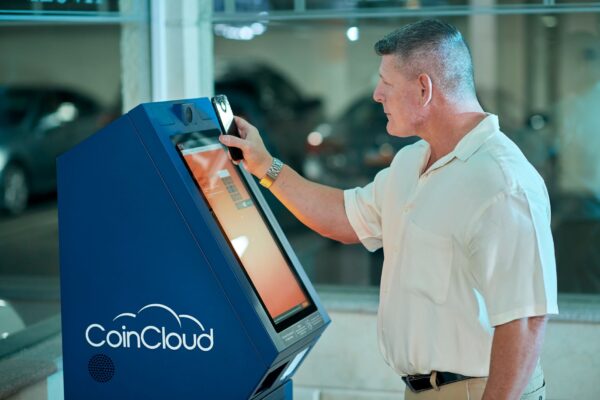
الصورة الرئيسية:رافائيل مينجيت ديلغادو / بيكسلز
احتال العملات المشفرة أسواق التنبؤ تواجه تراجعاً في الرقابة
مع انتقال التكهنات المالية بسرعة نحو الأصول الرقمية اللامعركية ومنصات الرهان القائمة على الأحداث، تواجه هيئات الرقابة العامة المكلفة بمكافحة سوء السلوك قيوداً غير مسبوقة في القدرة الاستيعابية. ووفقاً للتقارير الصادرة عن الإذاعة الوطنية العامة (NPR)، فإن التوسع المتزامن للقطاعات المضاربة وانكماش النطاق الترددي التنظيمي يخلق بيئة خطيرة يمكن فيها للاحتيال المشفر أسواق التنبؤ أن تتكاثر دون رادع.
The contemporary financial landscape is undergoing a structural transformation characterized by the rapid mainstream adoption of digital currencies, decentralized finance protocols, and complex prediction markets. Billions of dollars flow seamlessly across borders into speculative instruments that often operate outside traditional banking guardrails. While innovation proponents champion these technologies as engines of financial democratization, regulatory watchdogs warn that the velocity and complexity of these markets far outpace existing oversight mechanisms. This investigation examines how the expansion of crypto fraud and prediction markets coincides with a measurable contraction in regulatory capacity, leaving everyday participants increasingly exposed to systemic deception.
السياق: توسع العملات المشفرة أسواق التنبؤ
The modern ecosystem of digital assets and event contracts has evolved from a niche technological experiment into a massive, multi-billion-dollar global marketplace. Crypto assets now include thousands of tokens, automated market makers, and lending protocols that promise high yields without the friction of legacy financial institutions. Concurrently, prediction markets have gained mainstream traction, allowing participants to wager real capital on political outcomes, macroeconomic indicators, and global news events.
According to NPR, this dual expansion represents a fundamental shift in how retail and institutional capital is deployed. Rather than investing solely in publicly traded equities or regulated debt instruments, a growing demographic of everyday consumers engages directly with high-risk, high-leverage products. The allure of outsized returns, combined with aggressive marketing campaigns across social media channels, has fueled unprecedented participation rates.
However, this rapid growth occurs against a backdrop of structural ambiguity. Many digital asset platforms and prediction market operators occupy gray regulatory zones, deliberately structuring their operations to evade traditional securities laws or commodity exchange regulations. NPR noted that this jurisdictional arbitrage allows bad actors to deploy deceptive products, manipulate market pricing, and siphon funds from unsuspecting participants before enforcement agencies can establish jurisdiction or deploy investigative resources.
الادعاء الرئيسي: القدرة التنظيمية تتراجع
The central premise examined in this investigation is a profound systemic mismatch: just as the volume and complexity of speculative financial markets reach historic highs, the institutional capacity of regulatory watchdogs is actively shrinking. Financial regulators, already constrained by statutory mandates and bureaucratic friction, find themselves outgunned by well-funded technology platforms and decentralized networks.
As reported by NPR, federal and state oversight bodies face persistent hiring freezes, resource shortages, and legislative roadblocks that prevent them from scaling up alongside the markets they are meant to police. Investigating decentralized finance exploits and cross-border crypto fraud requires specialized forensic accounting, blockchain analytics tools, and technical engineering expertise. When government agencies cannot compete with private sector compensation, they suffer from high turnover and chronic staffing deficits.
Furthermore, the shrinking of regulatory capacity is not merely a matter of budget allocations; it is a structural vulnerability engineered by political friction and intense lobbying. Industry participants frequently push back against proposed oversight rules, arguing that stringent regulations stifle innovation and drive capital overseas. Consequently, enforcement divisions are often left reacting to catastrophic market collapses and widespread retail fraud after the damage has already occurred, rather than maintaining proactive oversight.
من تتأثر بتوسع الأسواق وقلة القواعد
When regulatory oversight contracts while speculative markets expand, the burden of risk shifts disproportionately onto retail investors and everyday consumers. Unlike institutional participants who employ dedicated legal counsel and risk management teams, retail traders navigating crypto fraud and prediction markets rely heavily on the baseline protections historically enforced by regulatory agencies.
NPR highlighted how vulnerable populations are routinely targeted by predatory schemes masquerading as legitimate investment opportunities. Promoters of fraudulent crypto tokens and unregulated prediction platforms frequently utilize aggressive digital marketing, influencer endorsements, and manufactured urgency to draw in inexperienced participants. Because these platforms often lack basic transparency requirements, investors have no reliable way to verify the underlying assets, counterparty risk, or the integrity of the market matching engine.
Beyond individual financial loss, the erosion of regulatory oversight threatens broader market integrity. When systemic fraud goes unpunished, it distorts price discovery and undermines public trust in the wider financial system. Honest developers and compliant market participants are crowded out by unscrupulous operators who use illicit funds to manipulate market sentiment and outspend legitimate competitors in marketing wars.
Red Flags and Regulatory Vulnerabilities
Navigating an expanding financial ecosystem with shrinking regulatory protection requires participants to independently identify the structural vulnerabilities that enable fraud. The absence of robust federal oversight means that deceptive platforms often exhibit consistent operational patterns before executing an exit scam or freezing customer withdrawals.
Opaque Governance and Anonymous Teams
Many fraudulent crypto projects and unregulated prediction markets operate without verifiable corporate identities or publicly named executive teams. When operators hide behind pseudonyms and offshore shell companies, victims have no legal recourse when funds disappear.
Unrealistic Yield Promises and Guaranteed Returns
A hallmark of crypto fraud is the promise of fixed, compounding daily or weekly returns that defy standard macroeconomic reality. NPR noted that deceptive platforms frequently rely on unsustainable economic loops, paying early investors with capital deposited by new participants until the liquidity pool collapses.
| Operational Indicator | Legitimate Market Signal | Deceptive Fraud Signal |
|---|---|---|
| الامتثال التنظيمي | Registered with relevant financial watchdogs and compliant with KYC/AML laws. | Operates from undisclosed offshore jurisdictions with zero identity verification. |
| Yield Generation | Transparent yield sources derived from verifiable economic activity or staking protocols. | Guaranteed double-digit returns with no explanation of underlying revenue generation. |
| Liquidity Access | Unrestricted withdrawal policies subject to standard network processing times. | Sudden withdrawal lockups, high penalty fees, or mandatory additional deposits to release funds. |
| Dispute Resolution | Clear terms of service with established legal arbitration pathways in recognized jurisdictions. | Anonymous support channels, unilateral change of terms, and zero accountability mechanisms. |
قائمة العلامات الحمراء
To protect against the rising tide of crypto fraud and prediction market deception in an environment of shrinking oversight, investors should review the following actionable warning signs:
- Unsolicited investment pitches received via direct messages on social media or messaging applications from unknown accounts.
- Platforms that demand payment exclusively in untraceable cryptocurrencies or obscure stablecoins rather than standard fiat banking channels.
- Aggressive pressure tactics designed to induce FOMO (fear of missing out), such as countdown timers for token pre-sales or limited-time yield boosts.
- The requirement to pay arbitrary “taxes,” “gas fees,” or “insurance deposits” out-of-pocket before previously earned profits can be withdrawn.
- Smart contracts lacking independent security audits from reputable, publicly recognized blockchain auditing firms.
- Prediction markets or crypto exchanges that suddenly alter their terms of service to restrict withdrawals during periods of high market volatility.
Institutional Response to the Oversight Gap
As the regulatory perimeter shrinks relative to the explosive growth of digital assets, institutional watchdogs are forced to adapt their enforcement strategies despite resource limitations. Rather than policing every individual transaction or platform, agencies increasingly rely on high-profile enforcement actions against major bad actors to deter widespread market abuse.
According to NPR, regulatory bodies are also attempting to leverage advanced data analytics and on-chain forensics to track illicit financial flows across public blockchains. By partnering with private blockchain intelligence firms, enforcement divisions can map out complex laundering networks and identify the masterminds behind multi-million-dollar crypto fraud schemes even when traditional investigative leads run cold.
However, critics and former regulators point out that reactive enforcement and forensic tracking are insufficient substitutes for comprehensive, well-funded preventive oversight. Without clear legislative mandates and adequate staffing, agencies will remain trapped in a perpetual game of catch-up, allowing new forms of financial deception to evolve faster than the legal frameworks designed to suppress them.
What Consumers and Investors Can Do
In the absence of robust institutional protection, the responsibility for financial safety falls heavily upon the individual. Recognizing that crypto fraud and prediction markets operate within a constrained regulatory environment requires adopting a posture of radical skepticism toward high-risk digital financial products.
Investors should conduct rigorous independent due diligence, verifying whether a platform is registered with recognized regulatory bodies and checking for public disciplinary actions. It is equally vital to maintain strict digital hygiene, including utilizing hardware wallets for long-term crypto storage, avoiding interaction with unverified smart contracts, and never investing capital that one cannot afford to lose entirely.
Furthermore, consumers who encounter predatory schemes or suspected fraud should report them to relevant financial authorities and consumer protection agencies. While individual reports may not trigger immediate enforcement action, they contribute vital intelligence that helps investigative journalists and under-resourced regulators map emerging systemic threats.
الأسئلة الشائعة
What is the primary driver behind the oversight gap in digital finance?
As reported by NPR, the oversight gap is driven by the simultaneous, rapid expansion of decentralized crypto assets and prediction markets paired with a shrinking regulatory capacity characterized by budget constraints, hiring freezes, and outpaced enforcement mechanisms.
How do prediction markets differ from traditional financial exchanges?
Prediction markets allow participants to wager directly on the outcome of specific future events, such as elections or economic data releases, rather than trading corporate equity or debt instruments. This creates unique regulatory challenges regarding whether these contracts constitute gambling, commodities, or securities.
Why are retail investors particularly vulnerable to crypto fraud?
Retail investors often lack the specialized technical knowledge and legal resources required to audit smart contracts or verify platform solvency, making them prime targets for aggressive digital marketing and unsustainable yield promises.
What role do blockchain analytics play in combating crypto fraud?
Because public blockchains maintain an immutable ledger of all transactions, investigators and regulatory agencies use advanced analytics software to trace illicit funds, identify laundering patterns, and unmask pseudonymous operators behind fraudulent schemes.
What immediate steps can investors take to protect themselves?
Investors can protect themselves by avoiding platforms that promise guaranteed returns, verifying regulatory registration status, refusing to interact with unverified smart contracts, and maintaining self-custody of digital assets using hardware wallets.