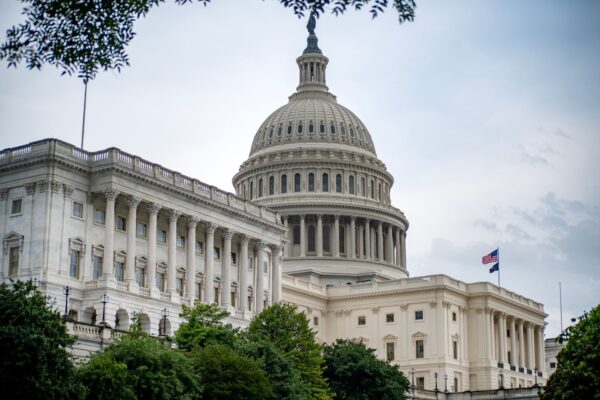
الصورة الرئيسية:سورا شيمازاكي / بيكسلز
تحقق من صحة قرار مايك روجرز ضد استيراد الأدوية
In an evaluation of recent political advertising and public claims, fact-checking organizations have scrutinized the legislative history of former Representative Mike Rogers regarding prescription drugs. Bridge Michigan investigated assertions concerning whether Rogers opposed legislative efforts to allow the importation of lower-cost pharmaceuticals from Canada. This article examines the documentary evidence, voting records, and context surrounding those legislative battles.
The debate over prescription drug importation has remained a persistent fixture of American healthcare policy for over two decades. As patients face escalating costs for life-saving medications domestically, lawmakers frequently propose importing pharmaceuticals from countries like Canada, where price controls often result in significantly lower retail costs. During campaigns and legislative debates, a politician’s record on these specific votes serves as a central point of contention for voters and advocacy groups. Recently, scrutiny has focused on the legislative record of Mike Rogers, prompting a detailed review by news organizations to determine the factual accuracy of claims made regarding his past votes in the United States House of Representatives.
Context and Background on the Legislative Record
To understand the debate surrounding Mike Rogers voted against drug imports, it is necessary to examine the structural mechanics of how prescription drugs are regulated and distributed in the United States. Under the Federal Food, Drug, and Cosmetic Act, the importation of unapproved prescription drugs from foreign nations is generally prohibited for safety and efficacy reasons. Over the years, numerous lawmakers have introduced bills or amendments designed to bypass or amend these restrictions, arguing that market competition from Canadian wholesalers would force domestic pharmaceutical companies to lower their prices. Opponents of these measures, including various congressional representatives, pharmaceutical industry stakeholders, and successive administrations of both political parties, have consistently raised regulatory and safety concerns.
The legislative battles involving foreign drug importation typically manifest as amendments to larger appropriations bills or as standalone acts. Proponents argue that certified Canadian pharmacies adhere to rigorous safety standards comparable to those in the United States, making importation a viable strategy for cost containment. Conversely, critics and cautious lawmakers point to potential vulnerabilities in the supply chain, the risk of counterfeit medications entering the domestic market, and jurisdictional challenges for the Food and Drug Administration (FDA) in foreign manufacturing facilities. Within this contentious policy framework, individual voting records are scrutinized by journalists and political opponents to ascertain whether a lawmaker supported or resisted attempts to legalize importation.
Bridge Michigan examined these legislative dynamics in its reporting, specifically looking at how past congressional votes align with public claims made about candidates. Legislative tracking systems and congressional roll call records document each instance where members of the House of Representatives cast votes on amendments relating to Canadian drug imports. By analyzing these primary sources, fact-checkers can establish a chronological and verifiable account of a politician’s legislative actions. The investigation into Mike Rogers voted against drug imports centers on specific roll call votes taken during his tenure in Congress, where amendments aimed at facilitating Canadian imports were brought to the floor for consideration.
Examining the Core Claim About Drug Imports from Canada
The Nature of the Accusation
Political messaging often distills complex legislative histories into stark binary choices. The assertion that Mike Rogers voted against drug imports from Canada is frequently deployed in campaign advertisements and public debates to characterize his stance on healthcare costs. According to reporting by Bridge Michigan, these claims are tied to specific legislative votes cast during his time representing Michigan in the U.S. House of Representatives. Evaluating such a claim requires looking past political rhetoric to identify the exact legislative instruments that were before Congress at the time.
Legislative Mechanics and Roll Call Votes
When evaluating whether a politician voted against a policy, investigators must review the specific text of the amendments or bills in question. Votes on importation measures are rarely straightforward “yes” or “no” votes on a standalone bill; they frequently appear as motions to recommit, floor amendments to Department of Health and Human Services appropriations, or procedural votes designed to alter existing regulatory frameworks. Bridge Michigan’s analysis of the record indicates that during key votes concerning the legalization or facilitation of pharmaceutical importation from Canada, Rogers opposed those specific legislative mechanisms.
Distinguishing Policy Opposition from Procedural Positioning
A rigorous factual analysis must also distinguish between opposing the concept of lower drug prices and opposing a specific statutory mechanism for importation. Critics of importation bills often argue that their opposition is rooted in safety concerns rather than a desire to protect pharmaceutical profit margins. However, regardless of the underlying rationale, the practical legislative outcome of voting against an importation amendment is the defeat of that specific policy proposal. Understanding this distinction is essential for readers who wish to evaluate political claims with analytical precision.
What the Source Material and Evidence Show
Primary Legislative Documentation
Evidence-based reporting relies primarily on official congressional records, committee hearings, and roll call tallies. Bridge Michigan reviewed these primary sources to verify the assertion that Mike Rogers voted against drug imports from Canada. Congressional archives document that during various legislative sessions, amendments were offered that would have prohibited the FDA from using appropriated funds to enforce bans on importing prescription drugs from Canada. Roll call votes on these amendments demonstrate how individual members recorded their positions.
مقارنة تحليلية بين الادعاءات والأدلة
To provide a clear, structured overview of how public statements match documentary reality, the following table contrasts common campaign claims with the verified legislative record as documented by reporting sources.
| Public Claim or Narrative | Verified Documentary Evidence | Context and Nuance |
|---|---|---|
| Mike Rogers supported lowering prescription drug prices by enabling Canadian imports. | خاطئ | Congressional roll call records show votes against amendments designed to permit Canadian drug importation. |
| Mike Rogers voted against drug imports from Canada during his time in Congress. | True | Bridge Michigan confirmed that his voting record includes opposition to specific legislative measures facilitating foreign drug imports. |
| Opposition to importation was based exclusively on consumer safety concerns. | مختلط | While safety and FDA enforcement challenges were frequently cited in debate, opponents also faced scrutiny over industry campaign contributions. |
Evaluating the Weight of the Record
The documentation retrieved from congressional databases supports the factual accuracy of the core claim that Rogers opposed these importation measures. While political campaigns often frame these votes as a wholesale rejection of affordable healthcare solutions, the technical reality is that the votes were cast against specific legislative amendments designed to alter FDA enforcement rules regarding Canadian pharmaceutical imports. Fact-checking organizations emphasize the importance of maintaining this technical accuracy while acknowledging the real-world policy implications of those votes.
How the Narrative Spread Across Media Outlets
The Lifecycle of a Political Fact-Check
In contemporary media ecosystems, claims regarding a candidate’s voting record propagate rapidly through digital advertising, social media platforms, and partisan news commentary. When a prominent claim such as Mike Rogers voted against drug imports gains traction, regional and national news organizations step in to verify its accuracy. Bridge Michigan played a central role in examining the veracity of these statements, ensuring that voters had access to primary-source verification rather than relying solely on unfiltered campaign messaging.
Amplification Through Campaign Advertising
Political action committees and opposing campaigns frequently utilize a politician’s past legislative votes as the foundation for attack ads. These advertisements often condense nuanced legislative histories into concise, emotionally resonant soundbites. By highlighting votes against importation amendments, political opponents seek to portray the candidate as unresponsive to the financial pressures facing constituents. Investigative reporting examines these advertisements to determine whether their characterization of the legislative record is accurate, misleading, or entirely false.
The Role of Independent Journalism
The dissemination of verified facts relies on the work of nonpartisan newsrooms and investigative desks. By publishing detailed breakdowns of legislative histories, organizations like Bridge Michigan counteract the tendency of campaign communications to oversimplify complex policy debates. This reporting process involves cross-referencing campaign ads with official congressional transcripts, roll call votes, and statements from policy experts, ensuring that the public receives an accurate and balanced account of the issues.
Key Verification Checklist and Contextual Findings
When assessing claims about political voting records, investigative journalists utilize specific verification protocols to ensure accuracy. The following red flags and verification steps outline the methodology used by fact-checkers when evaluating statements about legislative history.
- Verify the exact bill or amendment number: General claims about a politician’s record must be tied to specific legislative text rather than vague policy descriptions.
- Examine the procedural context: Understand whether a vote was on a final passage, a procedural motion, or an amendment attached to an unrelated spending bill.
- Consult primary legislative archives: Rely on official congressional databases, roll call tallies, and committee reports rather than secondary partisan summaries.
- Evaluate the stated rationale versus practical outcomes: Acknowledge both the safety arguments raised by opponents and the financial implications for consumers.
- Check for context omissions: Ensure that reporting does not strip away the broader legislative debate surrounding FDA regulations and supply chain safety.
Applying these verification steps to the narrative surrounding Mike Rogers voted against drug imports reveals that while the core factual assertion is supported by congressional voting records, the broader political debate often lacks the technical nuance required to fully understand why those votes were cast. Fact-checkers emphasize that precision in describing legislative mechanisms is essential for maintaining public trust and informed political discourse.
Institutional and Public Responses to the Vote
Advocacy Groups and Patient Perspectives
Patient advocacy organizations and consumer protection groups frequently monitor congressional votes on pharmaceutical pricing. When lawmakers oppose importation measures, these organizations often issue public critiques, arguing that such votes protect pharmaceutical industry profit margins at the expense of American families struggling to afford necessary medications. Conversely, manufacturing associations and public health organizations that support strict regulatory oversight have defended votes against importation, citing potential risks related to counterfeit drugs and lack of regulatory jurisdiction over foreign pharmacies.
Reactions from Political Stakeholders
In response to scrutiny over his voting record, representatives for political figures like Mike Rogers typically point to alternative approaches for addressing high prescription drug costs, such as promoting domestic generic drug competition, encouraging biomedical innovation, and streamlining FDA approval processes for domestic medications. These differing policy frameworks illustrate the deep ideological divisions within Congress regarding how best to balance consumer affordability with product safety and intellectual property protections.
The Broader Policy Debate
The ongoing discourse surrounding pharmaceutical importation underscores the persistent challenge of healthcare affordability in the United States. As state legislatures and federal lawmakers continue to explore innovative solutions to lower out-of-pocket costs for constituents, past votes on measures like Canadian drug importation will remain a focal point of public scrutiny and political accountability.
How to Evaluate Political Fact-Checking Claims
Navigating the complex landscape of political advertising and media reporting requires critical analytical skills. Readers and voters can better evaluate claims about legislative records by adopting a systematic approach to media consumption. First, always seek out primary documentation, such as official roll call votes and bill summaries, rather than relying exclusively on secondary political commentary or campaign advertisements.
Second, examine whether a claim relies on omission or distortion of context. For instance, stating that a lawmaker voted against “lower drug prices” is often a rhetorical framing of a vote that was technically cast against a specific regulatory mechanism or importation amendment. Understanding the precise legal and procedural nature of the vote prevents consumers of news from being misled by hyperbole.
Finally, rely on reputable, evidence-based journalism organizations that transparently cite their sources and adhere to rigorous editorial standards. Publications like Bridge Michigan provide the foundational reporting necessary to hold public officials accountable while maintaining adherence to verifiable facts.
الأسئلة الشائعة
Did Mike Rogers vote against drug imports from Canada?
Yes. According to reporting and legislative records analyzed by Bridge Michigan, Mike Rogers cast votes during his congressional career against specific legislative amendments designed to permit or facilitate the importation of prescription drugs from Canada.
What was the stated reason for opposing drug importation amendments?
Lawmakers who opposed importation amendments frequently cited concerns regarding consumer safety, the integrity of the pharmaceutical supply chain, and the inability of the Food and Drug Administration to inspect and regulate foreign manufacturing facilities and pharmacies effectively.
Are prescription drug imports from Canada currently legal under federal law?
Under the Federal Food, Drug, and Cosmetic Act, the commercial importation of unapproved prescription drugs from foreign countries remains generally prohibited, though some state-level importation programs have pursued federal authorization under specific statutory pathways.
Why do proponents argue in favor of Canadian drug importation?
Proponents argue that Canada’s government-regulated pricing structure results in significantly lower retail costs for identical prescription medications, providing much-needed financial relief to American consumers facing high out-of-pocket healthcare expenses.
How do fact-checkers verify voting records like this?
Fact-checkers verify legislative claims by consulting official congressional archives, committee transcripts, and roll call tallies to match public statements against the exact text of bills and amendments voted upon by members of Congress.