The week’s developments in media, propaganda, and narrative control reveal a global tightening of information control, with authoritarian and state-aligned actors leveraging financial, technological, and institutional levers to suppress dissent and reshape public discourse. From Thailand’s media landscape increasingly aligned with Beijing’s interests to India’s systematic crackdown on digital watchdogs, the erosion of independent journalism persists. Meanwhile, emerging technologies like AI chatbots and platform algorithms—intended to democratize information—are being weaponized to spread misinformation, while legacy platforms like Reddit face backlash over corporate manipulation of user-generated content.
In regions like Tibet and Russia, state-directed censorship remains entrenched, with calls for external intervention—such as U.S.-funded broadcasting—to counter propaganda vacuums. The week underscores a critical juncture: as tools of narrative control evolve, so too must strategies to resist them.
The interplay between technological innovation, corporate influence, and state power demands urgent scrutiny, particularly as these forces converge to undermine democratic norms.
هذا الأسبوع ست مقالات مميزة
<strong>Beijing’s Grip: How China Reshapes Thailand’s Media Landscape</strong>

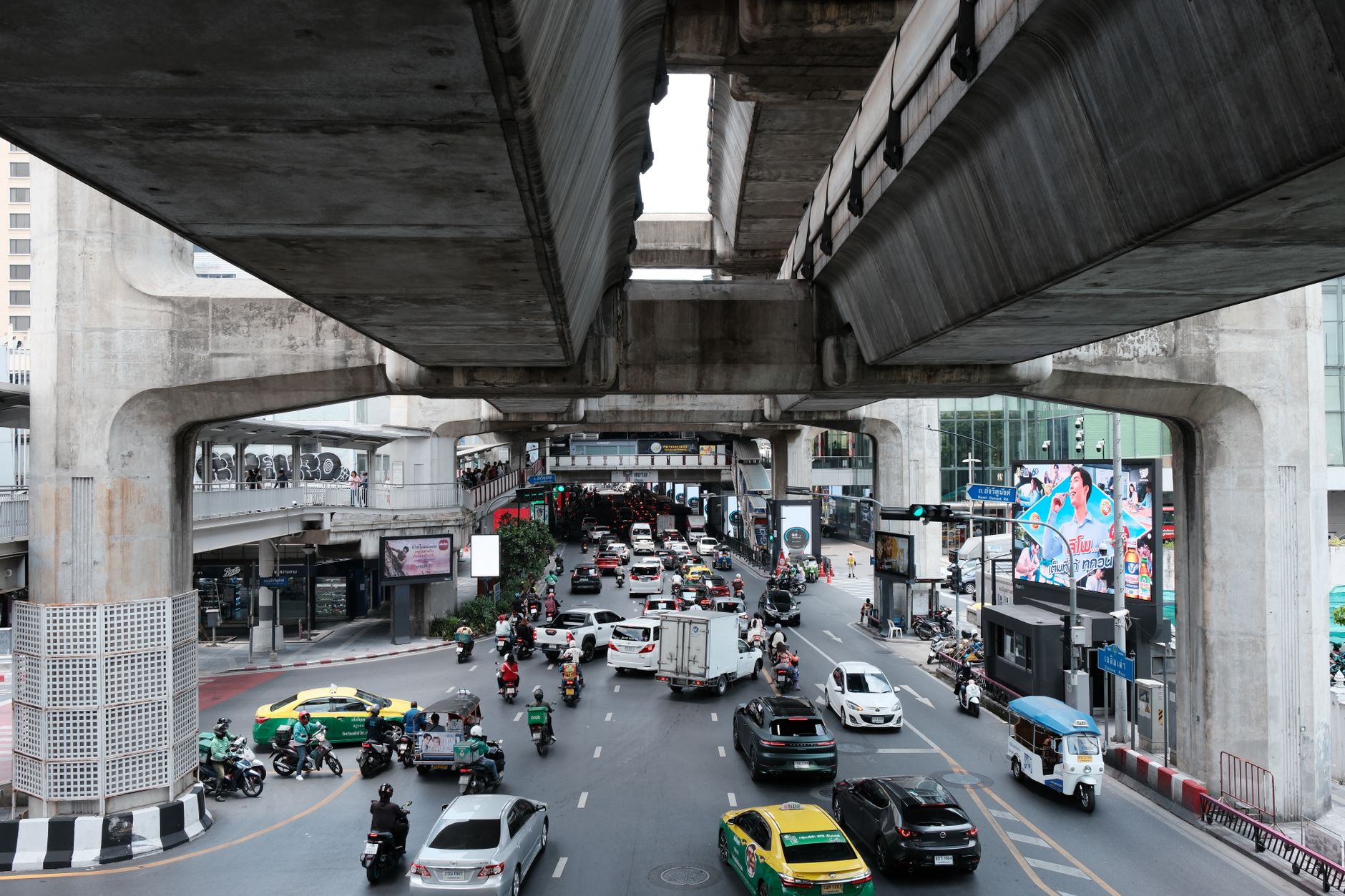
Reporters Without Borders (RSF) highlights China’s expanding influence over Thailand’s media through financial incentives, ownership shifts, and subtle political pressures, eroding editorial independence. The trend extends beyond overt censorship to align Thai outlets with Beijing’s state narratives, raising concerns about democratic discourse’s future in the region.
<strong>India’s Digital Crackdown: Penalizing Censors Who Monitor Censorship</strong>

The Electronic Frontier Foundation’s report exposes India’s escalating tactics to suppress online dissent, now targeting individuals and groups that document censorship itself. The architecture of digital control has evolved from content filtering to systemic retaliation against watchdogs, chilling independent oversight.
<strong>AI Chatbots as Misinformation Vectors: Unchecked Spread of U.S. Election Falsehoods</strong>

Conversational AI systems are increasingly amplifying unverified claims about the U.S. election, exploiting structural vulnerabilities in real-time information dissemination. Regulators and researchers are scrambling to address how automated tools accelerate the spread of propaganda without accountability.
<strong>Reddit’s Corporate Overreach: Users Reject Astroturfing in Peer Reviews</strong>

Recent Reddit platform updates have sparked outrage over corporate manipulation of user-generated content, with critics arguing the changes undermine decentralized trust. The backlash highlights the tension between algorithmic governance and organic community integrity in digital spaces.
<strong>Tibet’s Information Blackout: ICT Calls for U.S. Broadcasting Revival</strong>

A new report from the International Campaign for Tibet urges the U.S. to restore Tibetan broadcasting to counter pervasive state censorship and propaganda. The investigation underscores how information vacuums enable authoritarian control in restricted regions.
<strong>Russia’s Censorship Mechanisms: Exiled Journalists Expose Authoritarian Tactics</strong>

Testimonies from exiled and practicing journalists at Seton Hall University detail Russia’s layered censorship strategies, from media suppression to narrative shaping. The discourse underscores how authoritarian regimes systematically dismantle independent journalism as a tool of governance.
المفاتيح الرئيسية
- Global erosion of media independence—from Thailand’s China-aligned outlets to India’s digital crackdown—demonstrates coordinated suppression of dissent through financial, technological, and legal levers.
- AI and algorithms as propaganda accelerators, with chatbots and platform changes amplifying misinformation while undermining trust in user-generated content.
- State-directed information vacuums in regions like Tibet and Russia require external intervention—such as U.S.-funded broadcasting—to counter systemic censorship.
- Corporate platforms’ role in narrative control, as Reddit’s recent changes reveal tensions between profit-driven governance and community autonomy.
- Urgent need for regulatory and civil society responses to counter the convergence of authoritarian tactics, technological vulnerabilities, and corporate influence.
استكشف المزيد من منتجاتناوسائط إعلامية، ودعاية، وسيطرة على السرد الإعلامي.