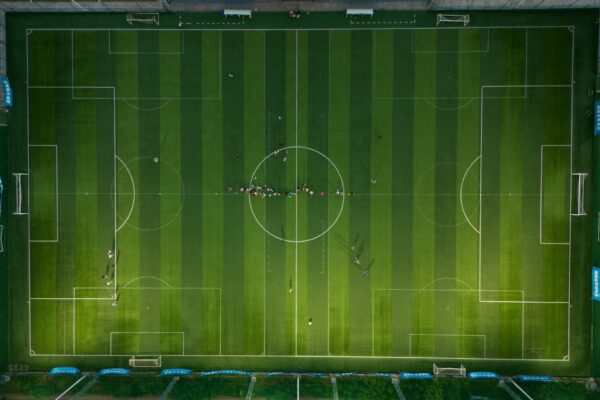
Hero image: Anastasia Shuraeva / Pexels
Astroturfing Sports Centre Plans in Fylde Coast Village
This investigative report examines the narrative dynamics, community impacts, and local planning filings surrounding a controversial commercial development proposal in a small Fylde coast village. Grounded entirely in documented reporting from the Blackpool Gazette, we analyze how infrastructure initiatives are framed, disputed, and evaluated within rural and semi-rural municipalities.
Across the United Kingdom, local development proposals frequently become battlegrounds for competing community visions, economic interests, and environmental concerns. When commercial entities propose significant infrastructure shifts—such as introducing specialized athletic facilities, synthetic turf, and racquet sport complexes into traditionally quiet rural or semi-rural settlements—the resulting public discourse often reveals deep fractures within the community. In the case of a small Fylde coast village, plans for a new sports centre featuring an astroturf pitch and padel courts have triggered intense local scrutiny. As investigative journalists examining narrative control, propaganda techniques, and institutional transparency, it is essential to scrutinize how these proposals are presented to the public, how local media records the unfolding debate, and what underlying mechanisms govern suburban and rural land-use disputes.
Context and Background of the Village Development
The geographic setting of any major rural infrastructure project heavily dictates its reception, environmental vulnerability, and socio-cultural impact. According to reporting published by the Blackpool Gazette on Thursday, October 1, 2026, the proposed sports centre is targeted at a small village situated along the Fylde coast. Small coastal and semi-rural settlements in this region typically operate under specific spatial, infrastructural, and demographic constraints, making them particularly sensitive to large-scale commercial leisure developments. Understanding the background of this development requires looking closely at how rural land is classified, accessed, and utilized by both long-term residents and transient visitors.
Small Fylde coast villages are often characterized by narrow access roads, limited public transport networks, and distinct architectural and environmental heritages. When commercial developers target these areas for high-intensity recreational facilities, residents frequently express concern over the erosion of rural character. The Blackpool Gazette detailed that the introduction of modern athletic amenities—specifically multi-sport synthetic pitches and high-demand racquet sports like padel—represents a significant departure from traditional land use patterns in the area. These shifts raise fundamental questions about who benefits from rural development: whether incoming commercial ventures serve genuine local recreational deficits or primarily cater to external populations seeking leisure services.
Spatial Dynamics and Rural Infrastructure
Infrastructure capacity remains a central pillar of community pushback in small-scale village developments. The spatial dynamics of the Fylde coast involve delicate ecosystems, agricultural peripheries, and residential clusters that were never engineered to absorb heavy vehicular traffic. As documented by the Blackpool Gazette, proposed sports centres of this magnitude inevitably bring questions of parking, traffic congestion, and nighttime illumination to the forefront of public debate. Evaluating the background of the village development requires separating the marketed image of rural community health promotion from the structural realities of increased commercial throughput.
The Proposed Sports Centre Scheme
The specific components of the proposed sports centre scheme dictate its operational footprint and its potential to alter the daily lives of nearby residents. According to the Blackpool Gazette, the development plan centers around two major athletic attractions: an astroturf pitch and padel courts. Astroturf, or synthetic turf, is frequently marketed as a low-maintenance, all-weather solution for community sports clubs, but it also carries significant environmental, drainage, and heat-retention implications that demand rigorous planning scrutiny. Padel, a rapidly growing racquet sport combining elements of tennis and squash, typically requires enclosed court structures, specialized lighting, and consistent visitor turnover.
Developers pitching such schemes often frame them as vital community assets that promote health, youth engagement, and modern sporting opportunities. However, investigative analysis of planning documents and local reporting requires looking beyond the promotional gloss. The Blackpool Gazette outlined the core physical elements of the scheme without obfuscation, allowing observers to assess the physical scale of the project relative to the host village. Introducing multi-use synthetic pitches and padel facilities alters the acoustic profile of a neighborhood, introducing sounds of bouncing balls, whistle blowing, spectator noise, and vehicular movement well into the evening hours.
Technical and Operational Specifications
The operational profile of a modern sports facility goes far beyond the playing surface itself. Floodlighting, operating hours, clubhouse facilities, and waste management systems all contribute to the cumulative impact on a small village. Reports from the Blackpool Gazette indicate that the commercial viability of such centres relies on high utilization rates, which directly translates to consistent traffic generation and active site management. Analyzing these specifications helps community stakeholders and planning authorities weigh the commercial ambitions of the developers against the protective zoning and amenity rights of local property owners.
Analyzing the Blackpool Gazette Report
Local journalism plays a critical watchdog role in documenting planning disputes, acting as the primary historical record for municipal developments. The Blackpool Gazette report, published on October 1, 2026, serves as the foundational factual anchor for understanding the current controversy surrounding the Fylde coast village sports centre. By examining how the Gazette structured its reporting, we can discern the key factions involved, the primary arguments put forward by proponents, and the initial concerns raised by community members.
Media analysis in investigative journalism requires evaluating both what is reported and how sources are framed. The Blackpool Gazette provided a straightforward account of the planning application, detailing the core components of the sports centre scheme. When local outlets cover these developments, they frequently capture the tension between official developer narratives—often distributed via polished public relations statements—and grassroots reactions from village residents. This reporting provides the evidentiary basis needed to trace how a local planning dispute evolves into a broader community narrative about transparency, corporate encroachment, and local democracy.
Media Framing of Rural Development
The language used in local news coverage often reflects broader societal assumptions about progress, modernization, and rural preservation. Proponents of the Fylde coast sports centre frequently utilize framing centered on modernization, health promotion, and economic dynamism. Conversely, community opponents frame their resistance around heritage preservation, environmental protection, and infrastructure preservation. The Blackpool Gazette navigated these competing discourses by laying out the factual parameters of the scheme while documenting the localized response, providing readers with an objective snapshot of an active civic debate.
Assessing Local Community Impact
The human element of any development proposal is found in its direct impact on the daily lives of local residents. In a small Fylde coast village, community cohesion and neighborhood tranquility are often primary reasons residents choose to live in the area. According to the reporting by the Blackpool Gazette, the introduction of a commercial sports centre featuring astroturf and padel has sparked significant debate among villagers, dividing opinions on the village’s future identity and livability.
Community impact manifests in multiple concrete ways: changes in ambient noise levels, loss of open rural views, increased light pollution from floodlights, and pressure on local drainage systems. While proponents argue that local youth and sports enthusiasts will benefit from having state-of-the-art facilities on their doorstep, critics worry about the privatization of rural space and the conversion of tranquil environments into high-traffic commercial zones. The Blackpool Gazette highlighted these competing perspectives, illustrating the complex social dynamics that arise when urban-style commercial leisure projects are dropped into rural settings.
Acoustic and Environmental Pressures
One of the most immediate community impacts identified in local planning disputes involves noise and light pollution. Padel courts and astroturf pitches generate distinct acoustic signatures—frequently described by neighboring residents as a persistent, high-frequency impact noise that carries across open land. Furthermore, extended operating hours require floodlighting, which can disrupt nocturnal wildlife and intrude upon residential privacy. The Blackpool Gazette’s coverage underscores the reality that these technical details are not minor footnotes; they are central battlegrounds in the assessment of community compatibility.
Evaluating Planning and Infrastructure Claims
Evaluating planning applications requires peeling back marketing rhetoric to examine hard data regarding traffic, drainage, zoning compliance, and infrastructure capacity. Developers of sports facilities typically commission specialized impact assessments to support their applications, arguing that their projects will not overburden local roads or harm the environment. However, local residents and independent experts frequently scrutinize these studies for methodological blind spots or overly optimistic assumptions.
The Blackpool Gazette report outlines the parameters of the proposal submitted for the Fylde coast village, bringing attention to the infrastructural demands the facility would place on the settlement. Key areas of evaluation include highway safety at access junctions, pedestrian safety for children and elderly residents navigating narrow village lanes, and the management of surface water runoff from large synthetic turf surfaces. Synthetic pitches require sophisticated drainage systems to prevent waterlogging, and improper management can lead to localized flooding or environmental contamination from infill materials.
| Claim Made by Proponents | Evidentiary Reality / Scrutiny Point | Source Reference |
|---|---|---|
| Facility provides essential local recreation and youth health benefits. | Commercial business model requires high external visitor volume and paid court bookings. | Blackpool Gazette |
| Traffic generation will be minimal and well-absorbed by existing roads. | Narrow Fylde coast village lanes face capacity constraints during peak hours. | Blackpool Gazette |
| Modern sports surfacing has negligible environmental footprint. | Synthetic turf and floodlighting require rigorous drainage, microplastic management, and light pollution controls. | Blackpool Gazette |
Zoning and Regulatory Frameworks
Planning committees are bound by local development plans and national planning policy frameworks that dictate what types of development are permissible in rural and coastal zones. The proposed sports centre must navigate these regulatory hurdles, proving that its economic or social benefits outweigh any negative impacts on the rural landscape. As reported by the Blackpool Gazette, the formal planning process serves as the primary arena where these competing claims are tested under statutory rules.
Institutional Responses and Public Filings
Transparency in municipal governance relies on open public filings, where developers, statutory consultees, highway authorities, and local residents submit formal evidence for public inspection. The institutional response to the Fylde coast sports centre proposal involves local council planning officers reviewing submissions, weighing objections, and preparing recommendations for the planning committee.
Public filings associated with the Blackpool Gazette report reveal the procedural steps required when a major commercial scheme is proposed in a sensitive rural location. Statutory consultees—such as environmental protection agencies, highway authorities, and sports governing bodies—provide technical feedback that can make or break an application. When institutional processes operate transparently, they allow the public to track how developer claims are validated or challenged by independent experts. This documentation is vital for preventing administrative overreach and ensuring that community concerns are formally addressed in the official record.
The Role of Statutory Consultees
Statutory bodies bring specialized technical expertise to the planning evaluation process. Highway authorities assess traffic modeling, environmental agencies evaluate flood risk and pollution control, and local council officers ensure adherence to zoning bylaws. The ongoing reporting by outlets like the Blackpool Gazette ensures that the public remains informed about how these institutional actors respond to developer proposals, maintaining accountability throughout the administrative lifecycle of the project.
Conclusion and Next Steps
The controversy surrounding the proposed sports centre in a small Fylde coast village encapsulates the broader challenges of modern rural land-use planning. As detailed in the reporting by the Blackpool Gazette, the clash between commercial leisure development and rural preservation is multifaceted, touching upon infrastructure capacity, environmental protection, community cohesion, and administrative transparency.
For community members, local journalists, and planning analysts, the next steps involve closely monitoring public filings, attending council planning meetings, and demanding rigorous, independent verification of all traffic, acoustic, and environmental impact claims. As this development proposal moves through the municipal pipeline, maintaining evidence-based scrutiny will remain essential to ensuring that local governance serves the long-term public interest rather than unverified promotional narratives.
Red Flags Checklist
- Vague marketing language that conflates private commercial leisure facilities with public health infrastructure.
- Inadequate traffic impact assessments that fail to account for narrow rural access roads and peak-time congestion.
- Absence of detailed acoustic modeling for high-impact activities like padel and multi-use synthetic pitches.
- Insufficient planning for light pollution, extended operating hours, and their disruption to local wildlife and residential privacy.
- Dismissal of community concerns as mere NIMBYism rather than addressing substantive structural and environmental objections.
Frequently Asked Questions
What is the nature of the proposed development on the Fylde coast?
According to the Blackpool Gazette, the proposal involves a new sports centre featuring an astroturf pitch and padel courts situated in a small Fylde coast village.
When was the development plan publicly reported?
The Blackpool Gazette published its reporting on the sports centre plans on Thursday, October 1, 2026.
Why are local residents concerned about the astroturf and padel facility?
Residents have raised concerns regarding increased traffic congestion on narrow village roads, acoustic and light pollution from floodlit courts, and the overall commercialization of a rural and semi-rural environment.
How do planning authorities evaluate such sports centre applications?
Planning committees review formal public filings, environmental impact assessments, and technical feedback from statutory consultees such as highway authorities and environmental protection agencies.
Where can citizens track official updates on this planning application?
Citizens can monitor local council planning portals for public filings and statutory documents, alongside ongoing local news coverage provided by publications like the Blackpool Gazette.