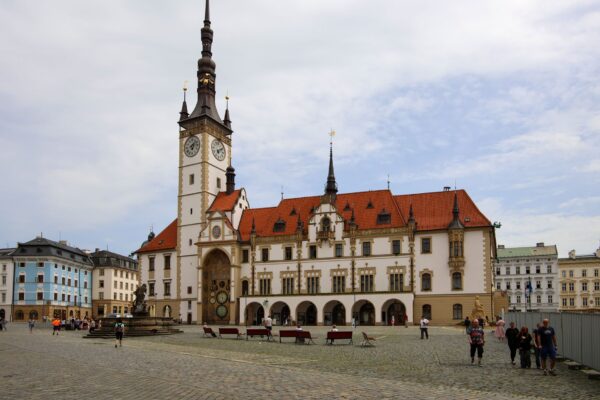
Hero image: Helena Jankovičová Kováčová / Pexels
Czech State Media Independence Threatened by Government Push
Czech political institutions are currently facing intense scrutiny and debate following a controversial legislative push by the government aimed at altering the governance and editorial independence of public broadcasting. As reported by Brno Daily, the initiative has sparked widespread concern among media watchdogs, civil society organizations, and political analysts regarding narrative control and democratic integrity.
The core claim under examination involves a government-led effort to restructure the framework governing Czech state media, a move critics argue threatens the foundational firewall protecting public broadcasters from direct political interference. In democratic societies, public service media functions as an essential pillar of accountability, providing independent, verified information free from immediate electoral cycles or partisan whims. When executive or legislative powers move to alter the operational independence of these institutions, it raises immediate warning flags for investigators tracking narrative control, institutional capture, and the erosion of democratic checks and balances. This analysis examines the documented developments, stakeholder arguments, and broader implications of the ongoing debate in Czech politics.
Context and Background of Czech Media Policy
The historical architecture of Czech public broadcasting was established in the post-communist era to ensure that state-funded radio and television operated independently of government control. Designed to mirror successful Western European models such as the BBC, Czech public media has traditionally relied on public funding mechanisms and independent oversight boards to shield journalists from political coercion. This framework was built on the premise that access to reliable, unvarnished news is a public good vital for an informed electorate.
Over successive administrations, maintaining this structural firewall has required constant vigilance. Previous policy debates focused primarily on the technical aspects of funding stability, license fee collections, and the appointment processes for broadcasting council members. However, these debates have now escalated into fundamental structural challenges. Brno Daily reported that the current political maneuvers represent a significant departure from standard administrative adjustments, directly threatening the institutional autonomy that has safeguarded Czech public broadcasting for decades.
Understanding the current crisis requires examining the broader European context of media freedom. Across several Central and Eastern European nations in recent years, governing coalitions have utilized legislative amendments to exert greater influence over public broadcasting networks. These tactics often involve restructuring supervisory boards, altering budgetary approvals, or introducing vague regulatory standards that favor executive narratives. The current developments in Prague reflect these broader regional trends, making the defense of editorial independence a critical battleground for democratic governance.
The Government Push to Alter State Media Independence
Legislative Mechanics and Proposed Changes
The legislative initiatives advanced by the government involve targeted modifications to the statutes governing public media management and oversight. According to Brno Daily, these proposals seek to introduce structural changes that would alter how supervisory boards are constituted and how executive leadership is appointed within state-backed broadcasting institutions. By modifying the appointment mechanisms, the administration risks replacing independent oversight with political patronage.
Shifting Institutional Control
At the heart of the government push is a mechanism designed to increase executive leverage over day-to-day administrative decisions and long-term strategic planning. Critics point out that when governing coalitions gain direct authority over personnel appointments and budgetary allocations, the practical barrier protecting journalists from self-censorship begins to erode. Brno Daily highlighted that these alterations are being advanced under the banner of administrative efficiency and modernization, framing increased political oversight as a necessary reform.
The Impact on Editorial Integrity
When the structural independence of state media is compromised, the immediate casualty is editorial integrity. Investigative reporting that holds power to account becomes increasingly vulnerable to subtle pressures, budget tightening, or direct management intervention. The government push documented by Brno Daily threatens to transform public service broadcasters from independent public watchdogs into mouthpieces for the ruling coalition, undermining the fundamental trust that citizens place in national media outlets.
What Brno Daily Reported on the Controversy
The public awareness of these legislative maneuvers crystallized following comprehensive reporting by Brno Daily. The publication detailed the timeline of the government’s push, outlining the specific provisions within the proposed regulatory changes and capturing the immediate reactions of media professionals and institutional watchdogs. Brno Daily noted that the administration’s strategy caught many observers off guard due to the speed and determination with which the policy changes were introduced.
Furthermore, Brno Daily documented the sharp divisions within the political sphere regarding the necessity of the reforms. While government proponents defended the measures as routine updates to obsolete governance structures, opposition figures and independent experts characterized the push as a deliberate assault on democratic norms. The reporting emphasized that the stakes extend far beyond legislative technicalities, touching upon the fundamental right of citizens to receive unbiased, fact-based information from state-supported entities.
By bringing these developments to light, Brno Daily provided essential documentation for investigators and civil society groups monitoring the health of Czech democracy. The coverage underscored the reality that narrative control is rarely seized overnight through dramatic interventions; rather, it is systematically advanced through legal amendments, administrative adjustments, and the gradual dismantling of independent oversight mechanisms.
Implications for Democratic Institutions and Narrative Control
The Erosion of Public Trust
Democratic governance relies heavily on the trust that citizens place in public institutions, with state media serving as one of the most visible touchpoints between the state and the public. When that media apparatus is subordinated to partisan interests, public trust fractures. As Brno Daily indicated, altering the independence of Czech public broadcasting signals to citizens that official news channels may no longer serve the public interest, but rather the political survival of the governing coalition.
Facilitating State Propaganda
A controlled media environment is the primary vehicle for state propaganda. Without robust editorial independence, public broadcasters can be utilized to amplify official narratives, marginalize critical voices, and suppress investigations into government corruption or policy failures. The current push in Czech politics creates a structural pathway for this exact transition, replacing rigorous journalism with sanitized reporting that protects political elites from accountability.
Regional Precedents and Spillover Effects
The situation in the Czech Republic does not occur in a vacuum. Analysts tracking media freedom across Europe recognize that the weakening of public broadcasting norms in one nation can embolden similar efforts in neighboring states. By observing how the Czech government attempts to alter media independence, international watchdogs gain crucial insights into modern methods of institutional capture and narrative management within established democracies.
Analyzing the Political Arguments Surrounding the Push
To understand the controversy fully, it is necessary to examine the justifications offered by the government alongside the evidence compiled by critics and independent journalists. The administration maintains that the proposed changes are designed to enhance accountability, streamline operations, and ensure that public broadcasters remain responsive to contemporary societal needs. Proponents argue that traditional governance models are outdated and require modernization to handle the financial and technological challenges facing modern media.
Conversely, independent analysts and journalistic unions dismantle these arguments by pointing to the actual mechanics of the proposed legislation. As reported by Brno Daily, the practical effect of the government’s push is the concentration of power in executive hands rather than genuine modernization. Critics argue that if transparency and efficiency were the true goals, the administration would have engaged in open consultations with journalistic bodies, civil society, and opposition parties rather than rushing amendments through legislative channels.
| Government Claim | Investigative Evidence & Critique |
|---|---|
| Reforms modernize obsolete governance structures. | Proposed changes alter board appointments, increasing executive control rather than updating technology or efficiency. |
| Measures increase public accountability. | By replacing independent oversight with political appointees, accountability shifts from the public to the ruling coalition. |
| Policy changes ensure financial stability. | Budgetary adjustments are tied to administrative compliance, threatening editorial independence under the guise of fiscal management. |
Institutional Responses and Public Reaction
The government’s push to end independence for state media has triggered robust resistance from a coalition of domestic and international institutions. Journalistic associations, press freedom watchdogs, and academic bodies have issued formal statements condemning the legislative trajectory. These organizations argue that undermining public media strikes at the core of democratic participation and free expression.
Public reaction, as documented by Brno Daily, has manifested through civic discussions, demonstrations, and active engagement by civil society groups demanding transparency and the protection of independent journalism. Citizens and grassroots organizations have mobilized to pressure lawmakers, emphasizing that state media belongs to the public, not to transient political majorities. International bodies have also begun monitoring the situation closely, reminding Prague of its commitments to democratic standards and media freedom within the European framework.
Outlook on the Future of Czech Public Broadcasting
The trajectory of Czech public broadcasting remains uncertain as the legislative battle continues to unfold in political arenas and public forums. Whether the government will succeed in cementing its proposed changes depends on the strength of parliamentary opposition, the persistence of civil society resistance, and the pressure exerted by international watchdogs.
What remains clear is that the fight over state media independence is a defining moment for Czech democracy. The outcome will set a powerful precedent for how institutional safeguards withstand political pressure in Central Europe. If the government’s push succeeds, it may permanently alter the landscape of public information in the country, establishing a model of narrative control that prioritizes political alignment over factual integrity and public service.
Red Flags Checklist
- Rapid legislative amendments introduced without adequate public consultation or expert input.
- Restructuring of supervisory boards to favor political appointments over independent professionals.
- Vaguely worded regulatory standards that open the door to selective enforcement and self-censorship.
- Official rhetoric framing critical journalism as partisan opposition rather than a democratic necessity.
- Concentration of budgetary and administrative control within executive ministries.
Frequently Asked Questions
What is the core issue regarding Czech state media independence?
The core issue involves a government legislative push aimed at altering the governance, oversight, and operational independence of Czech public broadcasters, which critics argue threatens editorial integrity and opens the door to political interference.
How has the media covered this political controversy?
Independent outlets like Brno Daily have detailed the timeline of the government’s push, capturing the legislative mechanics of the proposed changes and highlighting the sharp divisions between government justifications and critics’ warnings.
Why is public media independence important for democracy?
Public service media provides verified, unbiased information that holds government officials accountable and ensures citizens have access to facts free from partisan coercion or state propaganda.
What arguments does the government use to defend the proposed changes?
The government argues that the legislative push is necessary to modernize obsolete governance structures, improve administrative efficiency, and enhance public accountability within broadcasting institutions.
What are the primary concerns raised by media watchdogs and critics?
Critics warn that the proposed changes increase executive leverage over personnel and budgets, effectively dismantling the firewall that protects journalists and enabling greater state narrative control.