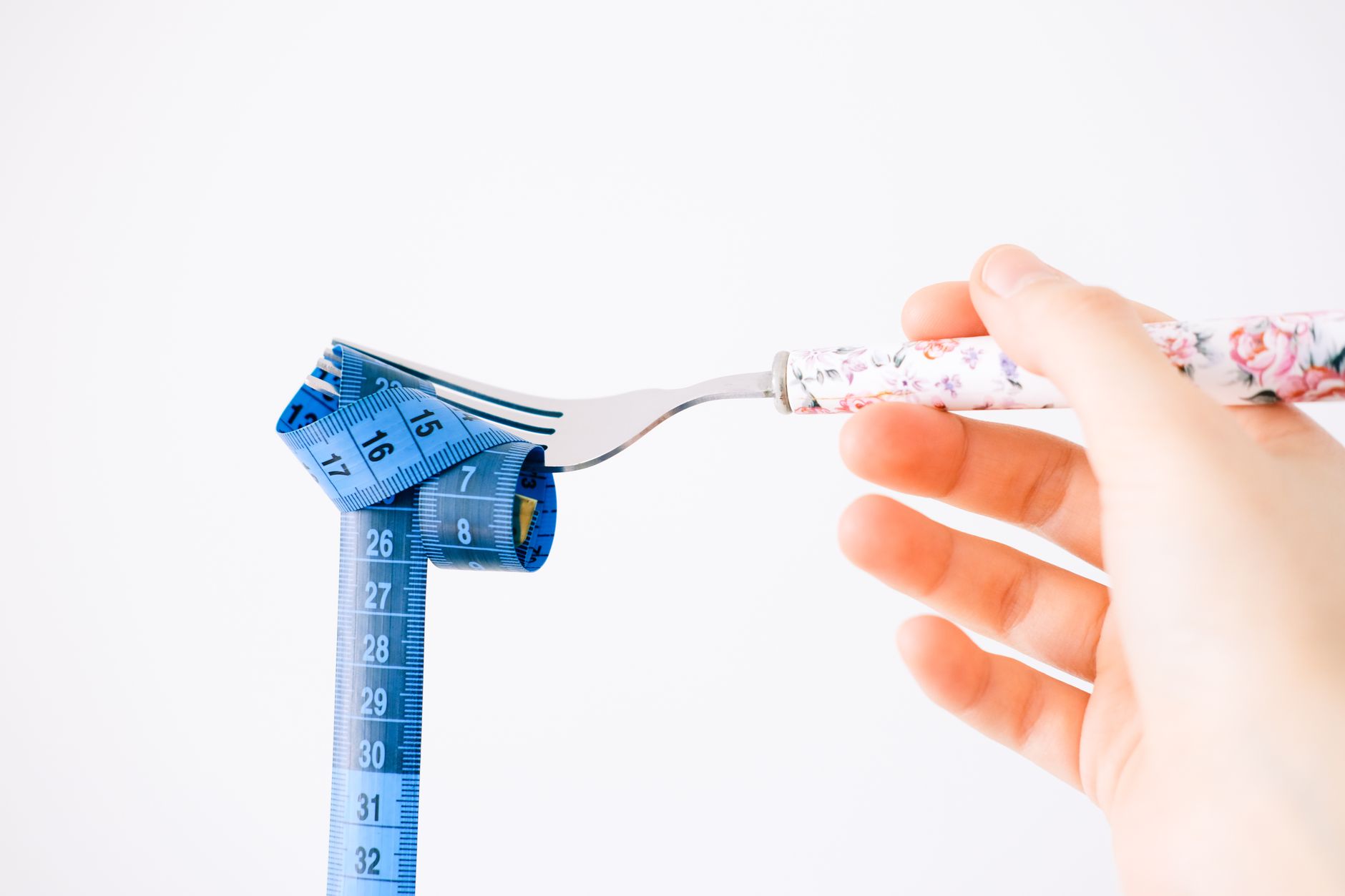
Hero image: Beyzaa / Pexels
Dietitians Counter Toxic Dieting and Food Fear Trends
Modern wellness culture frequently promotes restrictive eating patterns that cultivate intense anxiety around normal dietary choices. By examining professional insights from clinical practice, we can deconstruct the mechanisms of toxic dieting and understand how dietitians work to reverse food fear.
The contemporary wellness landscape is saturated with messaging that categorizes foods into rigid moral binaries of good and bad, clean and dirty. This phenomenon, often termed toxic dieting or wellness culture zealotry, has created an environment where millions of individuals experience severe anxiety, guilt, and fear regarding everyday meals. As misinformation spreads rapidly across digital platforms, separating clinical dietary science from commercialized nutritional dogma becomes essential. According to reporting by The Australian, dietitians who have experienced and studied this cycle from both professional and personal perspectives are stepping forward to dismantle the culture of food fear and help the public rediscover a balanced relationship with eating.
Context and Prevalence of Modern Diet Culture
Diet culture has evolved from traditional calorie-counting guides into sophisticated digital ecosystems that commodify anxiety. In contemporary media, nutritional advice is frequently presented through absolute statements that demonize entire food groups. This environment normalizes a state of chronic vigilance regarding what enters the body. The relentless exposure to transformation photos, strict meal plans, and pseudo-scientific detox protocols creates a cultural baseline where fearing food is treated as a sign of health and discipline.
The prevalence of these restrictive trends is amplified by algorithms that reward extreme content. Content promoting severe caloric restriction, elimination diets, and the demonization of macronutrients like carbohydrates or fats generates higher engagement than nuanced, evidence-based nutritional guidance. As The Australian documented, even professionals within the nutrition and dietetics field have historically fallen prey to the pressure of maintaining a specific, often unattainable, physical standard, internalizing the very food fears they are trained to treat in patients.
Understanding this context requires looking at how diet culture intersects with modern lifestyle pressures. People turn to restrictive diets not merely for physical health, but as a mechanism for control in an unpredictable world. However, the pursuit of dietary perfection consistently backfires, leading to physical exhaustion and psychological distress. Recognizing how widespread this phenomenon is represents the crucial first step in dismantling the stigma associated with intuitive, flexible eating patterns.
The Psychological Impact of Toxic Dieting and Food Fear
When food is invested with moral value, eating ceases to be a biological necessity and a source of pleasure, transforming instead into a high-stakes moral test. The psychological toll of toxic dieting manifests as hyper-vigilance, social isolation, and a pervasive sense of failure when rigid rules are inevitably broken. Clinical observations consistently show that individuals trapped in cycles of food fear spend an inordinate amount of mental energy planning, tracking, and stressing over their nutritional intake.
This persistent anxiety triggers a stress response that can disrupt normal physiological processes. The fear of eating specific items often leads to a cycle of restriction followed by reactive overeating, which reinforces the false belief that the individual lacks willpower. In reality, the underlying driver is a biological survival mechanism responding to perceived starvation. As highlighted by insights in The Australian, the emotional burden of policing one’s own plate strips eating of its social and cultural value, leaving individuals isolated and emotionally depleted.
Furthermore, the cognitive distortion known as black-and-white thinking dominates toxic dieting paradigms. A single dietary deviation—often labeled as a cheat meal or a slip-up—is magnified into total failure, prompting a catastrophic abandonment of any balanced approach. Breaking this cycle requires addressing the cognitive distortions that equate nutritional choices with personal worth, allowing individuals to view food neutrally as energy, culture, and nourishment.
Evidence and Perspectives from Clinical Dietetics
Clinical dietetics has increasingly shifted away from prescriptive weight-centric models toward holistic, weight-inclusive, and behavior-focused frameworks. Evidence-based practitioners emphasize that sustainable health is not achieved through chronic restriction, but through consistent, gentle nutrition that respects bodily cues. Dietitians who have publicly shared their personal recovery from food fear emphasize that professional training does not automatically immunize individuals against cultural pressures.
According to accounts published in The Australian, dietitians are actively challenging the industry norms that equate thinness with wellness and restriction with health. These professionals advocate for an approach that honors internal hunger and satiety cues, commonly referred to as intuitive eating. By stepping back from dogmatic rules, clinical dietitians help patients reconnect with their bodies’ natural signaling systems, which have often been silenced years of dieting.
The transition from a fear-based dietary mindset to a neutral, supportive relationship with food relies on clinical validation and evidence-based education. Dietitians utilize physiological science to explain that the human body requires a diverse array of nutrients and that occasional indulgence does not undermine overall metabolic health. This evidence-first perspective neutralizes the panic instilled by wellness influencers and grounds dietary choices in biological reality rather than cultural anxiety.
How Restrictive Eating Patterns Spread and Persist
Restrictive eating trends spread through well-documented psychological and sociological vectors. Social media platforms act as accelerants, allowing unverified nutritional claims to gain viral traction under the guise of health optimization. These trends often appropriate scientific terminology—such as gut health, inflammation, or hormonal balance—to legitimize practices that lack empirical backing. By exploiting complex scientific concepts and stripping them of nuance, creators make extreme dietary rules appear authoritative.
The persistence of these patterns is also reinforced by confirmation bias and community reinforcement. Individuals who adopt strict dietary regimes often find online enclaves that validate their restrictive behaviors, creating an echo chamber where questioning the rules is viewed as a threat to health. As noted in coverage by The Australian, even those with formal training in nutrition can find themselves influenced by pervasive professional and social expectations that prioritize aesthetic conformity over holistic well-being.
Additionally, the commercial diet industry monetizes this persistence. When a particular restrictive trend inevitably fails to deliver sustainable results, the market provides a new iteration—a different superfood, a stricter protocol, or a new wearable tracker—to capture the disillusioned consumer. Recognizing the mechanisms of this cycle helps demystify why people remain trapped in chronic dieting and empowers them to opt out of the system entirely.
Recognizing the Red Flags of Extreme Dietary Restraints
Navigating the sea of nutritional information requires a discerning eye capable of spotting deceptive marketing and dogmatic control tactics. Extreme dietary restrictions rarely present themselves as harmful; instead, they are marketed as purification, healing, or optimization. Identifying the warning signs of toxic dieting protects consumers from falling into cycles of psychological and physical harm.
- The complete elimination of entire food groups without a diagnosed medical necessity or allergy.
- The attribution of moral attributes to food, such as referring to items as clean, toxic, good, or bad.
- An intense preoccupation with meal planning, ingredient sourcing, and nutritional breakdown that interferes with daily social and professional life.
- Experiencing severe guilt, anxiety, or compensatory behaviors—such as excessive exercise—after consuming certain foods.
- Promising rapid, dramatic physical transformations through secret protocols, proprietary blends, or unverified cleansing mechanisms.
- Dismissing professional medical consensus in favor of anecdotal testimonies and unverified influencer advice.
Expert Insights on Restoring a Healthy Relationship with Food
Rebuilding a healthy relationship with food requires patience, self-compassion, and a deliberate unlearning of cultural conditioning. Experts in dietetics emphasize that food freedom is not about abandoning nutrition entirely, but about removing the emotional charge attached to eating decisions. When individuals stop fearing food, they can listen to their bodies with curiosity rather than judgment.
Insights shared in The Australian illustrate that reclaiming one’s relationship with food often begins with addressing the psychological roots of control and perfectionism. Dietitians encourage patients to reintroduce feared foods gradually in safe, low-stress environments. This exposure therapy helps desensitize the fear response, proving to the brain that eating a carbohydrate or a sweet does not constitute a personal or physiological emergency.
Furthermore, experts stress the importance of cultivating diverse sources of self-worth that extend far beyond physical appearance and dietary habits. When an individual’s identity is no longer tied to their dietary compliance, the pressure to maintain an impossible standard dissolves. This psychological liberation allows for a sustainable, flexible approach to nourishment that prioritizes mental peace alongside physical vitality.
Actionable Steps to End Toxic Dieting Habits
Transitioning away from toxic dieting requires concrete, daily behavioral adjustments that gradually replace fear with neutrality. Implementing these steps helps rewire thought patterns and establishes a supportive internal dialogue around food and body image.
- Audit social media feeds and unfollow accounts, influencers, or brands that promote restrictive eating, body shaming, or rigid dietary rules.
- Practice unconditional permission to eat by consciously removing moral labels from foods and allowing all items a neutral place in your diet.
- Shift the metric of wellness away from weight and scale numbers toward how you feel physically, including energy levels, mood stability, and digestive comfort.
- Reconnect with internal hunger and satiety cues by eating without distractions, such as smartphones or work documents, to notice flavors and fullness.
- Consult a registered dietitian who specializes in intuitive eating or weight-inclusive care for personalized, evidence-based guidance.
Red Flags vs. Legitimate Dietary Guidance
To assist readers in evaluating nutritional advice encountered in media and daily life, the following table contrasts the hallmarks of toxic dieting with the markers of evidence-based, compassionate dietetics.
| Metric | Toxic Dieting & Food Fear | Evidence-Based Dietetics |
|---|---|---|
| Approach to Food | Rigid rules, moral categorization (good/bad), and fear of specific ingredients. | Flexibility, all-foods-fit philosophy, and focus on overall dietary pattern. |
| Primary Goal | Aesthetic conformity, rapid weight loss, and dietary perfection. | Sustainable health, psychological peace, and honoring bodily needs. |
| Handling of Mistakes | Catastrophizing, severe guilt, and punitive compensatory behaviors. | Curiosity, self-compassion, and moving forward without panic. |
| Source of Authority | Social media influencers, unverified testimonials, and proprietary protocols. | Peer-reviewed clinical research, registered dietitians, and medical science. |
Frequently Asked Questions About Food Fear and Dieting
What is toxic dieting and how does it differ from healthy eating?
Toxic dieting involves rigid, fear-driven rules around food that cause psychological distress, anxiety, and social isolation. In contrast, healthy eating is flexible, sustainable, and accommodates both nutritional needs and the pleasure of eating without moral judgment.
Why do dietitians sometimes struggle with food fear themselves?
As reported by The Australian, dietitians operate within a broader culture that heavily polices bodies and glorifies restriction. Professional training does not exempt individuals from absorbing societal pressures and aesthetic ideals.
How can I stop feeling guilty after eating certain foods?
Guilt often stems from moralizing food. Recognizing that no single food defines your health or character, and practicing self-compassion, helps neutralize these emotional responses over time.
What is intuitive eating and how does it help overcome food fear?
Intuitive eating is an evidence-based framework that teaches individuals to tune into their body’s internal hunger and fullness cues, rejecting external diet rules and healing the psychological relationship with eating.
When should I seek professional help for dietary anxiety?
If food thoughts consume a significant portion of your mental energy, interfere with your social life, or lead to obsessive restriction and compensatory behaviors, consulting a registered dietitian or mental health professional specializing in eating behaviors is strongly recommended.