Hero image: Vanessa Loring / Pexels
Eat the Rainbow Diet Trend
The viral TikTok “Eat the Rainbow” diet is being framed by dietitians as legitimate nutrition advice, but the trend’s emphasis on aesthetics over evidence raises questions about how social media reshapes public health guidance. A close look at expert commentary and nutritional science reveals both the benefits and limits of prioritizing food color as a dietary compass.
Across social media platforms, the “Eat the Rainbow” diet has become a visual shorthand for healthy eating: users post colorful plates of fruits and vegetables, assigning moral weight to hue. While the trend’s core message—eat more plants—aligns with established dietary guidelines, its rapid spread on TikTok has outpaced nuanced discussions about nutritional balance, individual needs, and the risks of oversimplification. This article synthesizes available reporting to assess the trend’s scientific grounding, the expert response, and the broader implications of health advice migrating from clinics to social feeds.
Introduction to the Trend: What is the ‘Eat the Rainbow’ Diet?
The “Eat the Rainbow” diet is a social media-driven nutritional approach that encourages people to consume a variety of colored fruits and vegetables, with each color purportedly linked to specific vitamins, antioxidants, or health benefits. On TikTok, the trend is often presented through short videos showing vibrant plates of red bell peppers, orange carrots, yellow squash, green kale, blueberries, and purple cabbage, accompanied by captions like “Eat the rainbow for glowing skin” or “Every color fights inflammation.”
While the trend’s visual appeal has driven widespread engagement—with tens of millions of views under related hashtags—its core principle is not new. Public health authorities have long promoted dietary diversity, and the USDA’s MyPlate guidelines recommend filling half the plate with fruits and vegetables regardless of color. What distinguishes “Eat the Rainbow” is its transformation into a viral aesthetic framework, where color becomes both a proxy for health and a social signal of nutritional virtue.
Medical Daily’s reporting highlights how this trend has been reframed by influencers and users as a holistic wellness strategy, often detached from broader dietary context. The emphasis on color as a primary guide can obscure the fact that nutritional value depends not only on pigment but also on preparation, portion, and overall dietary pattern. This shift from evidence-based guidance to visually driven advice reflects a broader pattern in which social media platforms accelerate the spread of health narratives that are visually compelling but not always scientifically precise.
Comparing Expert Opinions: What Dietitians and Medical Daily Say
Medical Daily reports that dietitians are cautiously endorsing the “Eat the Rainbow” trend, framing it as a practical way to encourage fruit and vegetable consumption among people who might otherwise struggle to meet daily intake goals. The article quotes dietitians who argue that the color-based approach simplifies complex nutritional advice, making it more accessible to the public. One dietitian is quoted as saying, “If seeing a colorful plate motivates someone to eat more plants, that’s a win.”
However, the same article notes that experts also caution against treating color as a definitive marker of nutritional value. For example, white vegetables like cauliflower and onions, which lack vibrant pigments, are often excluded from “rainbow” plates despite offering significant nutritional benefits such as fiber and vitamin C. The article emphasizes that while colorful produce is generally nutrient-dense, the trend’s focus on aesthetics can lead to incomplete dietary choices.
In contrast to more critical coverage from outlets like The Atlantic or Vox, which have highlighted the limitations of color-based nutrition advice, Medical Daily’s reporting leans toward a balanced defense of the trend. It acknowledges potential oversimplifications but ultimately presents the trend as a net positive for public health, particularly in populations with low fruit and vegetable intake. This framing reflects a tension between the need for accessible health messaging and the risk of misinforming consumers through oversimplification.
Notably absent from the available reporting is a robust critique from major medical institutions or peer-reviewed studies directly addressing the “Eat the Rainbow” trend. Most expert commentary cited in Medical Daily comes from dietitians in private practice or wellness influencers, rather than from large health organizations or academic researchers. This gap underscores the challenge of evaluating viral health trends that emerge from social media ecosystems rather than clinical or research settings.
The Science Behind Colorful Plates: Nutritional Benefits
Phytochemicals and Pigments
Medical Daily explains that the colors in fruits and vegetables correspond to different phytochemicals—bioactive compounds that contribute to health beyond basic nutrition. For example:
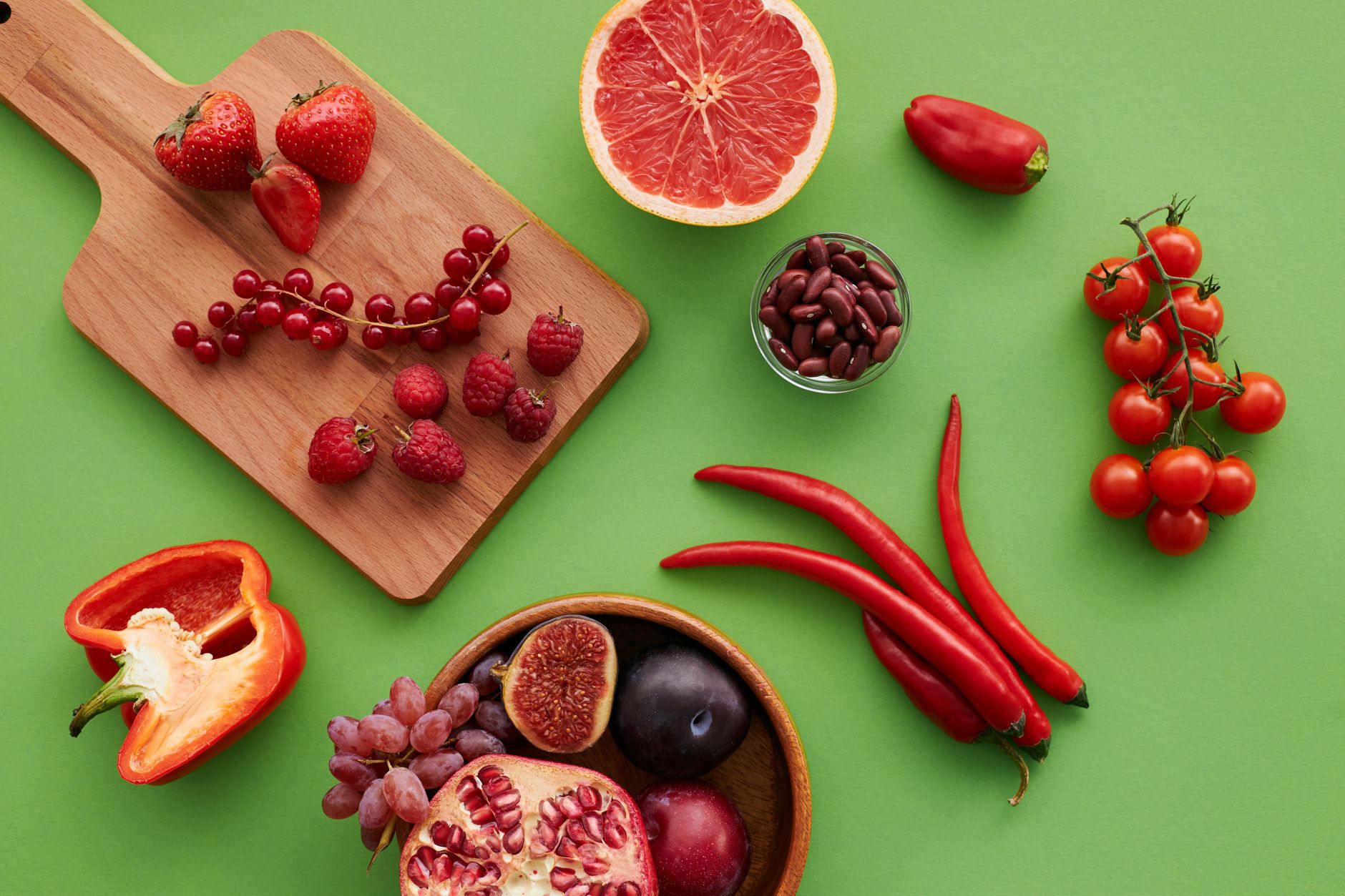
- Red (tomatoes, strawberries): Lycopene, a carotenoid associated with heart health and reduced risk of certain cancers.
- Orange/Yellow (carrots, oranges): Beta-carotene, a precursor to vitamin A essential for vision and immune function.
- Green (spinach, broccoli): Chlorophyll and compounds like sulforaphane, linked to detoxification and anti-inflammatory effects.
- Blue/Purple (blueberries, eggplant): Anthocyanins, antioxidants that may support brain health and reduce oxidative stress.
- White (garlic, onions): Allicin and flavonoids, which have antimicrobial and cardiovascular benefits.
The article argues that by encouraging people to eat a variety of colors, the trend indirectly promotes a broader intake of these compounds, which are often underconsumed in Western diets. This rationale aligns with long-standing dietary guidance from the World Health Organization and the American Heart Association, both of which emphasize the importance of dietary diversity for chronic disease prevention.
Fiber and Micronutrient Intake
Medical Daily also highlights that colorful fruits and vegetables tend to be high in fiber, a nutrient linked to improved digestion, blood sugar control, and satiety. The trend’s focus on whole, plant-based foods can help displace ultra-processed options, which are associated with higher risks of obesity and metabolic syndrome. The article cites dietitians who note that even if the color-phytochemical link is imperfect, the broader shift toward plant-forward eating is beneficial.
However, the article does not address potential downsides of over-reliance on color as a guide. For instance, some brightly colored foods—such as candied yams or fruit juices—can be high in added sugars, undermining the trend’s health claims. The article also does not explore whether the trend leads to unnecessary spending on exotic or out-of-season produce, which may not be accessible or affordable for all consumers.
Evidence Gaps and Limitations
While the trend’s emphasis on plant diversity is supported by epidemiological studies showing associations between higher fruit and vegetable intake and lower disease risk, there is limited direct evidence that eating a “rainbow” specifically improves health outcomes. Medical Daily acknowledges this gap but suggests that the trend’s primary value lies in increasing overall consumption rather than in the color itself. This distinction is critical: the trend may succeed as a behavioral nudge without being a scientifically precise dietary system.
Moreover, the article does not explore whether the trend discourages the consumption of nutrient-dense foods that lack vibrant colors, such as legumes, nuts, or whole grains. These foods are foundational in dietary patterns like the Mediterranean diet, which is consistently linked to better health outcomes but does not prioritize color as a guiding principle.
Who is Affected by Diet Trends on Social Media?
The “Eat the Rainbow” trend disproportionately influences younger audiences, particularly Gen Z and younger millennials, who are more likely to discover health advice through TikTok, Instagram Reels, and YouTube Shorts. Medical Daily’s reporting suggests that dietitians see this trend as a way to engage younger users who might otherwise ignore traditional dietary guidelines. One dietitian quoted in the article notes that the trend’s visual nature resonates with visual learners and those who respond to aesthetic cues.
However, the trend also affects parents and caregivers, who may adopt the approach for their families without critically evaluating its limitations. Medical Daily highlights that parents using the trend to encourage children to eat vegetables may find it more effective than traditional methods like hiding vegetables in meals or insisting on “one bite” rules. The trend’s simplicity makes it an appealing tool for busy households, even if it does not address underlying issues like picky eating or food insecurity.
The article does not address the impact on older adults, who may be less likely to encounter the trend but could benefit from its core message of increased produce consumption. Additionally, Medical Daily does not explore how the trend intersects with cultural dietary practices, where traditional dishes may not align with a “rainbow” framework but still provide balanced nutrition.
Finally, the trend’s influence extends to food retailers and meal kit services, which have begun marketing “rainbow” meal plans or grocery boxes. This commercialization raises questions about whether the trend is being leveraged to sell products rather than to improve public health—a dynamic common in social media-driven wellness culture.
Red Flags in the ‘Eat the Rainbow’ Trend: Overemphasis on Aesthetics
Color as a Proxy for Health
Medical Daily reports that dietitians warn against equating color with nutritional completeness. For example, white potatoes are excluded from many “rainbow” plates despite being a significant source of potassium and vitamin C. Similarly, brown foods like mushrooms or whole grains are often overlooked, even though they contribute fiber and B vitamins. The trend’s focus on visual diversity can inadvertently promote a narrow view of what constitutes healthy eating.
The article also notes that some influencers use the trend to sell supplements or proprietary “rainbow” products, claiming that eating a variety of colors cannot be achieved through diet alone. This commercial framing risks undermining the trend’s original intent and may lead consumers to spend money on unnecessary products.
Overgeneralization of Benefits
While colorful produce is generally nutrient-dense, the specific health benefits attributed to each color are often oversimplified. Medical Daily acknowledges that the science linking anthocyanins to brain health or lycopene to cancer prevention is based on observational studies and lab research—not direct clinical evidence that eating blueberries will improve cognition or that tomatoes prevent prostate cancer. The article does not explore how this oversimplification can lead to misplaced confidence in the trend’s efficacy.
Potential for Orthorexia and Dietary Rigidity
Although not explicitly addressed in Medical Daily’s reporting, the “Eat the Rainbow” trend shares characteristics with other food-as-medicine trends that can contribute to orthorexia—a fixation on eating only “healthy” foods to the point of detriment. The trend’s emphasis on color purity and visual perfection may encourage rigid dietary rules, particularly among vulnerable individuals. Medical Daily does not examine this risk, but it is a well-documented concern in social media-driven wellness culture.
Accessibility and Equity Issues
The trend’s reliance on fresh, colorful produce can create barriers for low-income families, individuals in food deserts, or those with limited cooking resources. Frozen or canned fruits and vegetables—often more affordable and accessible—may not be as visually appealing but are equally nutritious. Medical Daily does not address whether the trend inadvertently excludes populations who could benefit most from increased produce consumption.
Expert Response: Dietitians Weigh in on the Trend’s Merits
Medical Daily presents a largely positive expert response, with dietitians praising the trend’s ability to make healthy eating feel approachable and fun. One dietitian is quoted as saying, “For people who feel overwhelmed by nutrition advice, ‘Eat the Rainbow’ is a simple, memorable way to start.” The article emphasizes that the trend’s strength lies in its accessibility rather than its scientific precision.
However, the article also includes cautionary notes from dietitians who stress that color should not be the sole criterion for food selection. They recommend pairing the trend with broader dietary guidance, such as the USDA’s MyPlate or the Mediterranean diet, to ensure nutritional balance. The article quotes a dietitian who advises, “Think of ‘Eat the Rainbow’ as a starting point, not a rulebook.”
Notably, the article does not include perspectives from physicians, registered dietitian nutritionists (RDNs) affiliated with hospitals or academic institutions, or public health organizations. This omission limits the scope of expert commentary and leaves unanswered questions about whether the trend is being endorsed or merely tolerated by the broader medical community.
The article also does not explore whether dietitians themselves are using the trend in clinical practice or if it is primarily a social media phenomenon. Without this context, it is difficult to assess the trend’s real-world impact on patient care or dietary counseling.
Original Analysis: What the Pattern Across Sources Suggests
Taken together, the available reporting on the “Eat the Rainbow” trend suggests a pattern in which social media-driven health narratives are increasingly shaped by visual appeal and accessibility rather than clinical rigor. Medical Daily’s coverage, while informative, reflects a tendency to present the trend as a net positive for public health without fully interrogating its limitations. This approach mirrors broader trends in health communication, where platforms like TikTok prioritize engagement over accuracy, and influencers—rather than experts—often set the agenda.
The trend’s emphasis on color as a proxy for health is not inherently harmful, but it risks oversimplifying nutrition science and overlooking the complexity of dietary patterns. The absence of robust critique from major health organizations or peer-reviewed research indicates that the trend has not yet been subjected to rigorous evaluation. This gap is concerning, given the potential for misinformation to spread unchecked in social media ecosystems.
Moreover, the trend’s commercialization—evident in the marketing of “rainbow” meal kits and supplements—raises questions about whether its primary function is to improve health or to generate revenue. The lack of transparency around these commercial interests further complicates the trend’s narrative and underscores the need for independent, evidence-based evaluation of viral health advice.
Finally, the trend’s focus on individual behavior rather than systemic factors—such as food access, affordability, and cultural preferences—limits its potential to drive meaningful public health change. While “Eat the Rainbow” may encourage some individuals to eat more plants, it does not address the structural barriers that prevent many from doing so. This limitation highlights the need for health communication strategies that are both accessible and equitable.
What to Do About the ‘Eat the Rainbow’ Trend: Advice for Consumers
Use Color as a Guide, Not a Rule
Consumers should view the “Eat the Rainbow” trend as a starting point for increasing fruit and vegetable intake, rather than a strict dietary system. Medical Daily’s reporting suggests that the trend’s primary value lies in its ability to make healthy eating feel achievable. However, consumers should also recognize that nutritional value is not determined by color alone. Foods like beans, lentils, nuts, and whole grains provide essential nutrients but may not fit neatly into a “rainbow” framework.
Prioritize Whole, Minimally Processed Foods
The trend’s focus on fresh produce aligns with dietary guidelines that emphasize whole, minimally processed foods. Medical Daily highlights that colorful fruits and vegetables are generally high in fiber, vitamins, and antioxidants. However, consumers should be cautious of processed foods marketed as “rainbow” options, such as fruit gummies or artificially colored snacks, which may contain added sugars or synthetic dyes.
Balance Aesthetics with Nutrition
Consumers should aim for a variety of foods that provide a broad spectrum of nutrients, not just colors. For example, including leafy greens, cruciferous vegetables, legumes, and whole grains can ensure a more complete nutritional profile. Medical Daily’s reporting suggests that dietitians recommend pairing the “Eat the Rainbow” approach with established dietary patterns, such as the Mediterranean diet or DASH diet, to ensure balance.
Be Wary of Commercialized Versions
The trend’s commercialization—evident in the marketing of “rainbow” meal kits, supplements, and branded produce—warrants skepticism. Consumers should question whether these products are necessary or if they are being sold under the guise of health. Medical Daily does not address this issue directly, but it is a critical consideration for anyone evaluating the trend’s claims.
Consider Accessibility and Affordability
Consumers should adapt the trend to their personal circumstances, recognizing that fresh, colorful produce may not be accessible or affordable for everyone. Frozen or canned fruits and vegetables—when chosen without added sugars or salt—can be just as nutritious and are often more budget-friendly. Medical Daily does not explore this issue, but it is essential for ensuring that the trend does not exacerbate health disparities.
Red Flags Checklist: How to Spot Misleading ‘Eat the Rainbow’ Content
- Overpromising benefits: Claims that eating a rainbow will “detoxify,” “boost immunity,” or “cure disease” without citing peer-reviewed evidence.
- Exclusion of entire food groups: Framing the trend as requiring only colorful produce, while ignoring legumes, whole grains, or healthy fats.
- Commercial ties: Influencers or accounts promoting supplements, meal kits, or branded produce under the guise of “rainbow nutrition.”
- Rigid rules: Suggesting that only certain colors or specific foods are “allowed,” which can lead to disordered eating patterns.
- Lack of context: Presenting color as a definitive marker of nutritional value without acknowledging the complexity of dietary science.
- Pressure to conform: Shaming individuals for not eating a “perfect” rainbow plate or implying moral failure for dietary choices.
- Overemphasis on aesthetics: Prioritizing visual appeal over nutritional balance, such as choosing aesthetically pleasing but less nutritious options.
FAQ: Separating Fact from Fad in the ‘Eat the Rainbow’ Diet
Does eating a variety of colors guarantee better nutrition?
No. While colorful fruits and vegetables are generally nutrient-dense, nutritional value depends on many factors beyond color, including preparation, portion size, and overall dietary pattern. White, brown, and tan foods like cauliflower, mushrooms, and whole grains provide essential nutrients and should not be excluded based on color alone.
Is the ‘Eat the Rainbow’ trend backed by scientific research?
The trend’s core message—eat more plants—is supported by extensive research linking higher fruit and vegetable intake to lower risks of chronic disease. However, there is limited direct evidence that eating a “rainbow” specifically improves health outcomes. The trend’s value lies more in its ability to encourage produce consumption than in its scientific precision.
Can the trend be harmful?
In some cases, yes. The trend’s emphasis on color can lead to rigid dietary rules, exclusion of nutrient-dense foods that lack vibrant colors, and overconsumption of certain foods (e.g., fruit juices) that are high in added sugars. Additionally, the trend’s commercialization may encourage unnecessary spending on supplements or branded products.
Who benefits most from the ‘Eat the Rainbow’ trend?
The trend is most beneficial for individuals who struggle to meet daily fruit and vegetable intake goals or who find traditional dietary advice overwhelming. Its visual and accessible nature can make healthy eating feel more approachable, particularly for younger audiences and busy families. However, the trend may be less beneficial—or even exclusionary—for populations with limited access to fresh produce.
Should I follow the ‘Eat the Rainbow’ trend if I have dietary restrictions or health conditions?
Consult a registered dietitian nutritionist (RDN) before adopting any new dietary trend, especially if you have health conditions like diabetes, kidney disease, or food allergies. An RDN can help tailor the trend to your individual needs and ensure that it aligns with your overall dietary pattern.