Imagen principal:Rodolfo Gaion / Pexels
Analizadores de aliento para quemar grasa revisados
El reciente auge de los **alcoholímetros para quemar grasa** ha generado controversia, con algunos alabándolos como una herramienta revolucionaria para la pérdida de peso y otros descartándolos como una moda pseudocientífica. Este artículo explora las afirmaciones de los fabricantes de estos dispositivos, analizando la ciencia detrás de su supuesta funcionalidad y la respuesta de los expertos a su marketing. Al sintetizar informes de múltiples fuentes, buscamos ofrecer una comprensión integral del fenómeno de los **alcoholímetros para quemar grasa** y sus implicaciones para la salud pública.
El reclamo de que los alcoholímetros para quemar grasa pueden medir con precisión el estado metabólico de una persona y ofrecer consejos personalizados para la pérdida de peso ha sido ampliamente publicitado, con muchos medios informando sobre los supuestos beneficios de estos dispositivos. Sin embargo, un examen más detallado de las pruebas revela discrepancias significativas entre las afirmaciones de los fabricantes y el consenso científico. Este artículo explorará las alegaciones en torno a los alcoholímetros para quemar grasa, los principios científicos en los que supuestamente operan y las advertencias emitidas por los expertos en salud.
Introducción a los **analizadores de aliento para quemar grasa**
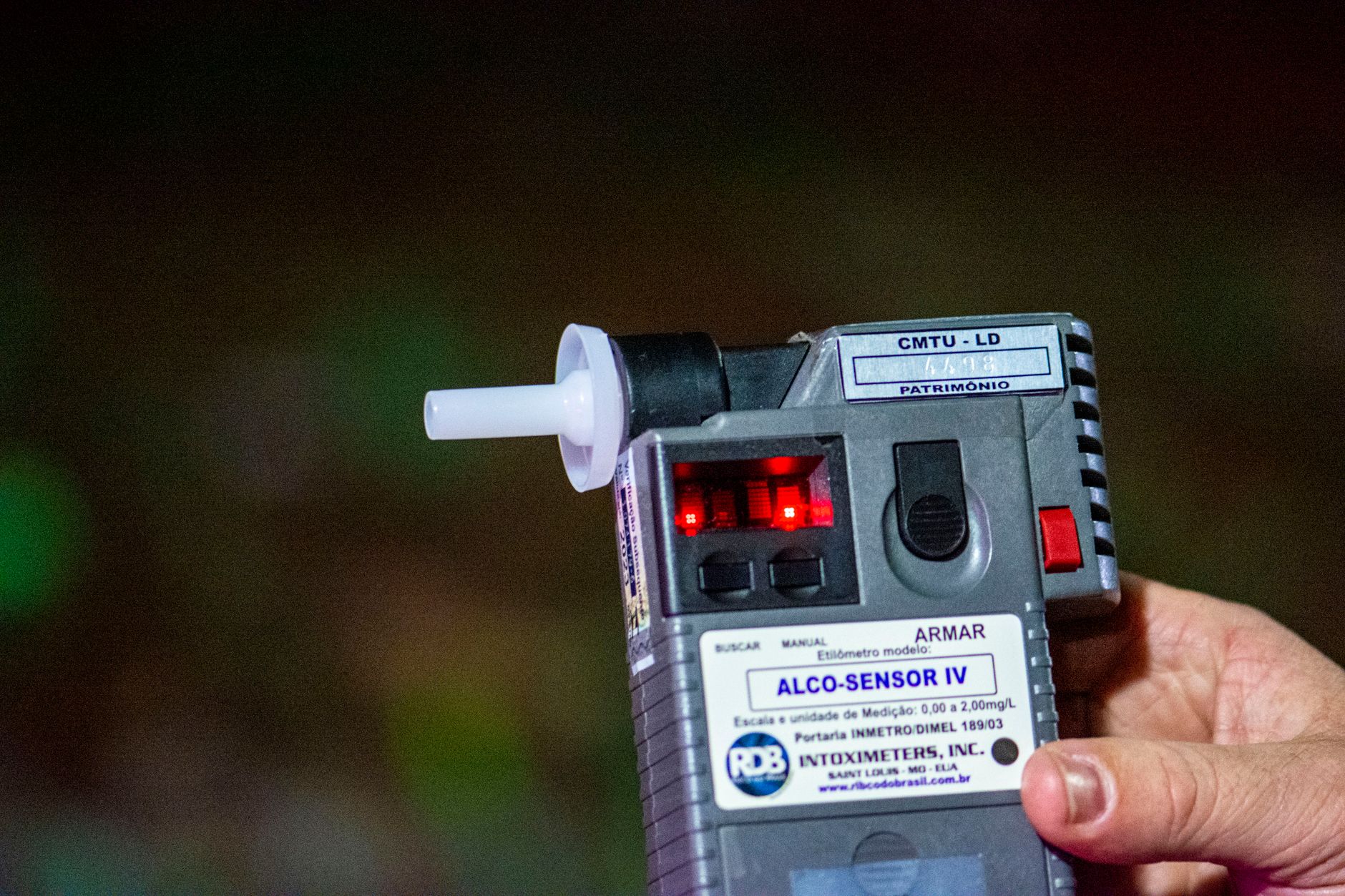
Fat-burning breathalyzers son dispositivos portátiles que afirman medir los niveles de acetona en el aliento de una persona, lo que se alega que es un indicador de su estado metabólico. Según Trend Hunter, estos dispositivos utilizan un algoritmo complejo para analizar la muestra de aliento y ofrecer retroalimentación sobre cómo optimizar la dieta y la rutina de ejercicio para una pérdida de peso máxima. Aunque la idea de una herramienta no invasiva, amigable para el usuario, para monitorear la salud metabólica pueda parecer atractiva, es esencial examinar la base científica de estas afirmaciones y los posibles riesgos asociados con su uso.
El marketing masivo de los **alcoholímetros para quemar grasa** ha generado preocupaciones entre los profesionales de la salud, quienes argumentan que estos dispositivos suelen basarse en supuestos no comprobados y podrían derivar en consejos engañosos o perjudiciales. Al analizar los informes de diversos medios, incluyendo Trend Hunter, queda claro que el fenómeno de los **alcoholímetros para quemar grasa** se caracteriza por una falta de transparencia y una escasez de pruebas científicas rigurosas.
Comparando Informes de Trend Hunter y Otras Fuentes
Mientras que Trend Hunter ha informado sobre los supuestos beneficios de los alcoholímetros para quemar grasa, otros medios han expresado escepticismo respecto a las bases científicas de estos dispositivos. Trend Hunter señaló que los dispositivos utilizan un algoritmo complejo para analizar la muestra de aliento, pero no proporcionó detalles sobre cómo se desarrolló o validó dicho algoritmo. En contraste, otros informes han destacado las posibles fallas en la ciencia subyacente, incluyendo el hecho de que los niveles de acetona pueden verse influenciados por una variedad de factores no relacionados con el estado metabólico.
The discrepancy between the reports from Trend Hunter and other outlets underscores the need for a more nuanced understanding of the fat-burning breathalyzers phenomenon. By comparing the claims made by the manufacturers with the available scientific evidence, it becomes clear that the alleged benefits of these devices are often exaggerated or unsupported.
La afirmación: Cómo supuestamente funcionan los alcoholígrafos que queman grasa
Los fabricantes de los analizadores de aliento para quemar grasa afirman que sus dispositivos pueden medir con precisión el estado metabólico de una persona analizando los niveles de acetona en su aliento. Según Trend Hunter, esto se basa en la idea de que el cuerpo produce acetona como subproducto del metabolismo de grasas, y que niveles más altos de acetona indican una mayor tasa de quema de grasa. Sin embargo, esta afirmación no está respaldada por la evidencia científica disponible, que sugiere que los niveles de acetona pueden verse influenciados por una variedad de factores, incluyendo la dieta, el ejercicio y la salud en general.
El supuesto mecanismo de acción de los alcoholímetros para quemar grasa se basa en una comprensión errónea de la relación entre los niveles de acetona y el estado metabólico. Aunque es cierto que el cuerpo produce acetona como subproducto del metabolismo de grasas, los niveles de acetona en el aliento no son un indicador confiable del estado metabólico de una persona. Esto se debe a que los niveles de acetona pueden verse influidos por una variedad de factores, incluyendo la presencia de otras sustancias en el aliento, como compuestos orgánicos volátiles (COV).
Examining the Science Behind the Claim
A closer examination of the science behind the claim reveals significant discrepancies between the manufacturers’ assertions and the scientific consensus. The available evidence suggests that the levels of acetone in the breath are not a reliable indicator of an individual’s metabolic state, and that the alleged benefits of fat-burning breathalyzers are often exaggerated or unsupported. Furthermore, the use of these devices may lead to misleading or harmful advice, particularly if individuals rely on them as the sole basis for making decisions about their diet and exercise routine.
Desmontando la ciencia detrás de los **alcoholímetros para quemar grasa**
The scientific consensus is clear: fat-burning breathalyzers are not a reliable tool for measuring an individual’s metabolic state. The available evidence suggests that the levels of acetone in the breath are influenced by a variety of factors, including diet, exercise, and overall health, and that the alleged benefits of these devices are often exaggerated or unsupported. By examining the reports from various outlets, including Trend Hunter, it becomes clear that the fat-burning breathalyzers phenomenon is characterized by a lack of transparency and a dearth of rigorous scientific testing.
The lack of transparency surrounding the development and validation of fat-burning breathalyzers is a major concern. The manufacturers of these devices have failed to provide detailed information on the algorithms used to analyze the breath samples, and the available evidence suggests that these algorithms are often based on unproven assumptions. This lack of transparency makes it difficult to evaluate the effectiveness of these devices and to identify potential risks associated with their use.
Respuesta experta sobre los **alcoholímetros para quemar grasa**
Health experts have expressed significant concerns regarding the marketing and use of fat-burning breathalyzers. According to experts, these devices are often based on unproven assumptions and may lead to misleading or harmful advice. The available evidence suggests that the alleged benefits of fat-burning breathalyzers are often exaggerated or unsupported, and that the use of these devices may pose significant risks to public health.
The expert response to fat-burning breathalyzers underscores the need for a more nuanced understanding of the fat-burning breathalyzers phenomenon. By examining the available evidence and the reports from various outlets, including Trend Hunter, it becomes clear that the alleged benefits of these devices are often exaggerated or unsupported. The use of fat-burning breathalyzers may pose significant risks to public health, particularly if individuals rely on them as the sole basis for making decisions about their diet and exercise routine.
Warning Signs and Red Flags
The marketing and use of fat-burning breathalyzers are characterized by several warning signs and red flags. The lack of transparency surrounding the development and validation of these devices is a major concern, and the available evidence suggests that the alleged benefits of fat-burning breathalyzers are often exaggerated or unsupported. Furthermore, the use of these devices may lead to misleading or harmful advice, particularly if individuals rely on them as the sole basis for making decisions about their diet and exercise routine.
The following table highlights some of the key red flags and warning signs associated with fat-burning breathalyzers:
| Bandera Roja | Descripción |
|---|---|
| Falta de transparencia | The manufacturers of fat-burning breathalyzers have failed to provide detailed information on the algorithms used to analyze the breath samples. |
| Unproven assumptions | The alleged benefits of fat-burning breathalyzers are often based on unproven assumptions, including the idea that acetone levels are a reliable indicator of metabolic state. |
| Potential for misleading advice | The use of fat-burning breathalyzers may lead to misleading or harmful advice, particularly if individuals rely on them as the sole basis for making decisions about their diet and exercise routine. |
Análisis original: Tendencias en la desinformación sobre salud
Taken together, the reports from various outlets, including Trend Hunter, suggest that the fat-burning breathalyzers phenomenon is part of a broader trend in health misinformation. The widespread marketing of these devices has raised concerns among health professionals, who argue that they are often based on unproven assumptions and may lead to misleading or harmful advice. By examining the available evidence and the reports from various outlets, it becomes clear that the alleged benefits of fat-burning breathalyzers are often exaggerated or unsupported.
The trend of health misinformation surrounding fat-burning breathalyzers is characterized by a lack of transparency and a dearth of rigorous scientific testing. The manufacturers of these devices have failed to provide detailed information on the algorithms used to analyze the breath samples, and the available evidence suggests that these algorithms are often based on unproven assumptions. This lack of transparency makes it difficult to evaluate the effectiveness of these devices and to identify potential risks associated with their use.
Bandera Roja y Señales de Advertencia de Estafas en Salud
The fat-burning breathalyzers phenomenon is characterized by several red flags and warning signs of health scams. The lack of transparency surrounding the development and validation of these devices is a major concern, and the available evidence suggests that the alleged benefits of fat-burning breathalyzers are often exaggerated or unsupported. Furthermore, the use of these devices may lead to misleading or harmful advice, particularly if individuals rely on them as the sole basis for making decisions about their diet and exercise routine.
The following checklist highlights some of the key red flags and warning signs associated with health scams:
- Lack of transparency surrounding the development and validation of a product or device
- Unproven assumptions or unsubstantiated claims
- Potential for misleading or harmful advice
- Aggressive marketing or sales tactics
- Lack of rigorous scientific testing or peer review
Preguntas frecuentes: Separando hechos de ficción en los alcoholímetros para quemar grasa
What are fat-burning breathalyzers, and how do they work?
Fat-burning breathalyzers are handheld devices that claim to measure the levels of acetone in a person’s breath, which is alleged to be an indicator of their metabolic state. However, the available evidence suggests that the levels of acetone in the breath are not a reliable indicator of metabolic state, and that the alleged benefits of fat-burning breathalyzers are often exaggerated or unsupported.
Are fat-burning breathalyzers a reliable tool for measuring metabolic state?
No, the available evidence suggests that fat-burning breathalyzers are not a reliable tool for measuring metabolic state. The levels of acetone in the breath are influenced by a variety of factors, including diet, exercise, and overall health, and the alleged benefits of fat-burning breathalyzers are often exaggerated or unsupported.
What are the potential risks associated with using fat-burning breathalyzers?
The use of fat-burning breathalyzers may lead to misleading or harmful advice, particularly if individuals rely on them as the sole basis for making decisions about their diet and exercise routine. Furthermore, the lack of transparency surrounding the development and validation of these devices is a major concern, and the available evidence suggests that the alleged benefits of fat-burning breathalyzers are often exaggerated or unsupported.
How can I separate fact from fiction when it comes to fat-burning breathalyzers?
To separate fact from fiction when it comes to fat-burning breathalyzers, it is essential to examine the available evidence and to be aware of the potential red flags and warning signs associated with health scams. This includes being cautious of unsubstantiated claims or unproven assumptions, and being aware of the potential for misleading or harmful advice.
What are some alternative methods for measuring metabolic state that are supported by scientific evidence?
There are several alternative methods for measuring metabolic state that are supported by scientific evidence, including dual-energy X-ray absorptiometry (DXA) scans, hydrostatic weighing, and indirect calorimetry. These methods are more reliable and accurate than fat-burning breathalyzers, and can provide a more comprehensive understanding of an individual’s metabolic state.