
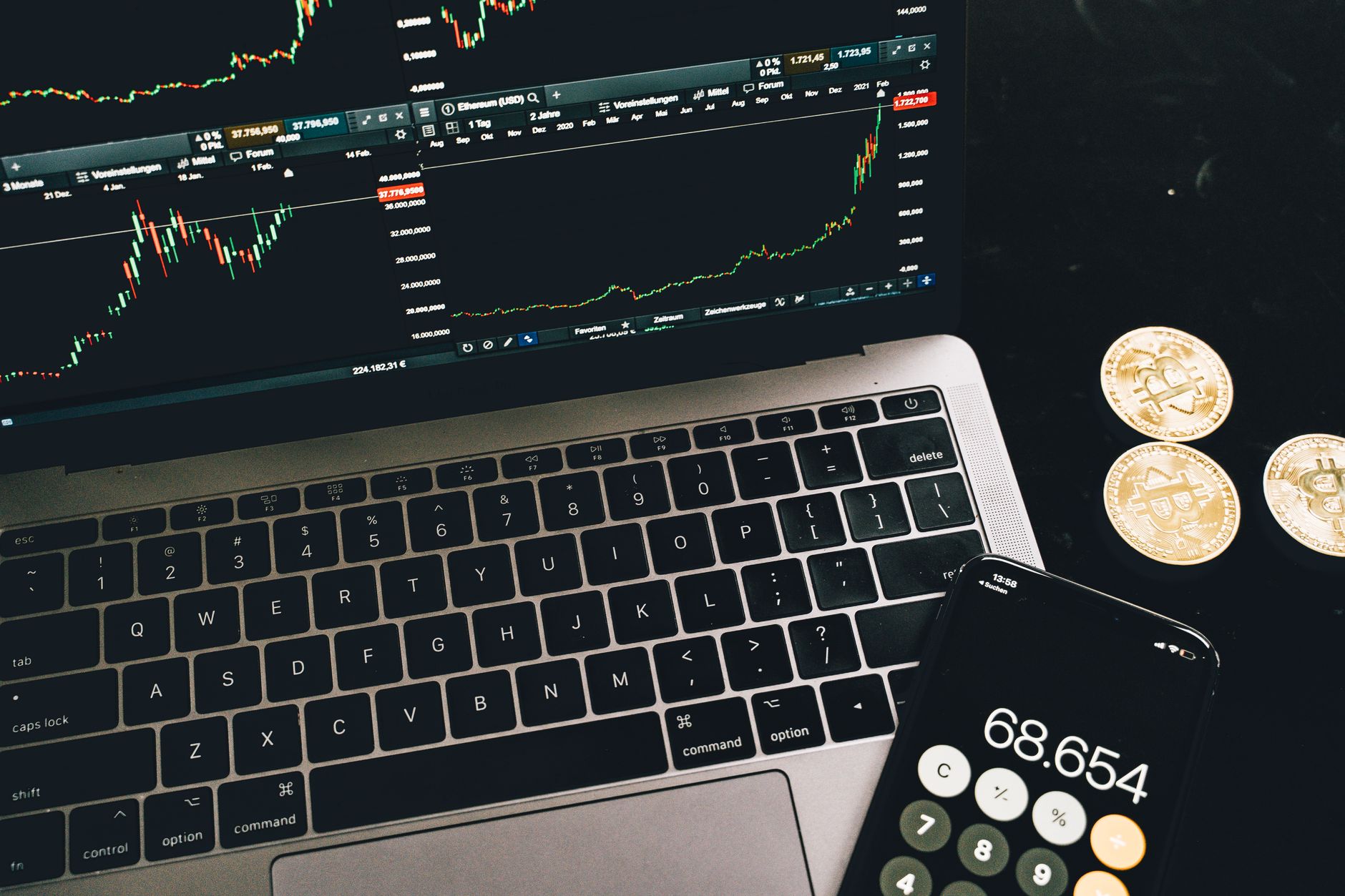
Hero image: Alesia Kozik / Pexels
Fake Trading Platforms Rise in Texas Crypto Scams
Texas is seeing a surge in cryptocurrency scams, with fake trading platforms exploiting investors through sophisticated schemes. Regulators and victims describe a pattern of false promises, hidden fees, and inaccessible funds that mirror broader trends in digital asset fraud across the state.
Cryptocurrency-related fraud in Texas has intensified, with state authorities and consumer advocates warning of a proliferation of fake trading platforms that lure investors with promises of high returns and low risk. These platforms often mimic legitimate exchanges, using polished websites, aggressive marketing, and fabricated testimonials to build trust before disappearing with deposited funds. The phenomenon reflects a broader national rise in crypto scams, but Texas has emerged as a particular hotspot due to its large retail investor base, limited state-level oversight compared to securities regulators, and the increasing mainstream appeal of digital assets. This investigation examines how these fake trading platforms operate, who they target, what the official data reveals, and what steps victims and regulators are taking to respond.
Rise of cryptocurrency scams in Texas
Texas has become a focal point for cryptocurrency fraud, with state officials and consumer protection agencies reporting a marked increase in complaints involving fake trading platforms. The Texas State Securities Board (TSSB) has documented a rise in unregistered investment offerings tied to digital assets, many of which are marketed through social media and online advertisements that target inexperienced investors. These schemes often exploit the hype around Bitcoin and other cryptocurrencies, promising outsized returns with little to no risk—a classic red flag in investment fraud.
According to the Texas Department of Banking, the growth in crypto-related scams mirrors a nationwide trend, but the state’s decentralized regulatory environment and the rapid adoption of digital assets among retail investors have created fertile ground for fraudsters. The agency has noted that many fake platforms operate from overseas jurisdictions, making enforcement difficult and increasing the likelihood that victims will lose their funds permanently. The TSSB has also highlighted the use of impersonation tactics, where scammers pose as licensed brokers or financial advisors to gain credibility with potential victims.
Public awareness campaigns have been launched in response, including alerts from the Texas Attorney General’s Office warning residents about the dangers of unregulated crypto platforms. These warnings emphasize that many of these platforms are not registered to sell securities in Texas, and therefore do not fall under the state’s investor protection laws. The combination of high demand for crypto investments and low barriers to entry for scammers has created a perfect storm for fraud in the Lone Star State.
How fake trading platforms operate: the scheme exposed
Initial contact and trust-building
Fake trading platforms typically begin with targeted outreach through social media, messaging apps, or online forums. Scammers often impersonate well-known financial influencers, celebrities, or even representatives of legitimate companies to establish credibility. They use polished websites, fake client testimonials, and professional-looking dashboards to simulate legitimate trading platforms. Victims are often contacted after expressing interest in cryptocurrency investments on public platforms or through targeted ads that appear on search engines or social media feeds.
Promises of guaranteed returns and low risk
A hallmark of these scams is the promise of high, guaranteed returns with minimal risk. Operators of fake platforms frequently guarantee monthly profits or claim to use proprietary algorithms that eliminate market volatility. They may also offer “risk-free” trial periods or bonuses for early deposits to lower investor skepticism. These tactics are designed to exploit the fear of missing out (FOMO) and the desire for quick wealth, which are common psychological triggers in investment fraud.
Deposit and withdrawal manipulation
Once a victim deposits funds, the platform typically imposes hidden fees, delays withdrawals, or fabricates trading losses to prevent payouts. In some cases, victims are told they must deposit additional funds to unlock their profits or meet minimum balance requirements. Others report that their accounts are frozen after attempting to withdraw, with customer support disappearing entirely. Some platforms even create fake trading histories to make it appear as though the victim’s investments are performing well, only to later claim that all funds have been lost due to market volatility or regulatory restrictions.
Disappearance and money laundering
After sufficient funds have been collected, many fake platforms shut down their websites and cease all communication with investors. Funds are often moved through a series of cryptocurrency wallets and exchanges to obscure their origin, making recovery nearly impossible. Some scammers launder money through online casinos, mixers, or overseas exchanges that do not comply with anti-money laundering (AML) regulations. The use of cryptocurrency for these transactions further complicates law enforcement efforts, as blockchain transactions can be difficult to trace without specialized tools and international cooperation.
What the evidence shows: data on Texas crypto fraud
While comprehensive statewide data on cryptocurrency fraud is limited due to underreporting and jurisdictional challenges, several official sources provide insight into the scope and nature of the problem in Texas. The Texas State Securities Board (TSSB) has documented a significant increase in enforcement actions related to unregistered crypto offerings, with dozens of cease-and-desist orders issued in recent years. These actions often target platforms that solicit Texas residents without proper registration or that make fraudulent claims about their services.
The TSSB’s enforcement reports indicate that many of these schemes involve “affinity fraud,” where scammers exploit cultural, religious, or professional networks to gain trust. For example, some fraudsters have targeted Spanish-speaking communities in Texas by offering crypto investment opportunities through local churches or community centers. Others have used fake endorsements from prominent Texans or fabricated affiliations with well-known financial institutions to lend legitimacy to their operations.
In addition to state-level data, the Federal Trade Commission (FTC) has reported a nationwide surge in crypto-related fraud, with Texas consistently ranking among the top states for reported losses. According to the FTC, consumers in Texas lost over $100 million to crypto scams in 2024 alone, with a significant portion of those losses tied to fake trading platforms. The agency has noted that the median loss per victim is often several thousand dollars, with some individuals losing their entire life savings. These figures likely understate the true scale of the problem, as many victims do not report their losses due to embarrassment or the belief that recovery is impossible.
The Texas Department of Banking has also highlighted the role of unregulated offshore platforms in facilitating fraud. Many of these platforms operate without any licensing or oversight, making it difficult for Texas authorities to pursue legal action. The department has warned that even platforms that appear legitimate may be fronts for fraud, particularly if they offer unrealistic returns or pressure investors to deposit funds quickly.
| Claim by Fake Platforms | Evidence from Regulators & Investigations |
|---|---|
| “Guaranteed 20% monthly returns with no risk.” | The Texas State Securities Board has issued cease-and-desist orders against platforms making such claims, noting that no legitimate investment can guarantee returns. The FTC has documented that such promises are a hallmark of Ponzi schemes. |
| “Licensed and regulated by international financial authorities.” | Investigations by the TSSB and the U.S. Securities and Exchange Commission (SEC) have found that many of these platforms falsify licensing credentials or operate under shell entities with no regulatory oversight. |
| “Your funds are held in segregated accounts for security.” | Victim testimonies and blockchain analysis reveal that deposited funds are often commingled and moved to private wallets controlled by the scammers, with no actual segregation. |
| “Withdrawals processed within 24 hours.” | Complaints filed with the Texas Attorney General’s Office describe systematic delays, fake “compliance reviews,” and outright refusal to process withdrawals after initial deposits. |
Who is affected and how these scams spread
Demographics most at risk
While cryptocurrency scams can target anyone, certain demographics in Texas appear particularly vulnerable. Middle-aged and older adults—groups that may be less familiar with digital assets—are frequently targeted through social media ads and email campaigns. The Texas Attorney General’s Office has reported that individuals aged 50 to 70 account for a disproportionate share of crypto fraud victims, often due to aggressive marketing that emphasizes “once-in-a-lifetime” opportunities. Younger investors, particularly those in their 20s and 30s, are also at risk, often through peer-to-peer networks and online communities where scammers pose as experienced traders offering mentorship or exclusive access to investment opportunities.
Geographic hotspots in Texas
Urban centers such as Houston, Dallas-Fort Worth, Austin, and San Antonio have seen the highest concentration of crypto fraud complaints, likely due to higher internet penetration, greater financial activity, and larger populations of both retail investors and potential scammers. However, rural areas are not immune. The Texas Department of Banking has warned that scammers often exploit limited local access to financial education and regulatory resources, targeting communities where residents may be more trusting of online opportunities. In some cases, fraudsters have used local influencers or community leaders to lend credibility to their schemes, making the scams harder to detect.
How scams spread through networks
Fake trading platforms rely heavily on social proof and network effects to spread. Scammers often create fake profiles on platforms like Facebook, Instagram, YouTube, and TikTok, where they post fabricated success stories and “proof of earnings” to attract new victims. These profiles are frequently amplified by bot networks or paid influencers who promote the platforms in exchange for commissions. Word-of-mouth referrals within tight-knit communities—such as professional groups, religious organizations, or hobbyist networks—also play a significant role in spreading these scams. Once a few individuals invest and share their (fabricated) positive experiences, the platform gains traction and attracts more victims.
Psychological tactics used by scammers
Scammers employ a range of psychological tactics to manipulate potential victims, including urgency, authority, and social proof. They often pressure investors to act quickly by claiming that “spots are filling fast” or that a special bonus will expire soon. Some impersonate financial experts or government officials to appear legitimate, while others use fake celebrity endorsements to build trust. The use of professional-looking websites, customer support chatbots, and fake trading dashboards further reinforces the illusion of legitimacy. These tactics are designed to override rational decision-making and exploit emotions such as fear, greed, and FOMO.
Red flags and debunking checklist for investors
Identifying a fake trading platform requires vigilance and skepticism. Below is a checklist of red flags that investors should watch for, along with signals that may indicate a legitimate platform.
- Unsolicited contact: Be wary of anyone reaching out via social media, email, or phone offering investment opportunities in cryptocurrency, especially if they claim to be financial advisors or brokers without verifiable credentials.
- Guaranteed high returns with no risk: No legitimate investment can guarantee returns. If a platform promises consistent profits regardless of market conditions, it is likely a scam.
- Pressure to act immediately: Scammers often create a false sense of urgency, insisting that investors must deposit funds right away to secure a deal or avoid missing out. Legitimate platforms allow time for due diligence.
- Lack of transparent fees: Fake platforms often hide fees in fine print or impose unexpected charges for withdrawals, account maintenance, or “compliance.” Always review fee structures carefully.
- No verifiable licensing or registration: Check whether the platform is registered with the Texas State Securities Board, the SEC, or other relevant authorities. Be cautious of platforms that claim to be “licensed offshore” without providing verifiable details.
- Fake testimonials or endorsements: Scammers frequently fabricate client testimonials, celebrity endorsements, or media mentions. Reverse-image search photos and look for inconsistencies in the language used.
- Inaccessible customer support: If customer service is unresponsive or only available through chatbots and email, it may indicate a scam. Legitimate platforms typically offer multiple channels for support, including phone and live chat.
- Withdrawal difficulties: If you are unable to withdraw funds or are told that withdrawals are “under review” for extended periods, it is a major red flag. Some victims report that their accounts are frozen after attempting to withdraw.
- Unusual payment methods: Be cautious of platforms that only accept cryptocurrency, wire transfers, or gift cards for deposits. These payment methods are difficult to reverse and are favored by scammers.
- Poor website quality or inconsistencies: Fake platforms often have websites with spelling errors, broken links, or inconsistent branding. Check for HTTPS encryption, a physical address, and a working contact form.
Regulatory and institutional response to crypto fraud
State-level enforcement actions
The Texas State Securities Board (TSSB) has taken a leading role in combating cryptocurrency fraud, issuing dozens of emergency cease-and-desist orders against unregistered platforms and fraudulent investment schemes. These orders often target platforms that solicit Texas residents without proper registration or that make false claims about their services. The TSSB has also partnered with other state agencies, including the Texas Attorney General’s Office and the Department of Banking, to coordinate enforcement efforts and share intelligence on emerging threats.
The TSSB’s enforcement actions typically result in the shutdown of fraudulent platforms and the freezing of assets where possible. However, many scammers operate from overseas jurisdictions, making asset recovery difficult. The board has emphasized the importance of public awareness, urging Texans to verify the registration status of any investment opportunity before committing funds. The TSSB’s website includes a searchable database of registered firms and individuals, which investors can use to check the legitimacy of a platform.
Federal oversight and coordination
At the federal level, the U.S. Securities and Exchange Commission (SEC) and the Commodity Futures Trading Commission (CFTC) have both taken steps to address cryptocurrency fraud, though their jurisdiction is often limited by the decentralized nature of digital assets. The SEC has pursued enforcement actions against platforms that offer unregistered securities, while the CFTC has targeted fraudulent schemes involving cryptocurrency derivatives and leveraged trading. Both agencies have warned investors about the risks of fake trading platforms and have provided guidance on how to identify and avoid scams.
The Federal Trade Commission (FTC) has also played a key role in combating crypto fraud, particularly through its Consumer Sentinel Network, which collects complaints from victims across the country. The FTC has used this data to identify trends, issue public warnings, and coordinate with state and local law enforcement. In Texas, the FTC has worked closely with the Attorney General’s Office to share intelligence and support investigations into large-scale fraud operations.
Industry self-regulation and education
While regulatory agencies have taken action against fraudulent platforms, the cryptocurrency industry itself has also begun to address the issue through self-regulation and education. Organizations such as the Crypto Council for Innovation and the Blockchain Association have launched initiatives to promote transparency, accountability, and consumer protection within the industry. These efforts include the development of best practices for exchanges, the creation of certification programs for compliant platforms, and the publication of educational resources for investors.
Some legitimate cryptocurrency exchanges have also taken steps to protect their users from scams by implementing stricter verification processes, monitoring for suspicious activity, and providing educational materials on how to identify fraudulent platforms. However, these efforts are not universal, and many fake platforms continue to operate with impunity by exploiting gaps in oversight and enforcement.
Challenges in enforcement and recovery
Despite increased regulatory scrutiny, enforcement against fake trading platforms remains challenging due to several factors. Many scammers operate from jurisdictions with weak or nonexistent financial regulations, making it difficult for U.S. authorities to pursue legal action. The use of cryptocurrency for transactions further complicates recovery efforts, as blockchain transactions are irreversible and can be difficult to trace without specialized tools and international cooperation. Additionally, the rapid evolution of scam tactics—such as the use of deepfake videos, AI-generated content, and decentralized finance (DeFi) platforms—poses ongoing challenges for regulators and law enforcement.
Victims of crypto fraud in Texas often face significant hurdles in recovering their funds. While some regulatory actions result in asset freezes or restitution orders, many victims are left with little recourse. The Texas Attorney General’s Office has emphasized the importance of reporting scams to local law enforcement and financial regulators, as this can help build cases and increase the chances of recovery. However, the agency has also acknowledged that the odds of recovering lost funds are often slim, underscoring the need for prevention and education.
Steps to take if you’ve been targeted by a fake trading platform
If you suspect that you have been targeted by a fake trading platform, taking immediate action can help mitigate further losses and increase the chances of recovering some funds. Below are the critical steps to follow if you believe you have fallen victim to a crypto scam in Texas.
1. Cease all communication and freeze your account
Stop engaging with the platform immediately. Do not respond to emails, messages, or phone calls from the scammers, as this may encourage further demands or manipulation. If you have deposited funds, attempt to withdraw them through the platform’s interface. If withdrawals are blocked or delayed, document the issue with screenshots and timestamps. Contact your bank or payment provider to report the transaction as fraudulent and request a chargeback if possible.
2. Report the scam to authorities
File a complaint with multiple agencies to increase the chances of investigation and recovery. In Texas, report the incident to the following organizations:
- Texas Attorney General’s Office: File a complaint online at texasattorneygeneral.gov or call 1-800-621-0508.
- Texas State Securities Board: Report unregistered securities offerings or fraudulent investment schemes at ssb.texas.gov.
- Federal Trade Commission (FTC): File a complaint at reportfraud.ftc.gov to help build a national database of fraud reports.
- FBI Internet Crime Complaint Center (IC3): Submit a report at ic3.gov, especially if the amount lost exceeds $5,000.
- Local law enforcement: Contact your local police department or sheriff’s office to file a report, particularly if you provided personal or financial information to the scammers.
3. Gather and preserve evidence
Collect all relevant documentation, including:
- Screenshots of the platform’s website, chat logs, and transaction history.
- Copies of emails, text messages, or social media posts from the scammers.
- Transaction IDs, wallet addresses, and blockchain explorers showing fund movements.
- Any correspondence with customer support, including dates and times of interactions.
This evidence will be crucial for investigations and may help authorities trace the scammers or freeze assets. Store this information securely and share it only with authorized agencies.
4. Notify your bank or payment provider
If you funded your account via credit card, debit card, or bank transfer, contact your financial institution immediately to report the fraud. Request a chargeback if the transaction is still pending or within the dispute window. Provide your bank with all relevant documentation, including transaction records and communications with the scammers. If you used a cryptocurrency exchange to fund your account, report the fraud to the exchange and request assistance in tracing the transaction.
5. Seek support from consumer protection organizations
Several nonprofit organizations and advocacy groups in Texas and nationwide provide resources and support for victims of financial fraud. These include:
- Consumer Federation of America: Offers guidance on avoiding and reporting financial scams. Visit consumerfed.org.
- AARP Texas: Provides fraud prevention resources and support for older adults. Visit aarp.org/states/tx.
- Better Business Bureau (BBB) Scam Tracker: Allows you to report scams and view alerts about ongoing frauds. Visit bbb.org/scamtracker.
These organizations can provide emotional support, legal referrals, and practical advice on next steps.
6. Monitor your identity and financial accounts
If you provided personal information to the scammers, such as your Social Security number, date of birth, or financial account details, monitor your credit reports and bank statements for signs of identity theft or unauthorized transactions. Consider placing a fraud alert or credit freeze with the major credit bureaus (Equifax, Experian, and TransUnion) to prevent further misuse of your information. The Texas Attorney General’s Office recommends checking your credit reports annually at annualcreditreport.com.
7. Educate others and prevent future scams
Share your experience with friends, family, and online communities to raise awareness about the tactics used by fake trading platforms. Encourage others to verify the legitimacy of investment opportunities and to report suspicious activity to authorities. The more people understand how these scams operate, the harder it becomes for fraudsters to find new victims. Consider writing a review on platforms like Trustpilot or the BBB to warn others about the platform in question.
Frequently asked questions about Texas crypto scams
What should I do if I think I’ve invested in a fake trading platform in Texas?
Stop all communication with the platform, attempt to withdraw your funds if possible, and file complaints with the Texas Attorney General’s Office, the Texas State Securities Board, the FTC, and the FBI’s IC3. Gather all evidence, including screenshots and transaction records, and notify your bank or payment provider. Seek support from consumer protection organizations and monitor your identity for signs of fraud.
How can I check if a cryptocurrency trading platform is legitimate in Texas?
Verify the platform’s registration status with the Texas State Securities Board (ssb.texas.gov) and the SEC (sec.gov). Check for a physical address, customer support contact information, and transparent fee structures. Look for independent reviews and third-party ratings, but be cautious of fake testimonials. Legitimate platforms typically do not guarantee high returns or pressure investors to act quickly.
Are there any legitimate cryptocurrency trading platforms operating in Texas?
Yes, several licensed and regulated cryptocurrency exchanges operate in Texas, including Coinbase, Kraken, and Binance.US. These platforms are registered with federal and state authorities and comply with anti-money laundering (AML) and know-your-customer (KYC) regulations. However, not all platforms are legitimate, and investors should always verify registration and licensing before depositing funds. The Texas State Securities Board maintains a list of registered firms on its website.
Can I get my money back if I’ve been scammed by a fake trading platform?
Recovery is difficult but not impossible. If you funded your account via credit card or bank transfer, you may be able to dispute the charges and request a chargeback. If you used cryptocurrency, recovery is less likely due to the irreversible nature of blockchain transactions, but reporting the scam to authorities increases the chances of tracing the funds or building a case against the scammers. Some victims have recovered funds through regulatory actions or asset seizures, but success depends on the specifics of the case and the cooperation of international authorities.
What are the most common tactics used by fake trading platforms in Texas?
Fake trading platforms in Texas commonly use tactics such as unsolicited contact via social media or email, promises of guaranteed high returns, pressure to act quickly, fake testimonials or endorsements, hidden fees, and withdrawal delays or refusals. They often impersonate licensed brokers or financial advisors and use professional-looking websites to appear legitimate. Scammers also exploit psychological triggers like fear of missing out (FOMO) and the desire for quick wealth to manipulate victims into depositing funds.