
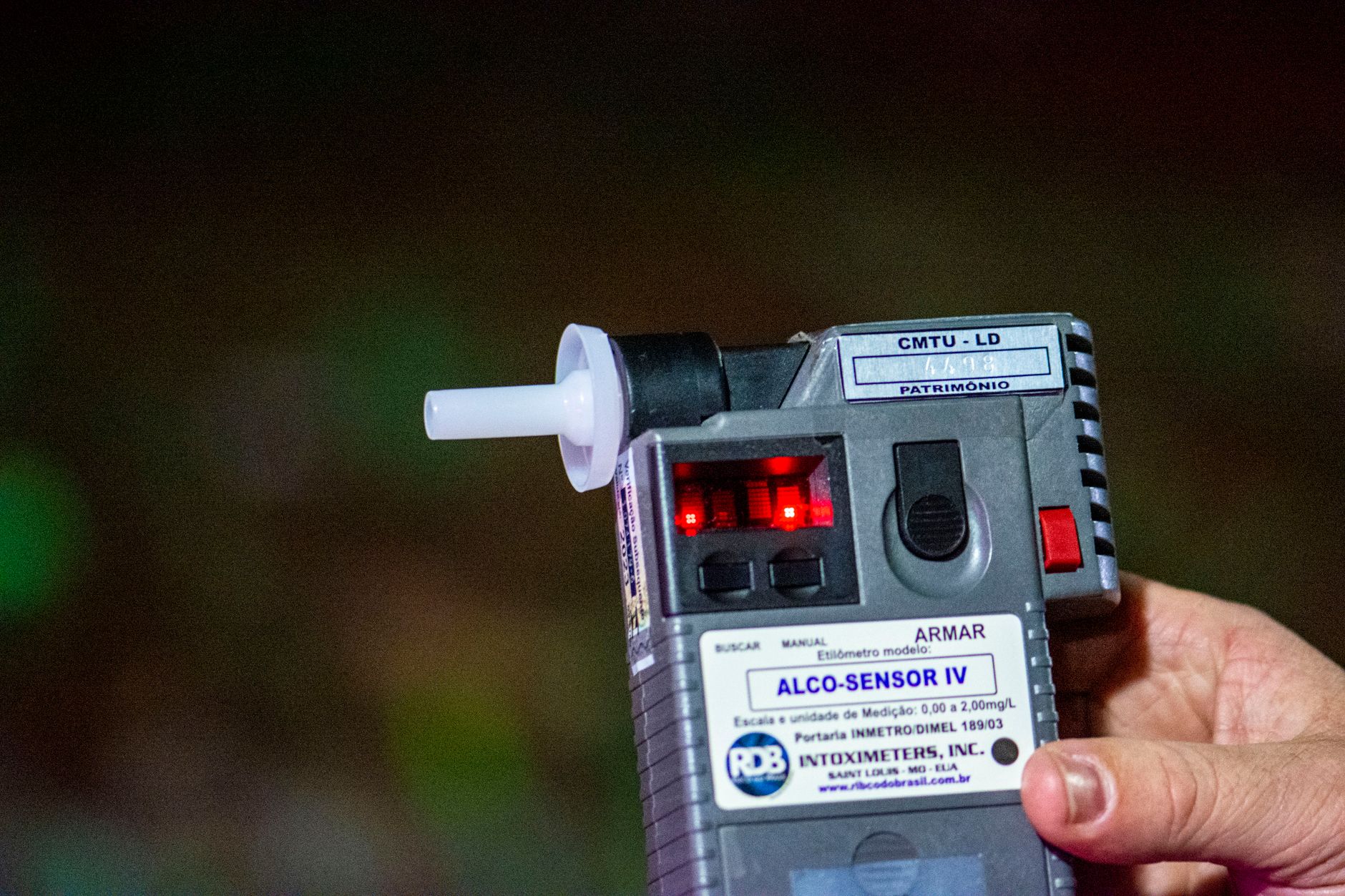
Hero image: Rodolfo Gaion / Pexels
Fat-Burning Breathalyzers Reviewed
The recent trend of fat-burning breathalyzers has sparked controversy, with some hailing it as a revolutionary tool for weight loss and others dismissing it as a pseudoscientific fad. This article delves into the claims made by the manufacturers of these devices, examining the science behind their alleged functionality and the expert response to their marketing. By synthesizing reporting from multiple outlets, we aim to provide a comprehensive understanding of the fat-burning breathalyzers phenomenon and its implications for public health.
The claim that fat-burning breathalyzers can accurately measure an individual’s metabolic state and provide personalized advice for weight loss has been widely publicized, with many outlets reporting on the supposed benefits of these devices. However, a closer examination of the evidence reveals significant discrepancies between the manufacturers’ assertions and the scientific consensus. This piece will explore the allegations surrounding fat-burning breathalyzers, the scientific principles they supposedly operate on, and the warnings issued by health experts.
Introduction to Fat-Burning Breathalyzers
Fat-burning breathalyzers are handheld devices that claim to measure the levels of acetone in a person’s breath, which is alleged to be an indicator of their metabolic state. According to Trend Hunter, these devices use a complex algorithm to analyze the breath sample and provide feedback on how to optimize one’s diet and exercise routine for maximum weight loss. While the idea of a non-invasive, user-friendly tool for monitoring metabolic health may seem appealing, it is essential to scrutinize the scientific basis for these claims and the potential risks associated with their use.
The widespread marketing of fat-burning breathalyzers has raised concerns among health professionals, who argue that these devices are often based on unproven assumptions and may lead to misleading or harmful advice. By examining the reports from various outlets, including Trend Hunter, it becomes clear that the fat-burning breathalyzers phenomenon is characterized by a lack of transparency and a dearth of rigorous scientific testing.
Comparing Reports from Trend Hunter and Other Outlets
While Trend Hunter has reported on the supposed benefits of fat-burning breathalyzers, other outlets have expressed skepticism regarding the scientific foundations of these devices. Trend Hunter noted that the devices use a complex algorithm to analyze the breath sample, but did not provide details on how this algorithm was developed or validated. In contrast, other reports have highlighted the potential flaws in the underlying science, including the fact that acetone levels can be influenced by a variety of factors unrelated to metabolic state.
The discrepancy between the reports from Trend Hunter and other outlets underscores the need for a more nuanced understanding of the fat-burning breathalyzers phenomenon. By comparing the claims made by the manufacturers with the available scientific evidence, it becomes clear that the alleged benefits of these devices are often exaggerated or unsupported.
The Claim: How Fat-Burning Breathalyzers Allegedly Work
The manufacturers of fat-burning breathalyzers claim that their devices can accurately measure an individual’s metabolic state by analyzing the levels of acetone in their breath. According to Trend Hunter, this is based on the idea that the body produces acetone as a byproduct of fat metabolism, and that higher levels of acetone indicate a higher rate of fat burning. However, this claim is not supported by the available scientific evidence, which suggests that acetone levels can be influenced by a variety of factors, including diet, exercise, and overall health.
The alleged mechanism of action for fat-burning breathalyzers is based on a flawed understanding of the relationship between acetone levels and metabolic state. While it is true that the body produces acetone as a byproduct of fat metabolism, the levels of acetone in the breath are not a reliable indicator of an individual’s metabolic state. This is because acetone levels can be influenced by a variety of factors, including the presence of other substances in the breath, such as volatile organic compounds (VOCs).
Examining the Science Behind the Claim
A closer examination of the science behind the claim reveals significant discrepancies between the manufacturers’ assertions and the scientific consensus. The available evidence suggests that the levels of acetone in the breath are not a reliable indicator of an individual’s metabolic state, and that the alleged benefits of fat-burning breathalyzers are often exaggerated or unsupported. Furthermore, the use of these devices may lead to misleading or harmful advice, particularly if individuals rely on them as the sole basis for making decisions about their diet and exercise routine.
Debunking the Science Behind Fat-Burning Breathalyzers
The scientific consensus is clear: fat-burning breathalyzers are not a reliable tool for measuring an individual’s metabolic state. The available evidence suggests that the levels of acetone in the breath are influenced by a variety of factors, including diet, exercise, and overall health, and that the alleged benefits of these devices are often exaggerated or unsupported. By examining the reports from various outlets, including Trend Hunter, it becomes clear that the fat-burning breathalyzers phenomenon is characterized by a lack of transparency and a dearth of rigorous scientific testing.
The lack of transparency surrounding the development and validation of fat-burning breathalyzers is a major concern. The manufacturers of these devices have failed to provide detailed information on the algorithms used to analyze the breath samples, and the available evidence suggests that these algorithms are often based on unproven assumptions. This lack of transparency makes it difficult to evaluate the effectiveness of these devices and to identify potential risks associated with their use.
Expert Response to Fat-Burning Breathalyzers
Health experts have expressed significant concerns regarding the marketing and use of fat-burning breathalyzers. According to experts, these devices are often based on unproven assumptions and may lead to misleading or harmful advice. The available evidence suggests that the alleged benefits of fat-burning breathalyzers are often exaggerated or unsupported, and that the use of these devices may pose significant risks to public health.
The expert response to fat-burning breathalyzers underscores the need for a more nuanced understanding of the fat-burning breathalyzers phenomenon. By examining the available evidence and the reports from various outlets, including Trend Hunter, it becomes clear that the alleged benefits of these devices are often exaggerated or unsupported. The use of fat-burning breathalyzers may pose significant risks to public health, particularly if individuals rely on them as the sole basis for making decisions about their diet and exercise routine.
Warning Signs and Red Flags
The marketing and use of fat-burning breathalyzers are characterized by several warning signs and red flags. The lack of transparency surrounding the development and validation of these devices is a major concern, and the available evidence suggests that the alleged benefits of fat-burning breathalyzers are often exaggerated or unsupported. Furthermore, the use of these devices may lead to misleading or harmful advice, particularly if individuals rely on them as the sole basis for making decisions about their diet and exercise routine.
The following table highlights some of the key red flags and warning signs associated with fat-burning breathalyzers:
| Red Flag | Description |
|---|---|
| Lack of transparency | The manufacturers of fat-burning breathalyzers have failed to provide detailed information on the algorithms used to analyze the breath samples. |
| Unproven assumptions | The alleged benefits of fat-burning breathalyzers are often based on unproven assumptions, including the idea that acetone levels are a reliable indicator of metabolic state. |
| Potential for misleading advice | The use of fat-burning breathalyzers may lead to misleading or harmful advice, particularly if individuals rely on them as the sole basis for making decisions about their diet and exercise routine. |
Original Analysis: Trends in Health Misinformation
Taken together, the reports from various outlets, including Trend Hunter, suggest that the fat-burning breathalyzers phenomenon is part of a broader trend in health misinformation. The widespread marketing of these devices has raised concerns among health professionals, who argue that they are often based on unproven assumptions and may lead to misleading or harmful advice. By examining the available evidence and the reports from various outlets, it becomes clear that the alleged benefits of fat-burning breathalyzers are often exaggerated or unsupported.
The trend of health misinformation surrounding fat-burning breathalyzers is characterized by a lack of transparency and a dearth of rigorous scientific testing. The manufacturers of these devices have failed to provide detailed information on the algorithms used to analyze the breath samples, and the available evidence suggests that these algorithms are often based on unproven assumptions. This lack of transparency makes it difficult to evaluate the effectiveness of these devices and to identify potential risks associated with their use.
Red Flags and Warning Signs of Health Scams
The fat-burning breathalyzers phenomenon is characterized by several red flags and warning signs of health scams. The lack of transparency surrounding the development and validation of these devices is a major concern, and the available evidence suggests that the alleged benefits of fat-burning breathalyzers are often exaggerated or unsupported. Furthermore, the use of these devices may lead to misleading or harmful advice, particularly if individuals rely on them as the sole basis for making decisions about their diet and exercise routine.
The following checklist highlights some of the key red flags and warning signs associated with health scams:
- Lack of transparency surrounding the development and validation of a product or device
- Unproven assumptions or unsubstantiated claims
- Potential for misleading or harmful advice
- Aggressive marketing or sales tactics
- Lack of rigorous scientific testing or peer review
FAQ: Separating Fact from Fiction in Fat-Burning Breathalyzers
What are fat-burning breathalyzers, and how do they work?
Fat-burning breathalyzers are handheld devices that claim to measure the levels of acetone in a person’s breath, which is alleged to be an indicator of their metabolic state. However, the available evidence suggests that the levels of acetone in the breath are not a reliable indicator of metabolic state, and that the alleged benefits of fat-burning breathalyzers are often exaggerated or unsupported.
Are fat-burning breathalyzers a reliable tool for measuring metabolic state?
No, the available evidence suggests that fat-burning breathalyzers are not a reliable tool for measuring metabolic state. The levels of acetone in the breath are influenced by a variety of factors, including diet, exercise, and overall health, and the alleged benefits of fat-burning breathalyzers are often exaggerated or unsupported.
What are the potential risks associated with using fat-burning breathalyzers?
The use of fat-burning breathalyzers may lead to misleading or harmful advice, particularly if individuals rely on them as the sole basis for making decisions about their diet and exercise routine. Furthermore, the lack of transparency surrounding the development and validation of these devices is a major concern, and the available evidence suggests that the alleged benefits of fat-burning breathalyzers are often exaggerated or unsupported.
How can I separate fact from fiction when it comes to fat-burning breathalyzers?
To separate fact from fiction when it comes to fat-burning breathalyzers, it is essential to examine the available evidence and to be aware of the potential red flags and warning signs associated with health scams. This includes being cautious of unsubstantiated claims or unproven assumptions, and being aware of the potential for misleading or harmful advice.
What are some alternative methods for measuring metabolic state that are supported by scientific evidence?
There are several alternative methods for measuring metabolic state that are supported by scientific evidence, including dual-energy X-ray absorptiometry (DXA) scans, hydrostatic weighing, and indirect calorimetry. These methods are more reliable and accurate than fat-burning breathalyzers, and can provide a more comprehensive understanding of an individual’s metabolic state.