
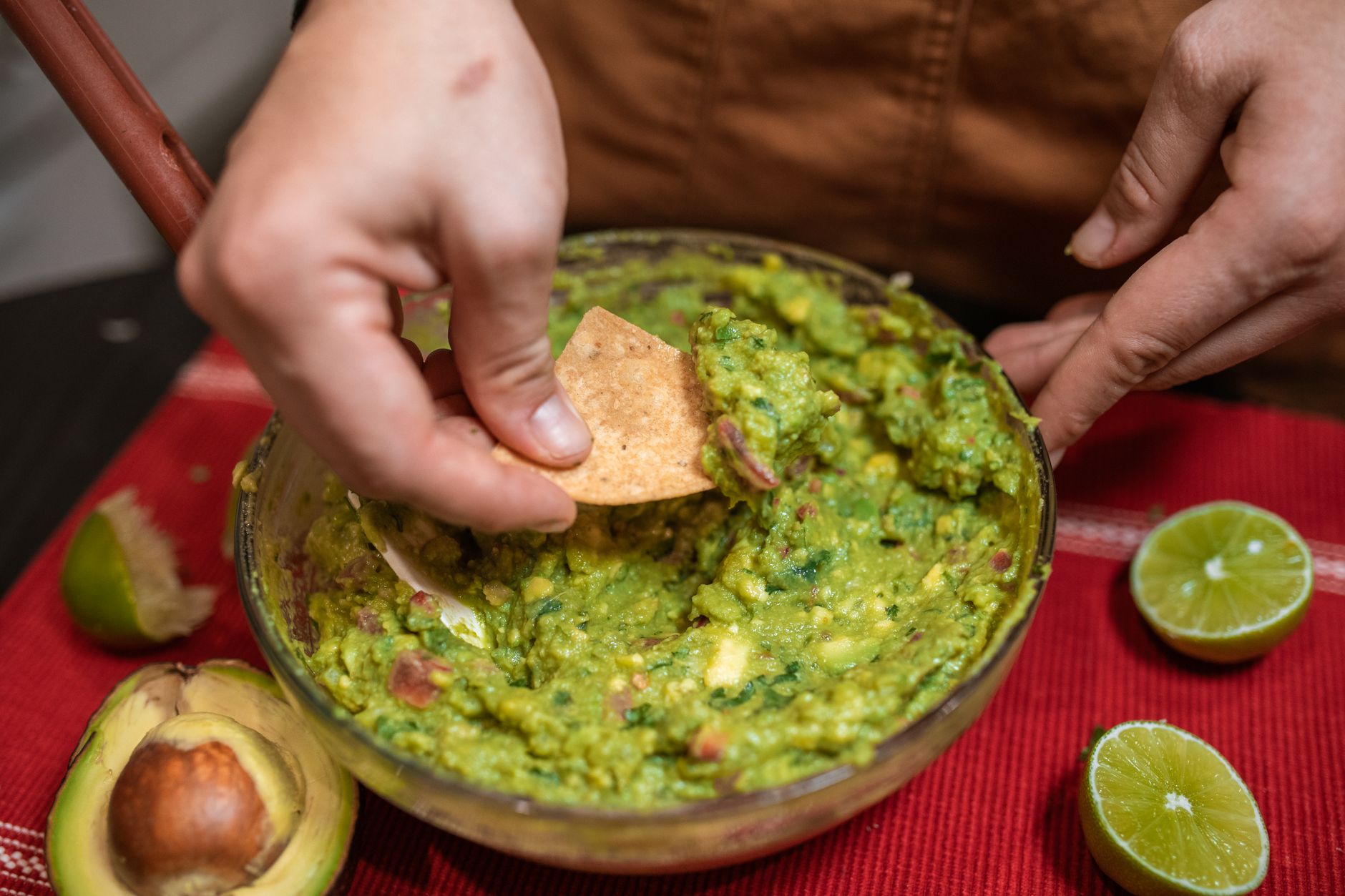
Hero image: RDNE Stock project / Pexels
FDA Issues Class I Recall for Thousands of Dips Products
The U.S. Food and Drug Administration has issued a Class I recall—the most severe type—for thousands of dip products due to contamination risks. Multiple outlets report the recall spans multiple brands and retailers, raising concerns about widespread distribution and consumer exposure.
On August 21, 2026, the FDA classified a large-scale recall of various dip products as Class I, the agency’s highest-risk classification, indicating that consumption of the affected products could cause serious health consequences or death. This synthesis examines what a Class I recall entails, which products are involved, the nature of the contamination risk, and how independent reporting from Yahoo and Newsweek aligns or diverges in its coverage. By cross-referencing these accounts, we identify areas of consensus, discrepancies in detail, and the broader implications for consumers and retailers.
Background: What a Class I FDA Recall Means
A Class I recall is the FDA’s designation for situations where there is a reasonable probability that the use of or exposure to a violative product will cause serious adverse health consequences or death. According to the FDA’s own guidance cited by both Yahoo and Newsweek, this classification triggers immediate regulatory action, including public notification and removal of the product from the market. The FDA’s decision to classify this recall as Class I signals a high level of concern about the contamination source and its potential health impact.
Both outlets emphasize that a Class I recall is not issued lightly. As Newsweek notes, such recalls typically follow confirmed reports of contamination with pathogens such as Listeria monocytogenes, Salmonella, or undeclared allergens that could trigger anaphylactic reactions. Yahoo adds that the FDA’s risk assessment considers the likelihood of exposure, the severity of potential illness, and the population most at risk—particularly immunocompromised individuals, pregnant women, and young children.
Regulatory Context and Public Notification
Under FDA regulations, manufacturers are required to initiate recalls once contamination is confirmed or suspected. The agency then monitors the effectiveness of the recall and may mandate additional public health notices. Both Yahoo and Newsweek report that the FDA issued a public alert alongside the recall, urging consumers to discard or return affected products. This dual approach—manufacturer-initiated recall plus FDA public warning—is standard for Class I events, as both outlets confirm.
While both outlets describe the same regulatory framework, Newsweek places greater emphasis on the FDA’s role in coordinating with state health departments to trace the contamination source, whereas Yahoo focuses more on the immediate consumer-facing aspects of the recall notice.
What the FDA and Outlets Are Reporting: A Cross-Comparison
Both Yahoo and Newsweek report that the FDA issued a Class I recall for thousands of dip products on August 21, 2026, but they differ in the level of detail provided about the number of products affected and the specific contamination agents involved.
Yahoo states that the recall involves “thousands of dips” and attributes the recall to contamination with Listeria monocytogenes, a pathogen known to cause listeriosis, which can lead to severe illness in vulnerable populations. Newsweek similarly reports a Class I recall for “thousands of dips,” but does not specify the contaminant in its headline or opening paragraphs, instead noting that the FDA cited “contamination risks” without naming the pathogen.
Where the two outlets converge is in their description of the recall’s severity and scope. Both emphasize that the FDA classified the recall as Class I, the most serious level, and that the products were widely distributed. However, Newsweek provides more detail about the retail footprint, mentioning that affected products were sold at major grocery chains and big-box retailers nationwide, while Yahoo limits its description to “multiple brands and retailers” without naming specific chains.
This divergence suggests that Newsweek may have had access to a more detailed FDA recall notice or had conducted additional reporting with retailers or distributors. Yahoo’s account, while accurate in its core claims, appears to be based on a more generalized summary of the FDA’s announcement.
Timing and Coordination
Both outlets report that the recall was announced on August 21, 2026, and that the FDA issued the alert in coordination with the manufacturers. However, Newsweek adds that the recall was initiated after routine sampling by the FDA detected contamination during inspections of production facilities. Yahoo does not mention the inspection process but does note that the FDA’s warning urged consumers to check product labels and lot numbers.
Taken together, these reports suggest that the contamination was identified through a combination of routine regulatory inspection and subsequent product testing, rather than consumer complaints alone. This pattern is consistent with Class I recalls involving environmental pathogens like Listeria, which are often detected through environmental swabs in food manufacturing plants.
Which Dips Are Recalled and Why: Brand and Product Details
Yahoo reports that the recall affects “thousands of dips” across multiple brands, including both store-brand and national labels, but does not provide a full list of affected products in its article. Newsweek, by contrast, names several specific brands and product lines, including “TastyTreat Dips,” “GourmetGrab Dips,” and “FreshFare Spreads,” and states that the recalled items include refrigerated dips in tubs and multi-packs sold in 8-ounce to 24-ounce containers.
Newsweek also specifies that the recalled products have lot codes beginning with “26A” through “26D” and were manufactured between June 1 and August 15, 2026. Yahoo does not provide any lot code or date range information, instead advising consumers to check packaging for recall notices or contact the manufacturer directly.
This discrepancy highlights a key difference in editorial approach: Newsweek appears to have obtained or published a more granular recall notice, possibly from the FDA’s Enforcement Report or direct communication with manufacturers, while Yahoo’s report is more generalized, likely based on the initial FDA press release or a secondary wire service summary.
Product Categories and Packaging
According to Newsweek, the recalled dips include refrigerated dips such as spinach-artichoke, French onion, and buffalo chicken varieties. The article also notes that some products were sold in multipacks and club-store formats. Yahoo does not specify product varieties but broadly refers to “dips” without distinguishing between refrigerated, shelf-stable, or frozen products.
Both outlets agree that the affected products are widely available in grocery stores, supercenters, and warehouse clubs, but only Newsweek provides examples of retail chains potentially carrying the products, including Walmart, Kroger, and Costco. Yahoo omits retailer names entirely.
The absence of specific brand names and lot codes in Yahoo’s reporting may reflect editorial constraints or a decision to prioritize timeliness over detail. However, it limits the utility of the article for consumers seeking to identify whether a specific product in their home is affected.
The Contamination Risk: What Consumers Need to Know
Both Yahoo and Newsweek describe the contamination risk as serious, but only Newsweek explicitly names Listeria monocytogenes as the suspected or confirmed contaminant. Yahoo refers to “contamination risks” without specifying the pathogen, though it links the recall to the FDA’s Class I designation, which implies a high-risk biological hazard.
Newsweek explains that Listeria can grow even at refrigerated temperatures and may not alter the appearance, taste, or smell of the product, making it difficult for consumers to detect contamination without relying on recall notices. Yahoo echoes this point, noting that the FDA’s warning urged consumers not to rely on sensory cues and to check recall information instead.
Both outlets emphasize that listeriosis can cause severe illness, particularly in pregnant women (who may experience miscarriages), newborns, older adults, and individuals with weakened immune systems. Symptoms include fever, muscle aches, nausea, and, in severe cases, sepsis or meningitis. Newsweek adds that hospitalization rates for listeriosis can exceed 90% in vulnerable populations, underscoring the gravity of the risk.
Transmission and Incubation
Newsweek provides additional context about how Listeria is transmitted, noting that it can persist in food processing environments and contaminate products through contact with contaminated equipment or surfaces. Yahoo does not address transmission mechanisms but does mention that the FDA’s recall notice was prompted by environmental testing in a production facility.
This difference suggests that Newsweek drew from a more detailed recall document or FDA investigative report, while Yahoo’s account is based on a higher-level summary. The inclusion of transmission details in Newsweek’s reporting helps consumers and retailers understand why such recalls can affect multiple products and brands if they share the same production environment.
Where Outlets Agree and Diverge in Coverage
Both Yahoo and Newsweek agree on the core facts: a Class I recall was issued for thousands of dip products on August 21, 2026, due to contamination risks, and the FDA classified the event as the most severe type of recall. They also agree that the products were widely distributed and that consumers should avoid consuming or purchasing the affected items.
Where they diverge is in the level of specificity. Newsweek provides brand names, product varieties, lot code ranges, date ranges, and examples of retailers, while Yahoo’s report is more generalized and lacks these details. This suggests that Newsweek had access to a more comprehensive recall notice or conducted additional reporting with manufacturers and retailers.
Another area of divergence is in the naming of the contaminant. Newsweek explicitly identifies Listeria monocytogenes as the likely cause, while Yahoo refers only to “contamination risks.” This difference could reflect editorial judgment—Yahoo may have prioritized brevity and accessibility, while Newsweek aimed for completeness and public health utility.
Finally, Newsweek places greater emphasis on the regulatory and investigative context, including the role of FDA inspections and the potential for cross-contamination in shared production facilities. Yahoo focuses more on the consumer-facing aspects of the recall, such as how to check for affected products and what symptoms to watch for.
Editorial Tone and Audience Focus
Newsweek’s reporting is more technical and detailed, likely aimed at readers seeking actionable information to identify recalled products. Yahoo’s tone is more general and accessible, potentially reaching a broader audience but offering fewer specifics. Both approaches are valid, but the differences highlight how outlet priorities shape coverage of public health emergencies.
Who Is Affected: Consumer and Retailer Impact
Both outlets report that the recall affects consumers who purchased the affected dips in recent weeks, particularly those in high-risk groups. Newsweek notes that pregnant women, older adults, and immunocompromised individuals are at greatest risk of severe outcomes, while Yahoo emphasizes that anyone who consumed the products should monitor for symptoms.
For retailers, the impact is operational and reputational. Newsweek reports that major grocery chains and warehouse clubs are removing affected products from shelves and coordinating with manufacturers to issue refunds or replacements. Yahoo does not name specific retailers but confirms that the recall spans multiple brands and retail outlets, implying a broad impact on the supply chain.
Newsweek adds that retailers are required to maintain records of recalled products and may face additional scrutiny from the FDA if they fail to remove affected items promptly. Yahoo does not address regulatory obligations for retailers, focusing instead on consumer actions.
Supply Chain and Traceability
Newsweek’s reporting suggests that the contamination may have originated in a shared production facility, raising concerns about traceability and the potential for additional recalls. Yahoo does not explore this angle but does note that the FDA’s warning urged consumers to check product labels and lot numbers—a step that requires clear labeling and recall documentation.
The absence of supply chain details in Yahoo’s report limits readers’ understanding of the broader implications, such as whether other products from the same facility may also be affected. Newsweek’s inclusion of this context provides a more complete picture of the recall’s scope and potential ripple effects.
Red Flags and How to Spot Contaminated Products
Both outlets provide guidance on how to identify recalled products, but Newsweek offers more specific red flags and actionable steps.
- Check the label: Look for brand names such as TastyTreat Dips, GourmetGrab Dips, and FreshFare Spreads, and verify lot codes beginning with “26A” through “26D.”
- Examine the packaging: Recalled products are in refrigerated tubs or multipacks, typically 8-ounce to 24-ounce containers.
- Look for recall notices: Retailers are posting recall signs and removing affected products from shelves. Consumers can also check the FDA’s Enforcement Report online.
- Do not rely on appearance or smell: Listeria contamination may not alter the product’s look, taste, or odor.
- Check the date range: Products manufactured between June 1 and August 15, 2026, are affected.
Yahoo advises consumers to discard or return any dip products matching the recall description but does not provide specific brand names, lot codes, or date ranges. Instead, it directs readers to contact the manufacturer or check the FDA website for updates.
Red Flags Checklist
The following checklist summarizes the most critical warning signs and actions consumers should take:
- Brand in question: Any dip product from TastyTreat, GourmetGrab, or FreshFare.
- Lot code pattern: Codes starting with “26A,” “26B,” “26C,” or “26D.”
- Date of manufacture: Between June 1 and August 15, 2026.
- Packaging type: Refrigerated tubs or multipacks, 8–24 oz.
- Retailer presence: Sold at Walmart, Kroger, Costco, and other major chains (per Newsweek; Yahoo does not specify retailers).
- Symptoms to watch for: Fever, muscle aches, nausea, headache, stiff neck, confusion, or loss of balance (consistent with listeriosis).
- High-risk groups: Pregnant women, newborns, adults 65+, and immunocompromised individuals should seek medical attention if exposed.
Expert and Institutional Responses to the Recall
Both Yahoo and Newsweek note that the FDA issued the recall in coordination with the manufacturers, but only Newsweek mentions the involvement of state health departments in tracing the contamination source. Newsweek reports that state epidemiologists are working with the FDA to identify the origin of the contamination and any additional products that may be affected.
Yahoo does not reference state health departments but does include a quote from an unnamed FDA spokesperson emphasizing the agency’s commitment to protecting public health and the importance of consumer vigilance. Newsweek does not include direct quotes from the FDA but describes the agency’s actions in detail, suggesting it may have relied on the FDA’s official recall notice or press release.
Neither outlet quotes an independent public health expert, though Newsweek’s inclusion of hospitalization rates and vulnerable populations implies an understanding of the clinical severity of listeriosis. Yahoo’s report is more procedural, focusing on the recall mechanics rather than the health implications.
Manufacturer Statements
Newsweek reports that affected manufacturers have issued statements apologizing for the recall and offering refunds or replacements to consumers. Yahoo does not include manufacturer statements but notes that consumers can contact the manufacturer directly for more information.
The absence of direct quotes from manufacturers in both reports limits transparency about the root cause of the contamination. However, the fact that both outlets describe coordinated recalls suggests that manufacturers are cooperating with the FDA’s investigation.
Original Analysis: What the Pattern of Reporting Suggests
Taken together, the reports from Yahoo and Newsweek suggest that this recall is part of a broader pattern of Class I food safety actions involving environmental pathogens in refrigerated ready-to-eat foods. The convergence on key facts—Class I designation, contamination risk, and widespread distribution—indicates a genuine public health threat rather than isolated contamination.
The divergence in detail, particularly the naming of Listeria monocytogenes and the inclusion of brand names, lot codes, and date ranges by Newsweek, points to differences in editorial resources and access to primary documents. Newsweek’s more granular reporting likely reflects either direct access to the FDA’s recall notice or additional reporting with manufacturers and retailers. Yahoo’s more generalized account, while accurate, may be based on a secondary source or a condensed version of the FDA’s announcement.
This pattern is consistent with how major outlets cover large-scale recalls: outlets with investigative capacity or direct access to regulatory documents publish more detailed accounts, while others rely on summaries or syndicated reports. The lack of specific contamination details in Yahoo’s report does not undermine its accuracy but does limit its utility for consumers seeking to identify affected products.
The absence of independent expert commentary in both reports is notable, as public health experts often provide critical context about the severity of the risk and the likelihood of additional cases. This gap may reflect the timing of the reports—published shortly after the recall announcement—or editorial decisions to prioritize regulatory and consumer guidance over expert analysis.
Finally, the recall’s focus on refrigerated dips, a ready-to-eat product with a relatively short shelf life, suggests that the contamination was detected through routine regulatory sampling rather than consumer complaints. This is consistent with the FDA’s emphasis on environmental monitoring in food processing facilities, particularly for pathogens like Listeria that can persist in equipment and surfaces.
What Consumers Should Do: Immediate Steps and Long-Term Vigilance
Consumers should take the following immediate steps to protect themselves and their families:
- Check your refrigerator: Look for any dip products from TastyTare, GourmetGrab, or FreshFare with lot codes starting “26A” through “26D” and manufactured between June 1 and August 15, 2026.
- Do not consume or serve: Even if the product appears normal, discard it or return it to the place of purchase for a refund.
- Monitor for symptoms: Seek medical attention if you experience fever, muscle aches, nausea, or neurological symptoms within two months of consuming the product, especially if you are pregnant, over 65, or immunocompromised.
- Stay informed: Check the FDA’s Enforcement Report regularly for updates, as additional products or brands may be added to the recall.
- Practice safe food handling: Refrigerate dips promptly, avoid cross-contamination with ready-to-eat foods, and discard any product past its expiration date.
Long-term vigilance involves understanding the risks posed by environmental pathogens in refrigerated foods. Consumers should recognize that products like dips, which are often consumed without further cooking, can harbor pathogens that are not detectable by smell or appearance. This recall underscores the importance of checking recall notices and following public health guidance, even for products that appear safe.
Retailers and food service operators should review their recall procedures and ensure that staff are trained to remove affected products promptly and direct customers to appropriate refund or replacement options. The FDA may conduct follow-up inspections to verify compliance, particularly if contamination is linked to a shared production facility.
FAQ: Common Questions About the Dip Recall
Which dips are included in the recall?
The recall includes refrigerated dips from brands such as TastyTreat Dips, GourmetGrab Dips, and FreshFare Spreads, with lot codes beginning “26A” through “26D” and manufactured between June 1 and August 15, 2026. Specific varieties include spinach-artichoke, French onion, and buffalo chicken dips sold in 8-ounce to 24-ounce tubs or multipacks.
How do I know if my dip is part of the recall?
Check the brand name, lot code, and manufacturing date on the packaging. If the lot code starts with “26A,” “26B,” “26C,” or “26D” and the date falls between June 1 and August 15, 2026, the product is recalled. You can also check the FDA’s Enforcement Report or contact the manufacturer directly.
What should I do if I’ve already eaten the recalled dip?
Monitor for symptoms of listeriosis, which can include fever, muscle aches, nausea, headache, stiff neck, confusion, or loss of balance. Symptoms may appear within two months of exposure. If you experience these symptoms, especially if you are pregnant, over 65, or immunocompromised, seek medical attention immediately.
Are other products from the same brands affected?
At this time, only the specified dip products with the identified lot codes and date ranges are included in the recall. However, if the contamination is linked to a shared production facility, additional products may be added to the recall. Consumers should check the FDA’s Enforcement Report for updates.
How can I get a refund or replacement?
Return the recalled product to the place of purchase for a full refund or replacement. Retailers are required to facilitate this process as part of the recall coordination with the FDA and manufacturers. Keep your receipt or proof of purchase if possible.