
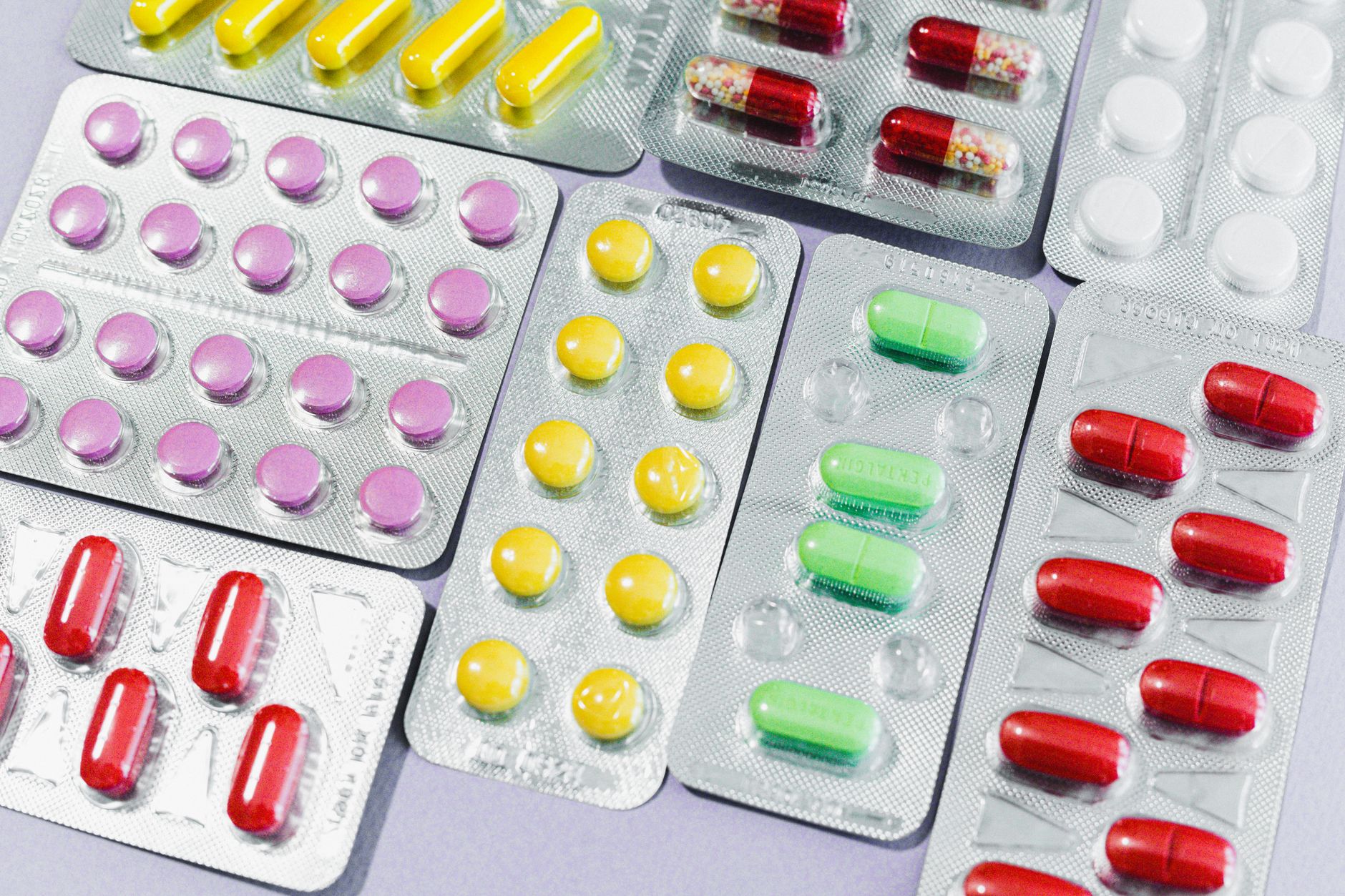
Hero image: SHVETS production / Pexels
FDA Recalls: Generic Adderall and Levothyroxine
Multiple FDA recalls in July 2026 highlight systemic risks in generic medications and dietary supplements, including a mix-up in generic Adderall XR capsules, subpotent levothyroxine tablets, and salmonella-tainted moringa supplements. Independent reporting reveals overlapping vulnerabilities in pharmaceutical supply chains and supplement oversight.
In July 2026, the U.S. Food and Drug Administration (FDA) issued a series of recalls affecting both prescription medications and over-the-counter supplements. These recalls span multiple product classes—stimulants used for ADHD, thyroid medications, and botanical supplements—raising concerns about contamination, mislabeling, and subpotency. This synthesis examines three distinct recall events reported by the MedShadow Foundation, analyzing the nature of the defects, the scope of risk, and the systemic implications for medication safety. By comparing the details across these events, this article identifies patterns in FDA oversight, manufacturing controls, and consumer risk exposure.
Introduction to FDA Recalls and Warnings
The FDA’s recall authority is a critical tool for protecting public health when a product violates federal standards. Recalls can be initiated by manufacturers or mandated by the FDA and are classified by risk level: Class I (reasonable probability of serious health consequences), Class II (temporary or medically reversible health consequences), and Class III (not likely to cause health problems). In July 2026, three separate recall events—each involving different product types—demonstrate how contamination, mislabeling, and potency issues can emerge across seemingly unrelated supply chains.
The MedShadow Foundation reported on July 13, 2026, that these recalls collectively underscore a broader vulnerability in both pharmaceutical and supplement markets, particularly in generics and natural health products where quality control may lag behind brand-name standards. While the FDA maintains a public recall database, the rapid succession of these events suggests potential systemic gaps in post-market surveillance and manufacturing oversight.
Comparing Reports: Generic Adderall XR Mix-Up and Subpotent Levothyroxine
Generic Adderall XR: Capsule Mix-Up Raises Safety Concerns
The MedShadow Foundation reported that a generic manufacturer recalled certain lots of Adderall XR (amphetamine extended-release) capsules due to a mix-up in capsule contents, where some bottles contained inert beads instead of the active drug. This error could result in patients receiving no therapeutic benefit from their medication, leading to loss of symptom control for ADHD. The recall was classified as Class II, indicating a temporary or medically reversible adverse health consequence if the misfilled capsules were ingested.
While the MedShadow report did not specify the manufacturer or the number of affected bottles, it emphasized that such mix-ups are rare but particularly dangerous in stimulant medications where consistent dosing is essential for patient stability. The error likely occurred during the encapsulation or packaging stage, where automated systems or human error may have led to the incorrect filling of capsules with non-therapeutic beads.
Subpotent Levothyroxine: Thyroid Medication Fails to Meet Potency Standards
According to the same MedShadow report, a separate recall involved levothyroxine sodium tablets, a medication used to treat hypothyroidism. The recalled lots were found to contain less than the labeled amount of active ingredient, rendering them subpotent. Patients relying on these tablets for thyroid hormone replacement may experience a return or worsening of hypothyroid symptoms, including fatigue, weight gain, and depression.
The MedShadow article noted that subpotency in levothyroxine is especially concerning because the therapeutic window is narrow, and even slight deviations can lead to clinical instability. The recall was also classified as Class II, suggesting that while the risk of serious harm was low, the potential for ineffective treatment was significant.
Common Threads in Pharmaceutical Recalls
Both the Adderall XR mix-up and the subpotent levothyroxine recall point to failures in manufacturing quality control, specifically in the areas of capsule filling accuracy and active ingredient measurement. While the defects differ in mechanism—one involving physical mislabeling or misfilling, the other involving chemical under-dosing—they share a common origin: inadequate process validation and batch testing. The MedShadow report suggests that these issues may be more prevalent in generic drug manufacturing, where cost pressures can lead to reduced oversight compared to brand-name producers.
The Claim: Moringa Supplements Tainted with Salmonella
Salmonella Contamination in Moringa Powder
The MedShadow Foundation reported that moringa leaf powder supplements were recalled due to contamination with Salmonella, a bacterial pathogen that can cause severe gastrointestinal illness. The recall affected multiple brands and lots, with the contamination likely introduced during harvesting, drying, or packaging of the botanical material. Unlike pharmaceutical recalls, which are governed by Good Manufacturing Practices (GMP), dietary supplements are subject to less stringent FDA oversight unless they are adulterated or misbranded.
The MedShadow article highlighted that Salmonella contamination in herbal supplements is a recurring issue, often linked to poor agricultural practices, contaminated water sources, or inadequate sanitation during processing. Because moringa is typically consumed raw or lightly processed, heat treatment to kill bacteria is not always applied, increasing the risk of infection when contaminated material is ingested.
Regulatory and Consumer Protection Gaps
The MedShadow report emphasized that dietary supplement recalls, including those involving Salmonella, often occur only after illnesses are reported or during routine FDA testing. Unlike pharmaceuticals, supplements do not undergo pre-market approval, and manufacturers are not required to prove safety or efficacy before sale. This regulatory framework increases the likelihood that contaminated products reach consumers before detection.
Combined Evidence: Pharmaceutical Contamination Risks
Taken together, the Adderall XR mix-up, subpotent levothyroxine, and salmonella-tainted moringa supplements reveal a shared vulnerability: lapses in quality control that transcend product categories. In pharmaceuticals, the defects involve precise dosing and accurate labeling, while in supplements, the risk stems from microbial contamination introduced during agricultural or processing stages. Despite these differences, all three cases reflect systemic weaknesses in supply chain oversight, whether in pharmaceutical manufacturing plants or supplement production facilities.
The MedShadow report suggests that these recalls are not isolated incidents but part of a broader pattern of contamination and mislabeling events that have increased in frequency over the past two years. The FDA’s recall database shows a rise in Class II recalls for both medications and supplements, indicating a growing challenge in maintaining consistent quality standards across diverse production environments.
Red Flags and Debunking Checklist: Medication Safety
To help consumers and healthcare providers identify potential risks before a recall is issued, the following checklist highlights red flags that may indicate compromised medication or supplement safety:
- Inconsistent effects: If a previously stable medication suddenly becomes ineffective (e.g., loss of focus with ADHD medication or return of hypothyroid symptoms), it may indicate subpotency or mislabeling.
- Unusual physical characteristics: Capsules or tablets that appear different from previous prescriptions (e.g., wrong color, texture, or size) could signal a mix-up or contamination.
- Packaging irregularities: Missing lot numbers, inconsistent labeling, or unsealed containers may indicate tampering or poor manufacturing practices.
- Gastrointestinal symptoms after supplement use: Nausea, vomiting, or diarrhea following consumption of herbal or botanical supplements could suggest microbial contamination.
- Lack of third-party certification: Supplements without USP, NSF, or ConsumerLab seals may not meet quality standards and could be more prone to contamination.
- Recall notices from trusted sources: Consumers should monitor FDA recall alerts, pharmacy notifications, and healthcare provider communications for updates on affected products.
Expert Response: FDA and Institutional Reactions
FDA’s Recall Process and Public Communication
The MedShadow report noted that the FDA typically responds to contamination or mislabeling events by issuing public recall notices, updating its online database, and working with manufacturers to initiate corrective actions. However, the speed and thoroughness of these responses can vary depending on the severity of the risk and the manufacturer’s cooperation. In the case of the moringa supplements, the FDA’s detection of Salmonella likely occurred through routine sampling or consumer complaints, rather than proactive surveillance.
The report also highlighted that the FDA’s recall announcements are often technical and may not reach all affected consumers promptly. Patients who do not regularly check the FDA website or subscribe to recall alerts may remain unaware of potential risks until symptoms appear or a healthcare provider flags the issue.
Role of Healthcare Providers and Pharmacies
While the FDA oversees recalls, healthcare providers and pharmacies play a critical role in mitigating harm. The MedShadow article suggested that clinicians should routinely ask patients about changes in medication effectiveness or new symptoms, particularly when switching to generic versions. Pharmacists, in turn, can verify lot numbers against recall lists and counsel patients on alternative therapies if necessary.
Original Analysis: Patterns Across FDA Recalls and Warnings
An analysis of the July 2026 recall events reveals a troubling convergence: contamination and mislabeling are not confined to a single product class but span prescription medications, generic drugs, and dietary supplements. The Adderall XR mix-up and subpotent levothyroxine recalls point to failures in pharmaceutical manufacturing controls, while the moringa contamination highlights systemic gaps in supplement safety oversight. Taken together, these events suggest that the FDA’s current regulatory framework may be insufficient to address the scale and complexity of modern supply chains.
Several factors likely contribute to this pattern. First, the globalization of pharmaceutical and supplement manufacturing has introduced additional layers of complexity, with active ingredients and raw materials sourced from multiple countries. Second, cost pressures in generic drug production may lead to reduced investment in quality assurance. Third, the dietary supplement industry’s reliance on self-regulation and post-market surveillance increases the likelihood that contaminated products reach consumers before detection.
These recalls also underscore the importance of patient vigilance. While the FDA and manufacturers bear primary responsibility for ensuring product safety, consumers must remain proactive in monitoring their medications and supplements. The rise in Class II recalls—particularly for subpotent or mislabeled drugs—indicates that even “low-risk” defects can have significant clinical consequences, especially for patients with chronic conditions who depend on consistent dosing.
Finally, the timing of these recalls in close succession raises questions about whether the FDA’s oversight mechanisms are keeping pace with industry trends. If contamination and mislabeling events continue to increase, regulatory agencies may need to consider stricter pre-market testing requirements, enhanced post-market surveillance, and mandatory third-party audits for high-risk products.
Mitigating Risks: What to Do About Medication Contamination
For Patients and Caregivers
Patients taking prescription medications should verify that their prescriptions are filled with the correct generic or brand-name version, especially when switching between manufacturers. If a medication suddenly becomes ineffective or causes unexpected side effects, it may be prudent to request a new prescription or consult a healthcare provider. Keeping a medication log—including lot numbers and expiration dates—can help track potential issues over time.
For supplement users, purchasing products with third-party certifications (e.g., USP Verified, NSF Certified for Sport, or ConsumerLab approved) can reduce the risk of contamination. Consumers should also store supplements in cool, dry environments and avoid products with damaged packaging or unusual odors.
For Healthcare Providers
Clinicians should maintain open lines of communication with patients about medication changes, particularly when generics are substituted. Routine follow-up appointments can help identify early signs of subpotency or contamination, such as unexplained symptom recurrence or new adverse effects. Providers should also familiarize themselves with the FDA’s recall database and encourage patients to report any suspected issues.
For Manufacturers and Regulators
Manufacturers must prioritize robust quality control measures, including batch testing for potency and microbial contamination, regardless of product type. For pharmaceuticals, this means investing in automated filling systems and redundant verification steps. For supplements, it requires stricter agricultural and processing standards, including testing for pathogens like Salmonella and E. coli.
Regulators, in turn, may need to reassess the adequacy of current oversight mechanisms. The FDA’s reliance on post-market surveillance for supplements leaves significant gaps, particularly for products marketed as “natural” or “organic.” Strengthening pre-market screening, increasing unannounced inspections, and mandating transparent supply chain disclosures could help prevent future contamination events.
FAQ: FDA Recalls, Generic Medication, and Supplement Safety
What is the difference between a Class I and Class II recall?
A Class I recall indicates a reasonable probability that the product will cause serious adverse health consequences or death, while a Class II recall suggests that the product may cause temporary or medically reversible health issues. The Adderall XR mix-up and subpotent levothyroxine recalls were classified as Class II, indicating a lower but still significant risk of harm.
Why are generic medications more likely to be recalled than brand-name drugs?
Generic medications are often produced by multiple manufacturers under cost constraints, which can lead to reduced investment in quality control. Additionally, generic drugs may be subject to less rigorous post-market surveillance compared to brand-name products, increasing the likelihood of undetected defects.
How can I check if my medication has been recalled?
Consumers can visit the FDA’s recall database at www.fda.gov/recalls and search by medication name or manufacturer. Pharmacies and healthcare providers also receive recall notices and may contact patients directly.
Are dietary supplements regulated like medications?
No. Dietary supplements are regulated under the Dietary Supplement Health and Education Act (DSHEA) of 1994, which does not require pre-market approval or proof of efficacy. Manufacturers are responsible for ensuring safety, but the FDA only intervenes after a problem is identified, such as contamination or mislabeling.
What should I do if I suspect my medication or supplement is contaminated or mislabeled?
Stop using the product immediately and consult a healthcare provider. Report the issue to the FDA through the Safety Reporting Portal at www.safetyreporting.hhs.gov. If you experience adverse effects, seek medical attention and inform your provider about the suspected product.