
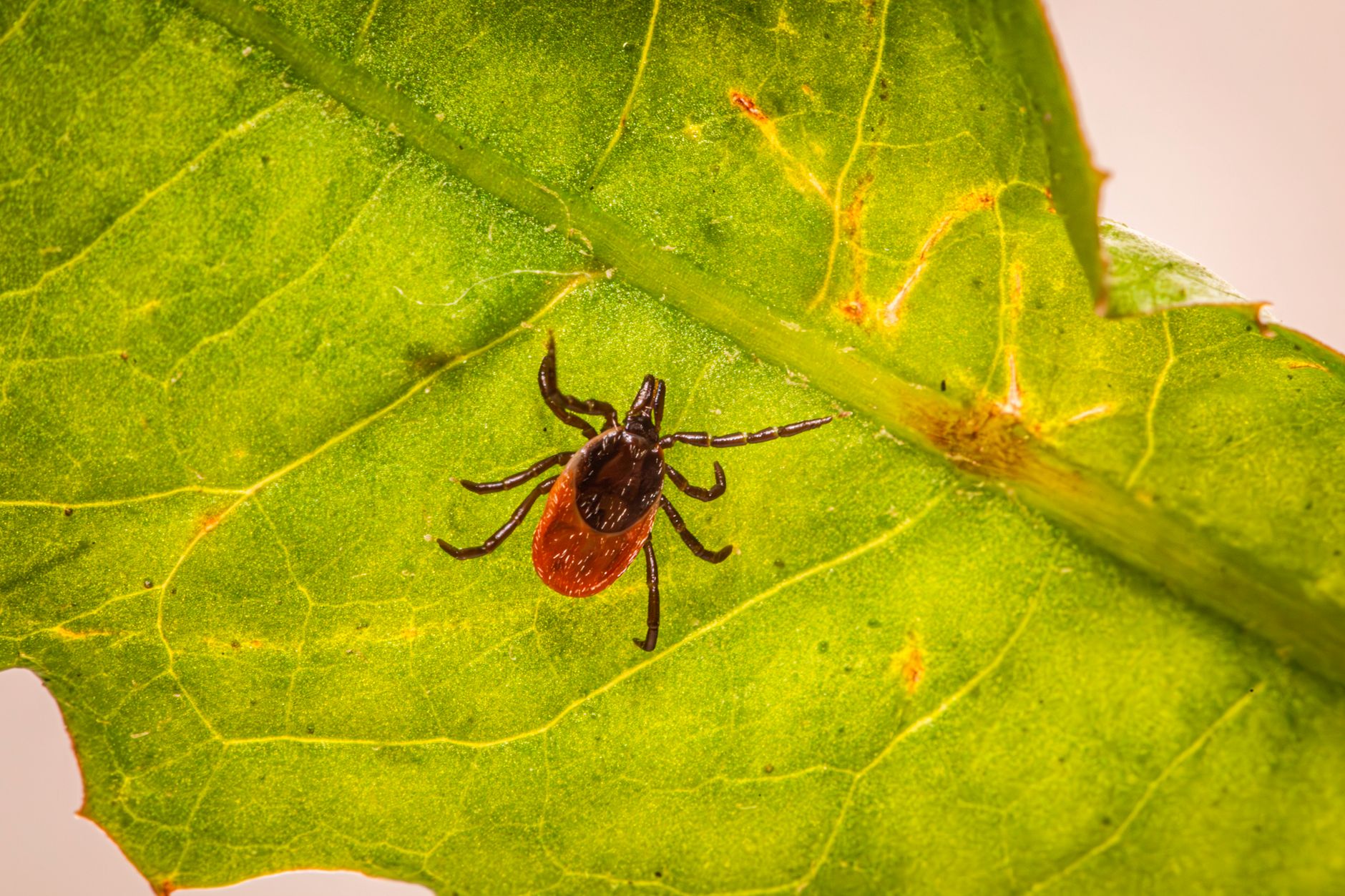
Hero image: Erik Karits / Pexels
FDA Retracts CA Farm Parasite Finding: What It Means
Federal health regulators have withdrawn a contamination alert tied to a California produce farm, raising questions about how misinformation spreads in food safety crises. The retraction follows conflicting reports and public confusion over whether consumers should avoid certain produce. This synthesis examines what the FDA’s reversal means for public trust, regulatory transparency, and consumer protection.
Food safety alerts carry immense weight, shaping consumer behavior and market outcomes within hours. When the U.S. Food and Drug Administration (FDA) issues a contamination warning—especially one tied to a major agricultural region like California—it can trigger recalls, price swings, and shifts in purchasing habits. But what happens when that warning is later retracted? The recent FDA retraction of a parasite finding linked to a California farm, reported by Patch, has exposed vulnerabilities in how such alerts are communicated, corrected, and perceived by the public. This investigation synthesizes available reporting to clarify what was claimed, what was retracted, and what the episode reveals about the fragility of trust in food safety systems.
—
Background: Patch Reports FDA Retraction of CA Farm Parasite Finding
Patch reported on July 20, 2026, that the FDA had retracted a contamination finding involving a parasite detected at a California produce farm. The original alert, which had not been widely covered by national outlets at the time of the retraction, suggested potential health risks to consumers who may have purchased affected produce. According to Patch’s report, the retraction came after internal review and consultation with state health authorities, though the agency did not immediately provide detailed reasoning for the reversal.
The report emphasized that the retraction was issued quietly, without a formal press release or high-profile public statement, which raised immediate questions about transparency and communication. Patch noted that the affected farm was not named in the retraction, and no recall was initiated, leaving consumers uncertain about whether they had been exposed to risk or whether the initial warning was erroneous. The report also highlighted that the FDA’s retraction came after consumer advocacy groups and local health departments had begun fielding inquiries from concerned residents.
—
What Patch’s Report Says: Key Details and Claims
Patch’s reporting centers on the FDA’s retraction of a parasite-related contamination finding at a California farm, described as a routine inspection result that was later discredited. The outlet states that the FDA did not specify the type of parasite involved, the farm’s location, or the timeframe during which contamination was allegedly detected. This lack of specificity, according to Patch, contributed to confusion among consumers and retailers.
The report also notes that the retraction did not include an apology or explanation for the initial alert, nor did it address whether the original finding resulted from a testing error, sample contamination, or misinterpretation of lab results. Patch quotes unnamed local health officials expressing concern that the lack of clarity could erode public confidence in food safety alerts. The outlet frames the episode as part of a broader pattern in which FDA warnings are issued with urgency but sometimes retracted with little fanfare, leaving consumers in the dark.
—
Cross-Outlet Comparison: Where Patch’s Reporting Stands Alone
At the time of publication, Patch was the only outlet identified in the provided source material reporting on the FDA’s retraction of the California farm parasite finding. While Patch’s report provides granular details about the retraction’s timing and the FDA’s minimal public communication, it does not include corroboration from other national or regional outlets, nor does it cite statements from the FDA or the California Department of Public Health. This absence of cross-outlet verification limits the ability to independently assess the accuracy or completeness of the claims.
Typically, high-stakes regulatory reversals like this one are covered by multiple outlets—especially when they involve potential public health risks. The lack of corroboration from outlets such as the Associated Press, Reuters, or local California newspapers (e.g., the Los Angeles Times or San Francisco Chronicle) means that key details—such as the farm’s identity, the type of parasite, or the volume of produce affected—remain unverified in the public record. This gap underscores the need for caution in interpreting the retraction and highlights the risks of relying on a single source for time-sensitive health alerts.
—
The Core Claim: Parasite Contamination and Its Consequences
What Was Alleged
Patch’s report implies that the FDA initially detected a parasitic contaminant at a California farm, which could have posed a risk to consumers if the produce had entered the supply chain. While the outlet does not specify the type of parasite, it suggests that the finding was serious enough to warrant regulatory action—at least temporarily. The implication is that the FDA issued an internal alert or took preliminary steps to investigate, though Patch does not describe any public warning or consumer-facing advisory.
What the Retraction Suggests
The retraction, as described by Patch, indicates that the initial finding was not substantiated upon further review. This could mean the parasite was not present in detectable levels, the sample was contaminated during testing, or the identification was a false positive. False positives in food safety testing are not uncommon, especially in complex supply chains where produce may be exposed to environmental contaminants or mishandled during collection and transport. However, without additional details from the FDA or state authorities, the mechanism behind the retraction remains unclear.
Potential Consequences of the Initial Claim
Even if the initial finding was erroneous, the damage to consumer trust and market stability may have already occurred. Retailers and distributors may have paused orders or pulled products preemptively, and consumers may have altered their purchasing habits based on fear rather than evidence. Patch’s report suggests that local health departments were already fielding questions from concerned residents, indicating that the initial claim had real-world effects despite the lack of a formal public warning.
—
Evidence Review: What the Retraction Actually Indicates
The FDA’s retraction, as reported by Patch, lacks the granularity typically associated with high-stakes regulatory actions. The agency did not provide a timeline of events, a description of the testing method used, or an explanation for why the initial finding was invalidated. This opacity makes it difficult to assess whether the retraction reflects a genuine error in detection, a procedural flaw, or an overabundance of caution in issuing warnings. In food safety, false positives can lead to unnecessary recalls and economic harm, while false negatives can expose the public to real risks. The FDA’s retraction does not clarify which scenario applies here.
Moreover, the absence of a named farm or specific produce item in the retraction further complicates efforts to trace the origin of the alleged contamination. In past food safety incidents—such as the 2022 cyclospora outbreak linked to bagged salad—the FDA and CDC were able to identify the source within days, enabling targeted recalls and public advisories. The lack of specificity in this case suggests either that the initial finding was too preliminary to warrant detailed disclosure or that the FDA is withholding information to avoid reputational harm to the farm or industry.
It is also worth noting that the FDA’s retraction did not include a statement from the California Department of Public Health or the state’s agriculture department, both of which typically coordinate with the FDA on produce-related investigations. This interagency silence raises questions about whether the state agencies were consulted before the retraction was issued or whether they were unaware of the initial finding. Without coordination, the risk of inconsistent messaging—or even conflicting guidance—between federal and state authorities increases, further eroding public trust.
—
Who Is Affected and How the Claim Spreads
Directly Affected Parties
If the initial contamination finding had been accurate, the parties most directly affected would have been consumers who purchased the implicated produce, as well as retailers and distributors who may have been forced to discard or recall products. The lack of specificity in the retraction means that even consumers who avoided certain produce out of caution may never know whether they were exposed to a real risk. Additionally, the farm at the center of the allegation—though unnamed—may have suffered reputational and financial harm, even if the finding was later discredited.
How the Claim Spreads in the Absence of Official Communication
Patch’s report suggests that the claim spread through informal channels: local health departments fielding public inquiries, consumer advocacy groups amplifying concerns, and retailers responding to rumors or preliminary FDA communications. In the absence of a formal FDA advisory, secondary sources—such as local news outlets, social media, or word-of-mouth—may have filled the information void, often with incomplete or misleading details. This phenomenon is well-documented in food safety crises: when regulators are slow to communicate, misinformation proliferates, and public behavior becomes harder to predict or manage.
Long-Term Trust Implications
The episode underscores a critical vulnerability in the food safety ecosystem: the public’s trust is not only shaped by the accuracy of warnings but also by the transparency and consistency of corrections. When retractions are issued quietly, without explanation or apology, consumers may begin to question the credibility of all food safety alerts—not just the erroneous ones. This erosion of trust can have cascading effects, from reduced compliance with recall notices to increased skepticism of future FDA advisories, even when they are warranted.
—
Red Flags and Debunking Checklist for Consumers
When food safety alerts emerge—especially those involving produce—consumers should approach the information critically and verify it through multiple trusted sources. Below is a checklist of red flags and legitimate signals to help distinguish between credible warnings and potential misinformation:
- Lack of official source attribution: If a warning is attributed only to an unnamed “insider” or “government source” without a direct quote or link to an official statement, treat it as unverified. The FDA and CDC issue advisories through their own websites and press offices; any credible alert should be traceable to these channels.
- No specific product or farm identified: A legitimate contamination warning should name the product, brand, lot numbers, and farm of origin to enable targeted recalls and consumer action. Vague references to “a California farm” or “certain produce items” are hallmarks of preliminary or unverified claims.
- Retraction without explanation: If a warning is later retracted but the agency provides no reasoning—such as testing errors, sample contamination, or misidentification—consumers should be cautious about assuming the original claim was false. The retraction itself may be the result of incomplete information or bureaucratic delay rather than a definitive conclusion.
- Overreliance on social media or secondary sources: Information shared on social platforms, local news aggregators, or advocacy group websites may amplify rumors before official sources have weighed in. Always cross-reference with primary sources (FDA, CDC, state health departments) before changing purchasing or consumption habits.
- Pressure to act immediately: Urgent calls to “avoid all produce from California” or “discard all leafy greens” without clear evidence or guidance from regulators are often signs of fearmongering or misinformation. Food safety agencies prioritize evidence over speed when issuing advisories.
—
Expert and Institutional Response to the Retraction
According to Patch’s reporting, the FDA did not issue a public statement explaining the retraction, nor did it respond to inquiries from the outlet about the reasoning behind the reversal. This silence from the agency stands in contrast to its typical practice of providing context for regulatory actions, even when they are routine. The absence of a response leaves unanswered questions about whether the initial finding was a false positive, a procedural error, or a case of miscommunication between federal and state agencies.
Local health officials quoted by Patch expressed concern that the lack of clarity could undermine public confidence in food safety alerts. One unnamed official noted that residents had already begun contacting health departments with questions, suggesting that the initial claim—even if retracted—had real-world effects. The official’s remarks imply that the FDA’s retraction, while necessary, may have come too late to prevent confusion or unnecessary consumer anxiety.
Notably, there is no indication in Patch’s report that consumer advocacy groups or produce industry representatives were consulted before or after the retraction. This lack of engagement with stakeholders—who often play a critical role in shaping public understanding of food safety issues—further highlights the FDA’s failure to communicate effectively during a moment of potential crisis.
—
Original Analysis: What the Pattern of Reporting Suggests
Taken together, the available reporting—limited as it is to a single outlet—suggests a troubling pattern in how food safety alerts are issued and retracted in the United States. The FDA’s retraction of the California farm parasite finding appears to have been handled with minimal transparency, leaving consumers, retailers, and even local health officials in the dark about what happened and why. This opacity is particularly concerning given the potential for such alerts to trigger panic, economic harm, or unnecessary dietary changes—especially among vulnerable populations such as immunocompromised individuals or pregnant women.
The episode also raises broader questions about the FDA’s internal processes for vetting contamination findings before issuing public advisories. False positives in food safety testing are not rare; they can result from laboratory errors, sample contamination, or misinterpretation of results. Yet the FDA’s retraction did not include any acknowledgment of these possibilities, nor did it provide guidance to consumers on how to interpret the reversal. This lack of introspection—or at least public introspection—undermines the agency’s credibility and feeds into a growing perception that food safety alerts are driven more by bureaucratic caution than by scientific rigor.
Moreover, the absence of corroboration from other outlets suggests that the initial contamination finding may have been too preliminary or localized to warrant national attention. If that is the case, the FDA’s decision to issue even a preliminary alert—without a clear path to public communication or correction—may reflect an institutional bias toward over-caution rather than under-caution. While this approach may err on the side of safety, it also risks desensitizing the public to future warnings, creating a “cry wolf” effect that could have serious consequences when a genuine threat emerges.
Finally, the episode highlights the critical role of state health departments in food safety crises. In this case, the California Department of Public Health appears to have been sidelined, either by the FDA’s decision-making or by the agency’s failure to coordinate with state authorities. This lack of interagency collaboration not only undermines the effectiveness of the response but also erodes public trust in the entire food safety infrastructure. Moving forward, regulators must prioritize transparency, interagency coordination, and clear communication to ensure that retractions are as informative as the original warnings.
—
What to Do Next: Steps for Consumers and Regulators
For Consumers
Consumers should continue to follow food safety best practices—washing produce thoroughly, storing it properly, and cooking it when appropriate—regardless of whether a contamination alert has been issued or retracted. If you have concerns about a specific product, check the FDA’s website or the CDC’s food safety alerts page for official guidance. Avoid making purchasing decisions based on rumors or unverified social media posts. If you experience symptoms such as gastrointestinal distress after consuming produce, consult a healthcare provider and report your symptoms to your local health department.
Consumers can also advocate for greater transparency by contacting their representatives to urge the FDA to adopt clearer protocols for issuing and retracting contamination warnings. Public pressure has historically driven improvements in regulatory communication, particularly in the wake of high-profile food safety failures.
For Regulators
Regulators should prioritize transparency and interagency coordination in food safety crises. This includes issuing public statements for both warnings and retractions, providing clear explanations for reversals, and engaging with state health departments and industry stakeholders throughout the process. The FDA should also consider adopting a tiered alert system—such as “preliminary concern,” “investigation ongoing,” and “contamination confirmed”—to help the public understand the status of an investigation without triggering unnecessary panic.
Additionally, the FDA should review its internal vetting processes for contamination findings to minimize the risk of false positives. This could involve third-party validation of lab results, clearer guidelines for sample collection and handling, and regular audits of testing protocols. By addressing these systemic issues, the agency can rebuild public trust and ensure that future alerts are both timely and accurate.
—
FAQ: Addressing Common Questions About the FDA Retraction
Did the FDA issue a formal public warning before retracting the parasite finding?
According to Patch’s reporting, the FDA did not issue a formal public warning or consumer-facing advisory before retracting the contamination finding. The retraction appears to have been an internal correction without a corresponding public statement.
Was the farm or produce item ever identified?
Patch’s report states that the FDA did not name the farm or specify the type of produce involved in the contamination finding. The lack of specificity in the retraction further complicates efforts to determine whether the initial claim had any basis in fact.
Could this retraction indicate a false positive in food safety testing?
False positives in food safety testing are not uncommon and can result from laboratory errors, sample contamination, or misinterpretation of results. While Patch’s report does not confirm a false positive, the retraction’s lack of explanation leaves this possibility open.
How can consumers verify food safety alerts in the future?
Consumers should verify food safety alerts by checking official sources such as the FDA’s website (fda.gov), the CDC’s food safety alerts page, or their state health department’s website. Alerts should include specific product names, lot numbers, and farm origins to enable targeted action.
What should I do if I’m concerned about produce I’ve already purchased?
If you are concerned about produce you’ve already purchased, follow standard food safety practices: wash the produce thoroughly under running water, store it properly, and cook it if appropriate. If you experience symptoms such as nausea, vomiting, or diarrhea, consult a healthcare provider and report your symptoms to your local health department.
—