
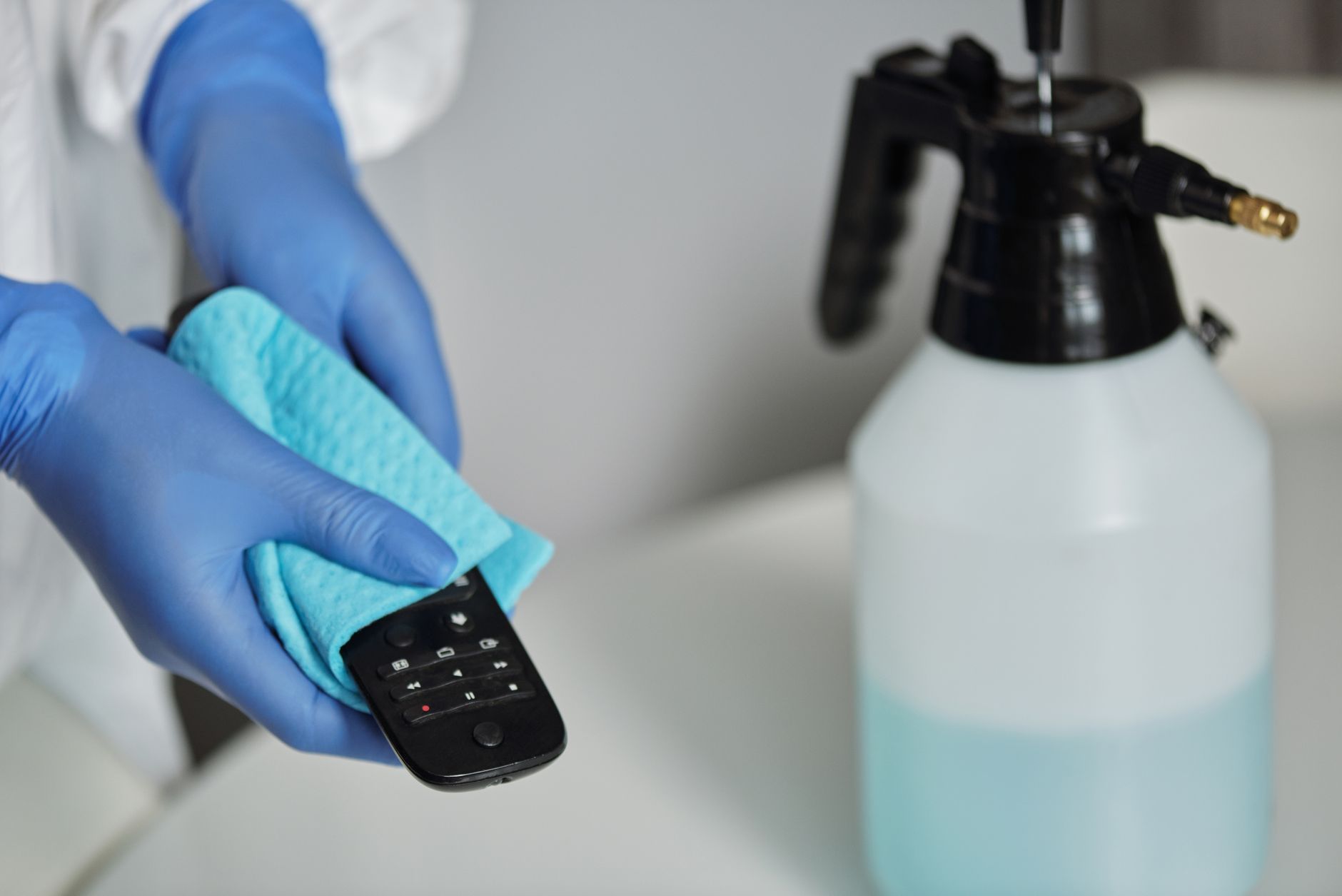
Hero image: Matilda Wormwood / Pexels
body { font-family: Georgia, serif; line-height: 1.6; color: #222; max-width: 900px; margin: 0 auto; padding: 20px; }
h1 { font-size: 2.5em; margin-bottom: 0.3em; color: #000; }
h2 { font-size: 1.8em; margin-top: 2em; margin-bottom: 0.5em; color: #000; }
h3 { font-size: 1.3em; margin-top: 1.8em; margin-bottom: 0.5em; color: #000; }
p { margin-bottom: 1.2em; }
em { font-style: italic; }
blockquote { font-style: italic; border-left: 3px solid #ccc; padding-left: 15px; margin-left: 0; color: #555; }
table { width: 100%; border-collapse: collapse; margin: 1.5em 0; }
th, td { border: 1px solid #ddd; padding: 10px; text-align: left; }
th { background-color: #f4f4f4; }
ul { margin-bottom: 1.5em; }
li { margin-bottom: 0.5em; }
.dek { font-size: 1.1em; margin-bottom: 1.5em; }
FDA Warning Letters On Disinfection Devices
In July 2026, the U.S. Food and Drug Administration issued warning letters to multiple firms marketing disinfection devices, alleging unsubstantiated claims about their ability to kill pathogens. Regulatory scrutiny centers on whether manufacturers are overstating efficacy, omitting risks, or failing to meet premarket review standards. The agency’s actions highlight longstanding concerns about how medical device marketing intersects with public health messaging.
The U.S. Food and Drug Administration (FDA) has taken regulatory action against several companies marketing disinfection devices, citing concerns that their promotional claims misrepresent safety and effectiveness. This development has drawn attention to the regulatory framework governing medical and non-medical disinfection technologies, particularly as demand for such devices has risen in response to public health concerns. The FDA’s warning letters signal a renewed focus on enforcement against misleading marketing practices in a sector where unsubstantiated claims can pose real risks to consumer trust and public health. This article synthesizes available reporting on the FDA’s actions, examines the nature of the alleged violations, and assesses the broader implications for device regulation and consumer protection.
—
Introduction To Disinfection Device Regulation
Disinfection devices—ranging from ultraviolet (UV) wands to ozone generators and antimicrobial surface treatments—are regulated by the FDA based on their intended use and risk profile. Devices marketed for medical purposes, such as sterilizing surgical instruments or disinfecting medical devices, typically fall under the FDA’s 510(k) premarket notification pathway or, in some cases, require full premarket approval (PMA). Non-medical devices intended for general surface disinfection may be regulated as Class II medical devices or, if they do not make medical claims, may fall outside FDA jurisdiction and be subject to oversight by the Environmental Protection Agency (EPA) or Consumer Product Safety Commission (CPSC).
The FDA’s authority extends to devices that make explicit or implied claims about preventing, diagnosing, or treating disease. When a company markets a device as capable of killing 99.9% of bacteria or viruses, the agency expects that claim to be supported by valid scientific evidence, typically clinical or laboratory data demonstrating efficacy against specific pathogens. Failure to provide such evidence—or making claims that exceed the scope of cleared indications—can trigger regulatory scrutiny, including warning letters, recalls, or legal action. The recent warning letters reflect the FDA’s ongoing effort to ensure that marketing claims for disinfection devices are truthful, non-misleading, and supported by adequate evidence.
—
Comparing Outlet Reports On FDA Warning Letters
Reporting on the FDA’s July 2026 warning letters to firms marketing disinfection devices has been limited to a single industry-focused outlet, Insights by Citeline, which published a detailed account of the agency’s actions. While the report does not name the specific companies cited, it describes the FDA as issuing “separate warning letters” to multiple firms for alleged violations related to device marketing claims. According to the article, the FDA’s letters focus on claims that the devices can effectively disinfect surfaces or kill pathogens without sufficient scientific backing or regulatory clearance.
The Citeline report emphasizes the regulatory mechanism behind the warning letters, noting that the FDA’s Center for Devices and Radiological Health (CDRH) is responsible for overseeing medical device marketing. It highlights that the agency’s actions are part of a broader pattern of enforcement aimed at preventing misleading health claims in the device sector. The report also underscores the distinction between devices that require premarket review and those that do not, depending on their intended use and claims. While no other independent outlets have published coverage of these specific letters as of the date of this synthesis, the Citeline report provides the most detailed public account available of the FDA’s enforcement actions and the nature of the alleged violations.
Because the Citeline report is the sole source of publicly available information on these warning letters, there is no cross-outlet comparison to be made. However, the absence of broader media coverage—particularly from general news outlets such as Reuters, Associated Press, or Bloomberg—raises questions about the level of public awareness surrounding these enforcement actions. Typically, FDA warning letters of this nature receive wider attention when they involve high-profile products or companies, or when the claims at issue have significant public health implications. The lack of additional reporting suggests either that the companies involved are not widely known, the devices are niche, or the FDA has not yet taken further public steps such as press releases or social media advisories.
—
What The Citeline Report Emphasizes
According to the Citeline report, the FDA’s warning letters target firms that have made explicit or implied claims about their disinfection devices’ ability to kill bacteria, viruses, or other pathogens. The report notes that the FDA alleges these claims are not supported by adequate evidence or regulatory clearance. Specifically, the agency appears to be scrutinizing whether the devices have undergone the appropriate premarket review process (e.g., 510(k) clearance) or whether the companies have submitted sufficient data to substantiate their marketing claims. The report also highlights that the FDA’s actions are part of a broader effort to ensure that device marketing does not mislead healthcare providers or the public about safety and efficacy.
The Citeline report does not provide specific examples of the devices or claims cited in the warning letters, nor does it name the companies involved. This lack of detail limits the public’s ability to assess the severity of the alleged violations or the potential risks posed by the devices in question. However, the report does clarify that the FDA’s warning letters are a preliminary enforcement step, typically followed by opportunities for companies to respond, corrective actions, or further regulatory action if non-compliance persists.
—
The Claim: Misleading Disinfection Device Marketing
The central claim under scrutiny in the FDA’s warning letters is that certain disinfection devices are being marketed with unsubstantiated or exaggerated claims about their ability to kill pathogens. These claims often include statements such as “kills 99.9% of germs,” “eliminates viruses on contact,” or “FDA-approved disinfection solution,” which imply a level of efficacy and regulatory endorsement that may not be supported by evidence. The FDA’s concern is that such claims can mislead consumers, healthcare providers, and institutions into believing that the devices are safe and effective for their intended uses, when in fact they may not have undergone rigorous testing or received appropriate regulatory clearance.
According to the Citeline report, the FDA’s warning letters allege that the companies in question made medical claims without meeting the agency’s standards for premarket review or scientific substantiation. For example, a device marketed as capable of disinfecting medical instruments would typically require 510(k) clearance if it is substantially equivalent to existing devices, or PMA if it represents a new type of technology. Similarly, a device marketed for general surface disinfection in homes or offices may not require FDA clearance if it does not make medical claims—but if it does make such claims (e.g., “kills flu viruses”), it could fall under FDA jurisdiction and require clearance. The Citeline report suggests that the FDA is taking a strict view of these distinctions, signaling that companies cannot skirt regulatory oversight by framing medical claims in non-medical contexts.
The alleged violations also touch on broader issues of transparency and risk communication. For instance, some disinfection devices may produce harmful byproducts (e.g., ozone from UV or chemical disinfection), or may not be effective against certain pathogens if used improperly. If companies fail to disclose these risks or overstate the devices’ benefits, they risk violating FDA regulations on misbranding and adulteration, which can lead to enforcement actions.
—
Combined Evidence On Disinfection Device Safety
While the Citeline report does not provide direct evidence of harm caused by the cited devices, it situates the FDA’s warning letters within a broader context of regulatory concern about disinfection technologies. The FDA has previously issued guidance and warning letters regarding UV disinfection devices, particularly those marketed for home or portable use. For example, the agency has cautioned that UV-C devices may not effectively disinfect all surfaces or pathogens, and that improper use can result in inadequate disinfection or exposure to harmful radiation. The FDA has also highlighted the risk of ozone generation from certain disinfection devices, which can be harmful if inhaled and is regulated by the agency as a toxic gas.
The Citeline report does not reference specific studies or clinical trials evaluating the efficacy of the cited devices, nor does it provide data on adverse events or complaints related to these products. However, the FDA’s actions suggest that the agency has reviewed the companies’ marketing materials and found them to be inconsistent with regulatory standards. This review process typically involves comparing the companies’ claims against existing scientific literature, regulatory clearances, and adverse event reports. If the FDA determines that the claims are not supported, it may issue a warning letter citing violations of the Federal Food, Drug, and Cosmetic Act (FD&C Act), specifically sections related to misbranding (21 U.S.C. § 352) and adulteration (21 U.S.C. § 351).
The lack of publicly available data on the specific devices cited in the warning letters limits the ability to assess their safety or efficacy. However, the FDA’s enforcement actions serve as a reminder that not all disinfection devices are created equal. Devices that have undergone rigorous testing and received regulatory clearance are more likely to have demonstrated safety and efficacy under controlled conditions. In contrast, devices marketed without such clearance may rely on anecdotal evidence, in-house testing, or claims that are not scientifically validated. Consumers and institutions should exercise caution when evaluating such products, particularly when they are marketed with absolute or exaggerated claims about their disinfection capabilities.
—
Regulatory Standards For Disinfection Devices
The FDA’s regulatory framework for disinfection devices is designed to ensure that products marketed for medical or health-related uses meet minimum safety and efficacy standards. For devices intended to disinfect medical instruments or environments, the FDA typically requires premarket clearance through the 510(k) pathway, which evaluates whether the device is substantially equivalent to a legally marketed device. For novel technologies or those with significant risks, the agency may require a more rigorous premarket approval (PMA) process, which involves clinical trials and extensive data submission.
For non-medical devices marketed for general surface disinfection, the FDA’s jurisdiction is less clear-cut. If a device makes no medical claims (e.g., “kills bacteria on countertops”), it may not require FDA clearance and could instead be regulated by the EPA under the Federal Insecticide, Fungicide, and Rodenticide Act (FIFRA). However, if the device makes explicit or implied medical claims (e.g., “prevents illness by killing germs”), it falls under FDA jurisdiction and must meet the agency’s standards for marketing and labeling. The Citeline report suggests that the FDA is taking a broad view of its authority in this area, signaling that companies cannot avoid regulatory scrutiny by framing medical claims in non-medical contexts.
—
Red Flags In Disinfection Device Advertising
Misleading advertising in the disinfection device sector often relies on vague, absolute, or unqualified claims that imply universal efficacy without providing context or evidence. The following red flags are commonly observed in marketing materials for such devices and are consistent with the types of claims the FDA appears to be scrutinizing in its recent warning letters:
- Absolute claims without qualification: Statements like “kills 100% of germs” or “eliminates all viruses” are rarely supported by scientific evidence, as disinfection efficacy depends on factors such as exposure time, surface type, and pathogen type. Devices that make such claims without specifying conditions or limitations are likely overstating their capabilities.
- Use of unproven or proprietary testing methods: Some companies cite in-house or third-party testing that is not peer-reviewed or conducted according to recognized standards (e.g., ASTM, EPA, or FDA protocols). Marketing materials that reference “lab-tested” or “scientifically proven” without providing details of the testing methodology should be viewed with skepticism.
- Implied FDA endorsement: Claims such as “FDA-approved” or “cleared by the FDA” can be misleading if the device has not undergone the full premarket review process. The FDA does not “approve” devices in the same way it approves drugs; instead, it clears devices for specific indications through the 510(k) or PMA pathways. Companies that use ambiguous language to imply FDA endorsement without providing the specific clearance number or indication are likely violating regulations.
- Overbroad indications for use: Devices marketed for “general disinfection” of homes, offices, or public spaces may make claims that imply effectiveness against a wide range of pathogens, including those not tested or not relevant to the device’s intended use. For example, a UV wand marketed for “disinfecting all surfaces” may not have been tested against all types of pathogens or in all environmental conditions.
- Failure to disclose risks or limitations: Disinfection devices, particularly those using UV radiation, ozone, or chemicals, can pose risks if used improperly. Companies that fail to disclose potential hazards (e.g., skin or eye damage from UV exposure, respiratory irritation from ozone) or limitations (e.g., effectiveness only on direct, unobstructed surfaces) are likely violating FDA regulations on misbranding and adulteration.
- Use of celebrity endorsements or testimonials: Marketing materials that rely on anecdotal testimonials, celebrity endorsements, or influencer promotions without scientific backing are red flags for unsubstantiated claims. The FDA has previously warned against such practices in the context of COVID-19-related devices, emphasizing that testimonials do not constitute valid evidence of efficacy.
—
Expert Response To FDA Warning Letters
The Citeline report does not include direct commentary from independent experts, regulators, or industry representatives regarding the FDA’s warning letters. However, the report situates the agency’s actions within the broader context of its enforcement priorities, which include cracking down on misleading health claims in the device sector. The FDA’s focus on disinfection devices aligns with its ongoing efforts to address the proliferation of unproven or inadequately tested technologies, particularly in the wake of public health emergencies such as the COVID-19 pandemic.
While the report does not provide expert analysis, the FDA’s enforcement actions themselves serve as a form of expert response, signaling to the industry and the public that the agency is actively monitoring marketing claims for disinfection devices. The warning letters are a preliminary step in the enforcement process, typically followed by opportunities for companies to respond, corrective actions, or further regulatory action if necessary. The FDA’s actions also reflect input from its advisory committees and external stakeholders, who have previously highlighted concerns about the lack of standardization in testing methods for disinfection devices and the potential for misleading marketing to undermine public trust.
The absence of broader expert commentary in publicly available reporting underscores the need for independent analysis and public discussion of the FDA’s actions. As the agency continues to issue warning letters and take further steps, it will be important for experts in public health, regulatory affairs, and device engineering to weigh in on the implications of these enforcement actions for device safety, innovation, and consumer protection.
—
Original Analysis: Patterns In Disinfection Device Claims
Taken together, the FDA’s warning letters and the Citeline report suggest a pattern of enforcement that targets the intersection of marketing claims and regulatory compliance in the disinfection device sector. This pattern reflects broader trends in FDA oversight, including a renewed focus on ensuring that device marketing does not mislead healthcare providers or the public about safety and efficacy. The agency’s actions also highlight the challenges of regulating a rapidly evolving sector, where new technologies and marketing strategies can outpace the development of standardized testing protocols and regulatory guidance.
One notable aspect of the FDA’s enforcement approach is its emphasis on the distinction between medical and non-medical claims. The Citeline report suggests that the agency is taking a strict view of this distinction, signaling that companies cannot avoid regulatory scrutiny by framing medical claims in non-medical contexts. This approach is consistent with the FDA’s broader efforts to close loopholes in device marketing, particularly in sectors where the line between medical and non-medical uses is blurred. For example, a device marketed for “general disinfection” of homes may still make claims that imply medical efficacy (e.g., “prevents illness”), thereby falling under FDA jurisdiction.
Another pattern emerging from the FDA’s actions is the focus on absolute or exaggerated claims, particularly those that imply universal efficacy without providing context or evidence. The red flags outlined earlier—such as “kills 100% of germs” or “FDA-approved”—are common in marketing materials for disinfection devices and are frequently cited by the FDA as examples of misleading claims. The agency’s warning letters suggest that it is increasingly scrutinizing such claims, particularly when they are not supported by valid scientific evidence or regulatory clearance.
The FDA’s enforcement actions also reflect a broader shift in the agency’s approach to device regulation, particularly in sectors where public health concerns have driven demand for new technologies. The COVID-19 pandemic, for example, led to a surge in the marketing of disinfection devices, many of which made claims that were not supported by evidence. The FDA responded with a series of warning letters and enforcement actions, signaling that it would not tolerate misleading marketing in the context of a public health emergency. The recent warning letters suggest that the agency is continuing this approach, even as the immediate threat of the pandemic has receded.
Finally, the FDA’s actions highlight the importance of transparency and risk communication in device marketing. Companies that fail to disclose potential risks or limitations of their devices—such as the production of harmful byproducts or the need for specific usage conditions—are likely to face regulatory scrutiny. The Citeline report does not provide details on the specific risks associated with the cited devices, but the FDA’s warning letters suggest that the agency is paying close attention to these issues. For consumers and institutions, this underscores the need to critically evaluate marketing claims and seek out devices that have undergone rigorous testing and received regulatory clearance.
—
Protecting Yourself From Misleading Medical Claims
Consumers and institutions can take several steps to protect themselves from misleading medical claims in the disinfection device sector. First, it is important to verify the regulatory status of a device before purchasing or using it. Devices marketed for medical purposes (e.g., disinfecting medical instruments) should have a 510(k) clearance or PMA from the FDA, which can be verified using the agency’s online databases. For non-medical devices, consumers should be cautious of claims that imply medical efficacy, as these may fall under FDA jurisdiction even if the device is not explicitly marketed as a medical device.
Second, consumers should critically evaluate marketing claims, particularly those that use absolute language (e.g., “kills 100% of germs”) or lack specific details about testing methods or conditions. Devices that rely on anecdotal testimonials or influencer endorsements without scientific backing should be viewed with skepticism. Consumers should also look for devices that provide clear instructions for use, including any limitations or risks associated with the device.
Third, institutions such as hospitals, schools, and offices should consult with infection control professionals or regulatory experts before purchasing disinfection devices. These professionals can help evaluate the device’s regulatory status, testing data, and suitability for the intended use. Institutions should also consider whether the device has been independently tested or certified by third-party organizations, such as NSF International or Underwriters Laboratories (UL).
Finally, consumers and institutions should report suspected misleading claims or adverse events to the FDA. The agency provides a reporting system for medical devices through its MedWatch program, which allows users to submit complaints or adverse event reports. By reporting concerns, consumers and institutions can help the FDA identify and address potential risks associated with disinfection devices.
—
Red Flags Checklist: How To Spot Misleading Disinfection Device Claims
- Absolute or unqualified claims: Be wary of devices that claim to “kill 100% of germs,” “eliminate all viruses,” or “disinfect any surface.” Such claims are rarely supported by scientific evidence and often lack context or limitations.
- Lack of regulatory clearance: Check whether the device has received FDA 510(k) clearance or PMA for its intended use. Devices marketed for medical purposes without such clearance may be violating FDA regulations.
- Unproven or proprietary testing: Avoid devices that cite “lab-tested” or “scientifically proven” without providing details of the testing methodology or third-party validation. Peer-reviewed studies or recognized standards (e.g., ASTM, EPA) are more reliable indicators of efficacy.
- Implied FDA endorsement: Be cautious of claims that imply FDA approval or endorsement without providing the specific clearance number or indication. The FDA does not “approve” devices in the same way it approves drugs.
- Overbroad indications for use: Devices marketed for “general disinfection” should not make claims that imply effectiveness against a wide range of pathogens without evidence. Look for devices that specify the types of pathogens and surfaces they are tested on.
- Failure to disclose risks: Devices that use UV radiation, ozone, or chemicals should disclose potential hazards (e.g., skin or eye damage, respiratory irritation) and provide instructions for safe use. Lack of risk communication is a red flag for regulatory violations.
- Reliance on testimonials or endorsements: Marketing materials that rely on anecdotal testimonials, celebrity endorsements, or influencer promotions without scientific backing are not reliable indicators of efficacy.
- No independent certification: Look for devices that have been independently tested or certified by third-party organizations, such as NSF International or UL. Such certifications provide an additional layer of assurance regarding safety and efficacy.
—
Original Analysis: The Role Of Public Health Context In Device Regulation
The FDA’s recent warning letters on disinfection devices occur against a backdrop of heightened public awareness of hygiene and infection control, a trend accelerated by the COVID-19 pandemic. During the pandemic, demand for disinfection technologies surged, and many companies entered the market with products that made bold claims about their ability to kill viruses and bacteria. While some of these products were legitimate and effective, others relied on marketing tactics that overstated their capabilities or omitted critical safety information.
The FDA responded to this surge in demand with a series of enforcement actions, including warning letters, recalls, and import alerts, aimed at curbing misleading claims. The agency’s actions were not only regulatory but also educational, as it issued guidance documents and public statements clarifying the standards for marketing disinfection devices. The recent warning letters suggest that the FDA is continuing this approach, even as the immediate threat of the pandemic has receded. This reflects a broader trend in device regulation, where the agency is increasingly focused on ensuring that marketing claims are truthful, non-misleading, and supported by adequate evidence.
The public health context also highlights the importance of transparency and risk communication in device marketing. Consumers and institutions rely on accurate information to make informed decisions about hygiene and infection control. When companies make misleading claims, they not only risk regulatory action but also undermine public trust in legitimate disinfection technologies. The FDA’s enforcement actions serve as a reminder that the agency is committed to protecting public health by ensuring that device marketing is grounded in science and regulatory compliance.
—
FAQ: Understanding FDA Warning Letters On Disinfection Devices
What is a warning letter from the FDA?
A warning letter is an official communication from the FDA to a company or individual, notifying them of violations of the Federal Food, Drug, and Cosmetic Act (FD&C Act) or related regulations. Warning letters are typically issued after the FDA has identified violations through inspections, reviews of marketing materials, or adverse event reports. The letter outlines the violations and requests corrective actions, such as ceasing misleading claims, submitting additional data, or recalling products. Warning letters are a preliminary enforcement step and do not constitute a final agency determination of wrongdoing.
Why did the FDA issue warning letters for disinfection devices?
According to the Citeline report, the FDA issued warning letters to firms marketing disinfection devices for allegedly making unsubstantiated or exaggerated claims about their ability to kill pathogens. The agency alleges that these claims were not supported by adequate scientific evidence or regulatory clearance, and that the companies violated the FD&C Act by misbranding or adulterating their devices. The warning letters reflect the FDA’s ongoing effort to ensure that device marketing is truthful, non-misleading, and supported by valid evidence.
Do all disinfection devices require FDA clearance?
Not all disinfection devices require FDA clearance. The FDA’s jurisdiction depends on the device’s intended use and the claims made in its marketing. Devices marketed for medical purposes (e.g., disinfecting medical instruments) typically require FDA clearance through the 510(k) or PMA pathways. Non-medical devices marketed for general surface disinfection may not require FDA clearance if they do not make medical claims. However, if a non-medical device makes explicit or implied medical claims (e.g., “kills flu viruses”), it may fall under FDA jurisdiction and require clearance. The Citeline report suggests that the FDA is taking a broad view of its authority in this area.
How can I verify if a disinfection device is FDA-cleared?
Consumers and institutions can verify the regulatory status of a disinfection device by checking the FDA’s online databases, such as the 510(k) Premarket Notification database or the PMA database. These databases allow users to search for devices by name, manufacturer, or product code. Additionally, the FDA’s Device Advice website provides guidance on how to interpret device clearances and understand the regulatory pathway for specific types of devices. For non-medical devices, consumers should be cautious of claims that imply medical efficacy, as these may fall under FDA jurisdiction even if the device is not explicitly marketed as a medical device.
What should I do if I encounter a disinfection device with misleading claims?
If you encounter a disinfection device with misleading claims, you can report it to the FDA through its MedWatch program. The MedWatch program allows users to submit complaints or adverse event reports related to medical devices. Reports can be submitted online, by mail, or by phone. By reporting concerns, you can help the FDA identify and address potential risks associated with disinfection devices. Additionally, consumers and institutions should consult with infection control professionals or regulatory experts before purchasing or using such devices to ensure they meet safety and efficacy standards.
—