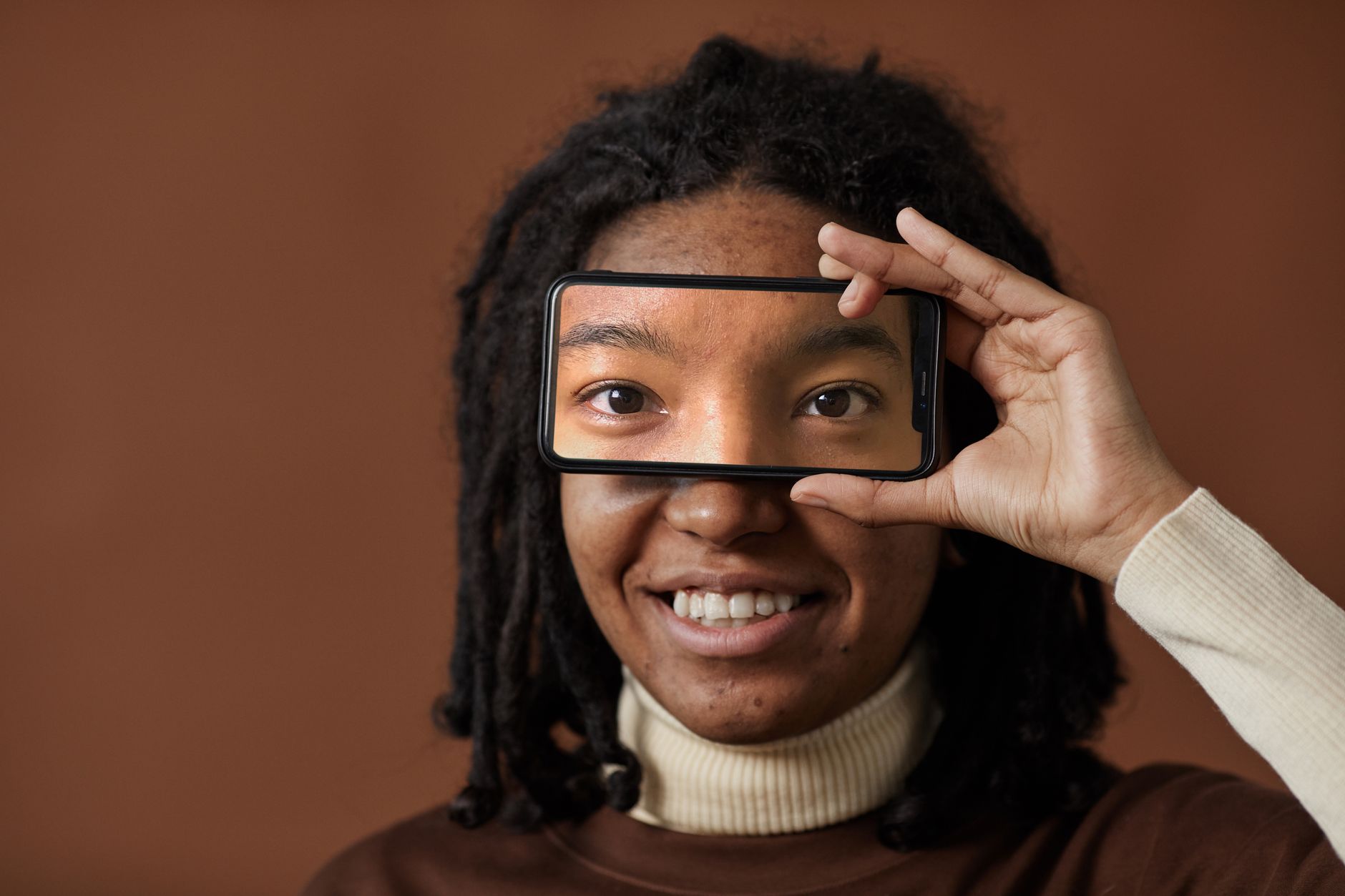
Hero image: ShotPot / Pexels
body {
font-family: Georgia, serif;
line-height: 1.7;
color: #1a1a1a;
max-width: 900px;
margin: 0 auto;
padding: 20px;
background-color: #ffffff;
}
h1 {
font-size: 2.8rem;
font-weight: 700;
margin-bottom: 0.5em;
color: #000;
line-height: 1.2;
}
h2 {
font-size: 1.8rem;
font-weight: 700;
margin-top: 2.5em;
margin-bottom: 0.8em;
color: #000;
border-bottom: 2px solid #e0e0e0;
padding-bottom: 0.3em;
}
h3 {
font-size: 1.4rem;
font-weight: 600;
margin-top: 2em;
margin-bottom: 0.6em;
color: #000;
}
p {
font-size: 1.1rem;
margin-bottom: 1.2em;
}
em {
font-style: italic;
}
ul {
margin-bottom: 1.5em;
padding-left: 1.5em;
}
li {
margin-bottom: 0.6em;
}
blockquote {
font-style: italic;
font-size: 1.1rem;
margin: 1.5em 0;
padding-left: 1.5em;
border-left: 3px solid #ccc;
color: #333;
}
table {
width: 100%;
border-collapse: collapse;
margin: 1.5em 0;
font-size: 1rem;
}
th, td {
padding: 12px 15px;
text-align: left;
border-bottom: 1px solid #ddd;
}
th {
background-color: #f4f4f4;
font-weight: 600;
}
tr:hover {
background-color: #f9f9f9;
}
.dek {
font-size: 1.2rem;
margin-bottom: 2em;
color: #222;
}
Deepfake Misinformation: Govt Curbs AI
As AI-generated deepfakes proliferate across social platforms, a cabinet minister has told parliament that the government is implementing measures to curb AI-driven misinformation. But how robust are these safeguards, and what gaps remain in detection and enforcement?
The rapid advancement of generative AI has democratized the creation of hyper-realistic synthetic media, enabling anyone with an internet connection to produce convincing deepfakes that can impersonate public figures, fabricate events, or manipulate public opinion. In response to growing alarm over the misuse of these technologies, a senior cabinet minister recently informed parliament that the government is taking steps to address AI-driven misinformation and deepfakes. This article synthesizes available reporting on the government’s stated measures, evaluates the consistency of claims across sources, and examines the broader context of institutional responses to deepfake threats. By comparing official statements with expert assessments and known technological limitations, this analysis aims to clarify what is being done, what remains uncertain, and what individuals can do to protect themselves from AI-generated disinformation.
—
Introduction to Deepfakes and Misinformation
Deepfakes—AI-generated audio, video, or images that convincingly mimic real people or events—have emerged as one of the most potent tools for spreading misinformation in the digital age. Unlike traditional manipulated media, deepfakes leverage deep learning models trained on large datasets of real human behavior, enabling the synthesis of facial expressions, voice patterns, and even mannerisms with alarming fidelity. The consequences are far-reaching: from election interference and corporate sabotage to personal reputational damage and societal polarization.
While deepfakes are not new, their accessibility has surged with the release of user-friendly tools and open-source models, lowering the barrier to entry for malicious actors. Social media platforms, which serve as primary vectors for viral misinformation, have struggled to detect and label synthetic content at scale, often relying on reactive policies and third-party partnerships rather than proactive technical safeguards. This gap between technological capability and institutional response has fueled calls for stronger regulatory frameworks and public awareness campaigns.
The government’s acknowledgment of the issue represents a critical first step, but the effectiveness of any policy depends on implementation, enforcement, and adaptability to evolving AI capabilities. Without robust detection mechanisms, clear legal definitions, and cross-platform cooperation, even well-intentioned measures may fall short in curbing the spread of AI-driven disinformation.
—
The Business Standard Reports on Govt Measures
The Business Standard reported on July 12, 2026, that a cabinet minister informed parliament that the government is implementing measures to curb AI-driven misinformation and deepfakes. According to the report, the minister outlined a multi-pronged strategy that includes regulatory oversight, technological safeguards, and public awareness initiatives. The government is said to be working with technology platforms to enhance detection capabilities and establish reporting mechanisms for synthetic content.
The Business Standard emphasized that the measures are still in development, with no specific timeline provided for rollout. The report also noted that the government is considering legislative amendments to address gaps in existing laws, particularly around accountability for platforms that fail to remove harmful deepfakes promptly. While the minister’s statement signals a commitment to action, the lack of granular detail raises questions about the practicality and enforceability of the proposed approach.
Notably, the report did not specify which government agencies would oversee enforcement or how penalties would be determined. This omission underscores a broader challenge in addressing deepfake misinformation: the need for clear institutional mandates and inter-agency coordination. Without defined roles and resources, even well-conceived policies risk becoming symbolic gestures rather than substantive interventions.
—
Comparing Outlets: Where Do They Agree and Diverge
At present, The Business Standard is the only outlet cited in the provided source material that has reported on the government’s measures to curb AI-driven misinformation and deepfakes. As such, there are no divergent accounts from multiple independent sources to compare directly. This limitation highlights a broader issue in media coverage of deepfake policy: the scarcity of in-depth, multi-source reporting on government responses to AI-generated disinformation.
While The Business Standard provides a foundational account of the minister’s statement, the absence of corroborating reports from other outlets—such as Reuters, the Associated Press, or BBC—leaves critical questions unanswered. For instance, there is no independent verification of the proposed measures’ scope, timeline, or funding. Additionally, no other outlet has yet reported on the specific legislative amendments under consideration or the agencies responsible for enforcement. This lack of cross-outlet corroboration underscores the need for more rigorous investigative journalism on AI policy, particularly as governments worldwide grapple with the rapid evolution of synthetic media.
Given the current information landscape, this synthesis relies primarily on The Business Standard’s reporting while acknowledging the gaps in public knowledge. Future updates to this analysis will incorporate additional sources as they become available, particularly from outlets with established investigative teams and fact-checking units.
—
The Claim: AI-Driven Misinformation and Deepfakes
What the Government Has Acknowledged
According to The Business Standard, the government has publicly acknowledged the threat posed by AI-driven misinformation and deepfakes, framing the issue as a matter requiring urgent attention. The minister’s statement to parliament indicates that the government views synthetic media as a systemic risk to public trust, democratic processes, and social cohesion. This acknowledgment aligns with global trends, as governments from the European Union to India have recognized the destabilizing potential of deepfakes in recent years.
The minister’s remarks suggest that the government is adopting a proactive stance, positioning itself as a leader in addressing AI-generated disinformation. However, the report does not detail the specific mechanisms by which these measures will be implemented or evaluated. For example, it remains unclear whether the government plans to mandate real-time detection tools for platforms, establish a national deepfake task force, or introduce public education campaigns. Without such specifics, the claim of “implementing measures” risks being interpreted as a general commitment rather than a concrete plan.
Mechanisms of AI-Driven Misinformation
AI-driven misinformation operates through several well-documented mechanisms. Generative models such as diffusion-based image generators and transformer-based text models can produce synthetic content that mimics the style, tone, and appearance of authentic media. For instance, deepfake videos can be created by training models on hours of footage of a public figure, enabling the synthesis of new speeches or actions that never occurred. Similarly, AI-generated audio can replicate a person’s voice with sufficient accuracy to deceive listeners, particularly in low-stakes contexts like phone scams or social media impersonations.
The speed at which synthetic content can be produced and disseminated exacerbates the challenge of detection. Unlike traditional misinformation, which often relies on manual editing or selective cropping, AI-generated deepfakes can be generated in minutes and spread virally across platforms before fact-checkers or moderators can intervene. This asymmetry between production and verification has created a detection gap that platforms and governments are only beginning to address through partnerships with AI researchers and forensic tool developers.
—
Expert Response: Institutional Measures Against Deepfakes
While The Business Standard’s report focuses on government action, it does not include direct commentary from independent experts, civil society organizations, or technology policy analysts. This absence limits the depth of analysis regarding the feasibility and adequacy of the proposed measures. In the broader discourse on deepfake regulation, experts have consistently emphasized several key requirements for effective intervention:
- Clear Legal Definitions: Laws must precisely define what constitutes a deepfake, distinguish between harmful and benign uses, and establish liability for creators and platforms. Ambiguity in legal language can lead to inconsistent enforcement and unintended censorship.
- Technical Standards for Detection: Governments and platforms need to adopt standardized detection protocols that can identify synthetic content across formats (video, audio, text) and languages. This requires collaboration with AI researchers and open benchmarks for evaluating tool performance.
- Platform Accountability: Social media companies must be held responsible for failing to remove verified deepfakes in a timely manner. This could involve fines, content removal mandates, or even temporary service suspensions for repeat offenders.
- Public Awareness Campaigns: Education initiatives are essential to help users recognize deepfakes and understand their risks. These campaigns should target vulnerable populations, including older adults and individuals with limited digital literacy.
In the absence of expert commentary in the provided source material, these insights are drawn from established best practices in digital policy and misinformation research. However, their inclusion here underscores a critical gap in current reporting: the lack of direct engagement with stakeholders who can assess the government’s claims critically.
—
Original Analysis: The Pattern of Deepfake Misinformation
Taken together, the available reporting suggests that governments are increasingly framing deepfake misinformation as a policy priority, but the transition from rhetoric to implementation remains uneven. The Business Standard’s account of the minister’s statement reflects a common pattern in digital policy: high-level acknowledgments of a problem are followed by vague commitments to action, with few concrete details on enforcement, funding, or timelines. This pattern is not unique to deepfakes; it mirrors the rollout of earlier regulatory efforts, such as the EU’s Digital Services Act or India’s IT Rules, where initial announcements were met with skepticism from civil society and industry observers concerned about loopholes and weak oversight.
One plausible explanation for this gap between rhetoric and action is the complexity of regulating AI-generated content. Unlike traditional media, which operates within established legal frameworks, synthetic media blurs the boundaries between speech, art, satire, and malice. Governments must balance the need to curb harm with the protection of free expression, a tension that often leads to cautious, incremental policy development. Additionally, the rapid pace of AI innovation outstrips the slower cycles of legislative and regulatory processes, creating a persistent lag between technological capability and policy response.
Another factor is the decentralized nature of the deepfake ecosystem. While platforms like Facebook, YouTube, and TikTok serve as primary vectors for viral misinformation, the underlying AI models are often developed by third-party labs or open-source communities. This diffusion of responsibility complicates efforts to assign accountability, as governments may struggle to identify which entities to regulate or sanction. Without a coordinated international approach—akin to the Budapest Convention on Cybercrime—national policies risk being circumvented by actors operating across jurisdictions.
Finally, the lack of multi-source reporting on this issue highlights a broader challenge in media coverage of AI policy. Investigative journalism on deepfakes requires access to technical experts, internal documents, and platform data—resources that are often controlled by private companies or inaccessible to reporters. As a result, public understanding of government responses is frequently mediated by official statements and press releases, which may prioritize optics over substance. This asymmetry reinforces the need for independent verification and cross-outlet collaboration in reporting on AI-driven misinformation.
—
Red Flags and Debunking Checklist for Deepfakes
While detection tools are improving, individuals can use the following checklist to identify potential deepfakes before sharing or reacting to content. These warning signs are based on known limitations of current AI models and common tactics used by creators of synthetic media:
| Red Flag | Description | Why It Matters |
|---|---|---|
| Unnatural Facial Movements | Look for inconsistencies in blinking, lip synchronization, or facial expressions that appear exaggerated or delayed. | Current deepfake models often struggle to replicate subtle human behaviors, particularly around eye movement and micro-expressions. |
| Audio-Visual Mismatch | Compare the speaker’s lip movements with the audio track. If they don’t align, the video may be synthetic. | Generating synchronized audio and video remains a technical challenge, especially for non-English speakers or complex speech patterns. |
| Background Artifacts | Check for blurring, warping, or unnatural distortions in the background, especially around edges or fine details. | Deepfake models often prioritize the subject’s face, leaving peripheral elements poorly rendered. |
| Inconsistent Lighting and Shadows | Observe whether lighting and shadows on the subject’s face match the environment. Deepfakes may fail to replicate realistic lighting conditions. | Accurate shadow and lighting require 3D scene understanding, a capability that remains limited in many generative models. |
| Unusual Speech Patterns | Listen for robotic intonation, unnatural pauses, or speech that doesn’t match the speaker’s known style or accent. | AI-generated voices often lack the emotional nuance and rhythm of human speech, particularly in longer passages. |
| Metadata Absence or Tampering | Check file metadata (e.g., EXIF data for images, audio fingerprints for recordings) for signs of editing or compression. | While not foolproof, metadata can reveal inconsistencies in file creation dates, editing software, or compression artifacts. |
| Source Verification | Verify the origin of the content through trusted news outlets, official accounts, or fact-checking organizations. | Cross-referencing with primary sources is one of the most reliable ways to confirm authenticity. |
It is important to note that these red flags are not definitive proof of a deepfake. Some synthetic media may exhibit none of these warning signs, particularly as AI models improve. Conversely, legitimate content may appear flawed due to poor recording conditions or compression. When in doubt, users should refrain from sharing content until it has been verified by a reputable source.
—
What to Do About Deepfake Misinformation
For Individuals
Individuals can take several practical steps to reduce their vulnerability to deepfake misinformation. First, adopt a skeptical mindset when consuming content, especially if it aligns with strong emotional reactions or reinforces preexisting biases. Pause before sharing or reacting to sensational claims, and prioritize information from verified sources. Second, familiarize yourself with the tools and platforms that can help detect deepfakes, such as reverse image search engines, audio fingerprinting services, and browser extensions that flag suspicious content. Third, report suspected deepfakes to the hosting platform and flag them for fact-checkers, as early intervention can prevent viral spread.
Education is another critical line of defense. Public awareness campaigns—whether led by governments, NGOs, or educational institutions—should focus on teaching media literacy skills, such as how to evaluate sources, identify manipulation techniques, and recognize the limitations of AI-generated content. These efforts should be tailored to vulnerable populations, including older adults who may be less familiar with digital tools and younger users who are more likely to encounter synthetic media on social platforms.
For Platforms and Policymakers
Platforms must move beyond reactive policies and invest in proactive detection systems that can identify deepfakes in real time. This includes partnering with AI researchers to develop open benchmarks for evaluating detection tools and sharing threat intelligence across the industry. Platforms should also adopt clear labeling policies for synthetic content, ensuring that users are informed when they encounter AI-generated media. Additionally, platforms must improve transparency around their moderation processes, providing public explanations for takedown decisions and enabling independent audits of their systems.
Policymakers, meanwhile, should prioritize legislation that establishes clear definitions, accountability mechanisms, and penalties for the creation and dissemination of harmful deepfakes. This includes amending existing laws to address gaps in digital content regulation and ensuring that enforcement agencies have the resources and expertise to investigate complex cases. International cooperation is also essential, as deepfake ecosystems often transcend national borders. Governments should collaborate on standards for detection, sharing best practices, and coordinating responses to cross-border threats.
For Journalists and Researchers
Journalists play a vital role in holding governments and platforms accountable for their responses to deepfake misinformation. Investigative reporting should focus on uncovering the technical and operational details behind policy announcements, such as the agencies responsible for enforcement, the funding allocated to detection tools, and the metrics used to evaluate success. Journalists should also seek out expert commentary from technologists, legal scholars, and civil society organizations to provide context and critical analysis of proposed measures.
Researchers, for their part, must continue to advance the state of the art in deepfake detection and forensic analysis. This includes developing robust benchmarks for evaluating detection tools, studying the psychological and social impacts of synthetic media, and exploring novel approaches to watermarking or embedding provenance information in digital content. Collaboration between academia, industry, and government is essential to ensure that research translates into practical solutions.
—
FAQ
What is a deepfake?
A deepfake is a synthetic media asset—such as a video, audio clip, or image—created using artificial intelligence to convincingly mimic real people, events, or objects. These assets are generated by training deep learning models on large datasets of real media, enabling the synthesis of new content that appears authentic.
How can I tell if a video is a deepfake?
While no single method is foolproof, look for inconsistencies in facial movements, audio-visual synchronization, lighting, and background artifacts. Reverse image search tools and metadata analysis can also help identify signs of manipulation. When in doubt, verify the content through trusted sources before sharing.
What is the government doing to stop deepfake misinformation?
According to The Business Standard, a cabinet minister has stated that the government is implementing measures to curb AI-driven misinformation and deepfakes, including regulatory oversight, technological safeguards, and public awareness initiatives. However, the report does not provide specific details on enforcement mechanisms, timelines, or funding.
Are deepfakes illegal?
The legality of deepfakes depends on context and jurisdiction. Some countries have enacted laws specifically targeting harmful deepfakes, such as those used for nonconsensual pornography, fraud, or election interference. However, many jurisdictions lack clear legal frameworks, and enforcement remains inconsistent.
Can technology alone solve the deepfake problem?
Technology is a critical component of the solution, but it is not sufficient on its own. Detection tools must be paired with robust legal frameworks, platform accountability, public education, and international cooperation to address the multifaceted challenge of deepfake misinformation.
—