

Reading time: ~14 min
Evidence-Based
Pillar Post
Health misinformation is killing people. Not metaphorically — literally. From parents delaying childhood vaccines after reading social-media posts, to cancer patients abandoning chemotherapy for “miracle supplements,” false medical claims carry a body count. This guide exposes the most dangerous myths, explains how medical propaganda spreads, and arms you with the tools to verify every health claim you encounter.
Social posts about COVID contained misinformation (WHO estimate)
Lost annually to healthcare fraud in the US alone (FBI)
Faster: false news spreads 6× more quickly than accurate reporting online
What Is Health Misinformation?
According to the World Health Organization and peer-reviewed public-health literature, “health misinformation” is not a single phenomenon — it operates across a spectrum of intent and harm. Understanding the distinctions is the first step to fighting it.
False or misleading information shared without deliberate intent to deceive. Often driven by ignorance, confirmation bias, or misunderstanding of scientific literature.
Deliberately false information spread intentionally to deceive, manipulate public opinion, or serve commercial or political agendas. A calculated act of propaganda.
Genuine, factual information weaponised through selective context, mistimed release, or deliberate misrepresentation to cause harm or manufacture doubt.
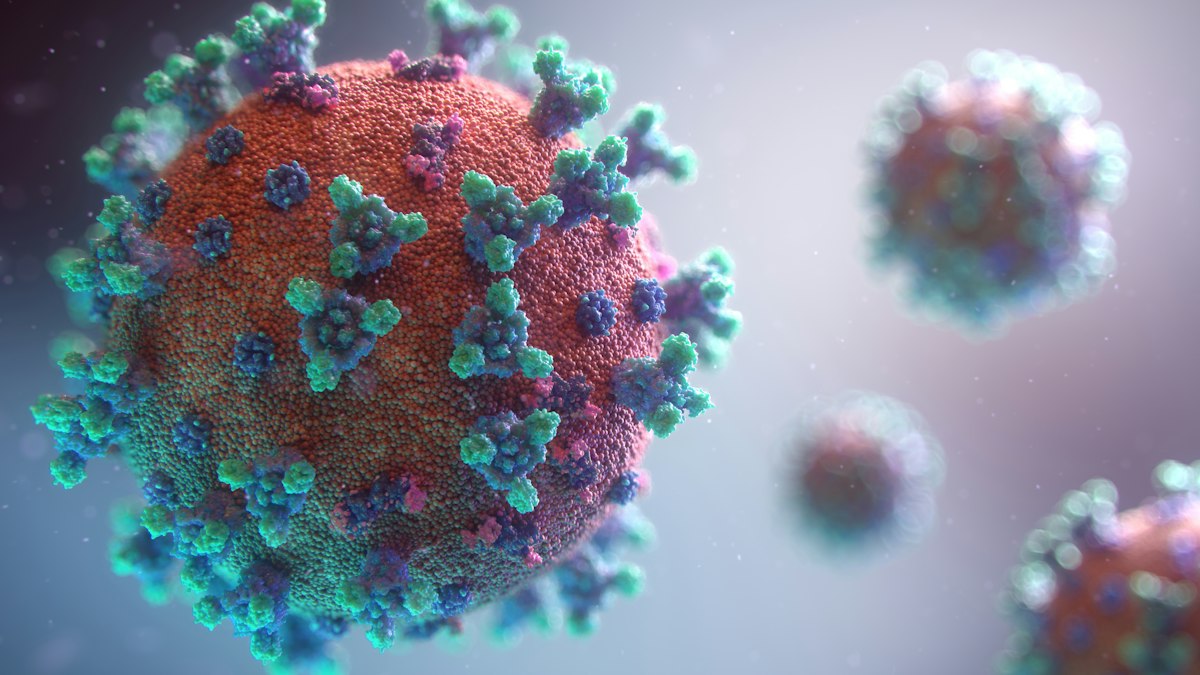
Evidence-based medicine relies on peer-reviewed data — not social media virality or anecdotal accounts shared by influencers.
A systematic review published in the Journal of Medical Internet Research found that health misinformation affects public understanding of vaccines, infectious diseases, chronic illness treatments, nutrition, and preventive medicine — spanning virtually every domain of healthcare. The problem is not new, but the scale is unprecedented.
“We are not just fighting an epidemic; we are fighting an infodemic — an overabundance of information, some accurate, some not, that makes it hard for people to find trustworthy sources and reliable guidance.”
— Dr. Tedros Adhanom Ghebreyesus, Director-General, World Health Organization, 2020
Why Health Misinformation Matters
Research published through the National Institutes of Health documents a direct causal chain: exposure to health misinformation measurably alters health decisions and worsens outcomes at a population level. The consequences are not abstract — they appear in emergency rooms, vaccination rates, and mortality statistics.
Direct Harms to Individuals
- Delayed diagnosis and treatment of serious illness
- Increased vaccine hesitancy and preventable outbreaks
- Dangerous interactions from unregulated “supplements”
- Financial exploitation of vulnerable patients
- Abandonment of evidence-based cancer therapy
- Self-medication with harmful unverified substances
Systemic Harms to Society
- Erosion of trust in medical institutions and science
- Distorted public policy during health crises
- Overloaded healthcare systems treating preventable cases
- Underfunding of legitimate public health programmes
- Growth of alternative “natural” healthcare economies
- Long-term damage to scientific literacy in society
Common Types of Medical Myths
Vaccine Myths
Despite extensive scientific consensus, vaccine misinformation remains one of the most persistent and dangerous categories of health propaganda. The Centers for Disease Control and Prevention, WHO, and every major medical organisation have reviewed thousands of studies finding no credible evidence for any of the following claims. Vaccine safety systems continuously monitor adverse events worldwide through multiple independent surveillance networks.
Persistent Vaccine Myths — All Thoroughly Debunked
- Vaccines cause autism
- Vaccines contain dangerous toxins
- mRNA vaccines alter your DNA
- Vaccines cause infertility
- Vaccines permanently weaken the immune system
- Natural immunity is always superior to vaccination

Vaccine development involves multi-phase clinical trials, independent safety board review, and continuous post-market surveillance — a process lasting many years before public use.
Miracle Cures and Fake Treatments
The U.S. Food and Drug Administration regularly issues consumer warnings about fraudulent health products. These products prey on desperation — targeting cancer patients, people with chronic conditions, and elderly consumers most heavily. Comparing how legitimate medicine works versus how health fraud operates exposes the pattern:
| Dimension | ❌ Health Fraud / Fake Cures | ✅ Legitimate Medicine |
|---|---|---|
| Evidence Base | Anecdotes, testimonials | Randomised controlled trials |
| Claims Made | “Guaranteed cure,” “100% safe” | Quantified efficacy with risk data |
| Regulatory Status | Unapproved, unregulated | FDA/EMA reviewed and approved |
| Conflict of Interest | Seller also promotes and profits | Disclosed and independently reviewed |
| Peer Review | None or in predatory journals | Published in indexed, peer-reviewed journals |
| Side Effects | Hidden or denied | Documented and communicated |
False Diagnostic Tests
Unverified screening tools and “alternative” diagnostic methods circulate widely online, promising to detect conditions that clinically validated tests miss — often for substantial fees. These tools may produce false-positive results generating needless anxiety, or dangerous false-negative results causing delays in genuine diagnosis of treatable conditions. Health authorities consistently recommend using only clinically validated diagnostic procedures approved by regulators and supported by peer-reviewed evidence.
Healthcare Fraud and Conspiracy Claims
Fraudulent healthcare operations exploit fear during epidemics and chronic illness. The FDA and Federal Trade Commission documented thousands of fraudulent COVID-19 products. These operations share recognisable manipulation tactics:
Healthcare Fraud Warning Signs
- Fabricated patient testimonials
- Forged medical endorsements
- Cherry-picked or manipulated research
- Celebrity health endorsements
- Conspiracy narratives against established medicine
- “Suppressed cures” hidden by governments or corporations
How Health Misinformation Spreads

Social media algorithms optimise for engagement, not accuracy — emotionally charged health misinformation routinely outperforms factual reporting in reach and virality.
False Claim Created
Often by commercial actors selling products, political operatives, or anonymous accounts seeking attention and engagement
Emotionally Framed
Wrapped in fear, outrage, or false hope — these emotional hooks trigger faster sharing than neutral, factual content
Amplified by Algorithms
Platforms optimise for engagement; sensational health claims generate more clicks, comments, and shares than accurate reporting
Laundered into Legitimacy
Repeated across networks until perceived as credible through sheer volume, familiarity, and influencer endorsement
Cherry-Picked Research: Science Used as a Weapon
A particularly insidious form of medical misinformation uses real scientific papers — but selectively. Misleading health articles routinely quote single studies that support a predetermined conclusion while ignoring the broader body of evidence. Evaluating a medical claim requires understanding the full evidence hierarchy:
Weak Evidence (Often Misused)
- Single small-sample studies
- In vitro (lab dish) experiments
- Animal studies not replicated in humans
- Observational studies without controls
- Preprints not yet peer-reviewed
Strong Evidence (What Counts)
- Randomised controlled trials (RCTs)
- Independent replication across populations
- Systematic reviews of multiple studies
- Meta-analyses with large combined samples
- Scientific consensus across research bodies
Commercial and Political Incentives
Public-health researchers document that financially motivated misinformation is among the fastest-growing segments. Advertising revenue, supplement sales, political mobilisation, and audience engagement algorithms all reward sensational health claims over accurate ones. When a website promoting a treatment also sells it — and does not disclose that conflict — extreme scepticism is warranted.
Red Flags of Fake Health Claims
Reliable medical guidance explains both benefits and risks and rarely makes absolute guarantees. These patterns consistently mark health propaganda and fraud — learning to recognise them takes seconds and can protect you from serious harm.
Language Red Flags
- “Secret cure doctors hide from you”
- “Guaranteed results in 30 days”
- “100% safe with zero side effects”
- “Instant healing” or “overnight cure”
- “Ancient remedy suppressed by science”
- “What Big Pharma doesn’t want you to know”
Source Red Flags
- No listed author or anonymous website
- Missing or fabricated citations
- No peer-reviewed references linked
- No editorial transparency or review process
- Site sells the treatment it recommends
- Testimonials replacing clinical evidence
“One small or preliminary study rarely proves a major medical claim. Strong medical recommendations require multiple independent studies, clinical trials, meta-analyses, and systematic reviews — conducted across diverse populations and scrutinised by independent scientists.”
— Principles of Evidence-Based Medicine
Where to Find Credible Health Information
Trustworthy medical content links to scientific studies, professional organisations, and expert-reviewed guidelines. These authorities regularly update guidance using rigorous evidence review processes — and they do not sell the treatments they recommend.
International
World Health Organization
who.int
United States
Centers for Disease Control
cdc.gov
United States
Food & Drug Administration
fda.gov
United Kingdom
National Health Service
nhs.uk
Research Database
PubMed Central (NIH)
ncbi.nlm.nih.gov/pmc
Peer-Reviewed Journal
J. Medical Internet Research
jmir.org
Medical Journal
The Lancet
thelancet.com
Medical Journal
New England J. of Medicine
nejm.org
Practical Fact-Checking Checklist
Before trusting or sharing any health claim, run it through this eight-step checklist. Each step takes seconds and can prevent real harm to yourself and others.
-
1
Check the source — Is it from a recognised medical or scientific organisation? Anonymous websites with no institutional affiliation are a major red flag.
-
2
Verify the author — Are medical credentials, institution affiliations, or relevant expertise clearly listed and verifiable? Anonymity is a warning sign.
-
3
Read beyond the headline — Sensational titles routinely misrepresent or contradict the evidence presented in the article body. Always read the full piece.
-
4
Inspect citations — Does the article link directly to peer-reviewed studies? Can you access and read the actual study? Does the study say what the article claims?
-
5
Cross-check trusted agencies — Compare claims against WHO, CDC, FDA, or major national health services. If they have not addressed the claim, be very cautious.
-
6
Look for scientific consensus — A single study is not consensus. Meta-analyses and systematic reviews across multiple independent research teams carry far more weight.
-
7
Check conflicts of interest — Is the person promoting this treatment also profiting from it? Are those financial relationships clearly disclosed? If not, why not?
-
8
Watch for emotional manipulation — Fear, outrage, and false hope are the primary tools of medical propaganda. Urgency and alarm are designed to bypass critical thinking.
Key Medical Myths — Debunked with Evidence
“Vaccines Cause Autism”
Large-scale studies and systematic reviews across multiple countries, involving millions of children, have found no causal relationship between vaccines and autism spectrum disorder. The original 1998 paper promoting this claim — authored by Andrew Wakefield — was retracted by The Lancet following investigation that identified ethical violations, undisclosed financial conflicts of interest, and methodological fraud. Wakefield subsequently lost his medical licence. No credible replicated study has supported the autism-vaccine hypothesis in the 25+ years since. Sources: CDC, WHO, The Lancet.
“Supplements Alone Can Prevent or Cure Cancer”
While adequate nutrition contributes to overall health and immune function, no dietary supplement has been conclusively demonstrated to prevent or cure cancer through independent clinical trials. Some supplement trials — including high-dose beta-carotene in smokers — have been halted early because participants showed worse cancer outcomes than controls. Cancer treatment recommendations require extensive Phase I–III human trials, independent safety monitoring, and systematic review across diverse populations. The FDA does not permit supplement manufacturers to make disease-cure claims without this evidence. Source: FDA, NIH PubMed Central.
“mRNA Vaccines Permanently Alter Your DNA”
mRNA (messenger RNA) is a temporary molecule that provides instructions for cells to produce a protein — specifically the SARS-CoV-2 spike protein in COVID-19 vaccines. mRNA never enters the cell nucleus where DNA is stored, cannot integrate into DNA, and is degraded by the body’s own enzymes within days of injection. The fundamental flow of genetic information — from DNA to RNA to protein — cannot be reversed by mRNA; that would require reverse transcriptase enzymes not present in typical human cells. This claim demonstrates a fundamental misunderstanding of molecular biology. Sources: CDC, NIH PubMed Central.
“Drinking Bleach / MMS Cures Disease”
Miracle Mineral Solution (MMS) and similar products contain chlorine dioxide — an industrial bleach compound. The FDA has issued emergency warnings stating these products cause severe vomiting, diarrhoea, dangerous drops in blood pressure, and acute respiratory failure requiring hospitalisation. There is no credible scientific evidence these substances treat any disease in any form or concentration. Multiple sellers have been prosecuted under consumer protection and fraud statutes. This is healthcare fraud that poses immediate, documented physical danger. Source: FDA Consumer Warning.
“Ivermectin Cures COVID-19”
Ivermectin is an approved antiparasitic drug. During COVID-19, widespread social-media claims promoted it as a cure despite lack of clinical evidence. Subsequent large randomised controlled trials — including the WHO-sponsored TOGETHER trial and the Oxford PRINCIPLE trial — found no significant clinical benefit in COVID-19 treatment at the doses studied. Some early positive studies were later retracted due to data fabrication. Health agencies including the FDA, WHO, and EMA consistently advised against ivermectin for COVID-19 outside of clinical trials. Sources: WHO, FDA.
Historical Case Studies: When Misinformation Had Consequences
Health misinformation is not a new phenomenon. History provides documented examples of the real-world harm false medical claims cause — and the often decades-long effort required to correct them.
Tobacco Industry’s Campaign Against Cancer Research
Internal documents later revealed in litigation showed tobacco companies funded research designed to manufacture scientific doubt about the link between smoking and cancer. This disinformation campaign — explicitly called the “Merchants of Doubt” strategy — delayed meaningful regulation by decades and is estimated to have cost millions of lives globally.
The Wakefield Autism-Vaccine Fraud
Andrew Wakefield’s fraudulent 1998 Lancet paper — later fully retracted — triggered a global vaccine hesitancy movement. Measles, once near-eliminated in several countries, returned. The UK experienced measles outbreaks in 2008 and 2012 directly linked to falling vaccination rates. Wakefield lost his medical licence in 2010 following findings of ethical violations and data manipulation.
Ebola Outbreak Misinformation
During the West African Ebola outbreak, misinformation claiming the outbreak was engineered, that protective measures were harmful, or that salt water could prevent infection spread rapidly, hampering containment efforts and endangering healthcare workers. WHO and local governments spent significant resources on “infodemic management” alongside clinical response.
COVID-19 Infodemic
The WHO declared a simultaneous “infodemic” alongside the COVID-19 pandemic. False claims about 5G causing the virus, bleach as a cure, vaccines containing microchips, and government plots spread globally across social media platforms. Researchers estimated that COVID-19 misinformation contributed to reduced vaccine uptake and thousands of preventable deaths, particularly in communities with high social media exposure to anti-vaccine content.
Correcting Misinformation Responsibly
Research in science communication consistently finds that how you correct misinformation matters as much as the correction itself. Confrontational or contemptuous debunking can trigger psychological backfire effects that entrench false beliefs rather than displacing them. Evidence-based best practices recommend a different approach.
-
✓
Lead with the correct information first — State the truth before mentioning the myth. Repeating the myth reinforces its familiarity and can inadvertently strengthen it.
-
✓
Explain the mechanism of the misinformation — Show exactly why the false claim is false and how it was constructed, not just that it is wrong.
-
✓
Link directly to primary scientific sources — Peer-reviewed studies carry more authority than secondary journalism. Give people the raw evidence.
-
✓
Acknowledge genuine uncertainty honestly — Science evolves; admitting what is currently unknown builds credibility rather than feeding doubt about everything.
-
✓
Use calm, respectful language — Ridicule and condescension alienate rather than persuade. People change their minds through trust, not humiliation.
-
✓
“Inoculate” against future misinformation — Explain how misinformation campaigns work so people can recognise manipulation tactics before they encounter specific false claims.

Critical evaluation of health information is a learnable skill — and one of the most important forms of self-protection in the digital age.
Frequently Asked Questions
Further Reading & Primary Sources
WHO
Vaccine Safety & Infodemic Resources
who.int
CDC
Immunization & Vaccine Safety
cdc.gov
FDA
Drug & Vaccine Approvals, Fraud Alerts
fda.gov
JMIR
Health Misinformation Research
jmir.org
NIH
PubMed Central Research Archive
ncbi.nlm.nih.gov/pmc
ASM
Combating Health Misinformation
asm.org
Rush University
Vaccine Myths & Facts
rush.edu
DOAJ
Open Access Health Research
doaj.org