

The landscape of public health continues to be heavily contested by coordinated disinformation campaigns, viral wellness scams, and persistent medical myths. This week’s investigative roundup examines the intersection of legal accountability, digital exploitation of public anxiety, and the structural vulnerabilities inherent in modern social media ecosystems.
From high-profile litigation targeting pharmaceutical marketing claims to the proliferation of dangerous dietary trends and unverified home remedies on platforms like TikTok, the dissemination of inaccurate medical data poses a direct threat to global health literacy. Analyzing these vectors reveals how bad actors leverage algorithmic architecture to manufacture doubt and exploit institutional trust.
This Week’s Six Featured Articles
Legal Scrutiny Hits Pharmaceutical Marketing

The Florida Attorney General has initiated formal legal action against Pfizer and its chief executive officer, centering on disputed COVID-19 vaccine marketing claims. This investigative overview breaks down the core allegations, the structural mechanics of the lawsuit, and the broader implications for pharmaceutical accountability.
Digital Networks Amplify Vaccine Anxieties in the Philippines

Digital infrastructures across the Philippines are being actively weaponized to transform historical vaccination skepticism into viral, coordinated disinformation. By analyzing local reporting, this piece deconstructs the specific digital mechanisms used to exploit public health anxieties.
Polling Data Exposes Persistent Immunization Hesitancy
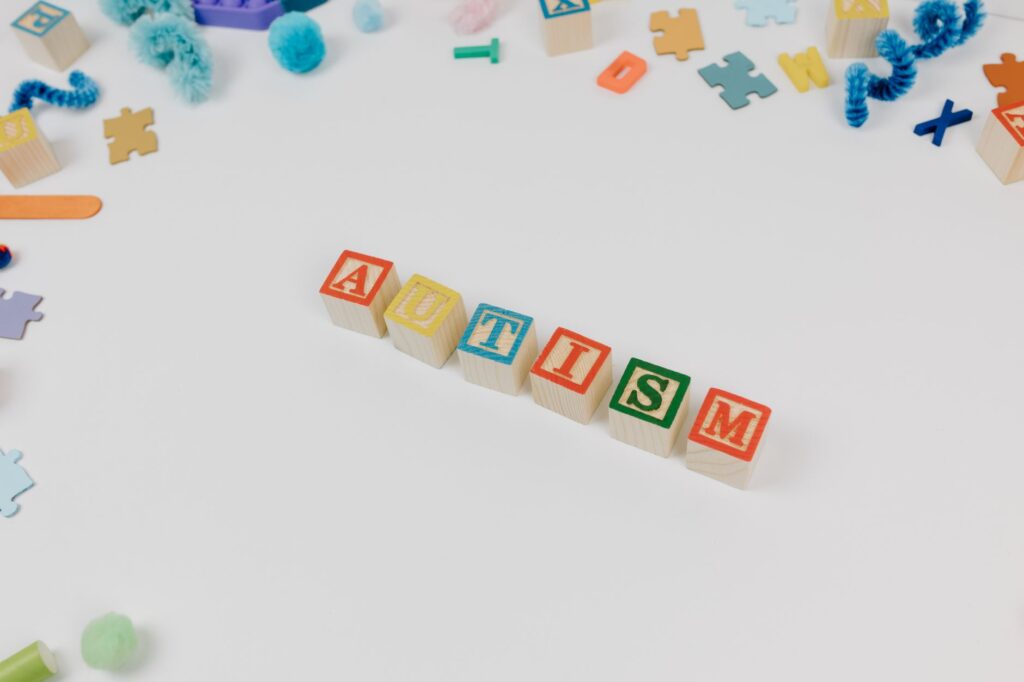
Recent polling data from The Washington Post highlights the ongoing friction between broad scientific consensus regarding childhood immunizations and stubborn pockets of vaccine hesitancy. The analysis maps out public perception trends and the enduring traction of thoroughly debunked autism myths.
Exposing the Viral Baking Soda Wellness Fraud

An exhaustive look into the viral ‘baking soda Oprah recipe’ trend reveals a sophisticated web of fabricated celebrity endorsements and deceptive search engine manipulation. The investigation exposes how wellness scammers exploit platform algorithms to market unverified and potentially harmful health remedies.
The Physiological Hazards of TikTok Diet Trends

Social media continues to serve as an incubator for restrictive eating protocols and unverified wellness trends disguised as aesthetic lifestyle content. This report evaluates the dangerous physiological risks uncovered by recent nutritional analyses of viral TikTok diet fads.
Addressing Digital Health Literacy Deficits in India

Project Info-Suraksha provides critical insight into the health information-seeking behaviors and digital literacy vulnerabilities among educators and students in India. The initiative underscores the urgent need for structured educational interventions to combat the rapid proliferation of online medical misinformation.
Key Takeaways
- State-level legal actions against pharmaceutical entities highlight increasing regulatory and judicial scrutiny over vaccine marketing claims.
- Coordinated digital networks frequently exploit historical skepticism, weaponizing social media to amplify regional inoculation fears.
- Fabricated celebrity endorsements and algorithmic manipulation remain primary vectors for spreading deceptive wellness scams and unverified cures.
- Enhancing digital health literacy among students and educators is critical to countering the rapid spread of online medical misinformation.
Explore more from our Health Myths & Medical Misinformation coverage.


