The digital health landscape continues to be saturated with unverified claims, ranging from viral social media trends undermining dermatological protection to misleading diagnostic theories promoted across wellness blogs. As medical misinformation adapts to new algorithmic incentives, public health literacy remains vulnerable to sensationalized narratives that distort established clinical evidence.
This week’s investigations examine the persistence of harmful tropes—including anti-sunscreen messaging on TikTok and unsubstantiated facial diagnostics for iron deficiency—while reinforcing rigorous scientific consensus. By systematically dissecting these narratives alongside regulatory health alerts, we provide the empirical clarity necessary to navigate modern medical discourse.
This Week’s Six Featured Articles
TikTok's Dangerous Anti-Sunscreen Trend Threatens Skin Cancer Prevention

Social media platforms have amplified pseudoscientific claims that characterize daily sunscreen use as unnecessary or hazardous to human health. This investigation contrasts viral digital misinformation with decades of dermatological data, underscoring the critical role UV protection plays in preventing skin malignancies.
Dissecting Blood Cancer Misconceptions Through Evidence-Based Analysis
Misunderstandings surrounding hematologic malignancies continue to impede effective patient advocacy and public awareness. By analyzing expert commentary and clinical literature, this report separates medical fact from fiction to empower communities with accurate knowledge regarding blood cancers.
The Pseudoscientific 'Ferritin Face' Trend and Iron Deficiency Realities

Wellness blogs and social media channels have popularized the notion that specific facial features can reliably indicate low iron stores. Our examination reveals that this visual cue theory lacks clinical validation, contrasting it with legitimate diagnostic protocols for iron deficiency.
Separating Clinical Reality from Digital Noise in Coffee Health Claims

A recent surge in online health misinformation has targeted dietary staples, generating widespread confusion regarding the physiological impacts of coffee consumption. This analysis evaluates peer-reviewed scientific literature to provide consumers with reliable tools for assessing digital health advice.
Anatomy of Wellness Fraud: Exposing Unverified Cures and Digital Deception
The proliferation of dubious treatments and unverified health advice across digital channels poses a direct threat to public safety. This investigation explores the mechanics of wellness misinformation, highlighting the systemic spread of fake cures and the necessity of evidence-based medical standards.
FDA Regulatory Warnings Highlight Salmonella Risks in Raw Sprouts
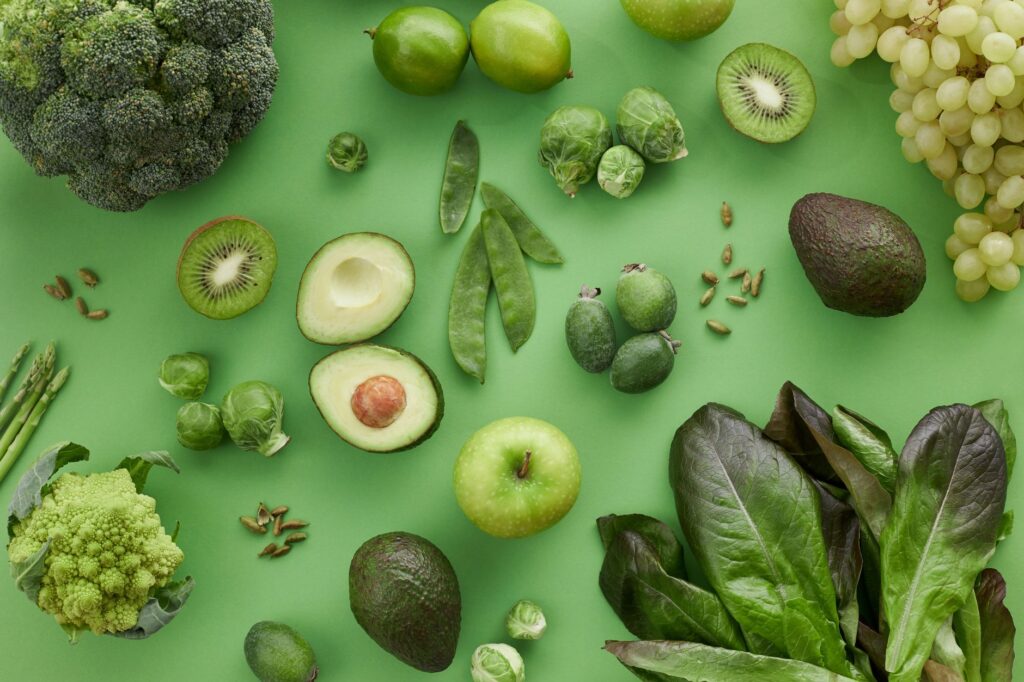
Despite their reputation as nutritional superfoods, raw dietary sprouts frequently present severe microbiological hazards. Recent regulatory alerts from the FDA underscore the persistent danger of Salmonella contamination associated with raw sprout consumption, emphasizing the need for stringent food safety protocols.
Key Takeaways
- Social media algorithms continue to amplify pseudoscientific health trends, necessitating heightened critical evaluation of digital medical advice.
- Rigorous dermatological science confirms that daily sunscreen use remains indispensable for effective skin-cancer prevention.
- Diagnostic claims lacking empirical backing, such as visual iron-deficiency markers, should be replaced with standardized clinical testing.
- Regulatory oversight and public health alerts are vital in mitigating foodborne pathogen risks associated with trendy raw foods.
Explore more from our Health Myths & Medical Misinformation coverage.