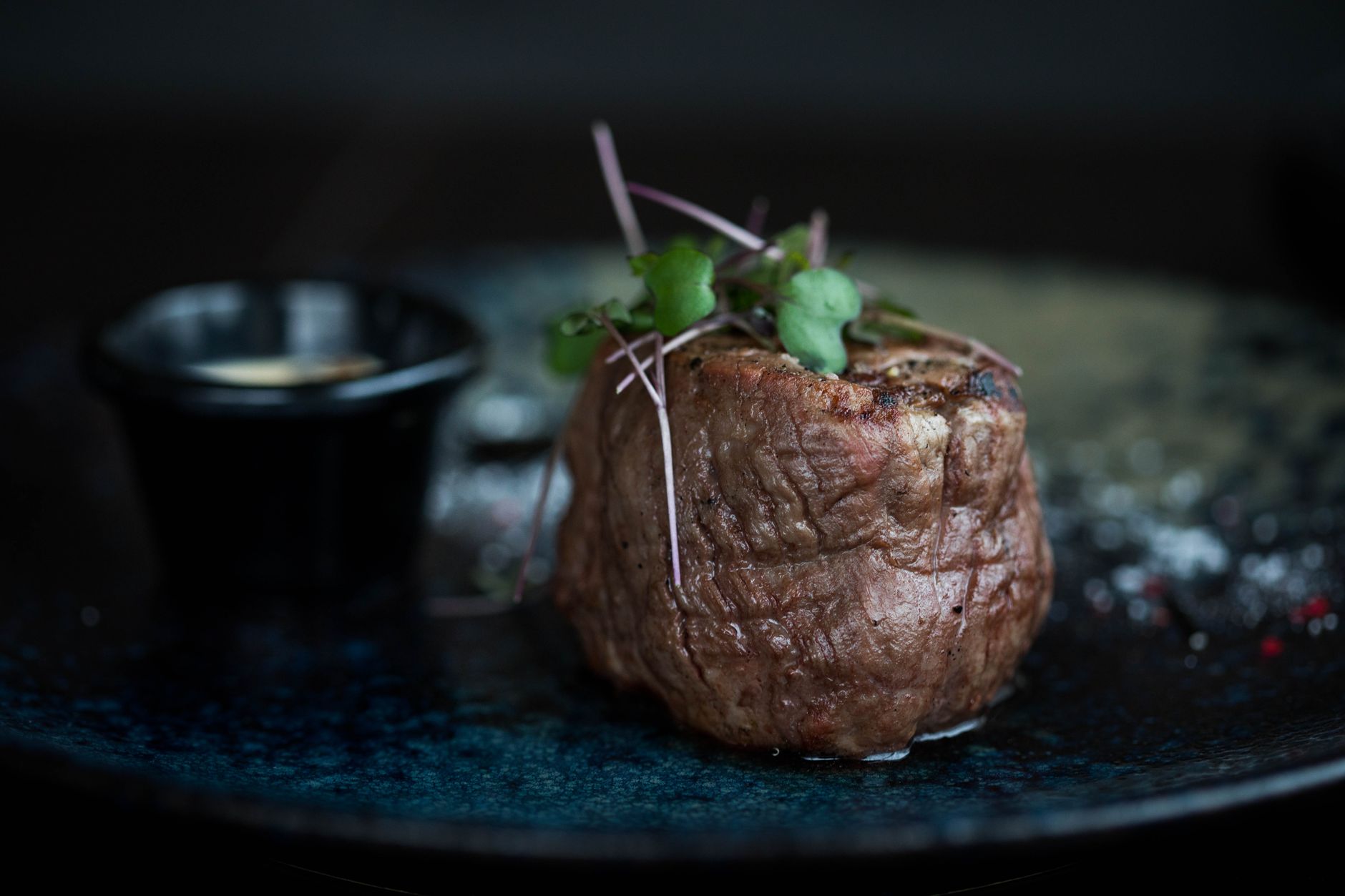
Hero image: Valeria Boltneva / Pexels
How Much Protein Do You Really Need Daily?
Dartmouth Health’s official guidance on daily protein intake is widely cited, but public perception often diverges from evidence-based recommendations. A synthesis of available reporting reveals a gap between what authorities say and what people believe—and why that matters for long-term health.
Each year, millions of Americans ask the same question: “How much protein do I need?” The query spikes after viral social media posts, fitness influencer endorsements, and well-intentioned but outdated diet advice. In August 2026, UnionLeader.com published a reader-submitted question to Dartmouth Health asking for clarity on daily protein requirements. The response from Dartmouth Health’s experts provided a baseline figure, but the article’s framing underscores a broader pattern: public confusion about protein persists despite decades of consensus from major health authorities. This investigation synthesizes the available reporting to clarify what the evidence says, where public belief diverges, and why misinformation about protein intake continues to spread.
Why the ‘How Much Protein Do I Need?’ Question Keeps Coming Up
The question recurs because protein is central to health narratives across medicine, fitness, and marketing. It is a macronutrient essential for muscle repair, immune function, and enzyme activity, yet its role is often oversimplified or exaggerated. UnionLeader.com’s reader-submitted column reflects a real demand for authoritative answers, especially among older adults, athletes, and people managing chronic conditions. The persistence of the question also stems from conflicting online advice, where protein intake is sometimes framed as a cure-all for weight loss, muscle gain, or longevity—despite limited evidence supporting such claims.
Moreover, protein recommendations are often conflated with fad diets that promote high-protein regimens, which can lead to unnecessary supplementation or restrictive eating patterns. The cyclical nature of diet trends—from Atkins to keto to carnivore—keeps the protein question alive in public discourse, even when the underlying science remains unchanged.
Dartmouth Health’s Core Answer: What the Official Guidance Says
UnionLeader.com published a reader question directed to Dartmouth Health’s experts, who responded with a clear baseline: for most healthy adults, the recommended dietary allowance (RDA) for protein is 0.8 grams per kilogram of body weight per day. This translates to about 56 grams of protein for a 70 kg (154 lb) adult. The experts emphasized that this amount is sufficient to meet the needs of nearly all healthy individuals and that consuming significantly more protein does not confer additional health benefits for most people.
The Dartmouth Health response also noted that protein needs may increase for older adults, athletes, and people recovering from illness or injury. For example, older adults are encouraged to aim for 1.0 to 1.2 grams per kilogram per day to counteract age-related muscle loss (sarcopenia). Athletes, depending on the intensity and type of training, may require up to 1.2 to 2.0 grams per kilogram per day. These nuances are critical, as they clarify that while the RDA serves as a minimum standard, certain populations may benefit from higher intakes.
Importantly, the Dartmouth Health experts cautioned against excessive protein intake, particularly for individuals with kidney disease or other pre-existing conditions, as high protein loads can exacerbate certain health risks. This balanced approach—acknowledging both minimum needs and upper limits—contrasts with the all-or-nothing messaging often found in fitness marketing.
Comparing Dartmouth Health’s Advice to Other Major Health Authorities
Dartmouth Health’s guidance aligns closely with recommendations from major health organizations, including the U.S. Department of Agriculture (USDA), the National Institute on Aging (NIA), and the Academy of Nutrition and Dietetics. These authorities consistently endorse the 0.8 g/kg/day RDA for healthy adults, with adjusted recommendations for older adults and athletes. The convergence of these guidelines suggests a strong consensus on baseline protein needs.
However, public perception often diverges from these recommendations. While health authorities emphasize sufficiency at the RDA level, many people—especially those engaged in fitness or weight loss—believe they need far more protein to achieve their goals. This gap between evidence and belief is fueled by marketing claims, social media influencers, and outdated dietary advice that overstate protein’s benefits.
For example, the USDA’s Dietary Guidelines for Americans (2020–2025) explicitly state that most Americans already consume more protein than they need, with average intakes well above the RDA. Similarly, the NIA notes that older adults should focus on protein quality and distribution across meals rather than simply increasing total intake. Despite these clear statements, misconceptions persist that higher protein intake is universally beneficial or necessary.
Protein Recommendations Across Authorities
| Organization | General Adult RDA (g/kg/day) | Older Adults | Athletes | Notes |
|---|---|---|---|---|
| Dartmouth Health | 0.8 | 1.0–1.2 | 1.2–2.0 | Emphasizes caution in kidney disease |
| USDA (Dietary Guidelines for Americans) | 0.8 | 1.0–1.2 | 1.2–2.0 | Notes most Americans exceed RDA |
| National Institute on Aging | 0.8 | 1.0–1.2 | — | Focus on meal distribution and quality |
| Academy of Nutrition and Dietetics | 0.8 | 1.0–1.2 | 1.2–2.0 | Recommends whole-food sources |
Where Public Perception Diverges from Evidence-Based Protein Recommendations
Public perception often overestimates protein needs, particularly among fitness enthusiasts and those pursuing weight loss. A common misconception is that higher protein intake automatically leads to greater muscle growth or fat loss. While protein is essential for muscle repair and satiety, consuming more than the body can use does not enhance these effects and may lead to unnecessary calorie intake or digestive discomfort.
This divergence is fueled by marketing from supplement companies and influencers who promote high-protein diets as a shortcut to fitness goals. For instance, protein powders and bars are often marketed with claims that they “build muscle” or “boost metabolism,” despite limited evidence supporting such broad assertions. These claims exploit the public’s desire for quick results, leading many to believe that protein intake should be maximized rather than optimized.
Additionally, cultural narratives around protein—such as the idea that “more is always better”—are reinforced by outdated dietary advice and anecdotal success stories. These narratives ignore the body’s ability to regulate protein metabolism and the potential risks of excessive intake, such as kidney strain or nutrient imbalances.
The Claim: ‘Most People Need Far More Protein Than They Think’
A persistent claim in fitness and wellness circles is that “most people need far more protein than they think.” This assertion is often used to justify high-protein diets, supplements, and restrictive eating patterns. However, the evidence supporting this claim is mixed and context-dependent.
While it is true that certain populations—such as older adults, athletes, and people recovering from injury—may benefit from protein intakes above the RDA, the claim that “most people” fall into these categories is overstated. For the average sedentary adult, consuming more than the RDA of protein does not provide measurable health benefits and may even be counterproductive if it displaces other essential nutrients.
Moreover, the claim often ignores the fact that many people already consume more protein than the RDA. According to the USDA, the average American consumes about 1.2 grams of protein per kilogram of body weight per day—well above the RDA. This suggests that the real issue is not a widespread deficiency, but rather a misunderstanding of how protein functions in the body and how much is truly necessary for optimal health.
What the Combined Evidence Shows About Protein Intake and Health
Taken together, the available evidence indicates that protein is essential for health, but its benefits are dose-dependent and context-specific. For most healthy adults, the RDA of 0.8 g/kg/day is sufficient to meet nutritional needs. For older adults, increasing protein intake to 1.0–1.2 g/kg/day can help mitigate age-related muscle loss. Athletes may require up to 1.2–2.0 g/kg/day, depending on the intensity and type of training.
The combined evidence also shows that protein quality matters. Foods rich in essential amino acids—such as lean meats, fish, eggs, dairy, legumes, and soy—are more beneficial than isolated protein supplements. Additionally, distributing protein intake evenly across meals may enhance muscle protein synthesis and overall metabolic health.
Importantly, the evidence does not support the idea that higher protein intake universally improves health outcomes. While protein is crucial for muscle repair and immune function, excessive intake can strain the kidneys, particularly in individuals with pre-existing kidney disease. It can also lead to digestive issues, nutrient imbalances, and unnecessary calorie consumption.
Who Is Most Affected by Protein Misinformation and Why
Protein misinformation disproportionately affects older adults, fitness enthusiasts, and people with chronic health conditions. Older adults are particularly vulnerable because they are often targeted by marketing for protein supplements and high-protein diets, which are promoted as solutions to age-related muscle loss. While increased protein can be beneficial for this group, misinformation can lead to over-supplementation or reliance on processed protein products rather than whole foods.
Fitness enthusiasts, especially those engaged in strength training or bodybuilding, are also heavily influenced by protein misinformation. Influencers and supplement companies often promote high-protein diets as a way to “bulk up” or “lean out,” despite limited evidence that such diets provide significant advantages over balanced nutrition. This messaging can lead to unnecessary spending on supplements and restrictive eating patterns that may not align with individual health goals.
People with chronic health conditions, such as kidney disease or diabetes, are particularly at risk from protein misinformation. High-protein diets can exacerbate kidney function decline in individuals with pre-existing kidney issues, yet misinformation often downplays these risks in favor of blanket recommendations for high protein intake. This underscores the importance of individualized dietary advice, particularly for vulnerable populations.
How Protein Myths Spread: From Fitness Influencers to Outdated Diet Books
Protein myths spread through a combination of commercial incentives, social media amplification, and the enduring influence of outdated dietary advice. Fitness influencers, who often partner with supplement brands, frequently promote high-protein diets as a way to achieve rapid fitness results. These influencers leverage before-and-after photos, testimonials, and pseudoscientific claims to build credibility, even when their advice lacks evidence-based support.
Outdated diet books and wellness gurus also play a significant role in perpetuating protein myths. Many popular diet books from the 1990s and early 2000s—such as those promoting high-protein, low-carbohydrate diets—continue to shape public perception, despite subsequent research that has debunked many of their claims. These books often rely on anecdotal evidence, cherry-picked studies, and fear-based messaging to promote their recommendations.
The internet and social media have accelerated the spread of protein myths by creating echo chambers where misinformation can thrive. Algorithms prioritize engaging content, which often includes sensational claims about protein’s benefits. This creates a feedback loop where misinformation is amplified and normalized, making it difficult for individuals to discern evidence-based advice from marketing-driven narratives.
Red Flags and Debunking Checklist: Spotting Protein Misinformation
Identifying protein misinformation requires a critical eye and an understanding of how claims are constructed. Below are specific red flags to watch for:
- Absolute claims: Statements like “Everyone needs 2.2 grams of protein per kilogram” ignore individual variability and are often used to sell supplements.
- Fear-based messaging: Claims that low protein intake will cause muscle loss, metabolic slowdown, or chronic disease are exaggerated and not supported by evidence.
- Over-reliance on supplements: Recommendations that emphasize protein powders, bars, or shakes over whole foods are often driven by commercial interests.
- One-size-fits-all advice: Recommendations that do not account for age, activity level, or health status are unlikely to be evidence-based.
- Cherry-picked studies: Claims that cite isolated studies without context or contradict broader scientific consensus should be viewed skeptically.
- Before-and-after photos: Visual testimonials are not scientific evidence and are often manipulated or staged.
- Lack of citations: Credible advice should include references to peer-reviewed research or reputable health authorities.
Expert and Institutional Responses: A Consensus on Protein Needs
Major health institutions and experts consistently emphasize that protein needs are modest for most people and that excessive intake is unnecessary and potentially harmful. Dartmouth Health’s response to the UnionLeader.com inquiry reflects this consensus, as do guidelines from the USDA, NIA, and Academy of Nutrition and Dietetics. These institutions agree that the RDA of 0.8 g/kg/day is sufficient for healthy adults, with higher intakes recommended only for specific populations.
Experts also caution against the overconsumption of protein supplements, noting that whole foods provide a more balanced nutrient profile and are less likely to contribute to digestive issues or nutrient imbalances. For example, the Academy of Nutrition and Dietetics recommends obtaining protein from a variety of sources, including lean meats, fish, eggs, dairy, legumes, and soy, rather than relying on processed protein products.
Additionally, experts emphasize the importance of individualized dietary advice, particularly for older adults and people with chronic health conditions. While increased protein intake can be beneficial for older adults, it should be tailored to individual needs and health status to avoid potential risks.
Original Analysis: What the Pattern of Reporting Suggests About Protein Culture
Taken together, the available reporting suggests that protein culture is shaped by a confluence of commercial interests, social media amplification, and enduring dietary myths. While health authorities provide clear, evidence-based guidance on protein intake, this guidance is often overshadowed by louder, more sensational claims promoted by influencers, supplement companies, and outdated diet books.
This pattern reflects a broader trend in health communication, where evidence-based advice struggles to compete with marketing-driven narratives. The result is a public that is both confused and misled about a fundamental aspect of nutrition. The persistence of the “How much protein do I need?” question—despite decades of consensus—highlights the need for better science communication and critical media literacy.
Moreover, the alignment of expert advice across institutions suggests that the real issue is not a lack of clarity in the science, but rather a failure to effectively communicate that clarity to the public. Addressing this gap will require a concerted effort from health authorities, journalists, and educators to counter misinformation and promote evidence-based nutrition guidance.
What to Do Now: Evidence-Based Steps to Meet Your Protein Needs Safely
If you’re unsure about your protein intake, the following evidence-based steps can help you meet your needs safely and effectively:
- Calculate your baseline: Use the RDA of 0.8 g/kg/day as a starting point. For a 70 kg adult, this equates to about 56 grams of protein per day. Adjust this amount based on your age, activity level, and health status.
- Prioritize whole foods: Focus on lean meats, fish, eggs, dairy, legumes, and soy. These foods provide protein along with essential vitamins and minerals.
- Distribute protein intake: Aim to consume protein evenly across meals to enhance muscle protein synthesis and overall metabolic health.
- Avoid over-supplementation: Unless advised by a healthcare provider, avoid relying on protein powders or bars. Whole foods are the best source of protein and other nutrients.
- Consult a professional: If you have specific health concerns or dietary goals, consult a registered dietitian or healthcare provider for personalized advice.
- Monitor your intake: Use a food tracker or app to get a rough estimate of your protein intake. This can help you identify whether you’re meeting your needs without overconsuming.
- Be skeptical of marketing claims: Avoid products or diets that promise rapid results or make absolute claims about protein’s benefits. Look for evidence-based advice from reputable sources.
FAQ: Common Protein Questions Answered with Evidence
Is it possible to consume too much protein?
Yes. While protein is essential for health, excessive intake can strain the kidneys, particularly in individuals with pre-existing kidney disease. It can also lead to digestive issues, nutrient imbalances, and unnecessary calorie consumption. For most healthy adults, consuming more than 2.5 g/kg/day is unnecessary and potentially harmful.
Do older adults really need more protein?
Yes. Older adults are at risk of age-related muscle loss (sarcopenia), and increasing protein intake to 1.0–1.2 g/kg/day can help mitigate this risk. However, this should be done in consultation with a healthcare provider, particularly for individuals with kidney disease or other health conditions.
Are protein supplements necessary for muscle growth?
No. While protein supplements can be convenient, they are not necessary for muscle growth. Whole foods provide a more balanced nutrient profile and are less likely to contribute to digestive issues or nutrient imbalances. Focus on consuming adequate protein from whole foods and distributing it evenly across meals.
Can a high-protein diet help with weight loss?
High-protein diets can aid weight loss by promoting satiety and preserving lean muscle mass. However, the benefits are not unique to protein—balanced diets that emphasize whole foods and portion control are equally effective. Additionally, high-protein diets are not suitable for everyone and may pose risks for individuals with kidney disease or other health conditions.
How can I tell if I’m getting enough protein?
For most healthy adults, consuming a varied diet that includes lean meats, fish, eggs, dairy, legumes, and soy will provide adequate protein. If you’re unsure, use a food tracker or app to estimate your intake. If you have specific health concerns or dietary goals, consult a registered dietitian or healthcare provider for personalized advice.