
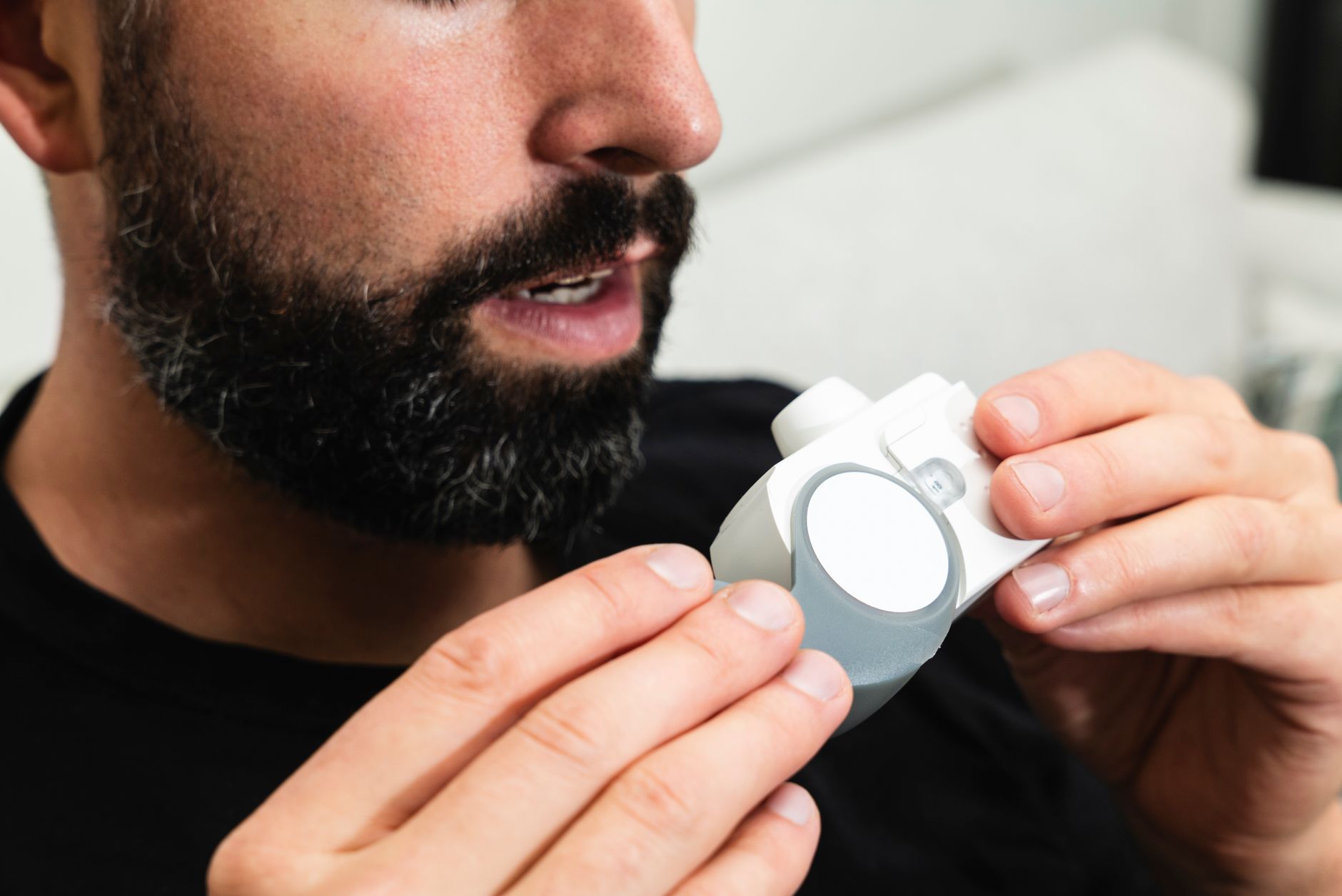
Hero image: Cnordic Nordic / Pexels
Hydrogen Inhaler Cure-All Claims Debunked by Experts
A single handheld device, marketed as a “hydrogen inhaler,” is being sold across Southeast Asia with claims that it can cure cancer, diabetes, and dementia. Medical experts and regulators say the assertions are medically implausible, and Focus Malaysia reports that the scam is disproportionately targeting elderly Malaysians. Independent fact-checkers warn that the same playbook—pseudoscientific jargon, fake testimonials, and urgency-based sales tactics—has been used to sell unproven stem-cell therapies, ozone generators, and colloidal silver devices.
Over the past 18 months, a wave of online advertisements, WhatsApp forwards, and in-person seminars has promoted small, portable hydrogen inhalers as “miracle cures” for a laundry list of chronic and degenerative diseases. The devices—typically marketed under brand names such as “H2Life,” “Hydrogen Genie,” or “BioH2 Inhaler”—are presented as capable of delivering “activated hydrogen” directly into the lungs, where it purportedly “neutralizes free radicals,” “resets cellular metabolism,” and “reverses oxidative stress.” Focus Malaysia’s investigation found that the devices are being sold primarily to senior citizens in Malaysia through a network of local distributors, many of whom operate under multi-level marketing (MLM) structures. While the claims are not unique to Malaysia, the country’s aging population, high smartphone penetration, and relatively permissive online advertising environment have made it a focal point for the trend. This synthesis examines how the device evolved from a niche wellness product into a viral “cure-all,” how media outlets have reported on the phenomenon, what independent science says about hydrogen inhalation, and why regulators have so far struggled to curb the spread of such pseudoscientific devices.
—
Rise of the hydrogen inhaler: How a dubious device became a viral ‘cure-all’
The hydrogen inhaler first appeared in wellness circles in Japan and South Korea in the early 2010s as a niche product for athletes and biohackers seeking rapid recovery from muscle fatigue. Early adopters touted the devices as a way to breathe “molecular hydrogen” (H₂) gas, claiming it could reduce inflammation and improve energy levels. By 2015, the concept had migrated to China, where MLM companies began packaging it as a “cellular detox” tool. Around 2019, the trend crossed into Southeast Asia, where local entrepreneurs repackaged the devices with broader medical claims—often in Mandarin, English, and regional languages—to reach a wider audience.
Focus Malaysia reports that the shift from athletic recovery to disease treatment was accelerated by the COVID-19 pandemic. As misinformation about “immune-boosting” supplements surged online, sellers began framing hydrogen inhalers as “viral neutralizers,” “lung detoxifiers,” and even “cancer preventatives.” The devices were rebranded with medical-sounding names like “H2 Therapy Pod” and “OxyH2 Inhaler,” and their marketing expanded from wellness blogs to Facebook groups, TikTok livestreams, and door-to-door sales targeting retirement villages. According to Focus Malaysia, many of the current distributors are retirees themselves, recruited into MLM schemes with promises of passive income and personal health benefits.
Unlike traditional medical devices, which require clinical trials and regulatory approval, these inhalers are typically sold as “wellness products” or “electronic devices,” placing them outside the strict oversight of health authorities. Focus Malaysia notes that the devices are often manufactured in China or Taiwan, shipped in unmarked packages, and labeled with vague disclaimers such as “not intended to diagnose, treat, cure, or prevent any disease.” Despite these disclaimers, the marketing materials rely on a carefully curated blend of pseudoscientific language and emotional testimonials to imply medical efficacy. The result is a product that appears legitimate to lay audiences but lacks any credible scientific basis for the claims made.
—
Focus Malaysia reports: Experts call hydrogen inhaler claims baseless and dangerous
Focus Malaysia’s investigation, published on August 23, 2026, centers on interviews with medical professionals, public health researchers, and elderly consumers in Kuala Lumpur, Penang, and Johor Bahru. The report highlights a pattern of aggressive sales tactics, including free “health seminars” in community centers, WhatsApp groups that share fabricated before-and-after photos, and “limited-time discounts” that pressure seniors into large upfront payments. One interviewee, a 72-year-old retiree, told Focus Malaysia that she purchased a hydrogen inhaler after attending a seminar where a distributor claimed it had “cured” her neighbor’s diabetes in two weeks. “The man showed a chart with numbers going down, and he said my sugar would be normal in a month,” she said. “I didn’t understand the science, but I trusted him because he was a doctor.” The distributor, however, was not a licensed physician.
The report quotes several Malaysian medical experts who dismiss the claims outright. Dr. Roslina Abdul Manap, a consultant geriatrician at the University of Malaya Medical Centre, told Focus Malaysia that “there is no credible evidence that inhaling hydrogen gas can treat or cure any disease, including diabetes, cancer, or dementia.” She added that hydrogen gas is not absorbed into the bloodstream in a way that would allow it to act as a therapeutic agent, and that inhaling high concentrations of hydrogen could pose risks such as lung irritation or oxygen displacement in poorly ventilated spaces. Dr. Roslina also warned that seniors who abandon conventional treatments in favor of unproven devices risk accelerating disease progression and worsening their overall health.
Focus Malaysia also documents cases in which elderly buyers were sold multiple devices under the guise of “maintenance kits,” with prices ranging from RM 1,200 to RM 3,500 (approximately USD 260 to USD 760). One 68-year-old man reportedly spent over RM 8,000 on three devices and a series of “follow-up consultations” with a distributor posing as a “certified hydrogen therapist.” When he later sought treatment for advanced prostate cancer, his oncologist confirmed that the device had no impact on his condition. The report concludes that the hydrogen inhaler scam is not merely a consumer protection issue but a public health concern, particularly for seniors who may be financially exploited and medically endangered.
—
Cross-outlet comparison: How media coverage aligns and where gaps remain
While Focus Malaysia is the only outlet with a dedicated investigation into the hydrogen inhaler scam in Malaysia, similar devices have been scrutinized in other countries, particularly in China and the United States. In China, state media and consumer protection groups have repeatedly flagged hydrogen inhalers as part of a broader wave of “electronic pseudomedicine,” often sold through livestream e-commerce platforms. In the U.S., the Federal Trade Commission (FTC) and the Food and Drug Administration (FDA) have issued warnings about hydrogen gas products marketed as treatments for COVID-19, Alzheimer’s, and Parkinson’s disease. Although these warnings are publicly available, they are not always widely disseminated in local languages or accessible to non-English speakers, leaving seniors in multilingual communities particularly vulnerable.
Where Focus Malaysia excels is in its on-the-ground reporting, including interviews with victims, distributors, and medical experts in Malaysia. The report also highlights the role of social media and messaging apps in amplifying the scam, noting that WhatsApp groups and Facebook Marketplace are primary channels for recruitment and sales. However, the piece does not quantify the scale of the problem or identify the manufacturers behind the devices, leaving open questions about supply chains and cross-border enforcement. In contrast, U.S. and Chinese media have focused more on regulatory responses and supply-side investigations, such as tracing the origin of devices to specific factories in Shenzhen or documenting how MLM companies structure commissions to incentivize recruitment over product sales.
Another gap in Focus Malaysia’s reporting is the absence of a direct response from the devices’ manufacturers or distributors. While the report includes testimony from victims and experts, it does not include statements from companies selling the inhalers, nor does it analyze the terms and conditions of their MLM agreements. This limits the public’s ability to assess whether the companies are aware of the claims being made by their distributors and whether they have mechanisms in place to prevent deceptive marketing. Taken together, these limitations suggest that while Focus Malaysia has produced a strong local investigation, a fuller picture would require cross-border collaboration between journalists, regulators, and consumer protection groups to map the supply chain and identify the individuals and entities profiting from the scam.
—
The anatomy of the scam: How ‘miracle’ health devices exploit vulnerable buyers
Pseudoscientific jargon as a smokescreen
The hydrogen inhaler scam relies on a carefully constructed veneer of scientific legitimacy. Marketing materials are filled with terms like “molecular hydrogen therapy,” “cellular redox signaling,” and “proton-donating antioxidants,” which sound authoritative to non-experts but are largely meaningless in a clinical context. Focus Malaysia notes that these phrases are often lifted from legitimate—but unrelated—research on hydrogen-rich water or hyperbaric oxygen therapy, then repurposed to imply medical benefits that have never been demonstrated for inhaled hydrogen gas. The effect is to create an illusion of scientific rigor, even when the underlying claims are biologically implausible.
Emotional testimonials and manufactured urgency
Distributors frequently use emotional testimonials from “satisfied customers” to build trust, often sharing before-and-after photos or videos that purport to show dramatic health improvements. Focus Malaysia reports that these testimonials are frequently fabricated or cherry-picked, with sellers using stock images or actors to dramatize results. In one case documented by the outlet, a distributor showed a video of a man claiming his diabetes was “cured” after using the inhaler, but the man later admitted in an interview that he had continued taking insulin throughout the period. The scam also employs urgency-based tactics, such as “limited-time discounts,” “exclusive launch offers,” and “senior citizen bonuses,” to pressure buyers into making impulsive decisions.
Multi-level marketing as the distribution engine
Many hydrogen inhaler schemes operate as MLM programs, where recruits earn commissions not only from selling devices but also from recruiting new distributors. Focus Malaysia found that local distributors are often retirees themselves, lured by promises of passive income and personal health benefits. The MLM structure creates a self-reinforcing cycle: as more people join, the pool of potential buyers shrinks, leading distributors to target increasingly vulnerable populations, such as seniors with chronic illnesses or limited mobility. The result is a pyramid-like distribution system in which the majority of participants lose money, while a small number at the top profit from recruitment fees and device sales.
Regulatory arbitrage through “wellness” labeling
By classifying the devices as “wellness products” or “electronic devices,” sellers exploit gaps in regulatory oversight. In Malaysia, health supplements and medical devices are regulated by different agencies, and devices marketed without explicit medical claims may avoid strict scrutiny. Focus Malaysia notes that the devices are often shipped without clear instructions, warnings, or manufacturer information, making it difficult for consumers to verify their legitimacy. Even when regulators issue warnings, the decentralized nature of MLM sales and the use of social media platforms make enforcement challenging. The scam thus thrives in a regulatory gray zone, where the lack of clear labeling requirements allows sellers to evade accountability.
—
What the evidence actually shows about hydrogen inhalation therapy
Independent scientific literature on hydrogen inhalation is sparse and largely confined to small-scale studies in niche areas such as sports recovery, radiation protection, and ischemia-reperfusion injury. A 2021 review published in Medical Gas Research found that while inhaling hydrogen gas may have antioxidant effects in controlled laboratory settings, there is “insufficient evidence” to support its use as a treatment for any human disease. The review noted that most studies were conducted on animals or in vitro, and that the concentrations of hydrogen used in experiments far exceed what could be safely delivered via a portable inhaler. The authors concluded that “the therapeutic potential of hydrogen gas remains theoretical and requires rigorous clinical trials before any medical claims can be substantiated.”
Focus Malaysia quotes Malaysian toxicologists who emphasize that inhaling hydrogen gas can pose direct risks. Hydrogen is a colorless, odorless gas that displaces oxygen in enclosed spaces, creating a risk of asphyxiation if used in poorly ventilated areas. Additionally, high concentrations of hydrogen can irritate the respiratory tract, leading to coughing, shortness of breath, or exacerbation of conditions such as asthma or chronic obstructive pulmonary disease (COPD). The devices sold in Malaysia typically claim to deliver “activated hydrogen” or “ionized hydrogen,” terms that have no clear scientific definition and are not recognized in peer-reviewed literature. In the absence of standardized manufacturing or quality control, there is also a risk of device malfunction, electrical hazards, or exposure to contaminants.
Despite these risks, hydrogen inhalation has been co-opted by wellness influencers and pseudoscientific entrepreneurs to sell a range of unproven therapies. A 2023 report by the Australian Competition & Consumer Commission (ACCC) found that hydrogen gas products were among the most frequently reported scams in the health and wellness sector, with consumers losing an average of AUD 1,500 per incident. The ACCC noted that the scams often begin with a social media ad or influencer endorsement, followed by a high-pressure sales call or in-person seminar. While the Australian case involved hydrogen gas canisters rather than inhalers, the underlying mechanism—exploiting public trust in science to sell unproven products—is identical.
| Claim Made by Sellers | Scientific Consensus | Status |
|---|---|---|
| Hydrogen inhalation can cure cancer | No clinical trials support hydrogen gas as a cancer treatment; chemotherapy, radiation, and surgery remain standard of care | Unproven and potentially dangerous |
| Hydrogen inhalation can reverse diabetes | No evidence that inhaled hydrogen lowers blood glucose; insulin and lifestyle interventions remain first-line treatments | Unproven and potentially dangerous |
| Hydrogen inhalation detoxifies the body | No evidence that hydrogen gas removes toxins; the liver and kidneys perform detoxification naturally | Unproven and biologically implausible |
| Hydrogen inhalation improves cognitive function in dementia patients | No clinical trials support hydrogen inhalation for dementia; current treatments include cholinesterase inhibitors and lifestyle interventions | Unproven and potentially dangerous |
| Hydrogen inhalation is FDA-approved or CE-marked | No hydrogen inhaler devices are approved by the FDA, EMA, or other major regulators for disease treatment | False |
—
Who is being targeted — and why seniors are the primary victims
Demographic targeting: The intersection of loneliness, illness, and digital literacy
Focus Malaysia’s reporting reveals that the primary targets of the hydrogen inhaler scam are adults aged 60 and older, particularly those living alone or managing chronic conditions such as diabetes, hypertension, or early-stage dementia. These individuals are often isolated due to mobility limitations or the loss of a spouse, making them more receptive to sales pitches that promise companionship, hope, and a return to health. Distributors exploit this vulnerability by framing the device as a “longevity tool” or “preventative health device,” often using language that mimics legitimate medical advice. One victim, a 74-year-old woman with early-stage Parkinson’s, told Focus Malaysia that she attended a seminar after seeing a Facebook ad featuring a doctor in a white coat. “He said this machine would slow down my shaking,” she said. “I didn’t think to ask if he was really a doctor.”
The role of language and cultural context
In Malaysia, the scam is amplified by the use of multiple languages—Malay, English, Mandarin, and Tamil—to reach diverse communities. Focus Malaysia notes that Mandarin-speaking distributors often target Chinese-speaking seniors, many of whom are more likely to trust medical-sounding claims delivered in their native language. The use of Mandarin also allows sellers to reference traditional Chinese medicine concepts, such as “qi balance” or “meridian cleansing,” which resonate with older adults familiar with TCM but may not recognize the pseudoscientific nature of the device. Meanwhile, English-language ads often mimic Western biohacking terminology, using phrases like “cellular regeneration” and “mitochondrial optimization” to appeal to more affluent seniors who follow wellness trends online.
Financial and social isolation as risk multipliers
Seniors on fixed incomes are particularly vulnerable to high-pressure sales tactics, especially when distributors offer “senior discounts,” “government-subsidized” programs, or “installment plans” that stretch over 12 to 24 months. Focus Malaysia reports that some victims have taken out personal loans or remortgaged their homes to purchase the devices, only to discover later that the company has no customer service line or warranty policy. Social isolation further compounds the risk: seniors who live alone may not have family members present to question the claims or review the contract before signing. Distributors are trained to recognize these risk factors and tailor their pitches accordingly, often building rapport through repeated home visits or weekly “health check-ins.”
—
Red flags and debunking checklist: How to spot a fake health miracle device
- Medical-sounding jargon without citations: Be wary of phrases like “cellular detox,” “redox signaling,” or “activated hydrogen” if they are not backed by peer-reviewed studies or explained in plain language. Legitimate medical devices are required to disclose their mechanisms of action; pseudoscientific devices often hide behind vague terminology.
- Before-and-after photos or videos that lack context: If a seller shows dramatic improvements in a patient’s condition, ask for medical records, lab results, or independent verification. Focus Malaysia found that many “success stories” are staged or use actors.
- Claims to cure multiple unrelated diseases: A single device that allegedly treats cancer, diabetes, Alzheimer’s, and COVID-19 is a hallmark of a scam. Real medical treatments are disease-specific and supported by clinical trials.
- High-pressure sales tactics or urgency-based discounts: Legitimate health products do not require immediate purchase. If a seller insists on a “one-time offer” or “exclusive launch price,” it is likely a scam.
- Distributors who pose as medical professionals: Focus Malaysia found that many distributors use titles like “Dr.,” “Professor,” or “Certified Therapist” without providing verifiable credentials. Always ask for a license number and check with the relevant medical board.
- Lack of clear regulatory approvals or manufacturer information: Ask for the device’s FDA, CE, or other regulatory clearance numbers. If the seller cannot provide them, or if the device is labeled as a “wellness product” with no medical claims, it is likely unregulated.
- Multi-level marketing (MLM) structure: If the seller earns commissions not only from selling the device but also from recruiting new sellers, it is an MLM scheme. Most participants in MLM health products lose money.
- No money-back guarantee or warranty: Legitimate medical device companies offer warranties and return policies. If a seller refuses to provide these in writing, it is a red flag.
- Use of social media or messaging apps for recruitment: Scammers often use WhatsApp, Facebook, or Telegram to avoid detection by regulators. Be cautious of ads that appear in private groups or direct messages.
- Testimonials from “satisfied customers” with no verifiable identities: Ask for full names, contact information, and medical records. If the seller cannot provide them, the testimonials are likely fabricated.
—
Institutional response: What regulators and medical bodies are (or aren’t) doing
In Malaysia, the responsibility for regulating health products and devices falls to several agencies, including the National Pharmaceutical Regulatory Agency (NPRA), the Medical Device Authority (MDA), and the Malaysian Communications and Multimedia Commission (MCMC). Focus Malaysia reports that while these agencies have issued warnings about unproven health products, enforcement remains inconsistent. The NPRA’s online portal lists hydrogen inhalers as “products of concern,” but the agency has not issued a formal ban or recall. The MDA, which regulates medical devices, has not classified hydrogen inhalers as medical devices, allowing them to be sold as “wellness products” without clinical validation.
In the United States, the FDA has issued warning letters to companies marketing hydrogen gas products for COVID-19 and other diseases, stating that such claims violate federal law. However, the FDA’s enforcement actions are often reactive, relying on consumer complaints or media reports to identify violative products. The FTC has also brought cases against MLM companies for deceptive health claims, but these cases are time-consuming and often target only the most egregious offenders. In China, state media and consumer protection groups have repeatedly flagged hydrogen inhalers as part of a broader crackdown on “electronic pseudomedicine,” but enforcement is complicated by the country’s vast e-commerce ecosystem and the use of livestream sales.
Focus Malaysia notes that the lack of coordination between regulators in different countries allows scammers to exploit jurisdictional gaps. For example, a device manufactured in China can be sold in Malaysia through a local MLM company, making it difficult for Malaysian authorities to trace the origin of the product or hold the manufacturer accountable. Similarly, social media platforms and messaging apps are often headquartered in the U.S. or Europe, where local laws may not apply to sellers operating in Southeast Asia. The result is a patchwork of regulations that is easily circumvented by nimble scammers.
Medical professional bodies in Malaysia have also weighed in. The Malaysian Medical Association (MMA) issued a statement in 2025 warning that hydrogen inhalers are not approved for any medical use and that seniors should consult licensed physicians before purchasing such devices. However, the MMA’s statement has limited reach, and many seniors may not be aware of its existence. Focus Malaysia suggests that greater collaboration between regulators, medical associations, and community organizations is needed to educate the public and deter scammers.
—
Original analysis: Why this scam fits a larger pattern of pseudoscientific exploitation
Taken together, the reporting on hydrogen inhaler scams reveals a recurring pattern in the exploitation of pseudoscientific health products: the convergence of technological novelty, regulatory arbitrage, and demographic vulnerability. The devices themselves are not new—hydrogen gas has been studied in niche medical contexts for decades—but their repurposing as “cure-alls” is a direct response to the public’s growing distrust of conventional medicine and the rapid dissemination of health misinformation online. The scam thrives in environments where regulatory oversight is fragmented, where social media algorithms prioritize engagement over accuracy, and where seniors are both financially and socially isolated.
This pattern mirrors other recent waves of pseudoscientific exploitation, from stem-cell therapy clinics in Mexico and Thailand to ozone therapy centers in Florida and colloidal silver “immune boosters” during the COVID-19 pandemic. In each case, sellers exploit gaps in regulation, use pseudoscientific language to create an illusion of legitimacy, and target populations that are desperate for hope. The hydrogen inhaler scam is distinctive only in its use of a portable, high-tech device—a “magic box” that can be wheeled from room to room in a retirement home, lending it an air of modernity and credibility.
What makes the hydrogen inhaler scam particularly insidious is its reliance on the language of science itself. By using terms like “molecular hydrogen,” “redox signaling,” and “cellular detox,” sellers borrow the authority of legitimate research while stripping it of context and evidence. This tactic is not new—it is a hallmark of the wellness industry—but the rise of portable, consumer-grade devices has made it easier than ever to package pseudoscience as a lifestyle product. The result is a self-reinforcing cycle: as more people fall for the scam, the claims become more extravagant, and the regulatory response becomes more reactive. Without coordinated action from governments, tech platforms, and medical institutions, this cycle is likely to continue.
—
What to do if you or a loved one has been targeted by a hydrogen inhaler scam
If you or someone you know has purchased a hydrogen inhaler under the belief that it can treat or cure a disease, the first step is to stop using the device immediately. While the risks of short-term use are generally low, inhaling hydrogen gas in unregulated devices can cause respiratory irritation or other complications. Next, gather all documentation related to the purchase, including receipts, contracts, emails, and any marketing materials. These documents may be needed if you decide to file a complaint or seek a refund.
Contact your local consumer protection agency or health regulator to report the incident. In Malaysia, you can file a complaint with the NPRA through its online portal or contact the Malaysian Communications and Multimedia Commission (MCMC) if the sale occurred online. If the device was purchased through an MLM company, you may also be able to file a complaint with the company’s corporate office, though refunds are unlikely unless the company faces regulatory pressure. If the seller posed as a medical professional, report the incident to the relevant medical board in your country.
Encourage the victim to seek a medical evaluation from a licensed physician, especially if they have abandoned conventional treatments in favor of the device. A doctor can assess whether the device has caused any harm and provide guidance on safe alternatives. If the victim is a senior, consider involving a trusted family member or caregiver in future health decisions to reduce the risk of exploitation. Finally, share your experience with local community groups, senior centers, or online forums to raise awareness and prevent others from falling for the same scam.
—
FAQ: Can hydrogen inhalers cure diseases? Are they FDA-approved? Who sells them?
Can hydrogen inhalers cure diseases like cancer, diabetes, or dementia?
No. There is no credible scientific evidence that inhaling hydrogen gas can cure or treat any disease. Medical experts and regulators have repeatedly stated that such claims are baseless and potentially dangerous. Focus Malaysia quotes Malaysian geriatricians who warn that seniors who abandon conventional treatments in favor of unproven devices risk worsening their health.
Are hydrogen inhalers FDA-approved or regulated by any health authority?
No hydrogen inhaler device is approved by the U.S. FDA, the European Medicines Agency (EMA), or Malaysia’s National Pharmaceutical Regulatory Agency (NPRA) for the treatment or cure of any disease. In the U.S., the FDA has issued warning letters to companies marketing hydrogen gas products for COVID-19 and other diseases, stating that such claims violate federal law. In Malaysia, the devices are often sold as “wellness products” and fall outside the strict oversight of health regulators.
Who typically sells hydrogen inhalers?
Hydrogen inhalers are often sold through multi-level marketing (MLM) companies, where distributors earn commissions from both selling devices and recruiting new sellers. Focus Malaysia reports that many distributors are retirees themselves, recruited with promises of passive income and personal health benefits. The devices are frequently marketed through social media ads, WhatsApp groups, and in-person seminars targeting seniors.
What are the risks of using a hydrogen inhaler?
The primary risks include respiratory irritation, oxygen displacement in poorly ventilated spaces, and the potential for exacerbating conditions such as asthma or COPD. There is also a risk of financial exploitation, as seniors may spend large sums of money on devices that have no medical benefit. Focus Malaysia documents cases in which victims spent thousands of ringgit on multiple devices and “follow-up consultations,” only to see no improvement in their health.
How can I verify if a health device is legitimate?
Ask for regulatory approval numbers (e.g., FDA, CE, or MDA clearance), check for a money-back guarantee or warranty, and verify the seller’s credentials with the relevant medical board. Be wary of devices that make broad medical claims without citations, use high-pressure sales tactics, or rely on testimonials from unverifiable sources. If in doubt, consult a licensed physician before purchasing any health device.
—