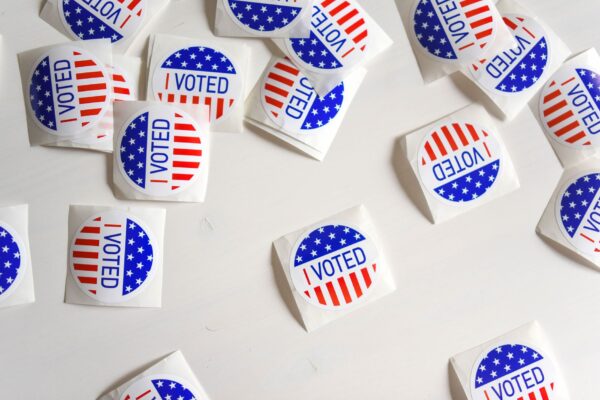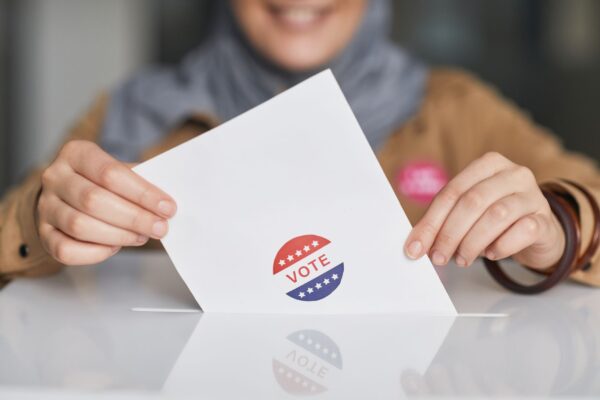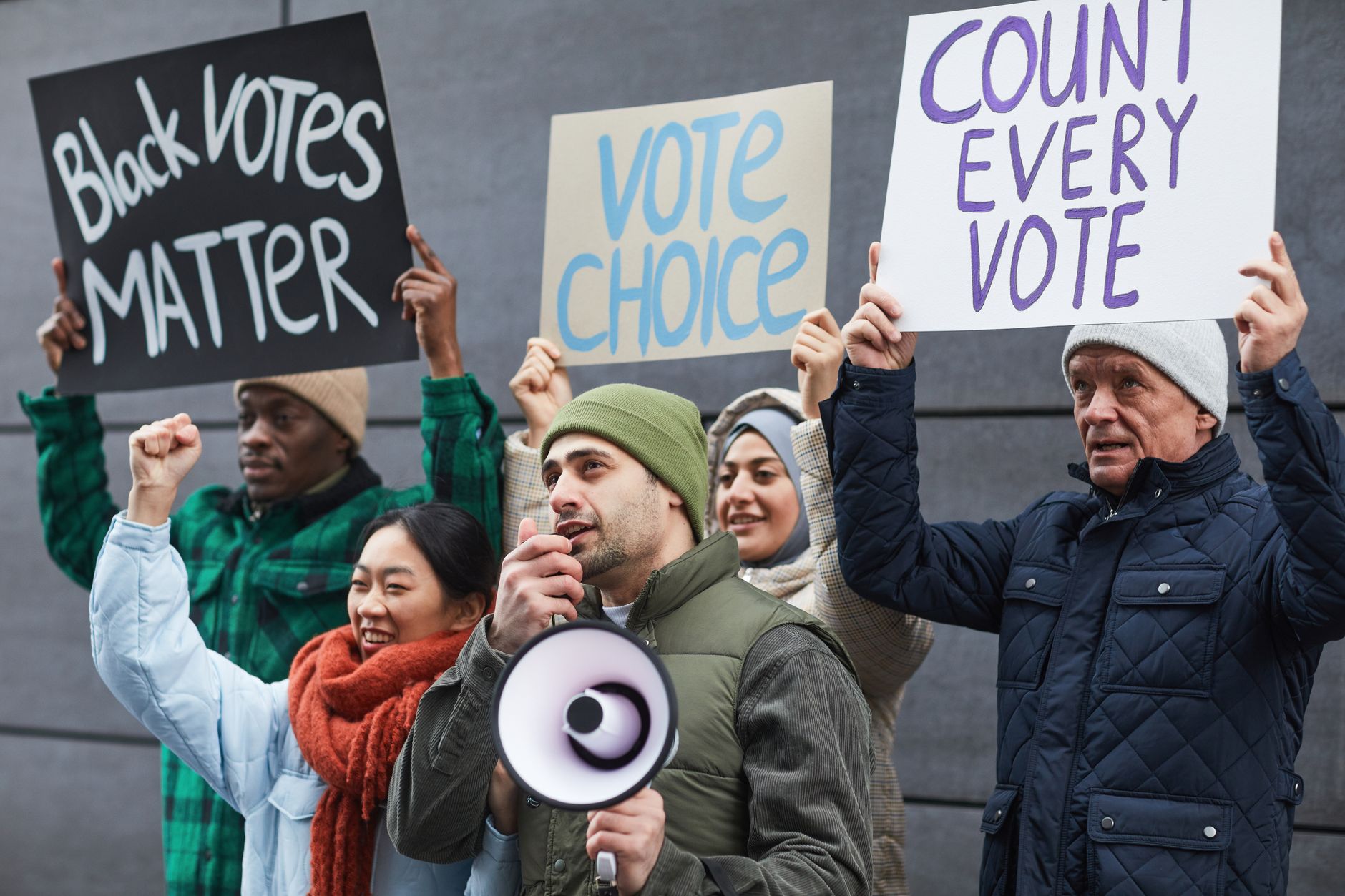
Hero image: Edmond Dantès / Pexels
Voting Myths Debunked: Investigating Election Misinformation
As election seasons intensify, inaccurate claims about ballot handling, voting machines, and administrative procedures frequently circulate across digital platforms. Analyzing these falsehoods through rigorous fact-checking is vital for maintaining public trust in democratic institutions.
The integrity of any democratic system depends heavily on accurate public understanding of how votes are cast, counted, and certified. Unfortunately, misinformation regarding the mechanics of elections often spreads rapidly, sowing confusion and eroding confidence in electoral outcomes. When false narratives about voting procedures gain traction, they can disenfranchise eligible voters and create unwarranted skepticism toward election workers. Examining these claims with a commitment to evidence-based analysis allows us to separate administrative reality from fabricated rumors, providing citizens with the clear facts necessary to navigate election season confidently.
Context and Background on Election Misinformation
Election misinformation is not a novel phenomenon, but the speed and scale atoggling digital networks have amplified its reach significantly in recent years. Historical precedents show that rumors regarding ballot tampering and voter eligibility have existed for generations, often resurfacing during periods of political polarization. However, contemporary information ecosystems allow unverified assertions to travel across geographic boundaries in a matter of seconds, reaching vast audiences before election officials have an opportunity to issue corrections.
Understanding the architecture of election misinformation requires looking at how rumors intersect with complex legal and administrative frameworks. Election laws vary by jurisdiction, creating a fragmented landscape where procedures that are entirely legal in one county may be prohibited in another. Bad actors frequently exploit these legitimate administrative differences, reframing standard local practices as evidence of widespread systemic failure or malfeasance. By examining the origins and propagation mechanics of these narratives, fact-checkers can trace how administrative complexity is weaponized against the voting public.
Examining the Specific Voting Claims
False Claims Regarding Mail-In Ballots
A persistent category of election myth focuses on absentee and mail-in voting procedures. Misinformation campaigns frequently allege that mail-in ballots are systematically altered, lost, or counted in secret without bipartisan oversight. LkldNow reported on various recurring misconceptions that target the security of mail-in voting, demonstrating how standard signature verification processes and tracking systems are often mischaracterized as vulnerabilities rather than protective safeguards.
Allegations Concerning Tabulation Equipment
Another major vector of misinformation involves electronic voting machines and tabulation devices. These claims often suggest that hardware or software can covertly switch votes from one candidate to another or artificially inflate totals. LkldNow detailed how election offices implement rigorous pre-election testing, known as logic and accuracy tests, alongside strict chain-of-custody protocols to ensure that equipment functions precisely as intended and remains secure from unauthorized physical or digital access.
What the Evidence Actually Shows
When claims about election irregularities are subjected to rigorous empirical review, the actual evidence paints a vastly different picture from online rumors. Local election offices operate under strict statutory guidelines that mandate transparency, bipartisan observation, and comprehensive auditing. As highlighted by LkldNow, mechanisms such as post-election audits and paper trails provide a verifiable physical record that allows election officials to cross-check electronic totals against hand-counted samples, ensuring high levels of accuracy.
Furthermore, the administrative safeguards built into voter registration databases and poll-book check-ins make large-scale voter impersonation or double-voting statistically improbable. Multiple layers of verification occur before a vote is ever recorded, including identity confirmation, eligibility checks against vital statistics databases, and secure transport methods for completed ballots. The evidence consistently demonstrates that systemic fraud is exceedingly rare, and that the safeguards designed to prevent it function effectively across jurisdictions.
| Claim Category | Common Misinformation Narrative | Empirical Evidence & Reality |
|---|---|---|
| Mail-In Ballots | Ballots are unmonitored and vulnerable to mass manipulation. | Strict tracking, signature verification, and bipartisan oversight govern every step. |
| Tabulation Machines | Voting machines secretly alter or delete individual votes. | Logic and accuracy tests, paper trails, and post-election audits verify correct counting. |
| Voter Rolls | Deceased or relocated individuals routinely cast votes. | Databases are regularly updated using state and federal vital records. |
| Poll Workers | Election workers operate without supervision or accountability. | Bipartisan teams work side-by-side with public observers present throughout the process. |
How Misinformation Spreads Across Platforms
The dissemination of voting myths relies heavily on algorithmic amplification and emotional resonance. Social media platforms reward engagement, meaning that sensational, fear-inducing claims about stolen elections or rigged machines often receive significantly more visibility than dry, factual clarifications from election administrators. This dynamic creates an environment where falsehoods can outpace corrective information, leaving many citizens uncertain about whom to trust.
Beyond algorithmic factors, misinformation spreads through coordinated networks and trusted interpersonal channels. When a false claim is shared by an influential figure or a peer within a closed community, recipients are less likely to apply critical scrutiny. LkldNow noted that these rumors frequently exploit existing public anxieties regarding government efficiency and institutional transparency, making audiences more susceptible to accepting unverified narratives that confirm pre-existing suspicions.
Red Flags for Identifying Voting Myths
Recognizing the warning signs of election misinformation is an essential skill for media literacy. Propaganda and false claims often share distinct structural characteristics designed to provoke immediate emotional reactions rather than thoughtful analysis. Being aware of these indicators helps individuals pause before sharing unverified content.
- Vague sourcing that relies on anonymous whistleblowers or unverified hearsay instead of official documents.
- Absence of specific dates, locations, or jurisdictional details, making the claim impossible to fact-check.
- Urgent calls to action demanding immediate sharing before content is allegedly removed or censored.
- Emotional, highly partisan language designed to induce outrage or fear about election integrity.
- Misuse or heavy cropping of authentic videos and documents to strip away crucial context.
Institutional Responses and Fact-Checking
Combating election misinformation requires a coordinated, multi-layered response from election administrators, independent journalists, and civil society organizations. Local election offices have increasingly adopted proactive communication strategies, launching public awareness campaigns and dedicated rumor-control websites to address false claims swiftly and transparently. LkldNow emphasized the importance of these official channels in providing timely, evidence-based corrections directly from the source.
Independent fact-checking organizations play a crucial role by investigating viral claims, consulting election law experts, and reviewing primary source documents such as statutory guidelines and audit reports. When institutions present clear, verifiable data, they help insulate the democratic process against coordinated deception. However, building long-term resilience also requires empowering everyday citizens with the tools to evaluate information independently.
Actionable Steps for Verifying Election Information
Voters can take concrete steps to ensure they are relying on accurate information when evaluating claims about elections. By adopting a systematic verification routine, individuals can protect themselves and their communities from being misled by viral falsehoods.
- Consult official election websites maintained by your county or state government for verified administrative procedures.
- Cross-reference viral claims with reports from established, non-partisan news organizations and recognized fact-checking groups.
- Avoid sharing sensational posts immediately; take time to investigate the original source of the information.
- Look for primary evidence, such as actual statutory language or official audit results, rather than relying on social media commentary.
- Report known misinformation to platform moderators to help curb the automated spread of false narratives.
Frequently Asked Questions
What is election misinformation?
Election misinformation refers to false or misleading information regarding voting procedures, ballot handling, tabulation, or election results, regardless of whether it was spread intentionally to deceive.
How can I verify if a voting rumor on social media is true?
You can verify voting rumors by checking official state or county election websites, consulting reputable independent news outlets, and reviewing fact-checking resources that rely on primary source documents.
Are electronic voting machines connected to the internet?
No, certified electronic voting machines and tabulation systems are legally and physically isolated from the internet to prevent external remote access or cyber tampering.
What role do bipartisan poll workers play in ensuring election security?
Bipartisan poll workers and election monitors ensure that all procedures—from check-in to ballot processing—are conducted openly and fairly, with representatives from multiple political perspectives present to oversee operations.
Where can I find accurate updates about my local voting location and rules?
Accurate and up-to-date information regarding polling places, registration deadlines, and mail-in ballot rules is best sourced directly from your local supervisor of elections or state election division website.