
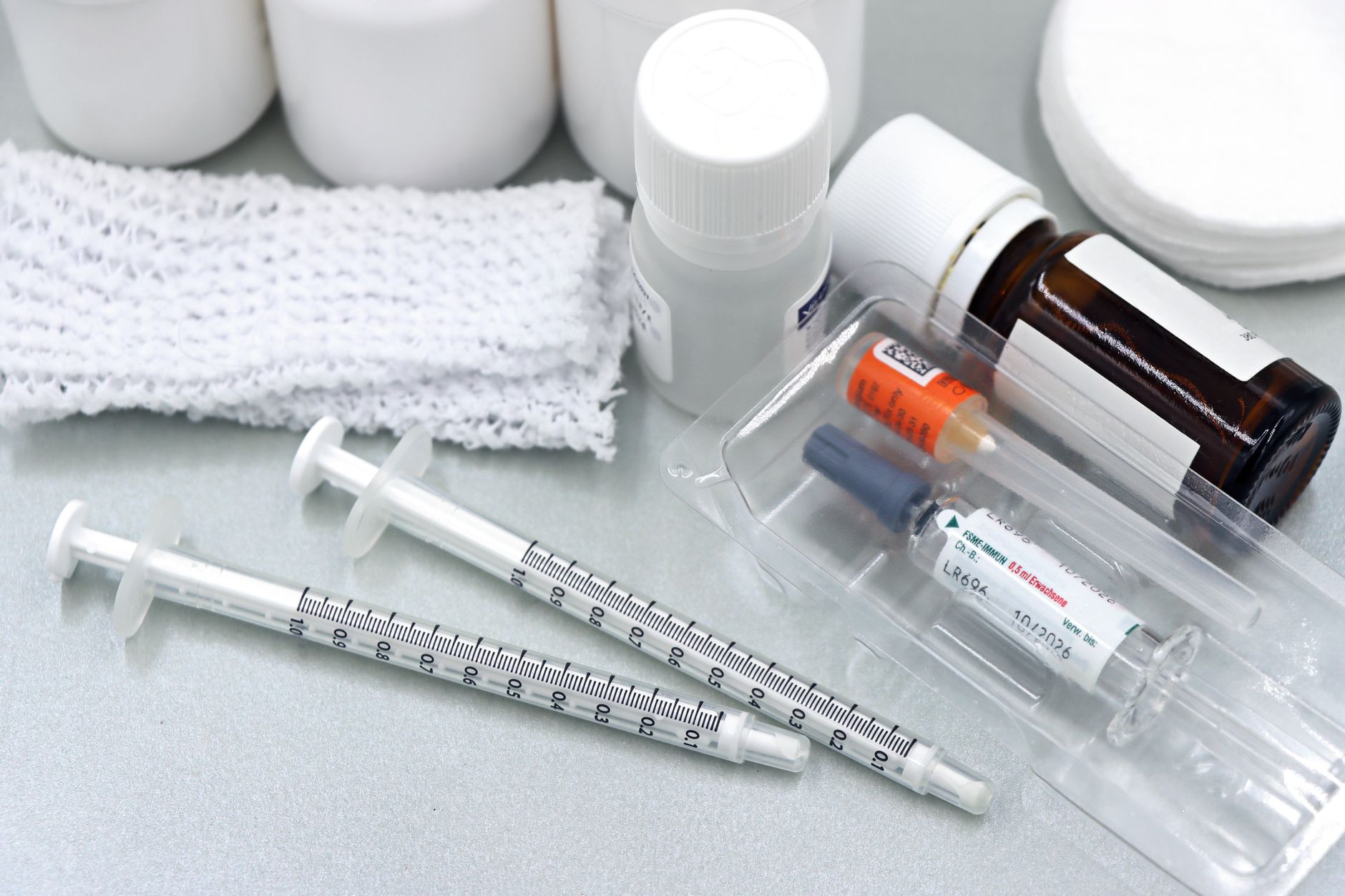
Hero image: Marta Branco / Pexels
Lilly sues 6 firms over retatrutide knockoffs in court
Eli Lilly has filed lawsuits against six companies for allegedly selling counterfeit versions of retatrutide, a next-generation GLP-1/GIP/glucagon triple agonist in late-stage trials for obesity and diabetes. The complaints allege the defendants manufactured and distributed unapproved, misbranded, and adulterated products purporting to be the investigational drug.
Eli Lilly’s decision to take six companies to court over alleged retatrutide knockoffs marks a sharp escalation in the pharmaceutical industry’s fight against counterfeit GLP-1 drugs. While the company has not disclosed the identities of the defendants, the legal filings describe a coordinated effort to exploit demand for a highly anticipated obesity and diabetes treatment. This investigation synthesizes the available reporting to assess what is known about retatrutide, the scope of the alleged counterfeiting operation, the mechanisms by which fake versions enter the market, and the broader implications for drug safety and regulatory oversight in the rapidly expanding GLP-1 category.
Retatrutide: What the drug is and why it’s a target for counterfeiters
Retatrutide is an investigational, once-weekly injectable peptide developed by Eli Lilly for the treatment of obesity and type 2 diabetes. It functions as a triple agonist targeting the GLP-1, GIP, and glucagon receptors, a mechanism designed to deliver enhanced weight loss and glycemic control compared to dual agonists like tirzepatide (Mounjaro/Zepbound). According to Lilly’s public disclosures, retatrutide has demonstrated significant efficacy in clinical trials, with participants achieving substantial reductions in body weight and improvements in metabolic markers.
While retatrutide remains investigational and has not received regulatory approval, its profile—combined with the explosive demand for GLP-1 medications—has made it a prime target for counterfeiters. The drug’s anticipated blockbuster status, coupled with ongoing shortages and high list prices for approved GLP-1 therapies, creates incentives for illicit manufacturers to produce and distribute counterfeit versions purporting to be retatrutide. This pattern mirrors earlier waves of counterfeiting seen with semaglutide and tirzepatide, where unregulated online pharmacies and social media marketplaces became primary channels for fake products.
The clinical promise and market context
Retatrutide’s development timeline and early data have been closely watched by investors and patients alike. Early-phase trials showed dose-dependent weight loss exceeding 20% in some participants, positioning it as a potential leader in the next generation of obesity therapeutics. As GLP-1 drugs have reshaped the treatment landscape for diabetes and obesity, demand has consistently outstripped supply, leading to recurring shortages and price surges. This supply-demand imbalance has historically created openings for counterfeiters to introduce adulterated or misbranded products into the market.
Fierce Pharma reports that retatrutide is currently in Phase 3 trials, with regulatory submissions anticipated in the coming years. The drug’s classification as an investigational new drug (IND) means that any product claiming to be retatrutide and sold outside of a clinical trial or approved distribution channel is, by definition, unapproved and potentially unsafe. This regulatory status amplifies the risk posed by counterfeit versions, which may contain incorrect ingredients, incorrect doses, or no active pharmaceutical ingredient at all.
Lilly’s legal action: Who was sued and what the complaints allege
Eli Lilly has filed lawsuits in U.S. federal court against six unnamed companies, alleging they manufactured, imported, distributed, marketed, and sold counterfeit versions of retatrutide. The complaints, filed in multiple jurisdictions, assert violations of the Federal Food, Drug, and Cosmetic Act (FDCA), trademark infringement, and unfair competition under the Lanham Act. According to Fierce Pharma, the lawsuits seek injunctive relief, damages, and the seizure of counterfeit products.
The legal complaints allege that the defendants produced and sold products labeled as “retatrutide” that were not manufactured, tested, or approved by Lilly. These products are described as unapproved drugs, misbranded, and adulterated, posing potential health risks to consumers who may unknowingly use them. The filings emphasize that the defendants’ actions undermine Lilly’s intellectual property, harm patient safety, and disrupt legitimate clinical research and supply chains.
Scope and intent of the lawsuits
While the identities of the defendants remain undisclosed in public filings, the legal strategy suggests a coordinated effort to target multiple actors across the counterfeit supply chain. Fierce Pharma notes that the lawsuits were filed in several jurisdictions, indicating a deliberate attempt to disrupt distribution networks spanning multiple states. The complaints likely rely on evidence gathered through online monitoring, test purchases, and possibly undercover investigations.
The timing of the lawsuits—amid ongoing clinical trials and rising public anticipation—suggests Lilly is acting preemptively to protect both its commercial interests and patient safety. By pursuing legal action before retatrutide receives approval, the company is signaling that it will vigorously defend its investigational product against counterfeiting, a strategy consistent with its response to earlier threats to its GLP-1 portfolio.
How counterfeit retatrutide enters the market: distribution and sales channels
Counterfeit GLP-1 drugs, including those purporting to be retatrutide, typically enter the market through unregulated online pharmacies, social media platforms, and peer-to-peer messaging apps. These channels allow counterfeiters to bypass traditional supply chain controls and reach consumers directly. Fierce Pharma reports that the defendants in Lilly’s lawsuits are alleged to have used websites, social media profiles, and encrypted messaging services to advertise and sell counterfeit retatrutide.
The distribution model often involves drop-shipping from overseas manufacturers, with payments processed through cryptocurrency or payment processors that are difficult to trace. Consumers are frequently directed to websites that mimic legitimate pharmaceutical sites or clinical trial portals, using professional-looking branding and false claims of FDA approval or clinical trial participation. Once an order is placed, the counterfeit product is shipped directly to the consumer, often from jurisdictions with lax regulatory oversight.
Common red flags in online distribution
Several patterns emerge in the distribution of counterfeit GLP-1 drugs. These include:
- Websites offering “retatrutide” for sale without requiring a prescription
- Prices significantly below market value for investigational drugs
- Claims of “FDA-approved” or “clinical trial access” without verifiable documentation
- Use of generic email addresses (e.g., Gmail, Yahoo) for contact and customer service
- Payment via cryptocurrency, wire transfer, or gift cards
- Lack of verifiable physical address or licensed pharmacy credentials
These tactics are consistent with those used in previous waves of counterfeit semaglutide and tirzepatide, where online marketplaces became primary vectors for illicit sales. The anonymity and global reach of digital platforms make them particularly attractive to counterfeiters seeking to exploit high-demand medications.
Comparing Lilly’s claims with known patterns in GLP-1 drug counterfeiting
Lilly’s allegations—that six companies sold counterfeit retatrutide through online channels—align closely with documented patterns in GLP-1 counterfeiting. Historically, counterfeiters have targeted high-demand GLP-1 drugs such as semaglutide (Ozempic, Wegovy) and tirzepatide (Mounjaro, Zepbound) by creating lookalike products, reusing vials, or diluting formulations. The use of online pharmacies and social media to distribute these products has been a recurring theme in regulatory warnings and investigative reporting.
Fierce Pharma’s reporting emphasizes that the defendants in the retatrutide case allegedly engaged in similar tactics: marketing unapproved products as if they were authentic, using digital platforms to reach consumers, and exploiting the investigational status of the drug to avoid regulatory scrutiny. This mirrors earlier cases where counterfeiters capitalized on the gap between clinical promise and regulatory approval to introduce unsafe products into the market.
Evolution of counterfeiting tactics
Over the past two years, counterfeiters have refined their methods in response to increased law enforcement and regulatory scrutiny. Early counterfeit semaglutide products were often crude imitations, with visible differences in labeling and packaging. More recent operations have become more sophisticated, using professional graphics, cloned websites, and even fake patient support programs to enhance credibility. The retatrutide case suggests that counterfeiters are now targeting next-generation GLP-1 drugs before they reach the market, a shift that reflects both the growing sophistication of illicit manufacturers and the expanding pipeline of high-demand therapeutics.
Taken together, these reports suggest that the retatrutide counterfeiting operation represents not an isolated incident, but part of a broader, adaptive ecosystem of pharmaceutical fraud. The use of multiple defendants across jurisdictions, digital-first distribution, and misrepresentation of regulatory status are hallmarks of a coordinated, profit-driven counterfeiting network—one that Lilly is attempting to dismantle through litigation.
The health risks of fake retatrutide: contamination, dosing errors, and lack of efficacy
Counterfeit retatrutide poses significant health risks due to the absence of quality control, inconsistent dosing, and potential contamination. Fierce Pharma reports that the products seized or referenced in the lawsuits are alleged to be unapproved, misbranded, and adulterated, meaning they may contain incorrect ingredients, incorrect concentrations, or harmful substances. These risks are compounded by the fact that retatrutide is a peptide-based drug requiring precise formulation and sterile handling.
Patients who use counterfeit retatrutide may experience treatment failure due to the absence of the active ingredient, or worse, adverse reactions from contaminants such as endotoxins, heavy metals, or bacterial growth. Dosing errors are also likely, as counterfeit products may contain incorrect amounts of the active compound or no active compound at all. These risks are particularly acute for individuals with diabetes or obesity, who may rely on consistent medication to manage chronic conditions.
Long-term consequences of counterfeit GLP-1 use
The use of counterfeit GLP-1 drugs has been linked in prior cases to serious health outcomes, including severe hypoglycemia, gastrointestinal perforation, and allergic reactions. Because counterfeit products are not subject to clinical testing or pharmacovigilance, adverse events may go unreported or be attributed to the legitimate drug, delaying corrective action. Additionally, patients who experience treatment failure due to counterfeit products may lose confidence in legitimate therapies, undermining public health efforts to combat obesity and diabetes.
The lack of transparency in the counterfeit supply chain further complicates risk assessment. Consumers who purchase counterfeit retatrutide online often have no way to verify the origin, storage conditions, or handling of the product, increasing the likelihood of degradation or contamination. These risks underscore the importance of regulatory oversight and consumer education in preventing harm from counterfeit medications.
Regulatory response: What agencies are saying and doing about the counterfeit market
While Fierce Pharma’s reporting focuses primarily on Lilly’s legal action, the broader regulatory response to counterfeit GLP-1 drugs has involved multiple agencies, including the U.S. Food and Drug Administration (FDA), the Drug Enforcement Administration (DEA), and international customs authorities. The FDA has issued repeated warnings about counterfeit GLP-1 products, emphasizing that only approved medications obtained through licensed pharmacies are safe and effective.
The FDA’s warnings typically highlight the risks of purchasing prescription medications from unregulated online sources and provide guidance on identifying legitimate pharmacies. In some cases, the agency has worked with customs and law enforcement to seize counterfeit shipments, particularly those entering the U.S. from overseas manufacturers. However, the global nature of the counterfeit market and the use of encrypted platforms make enforcement challenging.
International coordination and emerging threats
Counterfeit GLP-1 drugs are often manufactured in jurisdictions with lax regulatory oversight and smuggled into target markets, including the U.S., Canada, and Europe. International agencies such as INTERPOL and the World Health Organization (WHO) have issued alerts about the proliferation of counterfeit GLP-1 products, noting that the problem extends beyond obesity and diabetes drugs to include other high-demand therapeutics. The WHO’s rapid alert system has documented multiple instances of counterfeit semaglutide and tirzepatide in recent years, with some products containing insulin or other unrelated substances.
While regulatory agencies have increased their scrutiny of online pharmacies and social media platforms, the pace of technological change and the anonymity of digital marketplaces pose ongoing challenges. The retatrutide case underscores the need for proactive measures, including enhanced monitoring of online channels, collaboration with payment processors to disrupt illicit transactions, and public education campaigns to warn consumers about the risks of counterfeit medications.
Red flags for consumers: How to identify counterfeit retatrutide
Consumers seeking access to investigational or approved GLP-1 medications should be vigilant about potential counterfeits. The following red flags may indicate a product is counterfeit:
- No prescription required: Legitimate prescription medications, including those in clinical trials, cannot be sold without a prescription.
- Unrealistic pricing: Prices significantly below market value for high-demand drugs are a common indicator of counterfeit products.
- Lack of verifiable contact information: Legitimate pharmacies and clinical trial sites provide verifiable addresses, phone numbers, and licensed credentials.
- Poor-quality labeling or packaging: Misspellings, inconsistent fonts, or lack of tamper-evident seals may indicate a counterfeit.
- Unusual payment methods: Requests for payment via cryptocurrency, wire transfer, or gift cards are strong indicators of fraudulent transactions.
- Claims of FDA approval or clinical trial access without documentation: Investigational drugs are not FDA-approved, and legitimate clinical trials have strict enrollment criteria.
- Websites with no physical address or pharmacy license: Reputable pharmacies and clinical sites provide verifiable licensing information.
- Social media or messaging app solicitations: Unsolicited offers for prescription medications via direct message or social media are often scams.
Consumers who encounter these red flags should report the suspected counterfeit product to the FDA’s Office of Criminal Investigations or their state board of pharmacy. Additionally, they should consult a licensed healthcare provider before using any medication obtained from an unregulated source.
Why GLP-1 drugs are becoming a hotspot for pharmaceutical fraud
The surge in counterfeiting targeting GLP-1 drugs is driven by a convergence of market forces: unprecedented demand, supply constraints, high prices, and the rapid evolution of digital commerce. As GLP-1 medications have transformed the treatment of obesity and diabetes, they have also become status symbols, status-adjacent lifestyle products, and targets for profit-driven fraud. The investigational status of drugs like retatrutide further exacerbates the risk, as counterfeiters exploit the gap between clinical promise and regulatory reality to introduce unsafe products into the market.
Fierce Pharma’s reporting on the retatrutide lawsuit highlights how counterfeiters are adapting to the GLP-1 ecosystem, targeting not only approved drugs but also investigational compounds with high commercial potential. This shift reflects a broader trend in pharmaceutical counterfeiting, where illicit manufacturers prioritize high-margin, high-demand products regardless of their regulatory status. The result is a parallel market for GLP-1 drugs that operates outside the bounds of safety, efficacy, and oversight.
The role of social media and influencer culture
The rise of social media influencers and online communities focused on weight loss and diabetes management has created fertile ground for counterfeiters. Platforms such as TikTok, Instagram, and Facebook have been used to promote counterfeit GLP-1 drugs, often through testimonials and before-and-after images that mimic legitimate patient experiences. These promotions frequently omit critical context, such as the risks of counterfeit products or the importance of clinical oversight. The viral nature of social media amplifies the reach of these illicit campaigns, making it difficult for regulators and platforms to curb the spread of misinformation and fraud.
Additionally, the use of direct-to-consumer marketing for prescription medications—particularly in the U.S.—has normalized the idea of obtaining medications without traditional physician oversight. While this model has benefits for patient access, it also creates opportunities for counterfeiters to exploit gaps in the supply chain and regulatory framework.
What this lawsuit signals for the future of obesity and diabetes drug safety
Eli Lilly’s decision to file lawsuits against six companies for selling counterfeit retatrutide signals a new phase in the pharmaceutical industry’s fight against counterfeiting. By pursuing legal action before the drug receives approval, Lilly is taking a preemptive stance, aiming to disrupt counterfeit supply chains and deter future infringement. This strategy reflects a broader industry trend: as GLP-1 drugs continue to dominate the obesity and diabetes markets, manufacturers are increasingly willing to invest in litigation and enforcement to protect their intellectual property and patient safety.
The lawsuit also highlights the limitations of regulatory and law enforcement responses to counterfeiting. While agencies like the FDA have issued warnings and conducted seizures, the global and digital nature of the counterfeit market requires a more coordinated, multi-stakeholder approach. The retatrutide case may serve as a model for future actions, with pharmaceutical companies leveraging civil litigation to complement regulatory enforcement and disrupt illicit networks.
Long-term implications for drug safety and public health
If successful, Lilly’s legal strategy could deter counterfeiters from targeting investigational drugs and reduce the proliferation of unsafe products in the GLP-1 ecosystem. However, the broader challenge of pharmaceutical counterfeiting will persist as long as demand outstrips supply and digital platforms remain unregulated. The retatrutide lawsuit underscores the need for sustained investment in supply chain security, consumer education, and international cooperation to address the root causes of counterfeiting.
For patients and healthcare providers, the case serves as a reminder of the risks associated with unregulated medications and the importance of obtaining prescription drugs through licensed channels. As the GLP-1 market continues to evolve, the fight against counterfeiting will require collaboration across industry, government, and civil society to ensure that patients receive safe, effective, and legitimate treatments.
Red Flags Checklist: How to spot counterfeit retatrutide
- No prescription required: Legitimate prescription medications cannot be sold without a prescription.
- Prices that seem too good to be true: Counterfeiters often undercut market prices to attract buyers.
- Websites with no verifiable physical address or pharmacy license: Check state board of pharmacy databases for licensed pharmacies.
- Poor-quality labeling or packaging: Look for misspellings, blurry text, or inconsistent fonts.
- Unusual payment methods: Avoid sellers requesting payment via cryptocurrency, wire transfer, or gift cards.
- Claims of FDA approval or “clinical trial access” without documentation: Investigational drugs are not FDA-approved; legitimate trials have strict enrollment criteria.
- Social media or messaging app solicitations: Unsolicited offers for prescription medications are often scams.
- Lack of patient support or legitimate contact information: Reputable providers offer verifiable customer service and support.
- Products shipped from overseas with no customs documentation: Legitimate medications are typically dispensed by licensed U.S. pharmacies.
- No lot numbers, expiration dates, or manufacturer information: Authentic medications include detailed labeling and packaging.
Frequently Asked Questions
Is retatrutide FDA-approved?
No. Retatrutide is an investigational drug currently in Phase 3 clinical trials and has not received FDA approval. Any product claiming to be retatrutide and sold outside of a clinical trial or approved distribution channel is unapproved and potentially unsafe.
How can I tell if a retatrutide product is counterfeit?
Red flags include lack of prescription requirement, unrealistic pricing, poor-quality labeling, unusual payment methods (e.g., cryptocurrency), and websites with no verifiable contact information or pharmacy license. Consumers should only obtain prescription medications from licensed pharmacies.
What should I do if I suspect I’ve purchased counterfeit retatrutide?
Stop using the product immediately and consult a healthcare provider. Report the suspected counterfeit to the FDA’s Office of Criminal Investigations or your state board of pharmacy. Do not return the product to the seller.
Why are GLP-1 drugs targeted by counterfeiters?
GLP-1 drugs are in high demand due to their efficacy in treating obesity and diabetes, supply constraints, and high prices. Counterfeiters exploit these factors by selling unapproved, misbranded, or adulterated products through unregulated online channels.
What is Lilly doing to prevent counterfeit retatrutide from reaching patients?
Lilly has filed lawsuits against six companies alleged to be selling counterfeit retatrutide, seeking injunctions, damages, and the seizure of counterfeit products. The company is also monitoring online channels and collaborating with law enforcement and regulatory agencies to disrupt counterfeit supply chains.