
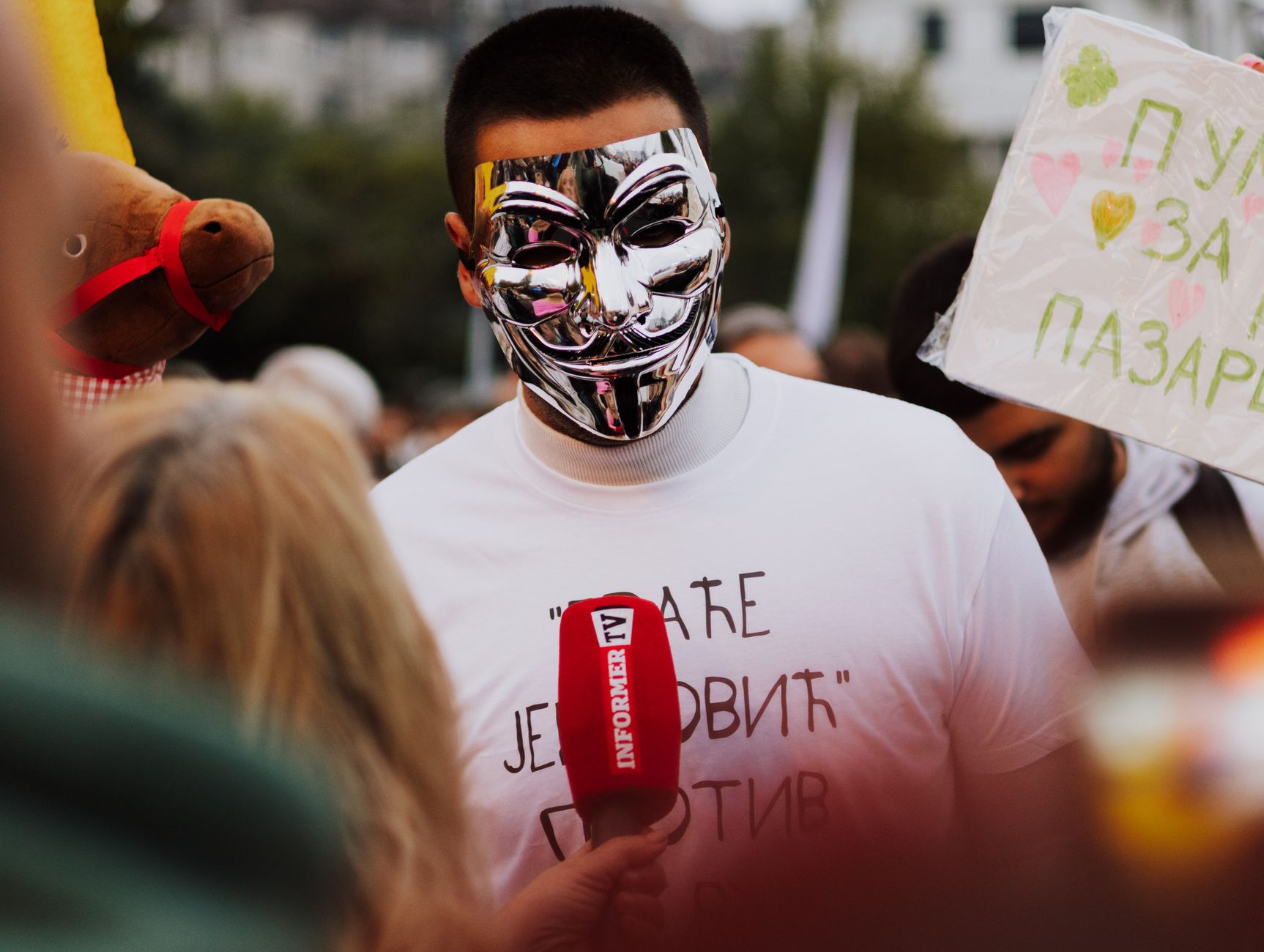
This week underscored the escalating sophistication of disinformation campaigns, with generative AI emerging as a potent tool for narrative manipulation across geopolitical fault lines. From India to Ukraine, state-aligned actors and anonymous operatives are leveraging synthetic content to erode trust in institutions, amplify social divisions, and destabilize public discourse. The weaponization of AI—whether through deepfake personas or algorithmically amplified forgeries—demands urgent scrutiny of detection frameworks and platform accountability.
Meanwhile, censorship regimes continue to tighten their grip, reframing criticism of state overreach as a threat to public safety. Russia’s prosecution of editors for quoting officials and Mexico’s contested media guidelines reveal how authoritarian playbooks adapt to local contexts, often under the guise of regulatory reform. The intersection of propaganda, real-world violence, and legal repression this week highlights the fragility of information ecosystems in an era of algorithmic amplification and state-sanctioned narrative control.
This Week’s Six Featured Articles
AI-Generated Disinformation Surges in India’s Protest Ecosystem
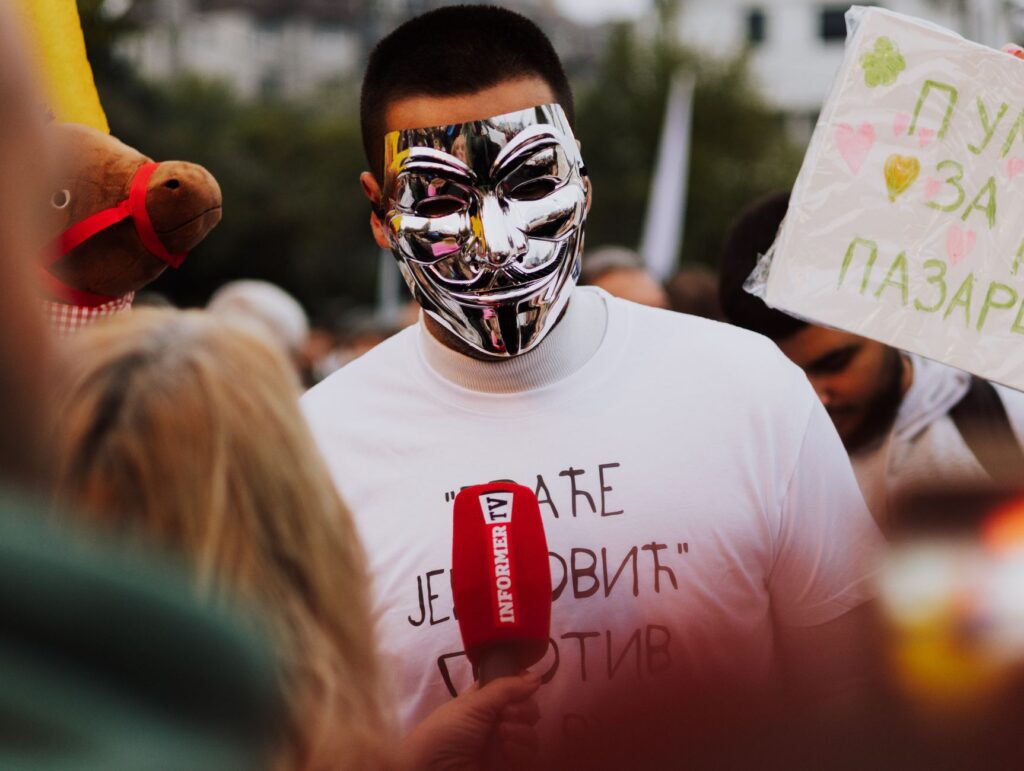
Maharashtra Cyber’s investigation exposes over 500 social media accounts deploying AI-generated content to distort narratives around protests linked to the Citizens for Justice and Peace (CJP). The operation, targeting domestic unrest, raises critical questions about the scalability of synthetic propaganda and the adequacy of existing detection tools in India’s polarized digital landscape.
Ukraine’s Top Commander Targeted by Cross-Platform Disinformation Blitz
A multi-source probe reveals a coordinated campaign against General Oleksandr Drapatyi, blending AI-generated forgeries, impersonation, and algorithmic amplification to undermine military leadership. The operation’s sophistication—spanning forged documents and inauthentic networks—signals a new front in hybrid warfare, where narrative control is as critical as battlefield tactics.
Florida Synagogue Vandalism Traced to Online Propaganda Echo Chambers

Discrepancies in media reports link a Sarasota synagogue vandalism case to social media propaganda, illustrating how algorithmic radicalization can translate into real-world violence. The incident underscores the challenges of attributing motive in an environment where extremist content is systematically amplified and monetized.
Russia Criminalizes Quoting Officials in Censorship Crackdown

Two Russian editors were fined for publishing a state censor’s remarks about “anime and Spider-Man” notebooks, revealing a dangerous expansion of censorship laws. By prosecuting the act of quoting officials, the Kremlin is effectively criminalizing dissent under the pretext of public safety, further shrinking the space for independent journalism.
Far-Right Figure Admits Kremlin Propaganda Shaped Ukraine War Views

Laura Loomer’s public acknowledgment of Russian disinformation’s influence on her Ukraine war stance marks a rare moment of transparency from a U.S. political operative. The admission, corroborated by independent reporting, exposes the reach of Kremlin-aligned narratives into Western far-right circles and their role in polarizing foreign policy debates.
Mexico’s Media Freedom Claims Clash with Censorship Allegations

President-elect Claudia Sheinbaum’s defense of new audience-rights guidelines as a media freedom milestone is undercut by persistent censorship accusations. The disconnect between official rhetoric and on-the-ground reporting highlights the complexities of regulatory reform in a landscape where state narratives often overshadow institutional accountability.
Key Takeaways
- Generative AI is being weaponized at scale to distort public discourse, with India and Ukraine emerging as key battlegrounds for synthetic disinformation campaigns.
- Censorship regimes are evolving, with Russia criminalizing the act of quoting officials and Mexico’s media reforms facing credibility gaps amid ongoing repression allegations.
- Real-world violence, from synagogue vandalism to military destabilization efforts, is increasingly linked to algorithmically amplified propaganda, complicating attribution and accountability.
- Far-right figures in the U.S. remain vulnerable to Kremlin-aligned disinformation, demonstrating the transnational reach of narrative manipulation in polarizing foreign policy debates.
Explore more from our Media, Propaganda & Narrative Control coverage.