
This week’s coverage of Media, Propaganda & Narrative Control underscores the accelerating sophistication of synthetic media and state‑backed disinformation campaigns. From deepfake videos targeting political leaders to AI‑driven misinformation strategies, adversaries are leveraging emerging technologies to shape public perception across continents.
National governments and investigative outlets are responding with strategic AI partnerships, forensic analyses, and diplomatic condemnations. The reports from India, Germany, the Philippines, and the United States illustrate a growing recognition that information warfare is a critical front in geopolitical competition.
Meanwhile, Russia’s continued exploitation of regional hubs like Kaliningrad and its manipulation of false narratives about foreign officials reveal a persistent effort to destabilize democratic institutions and sow mistrust worldwide.
This Week’s Six Featured Articles
Pakistani Deepfake Targets Indian Prime Minister

A fabricated video depicting Indian Prime Minister Narendra Modi making incendiary remarks was traced to Pakistani propaganda networks. Fact‑checking agencies and open‑source analysts confirmed the clip is an AI‑generated deepfake, highlighting the rapid deployment of synthetic media in South Asian political conflicts.
India Seeks AI Alliances to Counter Information Warfare

As generative AI tools become cheaper, India confronts a surge of AI‑driven disinformation aimed at elections and social cohesion. ORF Online warns that without strategic AI partnerships, India risks lagging in a global information arms race where adversaries exploit synthetic media to undermine democratic processes.
Germany Pushes Back Against Russian Disinformation
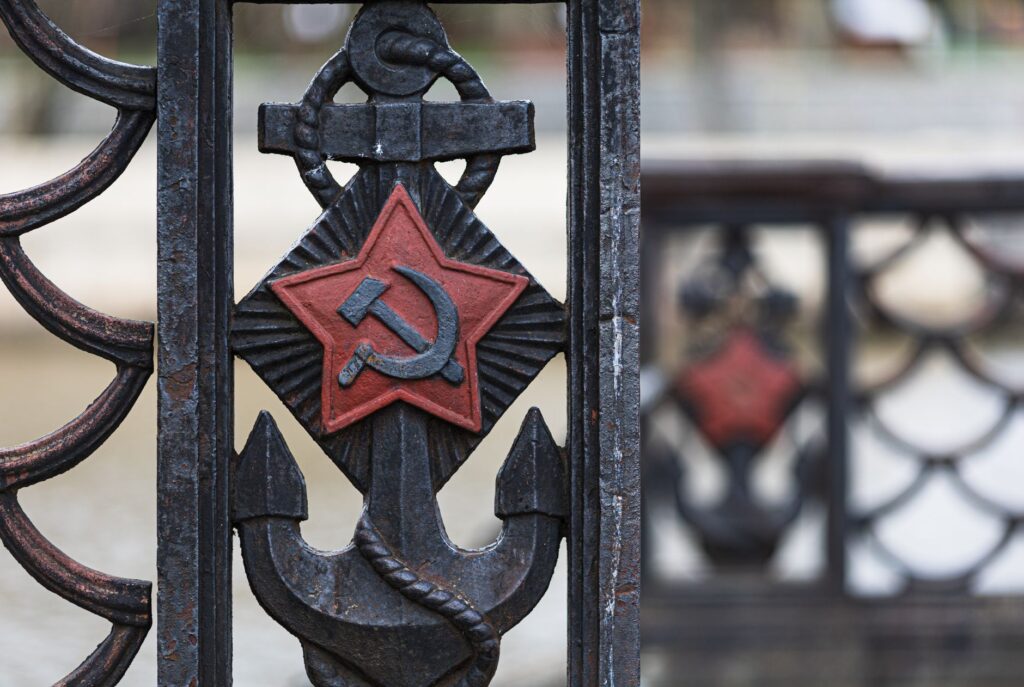
German authorities, supported by independent analysts, dismantled a coordinated Russian disinformation campaign targeting European unity. Forensic evidence from digital researchers corroborated Berlin’s rebuttals, exposing manipulated narratives designed to destabilize the continent.
Kaliningrad Unveiled as Kremlin Disinformation Center

New open‑source evidence shows the Russian exclave of Kaliningrad functioning as a laboratory for Kremlin propaganda. Local media and social networks amplify narratives about NATO aggression, economic collapse, and internal dissent, leveraging the region’s unique status to coordinate broader disinformation efforts.
Philippines Denounces Chinese Dehumanizing Propaganda

The Philippine government condemned a Chinese state‑media video that portrayed Filipinos as monkeys, a dehumanizing tactic that escalates tensions in the South China Sea. Observers warn such propaganda of this nature is used to justify territorial claims and suppress dissent.
Russia Amplifies False Report of Senator Graham’s Death

Russian state media circulated an unfounded claim that U.S. Senator Lindsey Graham had died, aiming to create political instability and erode trust in American institutions. Independent reporting mapped the claim’s spread and highlighted how the narrative converged with broader anti‑U.S. propaganda themes.
Key Takeaways
- Synthetic media, especially deepfakes, are increasingly weaponized to target political figures.
- Strategic AI partnerships are essential for nations to defend against sophisticated information warfare.
- Russian disinformation remains active across Europe, the United States, and regional hubs like Kaliningrad.
- Regional powers such as India and the Philippines face heightened external propaganda pressures.
- Open‑source and forensic analysis are critical tools for exposing and countering false narratives.
Explore more from our Media, Propaganda & Narrative Control coverage.