

This week’s coverage of Media, Propaganda & Narrative Control highlights a surge in state‑driven disinformation and the evolving tactics of non‑state actors. From the United States refuting Iranian claims to Estonia warning of heightened Russian information assaults, the landscape shows how quickly narratives can be weaponized across borders.
Extremist groups such as Patriot Front are adapting traditional propaganda, exploiting national symbols to amplify fear and normalize radical ideologies. Simultaneously, scholars warn that adversaries are employing unrestricted warfare, leveraging open societies’ media ecosystems to destabilize liberal democracies.
Amid these dynamics, Ukraine’s information campaign appears to be gaining traction, prompting concerns about coordinated messaging ahead of the 2026 U.S. election. The week underscores the challenges of rapid verification and the need for resilient information environments.
This Week’s Six Featured Articles
U.S. Central Command Refutes Iranian Disinformation Claims

U.S. Central Command publicly denied Iranian state‑linked allegations that three Americans were killed in Kuwait, labeling the story a deliberate disinformation effort. The brief highlighted Tehran’s strategy of using proxy narratives to inflame regional tensions and illustrated the difficulty of swift verification in today’s information ecosystem.
Patriot Front’s July 4 Masked March Reveals New Propaganda Playbook
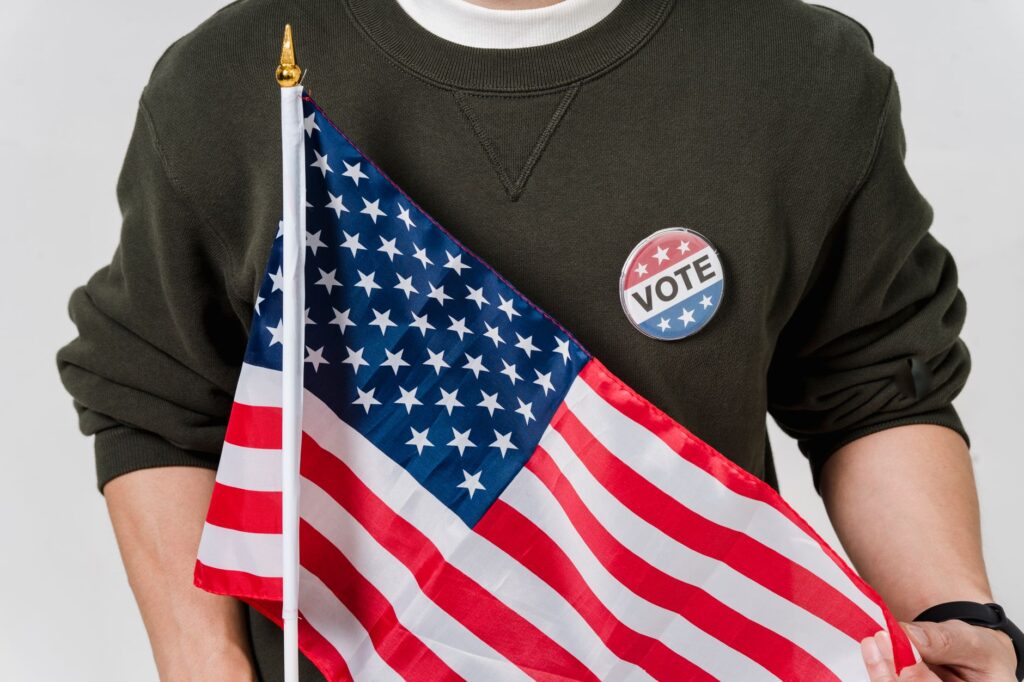
An investigative synthesis uncovered how Patriot Front’s masked march on Independence Day in Washington, D.C., exemplifies a broader extremist propaganda model. The group leveraged national symbols to amplify fear, normalize radicalization, and exploit public spaces for ideological gain.
Adversarial Actors Leverage Unrestricted Warfare Against Open Societies
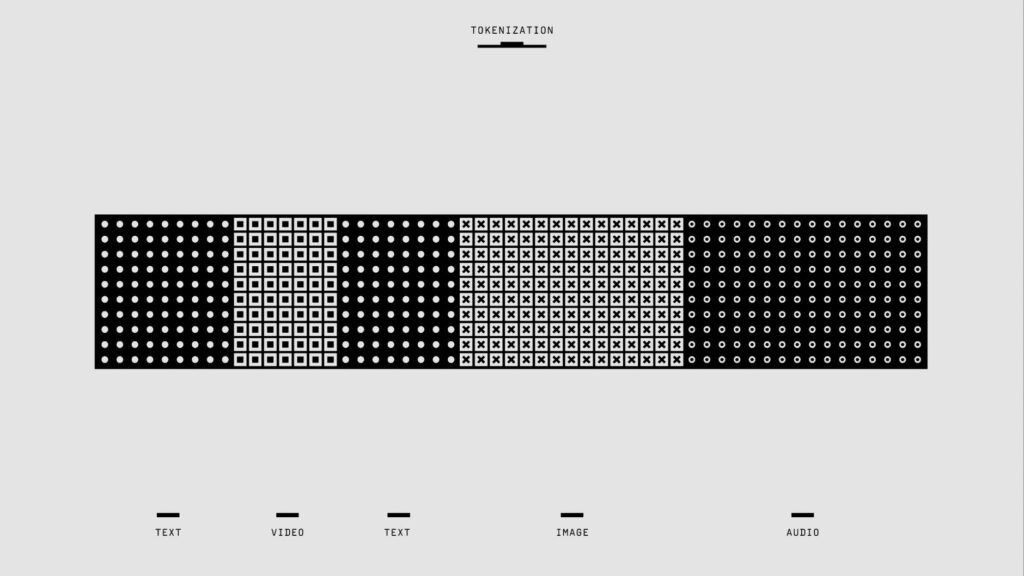
New research shows that hostile information operations now extend beyond traditional espionage, weaponizing social platforms, media ecosystems, and institutional trust. The report details how unrestricted warfare tactics exploit the openness of liberal democracies and proposes countermeasures.
Ukraine’s Narrative Surge Signals Strategic Information Victory
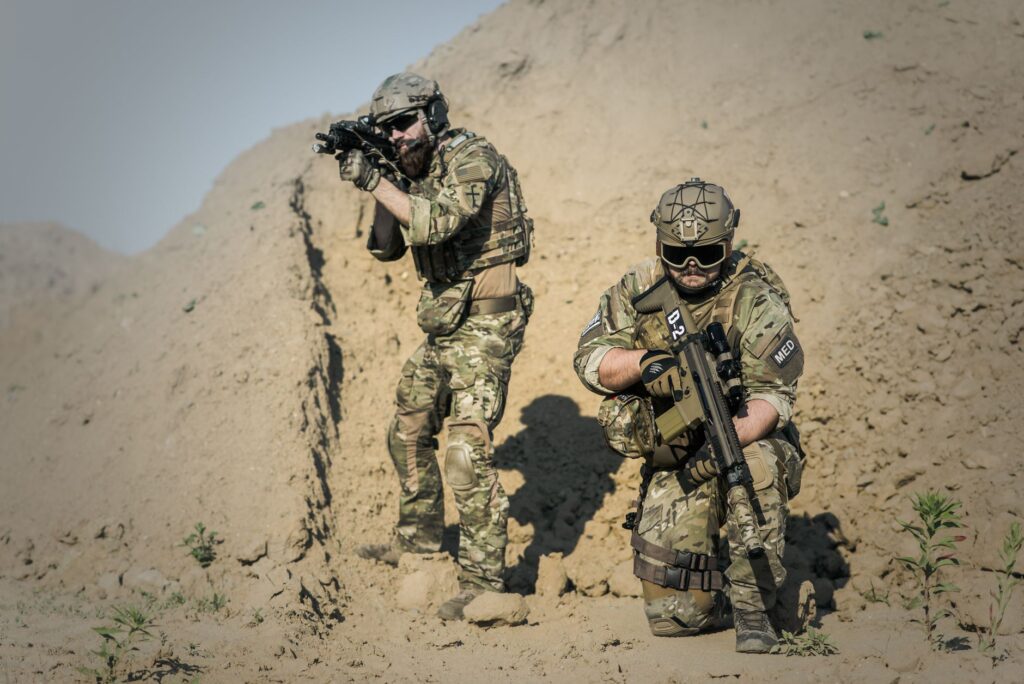
As the 2026 U.S. election approaches, analysts note a perceptible shift suggesting Ukraine is winning the information war. The Foundation for Defense of Democracies warns that coordinated messaging and social amplification may be shaping public opinion and policy deliberately.
Estonia Flags Escalating Russian Disinformation Post‑Ukraine Strikes

Estonian intelligence reports a marked escalation in Russian information warfare following recent Ukrainian strikes. Disinformation campaigns now target both domestic and international audiences to undermine support for Kyiv and destabilize regional security.
Divergent Reports Emerge After U.S. Airstrike on Iran
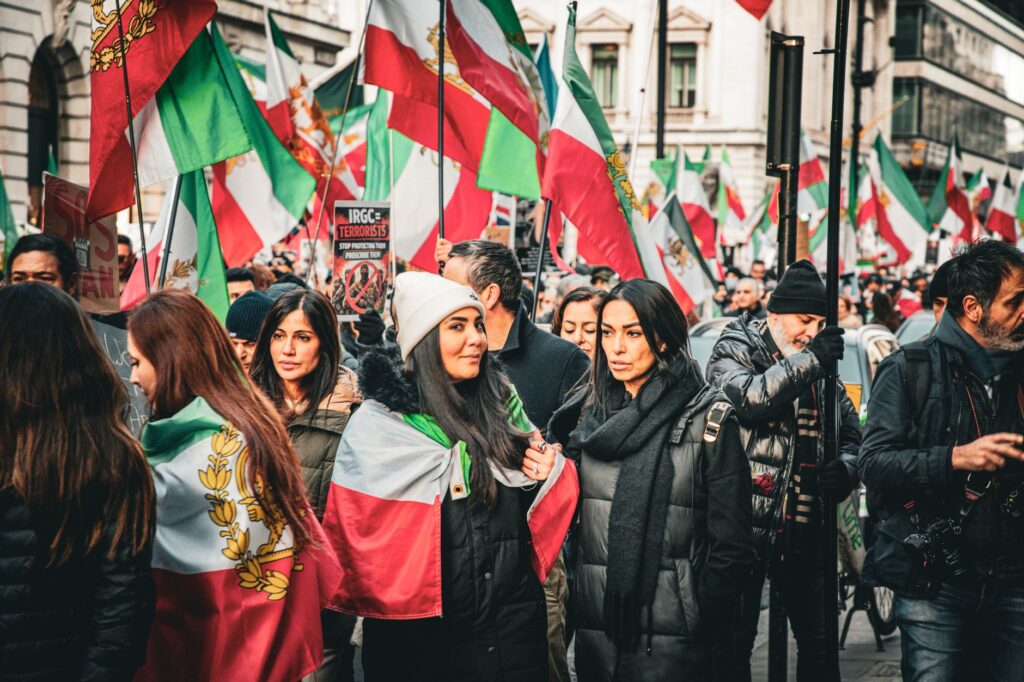
Multiple outlets reported differing details on a U.S. airstrike in southwest Iran that caused one fatality and four injuries. State media and Western sources provided varying levels of confirmation, highlighting the challenges of accurate reporting amid escalating proxy conflicts.
Key Takeaways
- State actors continue to weaponize disinformation to shape regional narratives and provoke tension.
- Extremist groups are co‑opting national symbols, creating new propaganda vectors that blur the line between patriotism and radicalization.
- Unrestricted warfare tactics exploit the openness of liberal democracies, demanding robust counter‑information strategies.
- Ukraine’s coordinated information campaign demonstrates how narrative control can influence geopolitical perception ahead of elections.
- Verification challenges persist as competing narratives emerge from state and independent media sources.
Explore more from our Media, Propaganda & Narrative Control coverage.