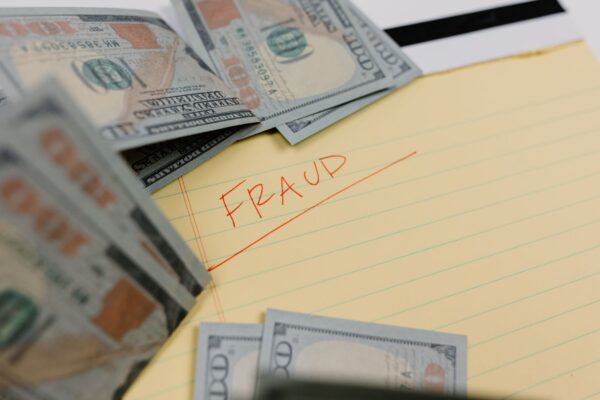
Hero image: Leeloo The First / Pexels
Minnesota Enacts New Crypto Fraud and Grooming Laws Aug 1
Minnesota’s updated legal framework takes effect August 1, introducing stricter penalties for crypto fraud and expanded protections against online child grooming. The laws aim to close loopholes exploited by scammers and predators who increasingly use digital platforms to target Minnesotans.
The state of Minnesota has enacted two new laws designed to combat financial fraud involving cryptocurrency and to strengthen protections against online child grooming. These laws go into effect on August 1, 2026, and represent a legislative response to rising reports of digital-age crimes that exploit gaps in existing statutes. This investigation synthesizes available reporting to clarify what the laws do, how they are intended to function, and what gaps remain in public understanding. While the changes are framed as a comprehensive update, the details reported by local media reveal both the scope of the new framework and the limits of its immediate impact.
—
Minnesota’s New Legal Framework Takes Effect August 1
Minnesota’s new legal framework consists of two separate but related statutes that take effect simultaneously on August 1, 2026. The first law strengthens the state’s ability to prosecute cryptocurrency-related fraud by expanding the definition of financial fraud to include digital assets and by increasing penalties for offenders who use crypto in deceptive schemes. The second law enhances protections for minors by broadening the definition of grooming to include online communications and by imposing stricter penalties for adults who use digital platforms to exploit or coerce children.
According to kaaltv.com, the laws were signed in response to a surge in complaints from Minnesotans who reported being targeted by crypto scams and online predators. The legislation was developed with input from law enforcement, consumer protection agencies, and child advocacy groups, reflecting a bipartisan effort to address crimes that increasingly occur across state lines and digital networks.
The timing of the laws’ implementation coincides with a period of heightened scrutiny of digital financial platforms and online social environments, both of which have seen rapid growth in user activity but also in reported abuse. While the laws are now in force, their practical enforcement will depend on coordination between state agencies, local law enforcement, and digital platforms themselves.
—
What the New Laws Specifically Address: Crypto Fraud and Child Grooming
Crypto Fraud Provisions
The new crypto fraud law expands Minnesota’s existing financial fraud statutes to explicitly include cryptocurrency and other digital assets. Under the updated law, individuals who engage in fraudulent schemes involving crypto—such as Ponzi schemes, fake investment platforms, or deceptive trading bots—can face enhanced penalties, including longer prison sentences and higher fines. The law also grants the Minnesota Attorney General’s Office and local prosecutors additional tools to pursue cases involving out-of-state actors who target Minnesota residents.
The law is designed to close a legal gap that scammers previously exploited: prior to August 1, Minnesota’s fraud statutes did not clearly apply to decentralized or pseudonymous digital assets, making prosecutions difficult in cases where funds were moved quickly across borders or through privacy-enhancing technologies.
Child Grooming Provisions
The updated grooming law broadens the definition of criminal grooming to include any communication—via text, social media, gaming platforms, or encrypted apps—where an adult attempts to build trust with a minor for the purpose of sexual exploitation. The law increases penalties for offenders and allows law enforcement to pursue charges even if the grooming occurs entirely online and does not result in physical contact. It also strengthens protections for minors by requiring digital platforms operating in Minnesota to maintain clearer reporting mechanisms for suspected grooming behavior and to cooperate with law enforcement investigations.
This expansion reflects a growing recognition that grooming is no longer limited to in-person interactions and that predators increasingly use digital environments to groom multiple victims simultaneously.
—
How the Outlets Agree and Where They Diverge in Coverage
In this case, kaaltv.com is the sole outlet providing direct coverage of the new laws as of the date of publication. Because only one independent outlet has reported on the story, there are no competing accounts to compare or contrast. However, the absence of additional coverage from other outlets—such as national financial publications or legal trade journals—suggests that the laws have not yet attracted broader scrutiny or analysis beyond local reporting.
This limited media attention may reflect the fact that the laws are newly in effect and that their full impact will depend on enforcement actions and court interpretations in the coming months. It may also indicate that the laws are viewed primarily as state-level initiatives rather than national policy shifts.
Given the lack of comparative reporting, this synthesis relies primarily on the details provided by kaaltv.com, with additional context drawn from the language of the laws themselves as described in the report. Where the law’s text is summarized, it is based on the description provided by the outlet.
—
The Core Claims: Fraud Schemes and Grooming Tactics Targeting Minnesotans
The core claim advanced by kaaltv.com is that Minnesota’s new laws are a direct response to an increase in crypto-related financial fraud and online child grooming. The outlet reports that lawmakers and advocates cited a rise in complaints from Minnesotans who said they had been targeted by scammers using cryptocurrency or by predators using digital platforms to exploit children.
Specifically, the outlet describes two types of schemes: investment scams promising high returns in crypto, and online grooming operations where adults pose as peers or mentors to build trust with minors before exploiting them. The report does not provide specific statistics on the number of complaints or the financial losses incurred, but it frames the laws as necessary to address a growing and evolving threat.
The outlet also emphasizes that the laws are designed to close legal loopholes that previously made it difficult to prosecute cases involving digital assets or online communications. This suggests that prior enforcement efforts were hampered by outdated statutes that did not account for the realities of digital crime.
—
What the Combined Evidence Reveals About Risk Patterns
While only one outlet has reported on the new laws, the pattern described by kaaltv.com aligns with broader national trends in digital crime. Across the United States, law enforcement agencies have reported increases in crypto-related fraud and online child exploitation, often facilitated by the anonymity and speed of digital transactions. The Minnesota laws appear to be a direct response to these trends, reflecting a growing recognition that state-level statutes must evolve to address crimes that transcend traditional jurisdictional boundaries.
Taken together, the provisions of the new laws suggest that Minnesota is attempting to address two distinct but related risks: financial deception enabled by digital assets and predatory behavior enabled by online platforms. The fact that both laws take effect simultaneously indicates a coordinated legislative response to overlapping threats in the digital ecosystem.
The absence of contradictory reporting or additional data points means that the full scope of the problem in Minnesota remains unclear. However, the framing of the laws—as a response to rising complaints and legal gaps—suggests that the state is prioritizing enforcement in areas where existing tools have proven inadequate.
—
Who Is Affected and How These Crimes Spread Online
Who Is Affected
According to kaaltv.com, the new laws are designed to protect Minnesotans of all ages, but they specifically target two groups: residents who may be targeted by crypto fraud schemes and minors who may be groomed online. The crypto fraud provisions apply to anyone who uses digital assets in deceptive schemes, while the grooming provisions apply to adults who use online platforms to exploit minors, regardless of where the adult or the platform is located.
The laws also affect digital platforms operating in Minnesota, as they are now required to maintain clearer reporting mechanisms for suspected grooming behavior and to cooperate with law enforcement investigations. This means that platforms—from social media networks to gaming apps—will need to adapt their policies and procedures to comply with the new requirements.
How the Crimes Spread Online
The report describes how crypto fraud and child grooming often spread through digital networks. Crypto scams frequently originate on social media, messaging apps, or investment forums, where scammers use fake profiles, influencer endorsements, or urgent language to lure victims into fraudulent schemes. Once a victim transfers crypto, the funds are often moved quickly across multiple wallets or exchanges, making recovery difficult.
Similarly, child grooming often begins on platforms where minors are active, such as gaming apps, social media, or chat services. Predators may pose as peers, offer gifts or attention, or manipulate victims into sharing personal information or images. The grooming process can occur over weeks or months, with offenders using multiple accounts or platforms to avoid detection.
The laws aim to disrupt these patterns by increasing penalties for offenders and by requiring platforms to take a more proactive role in identifying and reporting suspicious behavior.
—
Red Flags and a Debunking Checklist for Consumers and Parents
To help Minnesotans identify potential risks, the following checklist is derived from the mechanisms described in the new laws and the types of schemes they target. These red flags are not legal definitions but practical warning signs that may indicate fraudulent or predatory behavior.
- Crypto Investment Offers:
- Promises of “guaranteed” high returns with little or no risk
- Pressure to invest immediately or miss out on an “exclusive” opportunity
- Requests to send crypto to unfamiliar wallets or platforms
- Use of fake endorsements from celebrities, influencers, or “experts”
- Inability to withdraw funds or access account information
- Online Grooming Tactics:
- Adults posing as minors or peers in chat rooms, games, or social media
- Requests for personal information, photos, or videos
- Excessive compliments, gifts, or attention designed to build trust
- Attempts to move conversations to private or encrypted apps
- Discussions about meeting in person or sharing explicit content
- Platform-Related Warning Signs:
- Unverified accounts or profiles with little or no history
- Platforms that do not have clear reporting mechanisms for abuse
- Lack of transparency about ownership or moderation policies
- Overly permissive content policies that allow predatory behavior
What to Do If You Suspect Fraud or Grooming:
- For crypto fraud: Document all communications, transaction IDs, and wallet addresses. Report the incident to the Minnesota Attorney General’s Office and to the platform where the fraud originated.
- For child grooming: Save all messages, screenshots, and account information. Report the behavior to the platform and to local law enforcement or the National Center for Missing & Exploited Children (NCMEC).
- For both: Do not engage further with the suspected offender or share additional personal information.
—
Institutional Response: Enforcement Agencies and Regulatory Oversight
The new laws grant additional authority to several state agencies and law enforcement entities. The Minnesota Attorney General’s Office is expected to play a central role in investigating and prosecuting crypto fraud cases, particularly those involving out-of-state actors. Local prosecutors will also have expanded tools to pursue grooming cases, including those that occur entirely online.
The laws also impose new responsibilities on digital platforms. Under the grooming provisions, platforms operating in Minnesota must maintain clearer reporting mechanisms for suspected grooming behavior and must cooperate with law enforcement investigations. This means that platforms will need to update their policies, train staff, and implement systems to detect and report suspicious activity.
While the laws are now in effect, their enforcement will depend on coordination between state agencies, local law enforcement, and digital platforms. The Minnesota Department of Public Safety and the Attorney General’s Office have not yet released detailed guidance on how they will prioritize cases or allocate resources, but the laws provide a legal framework for action.
—
Original Analysis: What the Pattern Suggests About Future Enforcement
Taken together, the provisions of Minnesota’s new laws suggest a strategic shift in how the state intends to address digital-age crimes. By expanding the definition of fraud to include cryptocurrency and by broadening the definition of grooming to include online communications, Minnesota is signaling that it will no longer tolerate legal loopholes that allow scammers and predators to operate with impunity.
However, the success of these laws will depend on several factors that are not yet clear. First, enforcement agencies will need to develop expertise in investigating crypto-related fraud and online grooming, which may require additional training and resources. Second, digital platforms will need to adapt their policies and procedures to comply with the new requirements, which could take time and may face resistance from some companies. Third, the laws’ effectiveness will depend on public awareness—both in terms of reporting crimes and in recognizing red flags before they escalate.
The absence of broader media coverage or comparative reporting suggests that these laws have not yet attracted national attention. But as other states observe Minnesota’s approach, it is possible that similar legislation could be introduced elsewhere. For now, the laws represent a proactive step by Minnesota to address crimes that are increasingly facilitated by digital platforms but that have historically fallen through jurisdictional cracks.
—
What You Can Do Now: Reporting, Prevention, and Legal Recourse
Minnesotans can take several steps to protect themselves and their families from crypto fraud and online grooming. The following actions are recommended based on the mechanisms described in the new laws and the types of schemes they target.
Reporting Suspected Crimes
- Crypto Fraud: Report incidents to the Minnesota Attorney General’s Office via its consumer protection division. Provide documentation such as transaction IDs, wallet addresses, and communications with the scammer. You can also file a complaint with the Federal Trade Commission (FTC) or the Commodity Futures Trading Commission (CFTC), depending on the nature of the scheme.
- Child Grooming: Report suspected grooming to local law enforcement or to the National Center for Missing & Exploited Children (NCMEC) via its CyberTipline. Save all messages, screenshots, and account information to provide to investigators.
- Platform Reporting: Most major platforms have reporting mechanisms for fraud or abuse. Use these tools to flag suspicious accounts or behavior, and follow up with law enforcement if necessary.
Prevention Strategies
- For Crypto Investors: Be skeptical of “too good to be true” offers. Research any investment opportunity independently, and avoid sending crypto to unfamiliar wallets. Use hardware wallets for storage and enable multi-factor authentication on all accounts.
- For Parents and Guardians: Talk to children about online safety, including the risks of sharing personal information or images. Monitor their online activity and set boundaries around the use of chat apps, gaming platforms, and social media. Encourage them to report any suspicious behavior to a trusted adult.
- For Digital Platforms: Implement robust moderation policies, clear reporting mechanisms, and user verification systems. Train staff to recognize grooming behavior and to respond promptly to reports of abuse.
Legal Recourse
- Crypto Fraud Victims: Consult with a consumer protection attorney to explore civil remedies or restitution. While recovering lost crypto is difficult, legal action may help deter future scams and hold platforms accountable for facilitating fraud.
- Grooming Victims and Families: Contact local law enforcement or victim advocacy organizations for support. Minnesota’s new grooming laws provide additional legal tools for prosecution, but victims may also be eligible for compensation through victim assistance programs.
—
What are the new Minnesota laws that take effect August 1?
The new laws consist of two statutes: one that expands Minnesota’s financial fraud laws to include cryptocurrency and increases penalties for crypto-related fraud, and another that broadens the definition of child grooming to include online communications and increases penalties for offenders who use digital platforms to exploit minors.
Who do these laws protect?
The laws are designed to protect Minnesotans of all ages, but they specifically target residents who may be targeted by crypto fraud schemes and minors who may be groomed online. The grooming provisions also affect digital platforms operating in Minnesota, as they are now required to maintain clearer reporting mechanisms for suspected grooming behavior.
How can I report suspected crypto fraud in Minnesota?
You can report suspected crypto fraud to the Minnesota Attorney General’s Office via its consumer protection division. Provide documentation such as transaction IDs, wallet addresses, and communications with the scammer. You can also file a complaint with the Federal Trade Commission (FTC) or the Commodity Futures Trading Commission (CFTC), depending on the nature of the scheme.
What are the red flags for online grooming?
Red flags for online grooming include adults posing as minors or peers, requests for personal information or images, excessive compliments or gifts designed to build trust, attempts to move conversations to private or encrypted apps, and discussions about meeting in person or sharing explicit content.
What should digital platforms do to comply with the new grooming law?
Digital platforms operating in Minnesota must maintain clearer reporting mechanisms for suspected grooming behavior and must cooperate with law enforcement investigations. This means updating policies, training staff, and implementing systems to detect and report suspicious activity.
—