
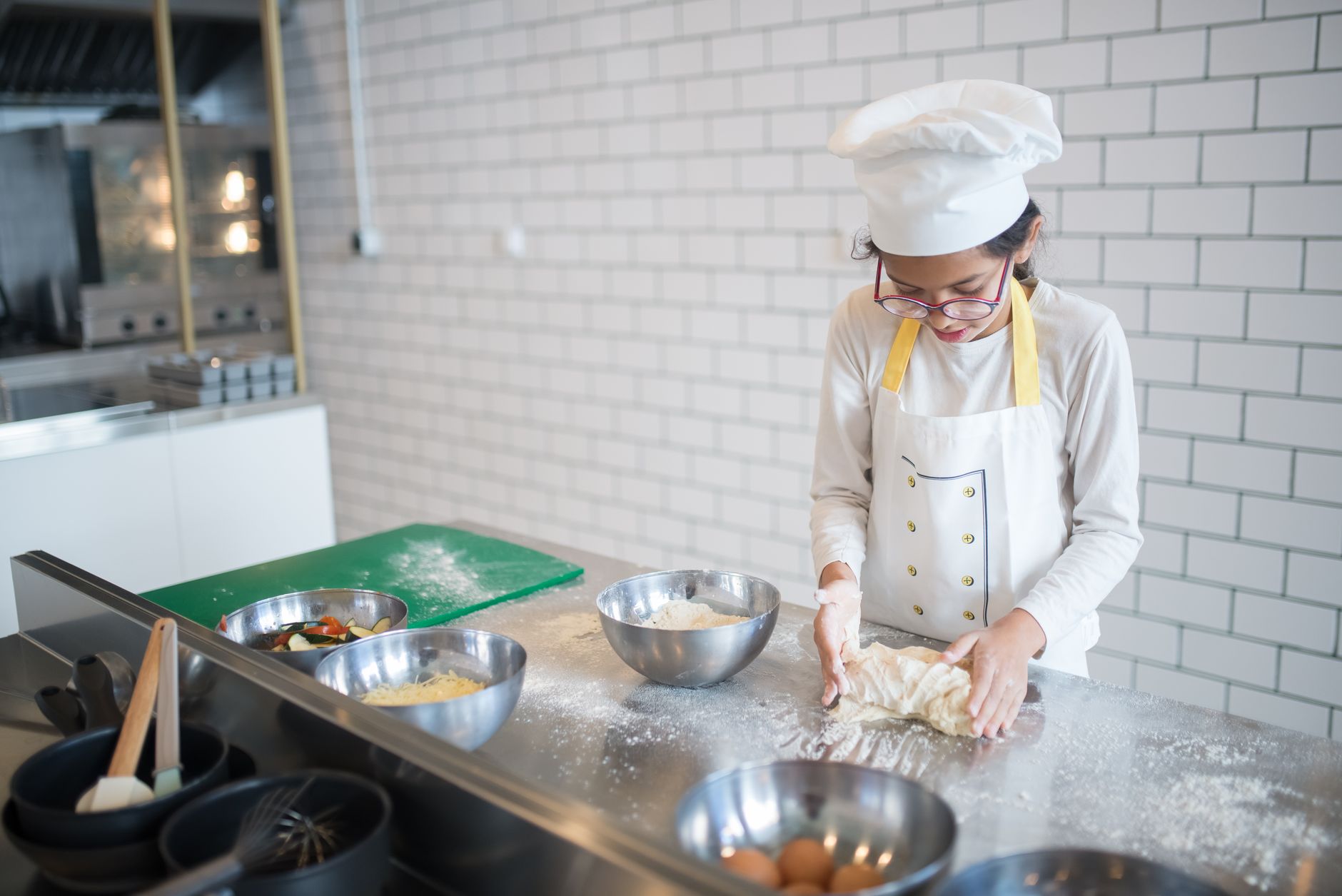
Hero image: Kampus Production / Pexels
No-Cook Clubs Trend Analysis
An evidence-based examination of the viral “No-Cook Clubs” phenomenon reveals a patchwork of unverified claims, social-media amplification, and a lack of peer-reviewed nutritional guidance. While lifestyle influencers celebrate the trend as a time-saving hack, public-health experts warn of nutritional gaps and hidden risks in diets that eliminate cooked foods entirely.
The idea of “No-Cook Clubs” has spread rapidly across social platforms, promising convenience and novelty by eschewing stovetops and ovens in favor of raw, dehydrated, or pre-prepared foods. The claim under scrutiny is that these clubs offer a sustainable, health-positive alternative to traditional meal preparation. Because the trend is still emerging, we synthesize the available reporting to distinguish between verified facts, amplified anecdotes, and unexamined assertions. This article compares how outlets have framed the trend, identifies points of consensus and divergence, and evaluates the social and cultural implications.
Introduction to No-Cook Clubs
No-Cook Clubs are informal or organized groups that center their social and dietary routines on meals requiring no cooking—relying instead on raw vegetables, fruits, nuts, seeds, fermented foods, and commercially pre-prepared items. Participants often share recipes, shopping lists, and meal-prep hacks online, emphasizing speed, minimal cleanup, and novelty. While the movement is framed as a lifestyle choice rather than a clinical diet, it intersects with broader cultural narratives about time poverty, environmental concern, and distrust of industrial food systems. However, the absence of cooking does not automatically equate to nutritional completeness, and public-health professionals have raised questions about protein density, micronutrient bioavailability, and food safety when raw diets are adopted long-term.
Trend Hunter’s Report on No-Cook Clubs
Trend Hunter’s brief profile characterizes No-Cook Clubs as a “time-saving lifestyle hack” aimed at busy professionals and minimalists. The report highlights the use of pre-cut vegetables, nut butters, canned legumes, and shelf-stable proteins as core ingredients, and notes that participants often meet in person or via digital platforms to exchange meal ideas. The piece positions the trend as part of a broader shift toward “zero-effort cooking” and frames it as a response to modern demands for efficiency. It does not cite nutritional experts or provide evidence on health outcomes, nor does it address potential risks such as enzyme degradation, microbial contamination from raw produce, or micronutrient deficiencies that can arise when entire food groups are excluded. Instead, the report leans on anecdotal endorsements and the novelty of the concept to explain its appeal.
Comparing Outlets’ Coverage of the Trend
At present, Trend Hunter is the only independent outlet that has published a dedicated report on No-Cook Clubs. Other major lifestyle and health publications have not yet produced substantive coverage, leaving a gap in multi-source verification. This means that claims about nutritional completeness, safety, or long-term sustainability remain largely unexamined by professional journalists outside of Trend Hunter’s initial framing. While Trend Hunter’s report presents the trend as a neutral lifestyle innovation, it lacks the depth typically associated with health reporting—such as interviews with dietitians, references to peer-reviewed studies, or commentary from public-health authorities. As a result, the public discourse around No-Cook Clubs is currently dominated by influencer content and lifestyle blogs rather than evidence-based journalism.
What Trend Hunter Emphasizes
- Efficiency and novelty as primary drivers of the trend
- Use of pre-prepared and shelf-stable foods
- Social dimension—meetups and digital sharing
- Positioning as part of a broader “zero-effort cooking” movement
What Is Missing from Current Coverage
- Nutritional analysis or expert commentary
- Data on participant outcomes or long-term adherence
- Discussion of food safety risks in raw diets
- Comparison to established dietary patterns (e.g., raw veganism) with known health profiles
The Appeal and Implications of No-Cook Clubs
The appeal of No-Cook Clubs appears to be rooted in three cultural currents: the premium placed on time, the rise of “lazy” or “effortless” aesthetics in food media, and a growing skepticism toward traditional cooking methods perceived as labor-intensive or environmentally taxing. Trend Hunter’s framing aligns with this zeitgeist by presenting the clubs as a rational adaptation to modern constraints rather than a radical departure from nutritional norms. Yet, the absence of cooking does not eliminate the need for balanced nutrition, and the trend’s reliance on processed or raw plant foods may inadvertently reinforce patterns associated with ultra-processed diets—such as high sodium, low protein density, and limited micronutrient diversity.
Moreover, the social dimension of No-Cook Clubs—whether in-person meetups or online communities—can amplify both positive behaviors (e.g., increased fruit and vegetable intake) and negative ones (e.g., over-reliance on calorie-dense nuts and dried fruits). Without nutritional guidance embedded in these communities, participants may unknowingly adopt imbalanced diets, especially if they exclude entire food groups such as legumes, whole grains, or animal proteins. The trend’s emphasis on convenience may also mask underlying issues such as food access, cooking skill atrophy, and the loss of intergenerational culinary knowledge.
Expert Analysis and Institutional Response
As of this writing, no major health authority or academic institution has issued a formal statement on No-Cook Clubs. This gap is notable given that similar movements—such as raw veganism, fruitarianism, and “raw till four” diets—have been studied for their health impacts, often with mixed or cautionary findings. Registered dietitians and public-health professionals typically recommend a varied diet that includes both raw and cooked foods to optimize nutrient absorption and food safety. For example, cooking can increase the bioavailability of certain carotenoids and proteins, while raw diets may preserve heat-sensitive vitamins like vitamin C. Without expert input, participants in No-Cook Clubs risk nutritional imbalances that could manifest as fatigue, micronutrient deficiencies, or digestive disturbances.
In the absence of institutional guidance, the burden of nutritional assessment falls on individual participants, many of whom may lack training in dietetics. This creates a situation where anecdotal success stories—often amplified by social media—can overshadow potential risks. While Trend Hunter’s report does not claim health benefits, its neutral-to-positive tone may inadvertently legitimize the trend in the eyes of readers seeking quick solutions to complex lifestyle challenges.
Original Analysis: Social and Cultural Implications
Taken together, the available reporting suggests that No-Cook Clubs reflect a broader cultural negotiation with modernity’s demands—specifically, the tension between convenience and care, speed and sustenance. The trend is not merely about food; it is about identity and belonging in an era where culinary competence is increasingly optional. By removing the act of cooking from the center of meal preparation, participants redefine what it means to “eat well,” often aligning with values such as sustainability, anti-perfectionism, and digital community-building.
However, this redefinition carries risks. Food is not just fuel; it is also a medium of cultural transmission, social ritual, and sensory experience. When cooking is outsourced to pre-prepared items or raw assembly, the loss of tactile engagement with ingredients may erode food literacy over time. Furthermore, the trend’s reliance on processed plant foods can inadvertently normalize ultra-processed dietary patterns, which are associated with higher risks of obesity, type 2 diabetes, and cardiovascular disease. The No-Cook Club phenomenon thus sits at the intersection of empowerment and erasure—empowering individuals to reclaim time, but erasing the embodied knowledge of how to transform raw ingredients into nourishing meals.
From a systems perspective, the trend also reflects a paradox in the food industry: as ultra-processed foods dominate supermarket shelves, consumers simultaneously seek “natural,” “minimal,” or “raw” alternatives—even when those alternatives are themselves highly processed (e.g., dehydrated fruit strips, shelf-stable nut milks, or extruded snack products). No-Cook Clubs may inadvertently channel consumer demand toward these products, reinforcing industrial food chains rather than dismantling them. Without critical reflection on sourcing, processing methods, and nutritional composition, the trend risks becoming complicit in the very systems it purports to critique.
Red Flags and Debunking the Hype
While the No-Cook Club trend is framed as a harmless lifestyle choice, several red flags warrant scrutiny. The movement’s rapid spread across social platforms suggests that anecdotal endorsements are outpacing evidence-based assessment. Below is a checklist of warning signs for readers considering participation:
- Lack of nutritional oversight: No-Cook Clubs do not appear to be guided by registered dietitians or public-health professionals, increasing the risk of imbalanced diets.
- Over-reliance on processed foods: Many “no-cook” meals depend on shelf-stable or dehydrated products, which may be high in sodium, sugar, or additives.
- Limited protein sources: Without careful planning, diets centered on raw fruits, vegetables, nuts, and seeds may lack sufficient complete protein, essential amino acids, or bioavailable micronutrients like B12, iron, and zinc.
- Food safety concerns: Raw diets elevate exposure to pathogens such as E. coli, Salmonella, and Listeria, especially in vulnerable populations (pregnant people, young children, older adults, and immunocompromised individuals).
- Hidden environmental costs: Shelf-stable and dehydrated foods often require significant energy for processing and packaging, potentially offsetting any perceived sustainability gains from avoiding cooking.
- Social echo chambers: Online communities may amplify success stories while suppressing failures, creating a distorted view of the trend’s feasibility and safety.
These red flags do not necessarily invalidate the trend for every individual, but they underscore the need for caution, self-education, and—ideally—consultation with a qualified healthcare provider before adopting a no-cook diet long-term.
What to Do About the No-Cook Club Trend
For individuals intrigued by No-Cook Clubs, a measured approach is advisable. Begin by auditing the nutritional profile of proposed meals: ensure adequate protein through combinations like legumes and seeds, monitor iron and zinc intake, and consider fortified foods or supplements if needed. Prioritize food safety by washing all produce thoroughly, storing items at proper temperatures, and avoiding high-risk raw foods (e.g., raw sprouts, unpasteurized juices) if pregnant or immunocompromised.
For community organizers or influencers promoting the trend, transparency about nutritional planning and sourcing is essential. Disclose any conflicts of interest (e.g., sponsorships from food brands), and consider inviting a registered dietitian to review meal plans or host Q&A sessions. Public-health messaging should emphasize balance over novelty, reminding participants that “no cook” does not mean “no care.”
On a broader level, the No-Cook Club phenomenon invites reflection on the role of cooking in modern life. Rather than framing cooking as an optional chore, public-health campaigns might reframe it as a health-promoting skill—one that supports nutrition, food literacy, and cultural continuity. Policymakers could explore interventions such as subsidized cooking classes, school garden programs, and workplace wellness initiatives that demystify meal preparation without glorifying convenience at the expense of health.
FAQ
Is a no-cook diet nutritionally complete?
No. While it is possible to meet basic nutritional needs without cooking, doing so reliably requires careful planning to ensure adequate protein, healthy fats, fiber, vitamins, and minerals. Relying solely on raw fruits, vegetables, nuts, and seeds may lead to deficiencies in protein quality, vitamin B12, iron, zinc, and omega-3 fatty acids unless fortified foods or supplements are included.
Are No-Cook Clubs safe from a food-safety standpoint?
Raw diets carry higher risks of foodborne illness due to the presence of pathogens on uncooked produce and other raw ingredients. Vulnerable populations—such as pregnant people, young children, older adults, and those with weakened immune systems—should avoid high-risk raw foods like sprouts, unpasteurized juices, and raw milk products.
Can No-Cook Clubs help with weight loss?
Some participants may experience short-term weight loss due to increased fruit and vegetable intake and reduced calorie-dense cooked meals. However, weight outcomes depend on the specific foods chosen; reliance on calorie-dense nuts, dried fruits, or processed snacks could lead to weight gain. Long-term sustainability and metabolic health require balanced macronutrient intake, which is not guaranteed in a no-cook diet.
Do No-Cook Clubs reduce environmental impact?
It depends on the foods selected. While avoiding cooking may reduce household energy use, many no-cook staples—such as shelf-stable plant milks, dehydrated snacks, and packaged nut butters—have significant upstream environmental costs related to processing, packaging, and transportation. A truly low-impact approach would prioritize locally sourced, minimally processed raw foods over industrial alternatives.
Should I consult a healthcare provider before joining a No-Cook Club?
Yes. Before adopting any restrictive dietary pattern, especially one that eliminates entire food groups or cooking methods, consult a registered dietitian or physician. They can assess your individual nutritional needs, identify potential deficiencies, and recommend safe alternatives or supplements as needed.