
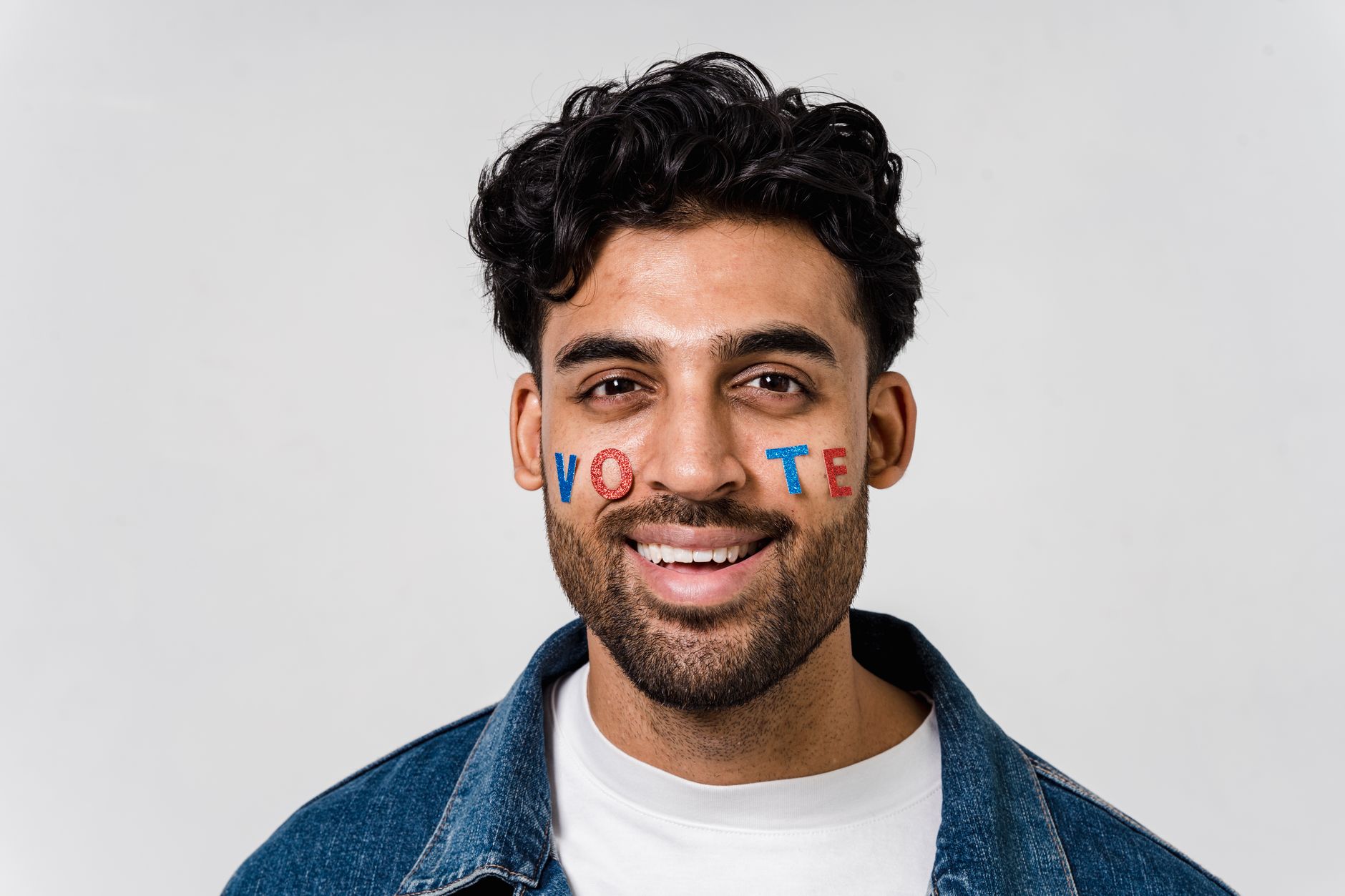
Hero image: Sora Shimazaki / Pexels
Political Astroturfing: The Need for Political Astroturfing Influencer Transparency
Paid content creators and online influencers have become a pervasive presence across United States political campaigns, often operating without clear disclosure. According to an analysis published in The Guardian by Martin J Riedl and Samuel Woolley, this rise in undisclosed digital partnerships threatens the integrity of public discourse and demands immediate regulatory transparency.
The intersection of social media marketing and electoral politics has created a gray market where political messaging is deliberately obscured beneath the veneer of organic personal expression. As digital campaigns increasingly bypass traditional media outlets to target voters directly on platforms like TikTok, Instagram, and YouTube, the line between grassroots advocacy and paid political strategy has dissolved. This phenomenon, widely categorized as political astroturfing, presents severe challenges for voters attempting to evaluate the credibility of the information they consume online. Investigating how these mechanisms operate is critical to understanding contemporary electoral manipulation and defending democratic transparency.
Context: The Evolution of Digital Influence in US Politics
Over the past decade, political campaigns have shifted significant portions of their advertising budgets away from traditional broadcast media and toward digital channels. Early iterations of online campaigning relied heavily on display banner ads, official campaign pages, and email lists. However, as audiences grew adept at ignoring banner advertisements and institutional messaging, political operatives adapted by shifting their focus to interpersonal networks and individual creators. The Guardian reported that paid influencers are now ubiquitous in American politics, functioning as modern-day political brokers who command significant reach among specific demographic cohorts.
This evolution capitalizes on the parasocial relationships that creators build with their audiences. Unlike traditional advertisements, which carry an explicit commercial or political disclaimer, influencer content is delivered through the trusted voice of an individual creator. Authors Martin J Riedl and Samuel Woolley explain in The Guardian that this structural shift allows political actors to rent the authenticity of everyday citizens. By channeling campaign narratives through content creators, political sponsors can bypass the skepticism that voters naturally direct toward official party communications.
The regulatory framework governing political communications has failed to keep pace with this rapid migration of influence. While federal broadcast and print regulations enforce strict disclosure requirements for paid advertisements, digital media remains largely decentralized and difficult to monitor. Campaign finance laws enacted long before the advent of short-form video platforms struggle to classify transactions between political action committees, public relations intermediaries, and independent social media creators. Consequently, political astroturfing has flourished in a regulatory vacuum, allowing undisclosed financial incentives to drive digital public opinion.
The Mechanics of Political Astroturfing and Paid Content
The Brokerage System and PR Intermediaries
Political astroturfing rarely involves direct financial transactions between a campaign committee and a popular influencer. Instead, campaigns often work through specialized public relations firms, digital marketing agencies, and influencer networks that act as buffers. The Guardian noted that these intermediaries scout creators, negotiate compensation packages, and provide talking points while maintaining a deliberate arm-length distance from the official campaign. This multi-layered approach obscures the trail of financing, making it difficult for researchers or journalists to trace the ultimate origin of a specific political narrative.
Structuring Content for Algorithmic Amplification
Paid influencers are valuable to political sponsors not only for their subscriber counts, but for their expertise in gaming social media algorithms. Astroturfing campaigns rely on creators to embed political talking points within entertainment, lifestyle, or commentary formats that trigger high engagement. According to The Guardian, these creators utilize native platform features—such as trending audio, duets, and interactive polling—to make sponsored political messaging appear entirely spontaneous. The resulting content blends seamlessly into user feeds, reducing cognitive friction and increasing the likelihood that viewers will absorb partisan talking points without critical scrutiny.
What the Evidence Shows Regarding Influencer Campaigns
Empirical analysis of digital campaigns reveals that political astroturfing is not confined to fringe actors or rogue campaigns; it is an institutionalized component of modern election strategy. The Guardian highlighted that paid digital creators operate across the political spectrum, deploying targeted messages designed to suppress voter turnout, elevate specific policy grievances, or amplify partisan attacks. Because these campaigns are executed through hundreds or thousands of micro-influencers rather than a single broadcast channel, their cumulative impact is massive yet diffuse.
The evidence compiled by researchers Martin J Riedl and Samuel Woolley demonstrates that audiences place an outsized level of trust in independent creators compared to traditional news outlets or politicians. When a lifestyle or comedy influencer pivots to discussing electoral politics or specific ballot measures, followers rarely apply the same critical standards they would use for a televised political ad. This asymmetry in trust is precisely what makes paid influencer campaigns an attractive investment for political operatives seeking to manufacture artificial consensus around controversial issues.
Furthermore, the data indicates that regulatory enforcement mechanisms are virtually non-existent for micro and nano-influencers. While major social media platforms have introduced voluntary labeling tools for paid partnerships, compliance is inconsistent, and enforcement mechanisms rely heavily on self-reporting. The Guardian emphasizes that without legally binding transparency mandates, political sponsors and creators have little incentive to reveal financial ties, leaving the public vulnerable to covert persuasion.
How Paid Political Messaging Spreads Across Platforms
The Multi-Platform Cascade Effect
Paid political influence rarely remains isolated to a single application. An astroturfing campaign often begins on video-first platforms like TikTok or Instagram Reels, where creators publish short, high-impact segments. From there, clips are frequently cross-posted to X (formerly Twitter), Facebook, and Reddit, where secondary networks of amplifiers—including coordinated inauthentic accounts and partisan commentators—accelerate the spread. The Guardian points out that this cross-platform migration creates a false sense of widespread public agreement, as users encounter the same talking points across completely different digital environments.
The Role of Amplification Networks
To maximize the return on investment for paid political content, intermediaries often employ secondary amplification tactics. This includes coordinating the timing of posts, utilizing specific hashtags to game trending topics, and directing automated bot accounts to drive early engagement. By artificially inflating the visibility of influencer content, campaigns ensure that platform algorithms push the material out to broader, uninitiated audiences. The Guardian details how this combination of human influencers and digital amplification machinery forms a sophisticated apparatus for narrative control.
Red Flags: Identifying Undisclosed Paid Political Influence
Detecting political astroturfing requires vigilance and an understanding of the behavioral signals that distinguish organic commentary from commercially or politically motivated content. Below is a structured checklist outlining key indicators of covert paid influence in digital media.
- Abrupt Thematic Shifts: A creator who historically focuses on non-political topics (such as gaming, fashion, or cooking) suddenly pivots to producing polished, highly partisan commentary on elections or pending legislation.
- Verbatim Talking Points: Multiple independent creators use identical phrasing, specific data points, or unique framing when discussing a complex political issue within a short timeframe.
- Deflection of Financial Inquiries: When followers ask in comment sections whether a post is sponsored or paid for, the creator either ignores the question, deletes the comment, or provides vague assurances of independence.
- Absence of Standard Disclosure: Content promotes a specific political candidate, party, or ballot initiative while lacking clear, conspicuous disclosures such as #ad, #sponsored, or platform-provided paid partnership tags.
- Unusual Engagement Patterns: A post receives an uncharacteristic volume of shares, algorithmic reach, and defensive commentary compared to the creator’s historical baseline, often driven by coordinated networks.
- One-Sided Narrative Delivery: Content aggressively promotes a partisan narrative while discouraging debate, disabling comments, or blocking users who present counter-evidence.
The Argument for Transparency from Experts Martin J Riedl and Samuel Woolley
The core thesis advanced by Martin J Riedl and Samuel Woolley in The Guardian is that democratic integrity depends upon radical transparency in digital political communications. As political spending migrates into the hands of independent creators, the traditional guardrails designed to inform voters about who is paying for political advertising have become obsolete. The authors argue that concealing financial transactions behind the personal brands of social media influencers fundamentally undermines informed voter decision-making.
Transparency, according to these experts, is not merely a technical fix or a matter of adding small disclosure labels; it is an essential democratic prerequisite. When voters cannot distinguish between a citizen speaking from personal conviction and a paid contractor executing a political strategy, public trust in information systems collapses. The Guardian underscores that leaving influencer marketing unregulated invites foreign and domestic bad actors to covertly manipulate public opinion with impunity.
Furthermore, Riedl and Woolley contend that self-regulation by technology platforms has proven insufficient. Social media companies have commercial incentives to maximize user engagement and platform spending, making them reluctant to police political marketing aggressively. Consequently, the authors call for systemic, institutional interventions that hold political campaigns, PR agencies, and creators accountable for hidden financial arrangements in digital spaces.
What Can Be Done to Regulate Political Influencers
Enacting Clear Legal Mandates
Addressing political astroturfing requires updating federal and state campaign finance laws to explicitly encompass digital influencer partnerships. Regulators must establish unambiguous rules that require all paid political content—regardless of whether compensation is delivered in cash, goods, or services—to carry prominent and permanent disclosure labels. The Guardian suggests that legislative clarity is essential to eliminate the legal loopholes currently exploited by political operatives and intermediary marketing firms.
Holding Intermediaries and Campaigns Accountable
Effective regulatory enforcement cannot rest solely on penalizing individual micro-influencers who may be unaware of complex legal frameworks. Oversight bodies must target the originating political committees and the public relations intermediaries who orchestrate astroturfing campaigns. Imposing severe financial penalties and mandatory disclosure audits on political campaigns that utilize undisclosed paid influencers will disincentivize the practice at its source.
Platform Accountability and Independent Auditing
Social media platforms must be subjected to independent oversight regarding how political advertising and sponsored content are hosted and labeled. Rather than relying on opaque internal moderation policies, platforms should be required to maintain public, searchable repositories of all paid political content, including micro-influencer partnerships. The Guardian highlights that empowering researchers and journalists with access to platform data is vital for exposing covert digital manipulation before elections conclude.
Frequently Asked Questions on Political Astroturfing
What is political astroturfing?
Political astroturfing is the practice of disguising sponsored or politically coordinated messaging as spontaneous, grassroots public opinion. In the digital age, this frequently involves paying social media influencers to promote specific candidates, parties, or policies without disclosing financial backing.
Why are influencers used in political campaigns instead of traditional ads?
Influencers are utilized because audiences often trust individual creators more than institutional politicians or traditional media outlets. This parasocial trust allows political sponsors to bypass viewer skepticism and deliver partisan messaging in a format that feels personal and organic.
Are social media platforms required to police political influencers?
Current regulatory enforcement varies significantly by jurisdiction, and platform policies are largely self-enforced. While some platforms offer voluntary labeling tools for paid partnerships, compliance is inconsistent, prompting experts like Martin J Riedl and Samuel Woolley to advocate for stricter legal mandates.
How can everyday social media users spot paid political content?
Users can identify potential astroturfing by looking for sudden thematic shifts in a creator’s content, identical talking points shared across multiple independent accounts, missing disclosure tags like #ad or #sponsored, and defensive or evasive responses to questions about funding.
What solutions do experts recommend to fix this problem?
Experts recommend updating campaign finance laws to explicitly cover digital influencers, penalizing the political committees and PR intermediaries who orchestrate hidden campaigns, and requiring social media platforms to maintain transparent, publicly accessible repositories of all paid political partnerships.