
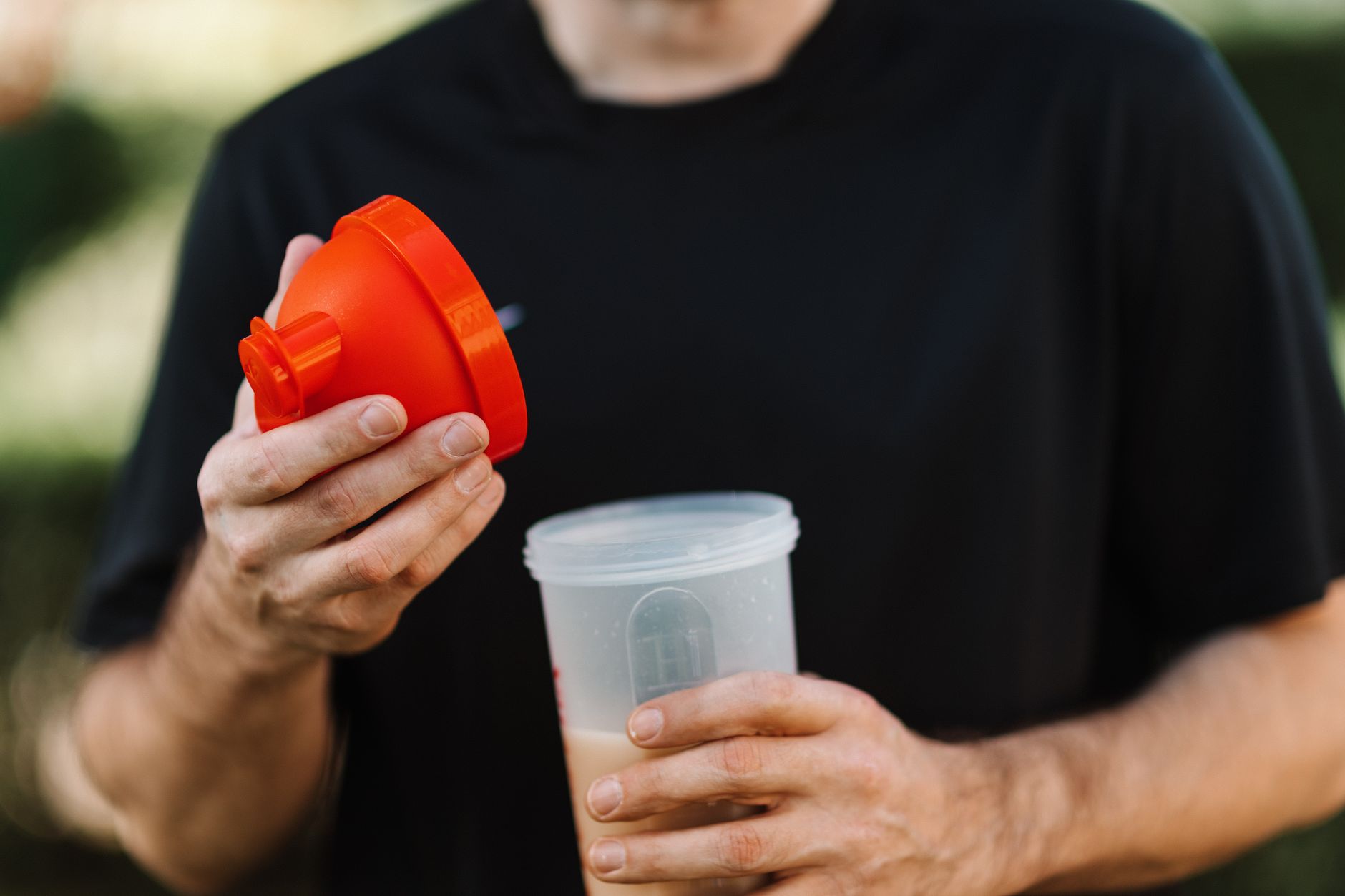
Hero image: https://kaboompics.com/ / Pexels
Protein-maxxing myth debunked by Baylor experts
An obsession with extreme protein intake—often marketed as “protein-maxxing”—has taken over social media, but medical experts warn it offers no real muscle-building advantage and may pose health risks. Baylor College of Medicine’s blog network dismantles the myth with clinical evidence, while fitness influencers continue to push ever-higher targets. The gap between online hype and medical consensus reveals deeper patterns in nutrition misinformation.
Over the past two years, a trend known as “protein-maxxing” has surged across TikTok, Instagram, and YouTube, where influencers promote consuming as much as 2–3 grams of protein per pound of body weight—sometimes exceeding 300 grams daily—for optimal muscle growth. The claim is simple: more protein equals more muscle. But medical experts say the science doesn’t support it. This article synthesizes reporting from the Baylor College of Medicine Blog Network and contextualizes it within broader patterns of health misinformation. We examine where fitness influencers and medical science diverge, assess the real risks of overconsumption, and outline evidence-based protein guidelines.
—
The rise of ‘protein-maxxing’ in fitness culture
The term “protein-maxxing” emerged from bodybuilding forums and evolved into a viral social media phenomenon, particularly on platforms like TikTok and Instagram Reels, where short-form videos tout extreme protein targets as essential for physique transformation. Influencers often pair these claims with before-and-after visuals, supplement endorsements, and motivational rhetoric that frames protein as the primary driver of muscle gain. The trend is fueled by algorithmic amplification: content featuring high-protein meals, shaker bottles, and “gains” hashtags receives disproportionate reach, creating a feedback loop of misinformation.
While the concept of increasing protein intake to support muscle repair is not new, the scale and intensity promoted under the “protein-maxxing” banner represent a departure from established nutritional science. The trend reflects a broader cultural shift in which fitness advice is increasingly delivered by influencers rather than certified professionals, and where engagement metrics often outweigh evidence-based guidance.
—
What Baylor College of Medicine’s blog says about protein-maxxing
The Baylor College of Medicine Blog Network directly addresses the protein-maxxing trend in a recent post titled “Protein-maxxing obsession debunked.” According to the blog, the idea that consuming excessive protein maximizes muscle growth is a myth rooted more in marketing than in physiology. The post emphasizes that the body has a limited capacity to use protein for muscle synthesis at any given time, typically around 20–40 grams per meal, depending on body size and activity level. Beyond this threshold, excess protein is either used for energy, stored as fat, or excreted.
The Baylor blog also highlights that protein-maxxing can lead to unnecessary caloric surplus, digestive discomfort, and financial strain from purchasing large quantities of protein powder and supplements. It warns that while protein is essential for muscle repair and growth, the body does not benefit from consuming more than the recommended dietary allowance (RDA) of 0.8 grams per kilogram of body weight for sedentary adults, or up to 1.6–2.2 grams per kilogram for athletes engaged in intense resistance training.
The post concludes by urging readers to focus on balanced nutrition, adequate caloric intake, and consistent training rather than chasing arbitrary protein targets. It positions protein-maxxing as a form of nutritional over-optimization that distracts from evidence-based fitness strategies.
—
Where fitness influencers and medical experts diverge on protein intake
While the Baylor College of Medicine Blog Network provides a clinical perspective grounded in physiology and public health guidelines, many fitness influencers continue to promote protein-maxxing as a cornerstone of muscle development. Influencers often cite anecdotal success stories, personal transformations, and cherry-picked studies to justify high protein intakes, sometimes reaching 3–4 grams per pound of body weight. This messaging is amplified by supplement brands that profit from the sale of whey, casein, and plant-based protein powders marketed as “performance enhancers.”
The divergence is not just about numbers—it’s about authority. Influencers frequently position themselves as “biohackers” or “natural athletes,” implying that their personal experiences supersede peer-reviewed research. Meanwhile, medical experts caution that such extreme intakes are not only unnecessary but may also strain kidney function in susceptible individuals, contribute to dehydration, and displace other essential nutrients from the diet.
This gap between influencer-driven advice and medical consensus is not unique to protein. It reflects a broader pattern in online wellness culture where personal anecdotes and commercial incentives often outweigh scientific rigor. The result is a landscape where misinformation spreads rapidly, and users are left to navigate conflicting claims without clear guidance.
—
Influencer narratives vs. clinical consensus
Influencers often frame protein-maxxing as a “no excuses” approach to physique transformation, emphasizing discipline and quantification. They use visuals of massive shaker bottles, meal prep containers filled with chicken breasts, and protein-rich “dirty bulking” meals to normalize extreme consumption. In contrast, clinical sources like Baylor emphasize individual variability, the importance of total caloric intake, and the role of carbohydrates and fats in supporting performance and recovery.
The influencer narrative also tends to downplay potential downsides, such as digestive distress from excessive protein intake or the financial burden of maintaining such diets. Medical sources, by contrast, highlight these risks and frame protein as one component of a broader nutritional strategy—not a magic bullet.
—
The core claim: Can extreme protein consumption maximize muscle growth?
The central claim of protein-maxxing is that consuming protein in excess of the body’s immediate needs will lead to greater muscle hypertrophy. However, the Baylor College of Medicine Blog Network directly refutes this, stating that muscle protein synthesis (MPS) is a tightly regulated process. Once the body’s capacity for MPS is saturated—typically within a few hours of protein ingestion—any additional protein does not enhance muscle growth and is instead metabolized for energy or stored as fat.
The blog explains that the body’s ability to build muscle is limited by factors such as training stimulus, sleep, and overall caloric surplus—not protein quantity alone. In fact, consuming more protein than needed may reduce the intake of carbohydrates, which are crucial for fueling workouts and replenishing glycogen stores. This can impair performance and recovery, undermining the very goal of muscle growth.
Moreover, the idea that “more is always better” ignores the body’s adaptive responses. Over time, excessive protein intake can lead to metabolic inefficiencies and increased nitrogen excretion, placing additional strain on the kidneys in individuals with pre-existing conditions.
—
What the combined evidence shows about protein overconsumption
Taken together, the evidence from clinical sources like Baylor College of Medicine indicates that protein-maxxing offers no measurable advantage over evidence-based protein intake. The body’s muscle-building machinery operates within physiological limits, and exceeding those limits does not translate to greater gains. In fact, the primary beneficiaries of protein-maxxing are often supplement manufacturers, not consumers.
Research on protein timing and distribution suggests that spreading protein intake evenly across 3–4 meals (20–40 grams each) maximizes MPS more effectively than consuming large boluses in a single sitting. This approach supports consistent muscle protein synthesis throughout the day and aligns with natural eating patterns. Overconsumption, by contrast, can lead to digestive issues such as bloating, constipation, or diarrhea, particularly when relying heavily on protein powders or bars.
The combined evidence also shows that protein quality matters more than quantity. Complete proteins containing all essential amino acids—such as those found in lean meats, eggs, dairy, and soy—are more effective at stimulating MPS than isolated amino acids or incomplete plant proteins consumed in isolation.
—
Who is most at risk from protein-maxxing culture
While protein-maxxing can pose risks to anyone, certain groups are particularly vulnerable to its harms. Individuals with pre-existing kidney disease are at higher risk of kidney damage from chronically high protein intake, as the kidneys must work harder to excrete excess nitrogen. Those with metabolic disorders such as diabetes or insulin resistance may also experience worsened glucose control when protein intake displaces fiber-rich carbohydrates.
Young athletes and teenagers, who are heavily targeted by fitness influencers, are especially susceptible to adopting extreme protein regimens in pursuit of performance or aesthetic goals. Their developing bodies and minds are more vulnerable to misinformation, and the pressure to conform to online ideals can lead to disordered eating patterns, body image issues, and nutritional deficiencies.
Additionally, individuals with gastrointestinal sensitivities—such as those with irritable bowel syndrome (IBS) or lactose intolerance—may experience significant discomfort from high-protein diets, particularly those rich in dairy-based supplements. The emphasis on protein can also lead to the neglect of other macronutrients, such as healthy fats and complex carbohydrates, which are essential for hormone regulation and energy production.
—
How protein-maxxing misinformation spreads in online fitness communities
The spread of protein-maxxing misinformation is accelerated by the architecture of social media platforms, where engagement metrics favor sensational, prescriptive content over nuanced, evidence-based advice. Influencers leverage algorithmic amplification to push extreme protein targets, often using before-and-after visuals, testimonials, and pseudoscientific language to lend credibility to their claims. The use of hashtags like #ProteinMaxxing, #DirtyBulk, and #NoDaysOff creates a false sense of community and validation around the practice.
Supplement companies further amplify the trend by sponsoring influencers, offering affiliate codes, and promoting “protein calculator” tools that generate personalized—and often inflated—protein targets. These tools frequently recommend intakes far above established guidelines, reinforcing the idea that more protein is always better. The result is a closed loop of misinformation, where commercial interests shape public perception of nutritional needs.
Moreover, the lack of regulation around fitness advice on social media allows unverified claims to proliferate unchecked. Unlike medical professionals, fitness influencers are not required to cite sources or disclose conflicts of interest, making it difficult for users to distinguish between evidence-based guidance and marketing-driven rhetoric.
—
Red flags: When protein intake crosses into dangerous territory
Protein-maxxing often begins with well-intentioned efforts to optimize fitness, but it can escalate into harmful territory when certain red flags appear. Below is a checklist of warning signs that protein intake has crossed into dangerous territory:
- Consuming more than 2.5 grams of protein per kilogram of body weight daily – This exceeds the upper limit recommended for even the most active athletes and may strain metabolic and renal systems.
- Relying primarily on protein supplements – When whole foods are displaced by shakes, bars, and powders, essential nutrients like fiber, vitamins, and minerals may be neglected.
- Experiencing persistent digestive issues – Bloating, constipation, diarrhea, or acid reflux can indicate that protein intake is too high or poorly balanced with other nutrients.
- Ignoring total caloric intake – Focusing solely on protein while neglecting overall energy balance can lead to unwanted fat gain or muscle loss.
- Following influencers who promote extreme protein targets without citing scientific sources – Credible advice should be grounded in peer-reviewed research and delivered by qualified professionals.
- Feeling compelled to consume protein even when not hungry – This may indicate an unhealthy fixation on dietary rules rather than intuitive eating.
- Experiencing fatigue, irritability, or mood swings – These can be signs of metabolic stress or nutrient imbalances caused by overemphasis on protein.
—
Original analysis: Why protein-maxxing reflects broader nutrition misinformation trends
Taken together, the rise of protein-maxxing is not an isolated phenomenon but a symptom of broader trends in nutrition misinformation. The pattern is familiar: a simple, quantifiable metric—protein grams per day—is elevated to the status of a performance panacea, divorced from context such as total diet, training regimen, and individual physiology. This mirrors past waves of misinformation around low-fat diets, detox cleanses, and “superfoods,” each of which promised outsized benefits through narrow nutritional prescriptions.
The protein-maxxing trend also reflects the commercialization of health advice. Supplement brands, meal replacement companies, and influencer networks profit from the sale of high-protein products, creating a financial incentive to promote ever-higher protein targets. This incentive structure undermines public health messaging and erodes trust in evidence-based nutrition science.
Moreover, the algorithmic amplification of prescriptive content on social media rewards engagement over accuracy. Influencers who promote extreme protein regimens receive more views, likes, and shares than those who advocate for balanced, individualized nutrition. The result is a distorted information ecosystem in which misinformation spreads faster and wider than corrections.
This pattern underscores a critical need for media literacy in health and fitness spaces. Users must learn to distinguish between anecdotal testimonials and clinical evidence, to question prescriptive advice, and to prioritize holistic well-being over narrow performance metrics. Without these skills, the cycle of misinformation will continue to thrive.
—
What to do instead: Evidence-based protein intake guidelines
Rather than chasing arbitrary protein targets, individuals seeking to optimize muscle growth and overall health should follow evidence-based guidelines tailored to their activity level and goals. The Baylor College of Medicine Blog Network recommends the following approach:
- Calculate your protein needs based on body weight and activity level – Sedentary adults need approximately 0.8 grams per kilogram of body weight; active individuals and athletes may require 1.2–2.2 grams per kilogram, depending on training intensity.
- Prioritize whole food sources of protein – Lean meats, poultry, fish, eggs, dairy, legumes, tofu, and tempeh provide not only protein but also essential vitamins, minerals, and fiber.
- Distribute protein intake evenly across meals – Aim for 20–40 grams of protein per meal, 3–4 times daily, to maximize muscle protein synthesis throughout the day.
- Balance protein with carbohydrates and healthy fats – Carbohydrates fuel workouts and recovery, while fats support hormone regulation and satiety. A balanced diet enhances overall performance and well-being.
- Avoid excessive reliance on supplements – While protein powders can be convenient, they should complement—not replace—a varied diet rich in whole foods.
- Monitor total caloric intake – Muscle growth requires a caloric surplus, but excessive protein intake without adequate energy from carbohydrates and fats can lead to fat gain rather than lean mass development.
- Consult a registered dietitian or healthcare provider – Individual needs vary, and personalized guidance can help optimize nutrition without falling prey to trends.
—
Red flags checklist: Protein intake gone too far
| Red Flag | Why It Matters | Evidence-Based Threshold |
|---|---|---|
| Consuming more than 2.5 g protein per kg body weight daily | Exceeds the upper limit for even elite athletes; may strain kidneys and metabolism | 1.6–2.2 g/kg for strength athletes; 1.2–1.7 g/kg for endurance athletes |
| Relying on protein supplements for >50% of daily protein intake | Displaces whole foods, reducing intake of fiber, vitamins, and minerals | Supplements should complement, not replace, whole-food sources |
| Persistent digestive issues (bloating, constipation, diarrhea) | Indicates metabolic stress or intolerance to high protein loads | Digestive comfort should guide intake; adjust fiber and hydration accordingly |
| Ignoring total caloric intake while chasing protein targets | Can lead to fat gain or muscle loss due to poor energy balance | Muscle growth requires a caloric surplus; protein alone is insufficient |
| Following influencers who cite no scientific sources for protein targets | Indicates lack of evidence-based guidance and potential commercial bias | Credible advice should cite peer-reviewed research and qualified professionals |
—
FAQ: Protein-maxxing myths and realities
Is it true that consuming more protein always leads to more muscle growth?
No. The body’s ability to build muscle is limited by factors such as training stimulus, sleep, and overall caloric surplus—not protein quantity alone. Once muscle protein synthesis is saturated, additional protein does not enhance growth and may be stored as fat or used for energy.
How much protein do I actually need per day?
For sedentary adults, the recommended dietary allowance (RDA) is 0.8 grams per kilogram of body weight. Active individuals and athletes may need 1.2–2.2 grams per kilogram, depending on training intensity. Most people in Western countries already consume more than enough protein without supplementation.
Can protein-maxxing harm my kidneys?
For individuals with healthy kidneys, high protein intake is generally safe. However, those with pre-existing kidney disease or metabolic disorders may experience worsened kidney function due to increased nitrogen excretion. Always consult a healthcare provider if you have concerns.
Why do so many fitness influencers recommend extreme protein targets?
Influencers often promote extreme protein targets to drive engagement, secure sponsorships, and sell supplements. The algorithmic amplification of social media favors sensational, prescriptive content, even when it lacks scientific backing. This creates a feedback loop of misinformation.
What should I eat instead of chasing protein-maxxing targets?
Focus on a balanced diet rich in whole foods, including lean proteins, complex carbohydrates, healthy fats, and fiber. Prioritize vegetables, fruits, whole grains, and legumes alongside your protein sources. This approach supports overall health, performance, and sustainable muscle growth.
—