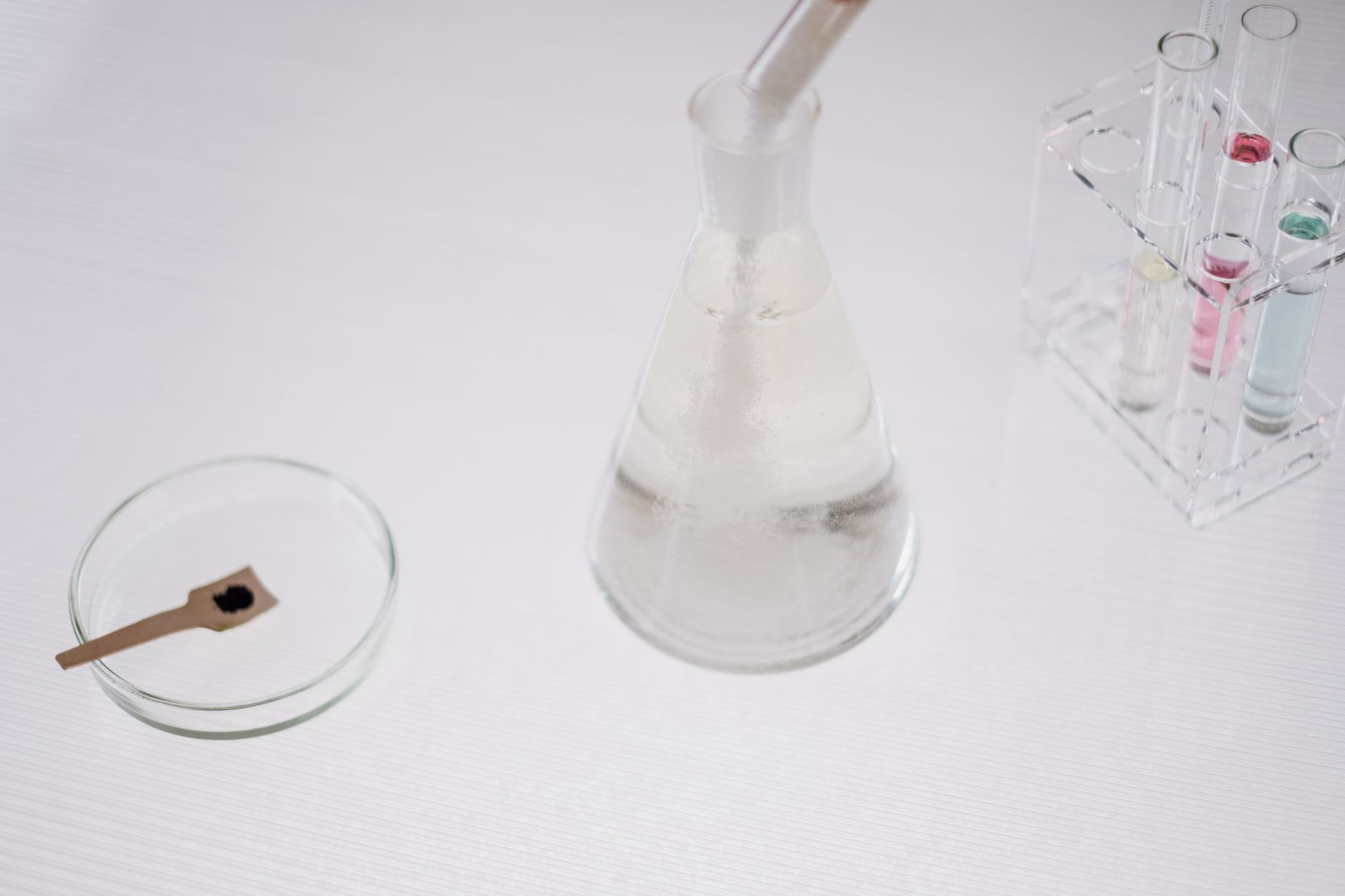
Imagem principal:Ron Lach / Pexels
Baking Soda e Vinagre: Essa Mistura Serve Para Algo?
A combinação de bicarbonato de sódio e vinagre é frequentemente promovida em plataformas digitais como um remédio versátil para diversos desafios domésticos e de bem-estar. No entanto, ao analisar a química por trás disso, revela-se uma contradição fundamental entre o que os defensores afirmam e como essas substâncias interagem de fato.
Across social media networks and lifestyle blogs, everyday kitchen staples are regularly repackaged as miracle solutions for everything from routine cleaning to personal health transformations. Among the most prevalent combinations circulating online is the mixture of baking soda and vinegar. Proponents attribute profound detoxifying, therapeutic, and cleaning powers to this foaming concoction. As an investigative publication dedicated to evidence-based analysis, we examine what happens when these two common substances are combined, evaluating the veracity of wellness claims against established chemical and scientific realities as outlined by public authorities such as Land Oberösterreich.
Context: The Popularity of Household Mixtures
The modern digital landscape has fostered an environment where simple, low-cost household ingredients are routinely elevated to the status of alternative remedies. Baking soda, scientifically known as sodium bicarbonate, and vinegar, an aqueous solution of acetic acid, are pantry items found in millions of homes. Their ubiquity makes them attractive subjects for viral tutorials, DIY life hacks, and alternative health claims. When individuals search for affordable ways to improve their living spaces or personal routines, they encounter a vast ecosystem of unvetted advice.
According to reports from Land Oberösterreich, the fascination with combining these two substances stems partly from the dramatic physical reaction they produce. The visible fizzing and bubbling create an immediate impression of high chemical activity, leading observers to assume that powerful transformations are taking place. This sensory feedback loop is a powerful driver of digital engagement. Videos and articles showcasing the effervescent reaction routinely garner substantial attention, creating a cultural perception that visible turbulence equates to superior efficacy.
However, the popularity of a remedy bears no correlation to its scientific validity. In the realm of public health and household chemistry, visual spectacle often masks a loss of functional properties. Understanding why people turn to these mixtures requires analyzing the human desire for simple, economical solutions to complex problems, contrasted with the rigorous scrutiny applied by investigative researchers and regulatory bodies who prioritize empirical evidence over anecdotal appeal.
The Claim: What Do Proponents Say About Baking Soda and Vinegar?
The Narrative of Ultimate Synergy
Digital proponents of the baking soda and vinegar mixture frequently argue that combining an alkaline substance with an acidic one yields a compound that doubles the benefits of each individual ingredient. In alternative wellness spaces, claims suggest that this mixture can neutralize toxins within the body, balance internal pH levels, and serve as an all-encompassing cure-all for various ailments. The underlying assertion is that chemical opposites unite to form a superior agent capable of deep therapeutic action.
Beyond personal wellness, household cleaning forums and green-living blogs assert that mixing baking soda and vinegar creates a super-powered cleaning paste or solution. Claims often state that the combined mixture can strip grease, dissolve mineral deposits, and disinfect surfaces more effectively than either ingredient used alone. Proponents frequently recommend mixing them in closed containers or spray bottles, anticipating continuous cleaning power driven by the effervescent reaction.
Land Oberösterreich highlights that these claims frequently circulate without attribution to controlled clinical trials, toxicological studies, or peer-reviewed chemical analyses. Instead, they rely heavily on personal testimonials, historical precedent, and misinterpretations of basic chemical principles. This creates a misleading framework where correlation and theatrical reaction are mistaken for proven functional outcomes.
What the Evidence Actually Shows About the Chemical Reaction
Neutralization and Neutralization Products
To evaluate these wellness and cleaning claims, one must examine the actual chemistry occurring when sodium bicarbonate and acetic acid are brought together. Baking soda is a weak base, while household vinegar is a dilute weak acid. When combined, an acid-base neutralization reaction takes place instantly. The acetic acid in the vinegar reacts with the sodium bicarbonate to produce sodium acetate, water, and carbon dioxide gas.
The carbon dioxide gas is responsible for the characteristic fizzing and bubbling that enthusiasts find so compelling. Once the effervescence subsides, the active properties of both the base and the acid have largely been neutralized. As documented by Land Oberösterreich, what remains in the container is primarily a mildly salty water solution along with sodium acetate. The individual cleaning or buffering capacities that made baking soda and vinegar useful on their own are effectively canceled out.
The Illusion of Enhanced Power
From a scientific standpoint, mixing baking soda and vinegar for cleaning purposes is counterproductive. Baking soda functions well as a mild abrasive and a gentle alkaline scour, while vinegar excels at dissolving hard water stains and mineral deposits due to its acidity. When mixed together simultaneously, the acid neutralizes the base, rendering the mixture chemically neutral. Using the resulting solution on surfaces is largely equivalent to cleaning with plain water containing dissolved salts.
Similarly, internal consumption of this neutralized mixture yields no special health benefits. The human body maintains strict internal pH homeostasis through complex physiological regulatory systems primarily involving the lungs and kidneys. Ingesting neutralized kitchen ingredients does not alter systemic pH, nor does it provide a targeted detoxifying mechanism. The scientific consensus, supported by institutional findings, indicates that the dramatic reaction observed visually represents the destruction of the active components rather than their enhancement.
Evaluating Practical Uses Versus Wellness Claims
While the combination of baking soda and vinegar is chemically inert for practical cleaning or wellness applications, both substances retain distinct, legitimate utilities when used independently. Recognizing the boundary between real utility and exaggerated marketing is essential for consumers navigating digital advice.
| Application Area | Proponente Reclamação | Scientific Reality |
|---|---|---|
| Household Cleaning (Combined) | Mixing them creates a super-powered cleaning and disinfecting paste. | Neutralization cancels out the active alkaline and acidic properties, leaving salt water. |
| Internal Wellness (Ingestion) | The mix detoxifies the body and balances systemic pH levels. | The body tightly regulates pH independently; ingestion yields no targeted detox benefit. |
| Drain Maintenance | The fizzing action blasts away deep pipe clogs and blockages. | The bubbles are merely carbon dioxide; the reaction lacks mechanical force to clear heavy blockages. |
| Stain Removal (Separate) | Individual applications magically erase all household stains instantly. | Baking soda provides mild abrasion; vinegar dissolves minerals, depending on the stain type. |
Drain maintenance is another common area where the baking soda and vinegar mixture is heavily promoted. Proponents claim that pouring baking soda followed by vinegar down a drain, and sealing it briefly, creates an explosive reaction that blasts away clogs. Land Oberösterreich clarifies that while the carbon dioxide gas creates acoustic and visual theater within the pipe, it lacks the physical pressure or surfactant properties necessary to break down grease, hair, or stubborn obstructions.
For individuals seeking practical household solutions, using these substances sequentially rather than simultaneously can yield minor benefits. For instance, applying baking soda as an abrasive scrub followed by rinsing with vinegar can utilize both agents effectively, provided they are not mixed together to neutralize each other first. However, neither substance substitutes for medical treatments, professional plumbing interventions, or EPA-registered disinfectants.
How Misinformation About Home Remedies Spreads Online
The rapid proliferation of unverified claims regarding home remedies like baking soda and vinegar highlights vulnerabilities in modern digital information ecosystems. Social media algorithms are designed to favor content that generates high emotional engagement, surprise, or visual fascination. A video demonstrating a foaming chemical reaction naturally attracts more views and shares than a dry, academic explanation of acid-base neutralization.
Content creators often amplify these misconceptions to build audience share, sell related e-books, or promote sponsored household products. By framing conventional wisdom as a hidden secret suppressed by established industries, purveyors of wellness myths create a compelling narrative of empowerment. Consumers are encouraged to trust intuitive demonstrations over empirical laboratory data.
Land Oberösterreich emphasizes that this cycle of misinformation can have tangible consequences, ranging from ineffective cleaning practices that damage household surfaces to misguided health routines that delay proper medical care. Fact-checking organizations play a vital role in intercepting these narratives by breaking down complex chemical realities into accessible, evidence-backed explanations.
Red Flags: Spotting Exaggerated Claims About Simple Ingredients
Navigating digital wellness and lifestyle advice requires a critical eye capable of identifying rhetorical warning signs. Simple ingredients like baking soda and vinegar are frequently weaponized by sensationalist marketing strategies that rely on predictable patterns.
- Promises of universal cures or solutions for entirely unrelated problems using a single kitchen mixture.
- Heavy reliance on dramatic visual demonstrations, such as violent foaming, as proof of functional efficacy.
- Conspiratorial framing suggesting that mainstream science or medical professionals are hiding the true power of cheap home ingredients.
- Complete absence of references to peer-reviewed studies, toxicological data, or institutional safety evaluations.
- Testimonials and anecdotal success stories presented as definitive scientific proof while ignoring basic chemical principles.
- Urgency tactics compelling viewers to immediately mix products without regard for chemical reactions or material compatibility.
Institutional Analysis and Expert Findings
Public institutions, consumer protection agencies, and scientific bodies consistently evaluate popular home remedies to protect the public from misinformation and potential harm. Reports from authorities such as Land Oberösterreich provide vital clarity by examining viral claims through the lens of established science and chemistry.
Experts emphasize that while baking soda and vinegar are safe, non-toxic substances when handled correctly in isolation, their combined use represents a misunderstanding of basic chemical principles. Institutional guidance encourages consumers to consult verified scientific literature and standard safety guidelines rather than relying on unvetted digital tutorials for health or maintenance decisions.
Ultimately, rigorous investigative analysis reveals that the appeal of the baking soda and vinegar mixture lies entirely in its theatrical presentation. Once the fizzing stops, the scientific reality remains unchanged: neutralization has occurred, and the resulting compound offers no miraculous health benefits or superior cleaning power.
Frequently Asked Questions About Baking Soda and Vinegar
Does mixing baking soda and vinegar create a stronger cleaning agent?
No. Mixing baking soda and vinegar causes an acid-base neutralization reaction. This reaction neutralizes the alkaline properties of the baking soda and the acidic properties of the vinegar, leaving behind primarily water and sodium acetate, which is significantly less effective for cleaning than either ingredient used separately.
Is it safe to consume a baking soda and vinegar mixture for health benefits?
Consuming this neutralized mixture provides no proven wellness benefits. Proponents claim it detoxifies the body or balances pH, but human physiological systems tightly regulate internal pH independently, and the mixture does not act as a targeted detoxifying agent.
Can the fizzing reaction clear clogged drains?
While the carbon dioxide gas produced by the reaction creates bubbling and visual theater, it lacks the physical pressure and surfactant properties required to break down heavy hair, grease, or deep structural clogs in household plumbing.
Why is this combination so popular online if it does not work as claimed?
The combination generates a dramatic, highly visible physical reaction that produces entertaining video content. This visual spectacle drives social media engagement, making it a popular topic for viral life-hack channels despite lacking scientific backing.
How should baking soda and vinegar be used properly in the home?
Both substances are useful when applied independently. Baking soda provides mild abrasive scrubbing action, while vinegar helps dissolve mineral deposits and hard water stains. Using them sequentially, rather than mixing them together simultaneously, allows you to benefit from their individual chemical properties.