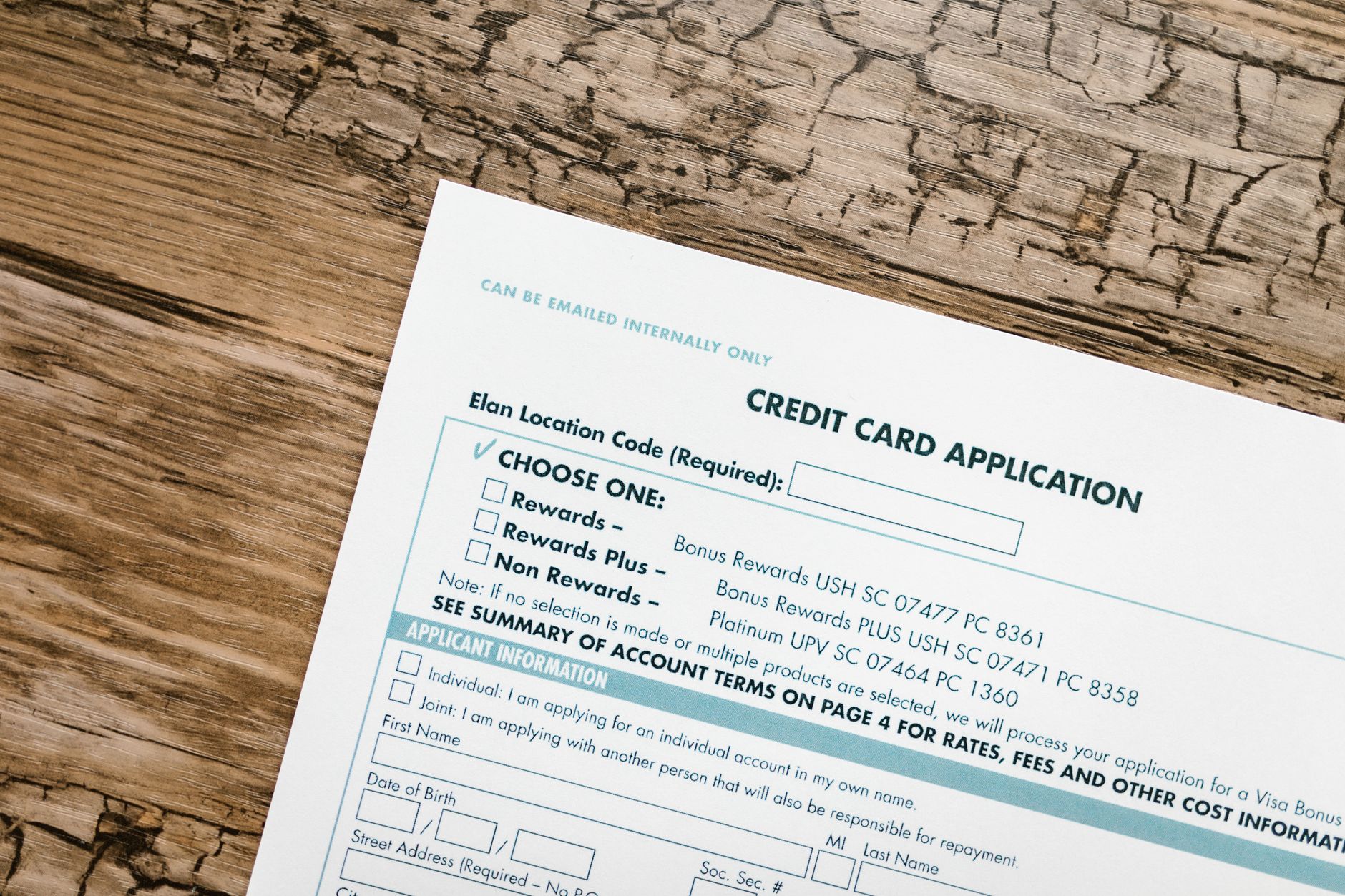
Imagem principal:Projeto RDNE Stock / Pexels
Investigação de Fraude em Conta do Huntington Bank pela Notícias 5
An investigative analysis into customer grievances surrounding unauthorized financial transactions linked to Huntington Bank accounts. This report examines consumer statements, investigative reporting, and standard procedures for detecting and mitigating banking fraud.
Financial security remains a paramount concern for retail and commercial banking customers navigating digital payment systems and legacy banking infrastructure. Recently, attention has turned toward specific financial institutions as account holders report unexpected discrepancies, unauthorized withdrawals, and compromised security credentials. This article examines the public reporting surrounding allegations of financial fraud tied to Huntington Bank accounts, utilizing available investigative journalism to evaluate the claims, institutional responses, and preventive measures accessible to consumers.
Context: The Rise of Banking Fraud Concerns
The modernization of banking through mobile applications, online portals, and instantaneous electronic funds transfers has expanded access and convenience for account holders. However, these same technological advancements have provided sophisticated threat actors with new vectors for exploitation. Financial fraud is no longer confined to physical check theft or skimming devices at automated teller machines. Modern financial deception frequently involves credential stuffing, phishing campaigns, unauthorized peer-to-peer payment transfers, and social engineering schemes designed to bypass multi-factor authentication protocols.
As digital banking adoption increases across the United States, regulatory bodies and consumer protection agencies continuously monitor the prevalence of unauthorized transactions. When account holders experience sudden financial losses, the burden often falls on both the customer and the institution to determine liability under federal regulations such as Regulation E, which governs electronic fund transfers. Within this broader landscape of digital banking vulnerabilities, regional financial institutions like Huntington Bank face heightened scrutiny regarding how they detect, prevent, and resolve consumer complaints related to suspected fraudulent activity.
The Claim: Customer Reports Regarding Huntington Bank
Public Inquiries and Account Discrepancies
Public discourse regarding banking security often begins on social media platforms, community forums, and direct outreach to local investigative media outlets. Account holders have raised alarms over unexpected withdrawals, missing deposits, and unauthorized charges appearing on their monthly statements. These complaints frequently center on the speed and efficacy of the institution’s fraud detection systems, as well as the administrative hurdles consumers face when attempting to report unauthorized activity and recover lost funds.
The Nature of Reported Unauthorized Transactions
The specific claims circulating among affected customers involve various forms of account compromise. Some individuals report that third parties gained access to their online banking login credentials, subsequently initiating unauthorized wire transfers or external ACH debits. Others highlight discrepancies involving debit card usage at physical merchants or online storefronts where the account holder claims never to have authorized a transaction. These customer narratives underscore the anxiety and disruption experienced when individuals discover unexplained financial losses within their primary checking or savings accounts.
What the Evidence Shows: The News 5 Cleveland Investigation
Investigative Scope and Public Outreach
In examining these emerging concerns, investigative journalism serves as a critical mechanism for verifying public grievances and holding financial institutions accountable. News 5 Cleveland WEWS initiated a public inquiry directed at local account holders experiencing security issues, publishing a specific call to action inviting affected individuals to share their experiences regarding fraud tied to their Huntington Bank accounts. This reporting framework seeks to aggregate individual complaints into a broader pattern, allowing analysts to determine whether reported incidents represent isolated security lapses or systemic vulnerabilities.
Evaluating Customer Testimonies Against Institutional Controls
Media investigations into banking fraud rely on corroborating consumer accounts with institutional statements, regulatory filings, and cybersecurity data. While individual customer testimonies provide essential context regarding the human impact of financial deception, rigorous fact-checking requires examining how banks respond to these alerts. News 5 Cleveland WEWS highlighted the growing volume of customer frustrations, pointing to the critical need for transparency from Huntington Bank regarding how security breaches are handled, how quickly frozen funds are investigated, and what recourse is available to victims of unauthorized account access.
Who Is Affected: Impact on Account Holders
Immediate Financial and Psychological Toll
The impact of bank account fraud extends far beyond the immediate numerical loss reflected in a digital balance. When an account holder discovers unauthorized transactions, the sudden depletion of liquid funds can immediately jeopardize their ability to cover essential living expenses such as rent, mortgages, utility payments, and groceries. This financial shock frequently induces severe psychological stress, anxiety, and a profound loss of trust in the digital banking infrastructure upon which modern consumers rely for daily commerce.
Vulnerable Demographics and Account Types
While financial fraud can target any banking customer, certain demographics face disproportionate challenges when recovering from unauthorized transactions. Elderly account holders who may be less familiar with digital interface nuances can become targets for sophisticated social engineering and phishing tactics. Furthermore, small business owners utilizing commercial Huntington Bank accounts face amplified risks, where a single fraudulent wire transfer or compromised payroll account can disrupt business operations, vendor relationships, and employee compensation cycles.
Red Flags: Identifying Unauthorized Bank Activity
Recognizing the early warning signs of account compromise is vital for mitigating financial loss. Account holders should remain vigilant for specific behavioral and transactional anomalies that often precede or accompany unauthorized banking activity.
- Sudden receipt of multi-factor authentication codes or password reset notifications that were never requested by the account holder.
- Small, unfamiliar test deposits or micro-transactions appearing in checking or savings transaction histories, often precursors to larger ACH withdrawals.
- Unexplained notifications regarding address changes, email modifications, or phone number updates on the banking profile.
- Sudden disappearance of monthly paper statements or a cessation of digital notification emails, which may indicate account diversion.
- Unrecognized debit card charges originating from geographic locations where the account holder has never traveled.
- Unexpected communications from customer service regarding loan applications or credit lines opened in the customer’s name without their consent.
Institutional Response: Addressing Bank Account Vulnerabilities
Bank Security Protocols and Fraud Monitoring
Financial institutions deploy automated fraud monitoring algorithms designed to flag abnormal spending patterns, atypical login locations, and suspicious transaction velocities. When an algorithm detects an anomaly, the bank’s security division typically triggers temporary card blocks, text-message verification prompts, or direct phone outreach to the account holder. However, the efficacy of these systems depends heavily on prompt customer response and the sophistication of the threat actors, who increasingly employ automated tools to mimic legitimate user behavior.
Customer Service and Dispute Resolution Procedures
When fraud occurs, the institutional response transitions from automated prevention to manual dispute resolution. Federal regulations outline specific timelines for banks to investigate written notices of unauthorized electronic fund transfers, provisionally crediting accounts while investigations proceed. News 5 Cleveland WEWS coverage reflects customer anxiety regarding the friction sometimes encountered during this resolution phase. Ensuring clear communication channels, transparent provisional credit timelines, and accessible human representatives remains a central challenge for financial institutions managing high volumes of fraud disputes.
What to Do: Steps for Protecting Your Bank Account
Account holders must take proactive measures to harden their digital banking profiles against unauthorized access and prepare actionable responses if a security breach occurs. Implementing robust cybersecurity habits significantly reduces vulnerability.
First, enable real-time transaction alerts for all debit card swipes, ATM withdrawals, online transfers, and ACH debits exceeding a nominal threshold. These immediate notifications allow consumers to identify and report unauthorized activity within minutes rather than waiting for a monthly statement. Second, utilize strong, unique passphrases for online banking portals and enforce multi-factor authentication using authenticator applications rather than SMS text messages, which are susceptible to SIM-swapping attacks.
If unauthorized activity is discovered on a Huntington Bank account, the account holder should immediately contact the institution’s fraud department to freeze cards and restrict online access. Following a verbal report, customers should submit a written notice of error as outlined by federal guidelines to preserve rights under Regulation E. Additionally, filing reports with local law enforcement, the Federal Trade Commission (FTC), and the Internet Crime Complaint Center (IC3) establishes an official record of the financial deception.
| Recurso | Legitimate Account Activity | Fraudulent or Compromised Activity |
|---|---|---|
| Transaction Notifications | Alerts match purchases made directly by the account holder in known locations. | Alerts indicate purchases or transfers in distant geographic regions or unknown merchants. |
| Profile Modifications | Contact details updated intentionally by the customer through verified channels. | Email, phone number, or address changed abruptly without customer initiation. |
| Login Patterns | Access originates from familiar devices, recognized IP addresses, and standard browsers. | Access originates from unknown devices, foreign IP addresses, or suspicious VPNs. |
| Financial Inquiries | Direct communication with bank representatives via official numbers on card backs. | Unsolicited calls or messages requesting login credentials or one-time passcodes. |
Frequently Asked Questions Regarding Huntington Bank Fraud
What should I do first if I suspect fraud on my Huntington Bank account?
Immediately contact Huntington Bank customer service or the dedicated fraud department to freeze your debit cards, disable online banking access, and report any unauthorized transactions. Document the date, time, and name of the representative you speak with.
Are banks required to refund money lost to unauthorized electronic transfers?
Under the Electronic Fund Transfer Act and Regulation E, consumers are generally protected from unauthorized electronic fund transfers provided they report the loss in a timely manner. Liability limits depend on how quickly the unauthorized activity is reported after the periodic statement is made available.
Why are my account alerts delayed when suspicious activity occurs?
While most modern banking apps offer near-instantaneous push notifications, backend processing delays, merchant batch-settlement schedules, or gaps in network connectivity can occasionally delay the appearance of a transaction or alert on your mobile device.
How can news coverage like the News 5 Cleveland report help victims of banking fraud?
Investigative reporting brings widespread visibility to recurring institutional vulnerabilities, encourages financial institutions to allocate adequate resources to customer support and fraud prevention, and empowers individual consumers by sharing collective experiences and recovery strategies.
Can multi-factor authentication completely prevent unauthorized bank access?
Multi-factor authentication drastically reduces the likelihood of unauthorized access by requiring multiple forms of verification, but it is not infallible. Sophisticated threat actors utilizing real-time phishing kits or social engineering can occasionally intercept authentication tokens, highlighting the need for continuous vigilance.