
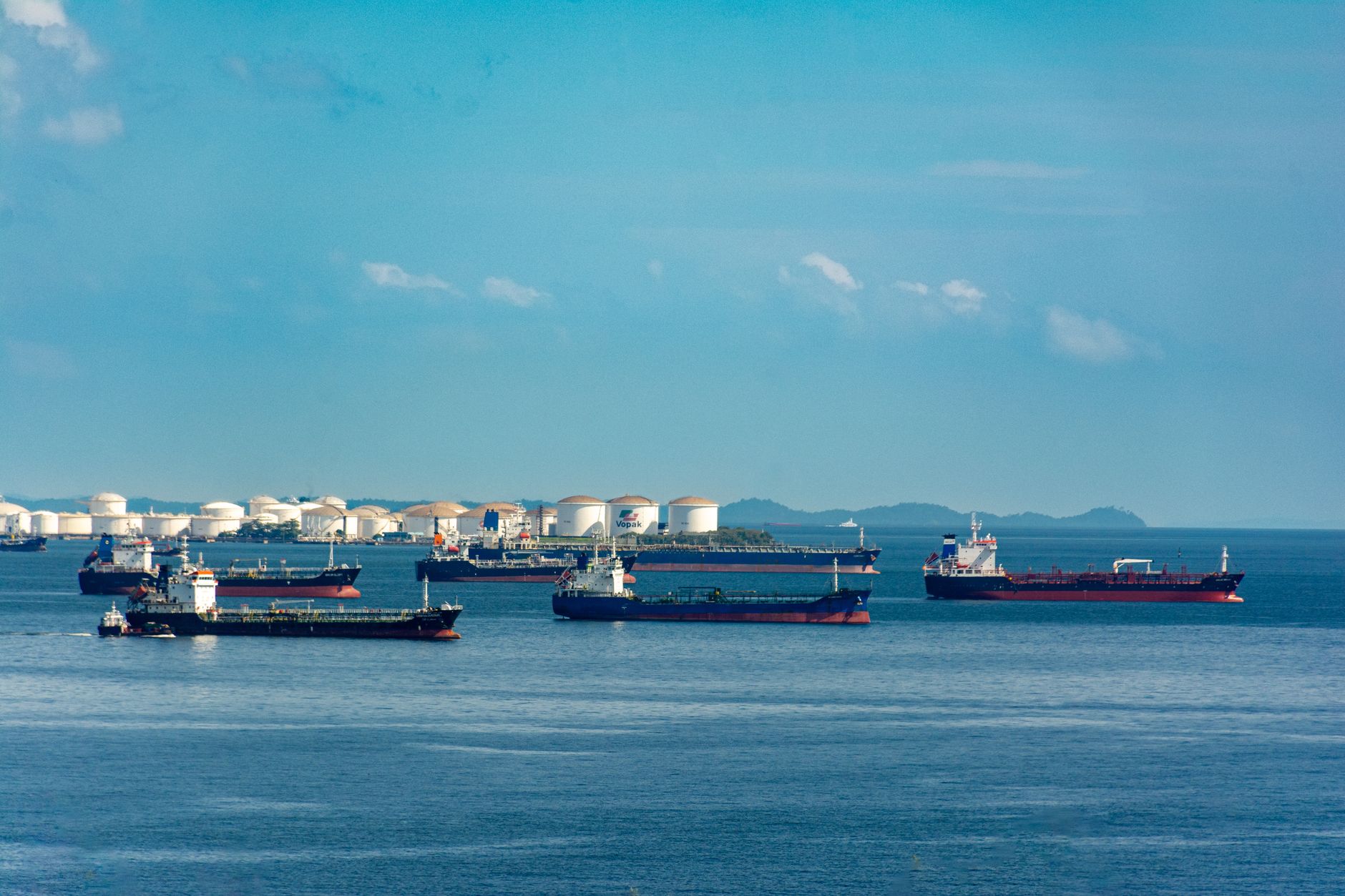
Imagem principal:Zifeng Xiong / Pexels
Irã Permite que Navios Petroleiros Iraquianos Passem pelo Estreito de Ormuz
Iran has permitted a limited number of Iraqi oil tankers to transit the Strait of Hormuz, according to state-linked media reports. The move follows months of heightened tensions in the Gulf and raises questions about Tehran’s use of oil flows as a calibrated instrument of regional influence.
The Strait of Hormuz has long been a flashpoint in Middle East energy politics, through which roughly one-fifth of the world’s seaborne oil passes. Reports that Iran has allowed some Iraqi oil tankers to transit the strait—albeit selectively—prompted scrutiny of Tehran’s strategic calculus. This synthesis examines two independent outlets’ coverage of the development, compares their findings, and assesses what the pattern reveals about Iran’s use of oil as a lever in regional diplomacy.
—
Fundo: O Estreito de Ormuz como um ponto crítico de estrangulamento de petróleo
The Strait of Hormuz connects the Persian Gulf to the Gulf of Oman and is the world’s most important oil transit chokepoint. According to the U.S. Energy Information Administration, the strait carried about 21 million barrels per day of crude oil and condensate in 2023, roughly 20% of global seaborne oil trade. Disruptions—whether through military action, regulatory interference, or political pressure—can send global oil prices surging and strain regional supply chains.
Iran has periodically threatened to close the strait in response to sanctions or perceived threats, and in 2019, it seized several foreign tankers and attacked vessels in the region. The strait’s vulnerability makes any Iranian decision to facilitate—or restrict—transit a matter of global concern.
—
O que o The Times of Israel relatou sobre a decisão do Irã
The Times of Israel reported on August 22, 2026, that Iran had “let some Iraqi oil tankers pass through the Strait of Hormuz,” citing unnamed state media outlets. The report emphasized that the move was selective and framed as a temporary or conditional measure rather than a blanket authorization. It noted that the decision followed months of high tensions in the Gulf and suggested that Iran may be using oil flows as a bargaining chip in regional negotiations.
According to The Times of Israel, the tankers in question were carrying Iraqi crude, and their passage was described as part of a broader pattern of calibrated access rather than a full normalization of shipping conditions. The outlet did not provide specific vessel names, tonnage figures, or independent confirmation of the tankers’ cargoes, relying instead on state media accounts.
The report also situated the development within the context of broader regional diplomacy, noting that Iran has previously used oil and shipping as tools in negotiations with Gulf states and Western powers. It did not claim that the decision signaled a permanent shift in Iran’s policy toward the strait.
—
O que A Nova Região relatou sobre os petroleiros iraquianos e a mídia estatal iraniana
The New Region, citing Iran’s state-run Islamic Republic News Agency (IRNA), reported on August 22, 2026, that Iran had allowed “some Iraqi tankers” to transit the Strait of Hormuz. The outlet described the move as a limited easing of restrictions, emphasizing that it was not a blanket policy change but rather a selective facilitation of specific shipments.
According to The New Region, the decision was announced through IRNA and framed as a gesture of goodwill or a reciprocal measure in the context of regional energy cooperation. The report did not provide detailed vessel tracking data or independent verification of the tankers’ identities or cargoes, instead relying on the state media statement.
The New Region’s account also highlighted the broader geopolitical context, noting that Iran has used oil and shipping as instruments of influence in past crises. It suggested that the move could be part of a broader strategy to signal flexibility while maintaining leverage over regional energy flows.
—
Comparing the two outlets: where reporting agrees and diverges
Acordos
Both outlets reported that Iran had allowed some Iraqi oil tankers to transit the Strait of Hormuz, citing state media accounts. They framed the decision as selective and temporary rather than a permanent policy shift. Both also situated the move within the context of broader regional tensions and Iran’s history of using oil and shipping as tools of influence.
Specifically, The Times of Israel and The New Region both relied on state media reports (unspecified in the former, IRNA in the latter) and did not provide independent verification of vessel identities, cargoes, or transit details. Neither outlet claimed that the decision signaled a normalization of shipping conditions through the strait.
Divergences
The Times of Israel’s report included a more explicit framing of the move as potentially linked to ongoing regional diplomacy, while The New Region’s account focused more narrowly on the state media announcement itself. The New Region explicitly named IRNA as the source, whereas The Times of Israel did not attribute the claim to a specific outlet.
Nenhuma das fontes forneceu dados concretos sobre o número de petroleiros, sua propriedade ou suas cargas, e nenhuma apresentou análise de rastreamento independente ou de impacto no mercado. As diferenças de ênfase refletem as prioridades editoriais das fontes: The Times of Israel contextualizou a medida dentro das dinâmicas regionais mais amplas, enquanto The New Region centralizou o anúncio da mídia estatal.
—
Não é uma reivindicação: a facilitação seletiva do Irã de remessas de petróleo iraquiano
The central claim emerging from both reports is that Iran has selectively permitted some Iraqi oil tankers to transit the Strait of Hormuz, likely as part of a calibrated strategy rather than a systemic policy change. This claim is supported by state media accounts cited by both outlets, but it lacks independent verification or detailed operational data.
The claim implies that Iran retains the ability to control—or at least influence—shipping flows through the strait, even as it signals limited flexibility. It also suggests that Iraq, as a neighbor and oil producer, may be receiving preferential treatment relative to other regional actors, though neither outlet provided comparative data on transit permissions for other countries’ vessels.
The selective nature of the facilitation is a key element of the claim: both outlets emphasized that the move was not a blanket authorization but rather a targeted gesture, potentially aimed at signaling goodwill or extracting concessions in ongoing negotiations.
—
What the combined evidence shows: a pattern of conditional access
Taken together, the reports from The Times of Israel and The New Region suggest a pattern of conditional access through the Strait of Hormuz, in which Iran uses oil and shipping as instruments of influence. The selective facilitation of Iraqi tankers—while not a full normalization of transit conditions—indicates that Tehran retains the ability to modulate shipping flows in response to diplomatic or economic pressures.
This pattern aligns with Iran’s historical behavior in the region, where it has repeatedly used energy flows as leverage in negotiations with Gulf states, Western powers, and international oil companies. The lack of independent verification in either report, however, means that the scope and intent of the decision remain uncertain.
The absence of detailed vessel tracking, cargo manifests, or market impact analysis in both accounts underscores the need for caution in interpreting the reports. While they collectively suggest a calibrated move by Iran, they do not provide sufficient evidence to assess the scale, duration, or strategic intent of the facilitation.
—
Quem é afetado: mercados de petróleo, estabilidade regional e empresas de navegação
Oil markets
Any disruption—or selective facilitation—of oil flows through the Strait of Hormuz can influence global oil prices and supply chains. While the reported move involves only some Iraqi tankers, even limited changes in transit conditions can affect market sentiment, particularly in Asia, which relies heavily on Gulf oil. Traders and analysts typically monitor vessel tracking data and official statements for signals of broader policy shifts, and the lack of granular data in these reports may limit their immediate market impact.
Regional stability
The Strait of Hormuz is a critical node in Gulf security architecture. Selective facilitation of Iraqi tankers—rather than a blanket authorization—could be interpreted as a signal of de-escalation, or as a tactical maneuver to maintain pressure while avoiding outright conflict. The move may ease tensions with Iraq, a key neighbor and oil partner, while leaving broader disputes with Gulf states and Western powers unresolved.
Empresas de transporte
Empresas de navegação marítima e seguradoras acompanham de perto as condições de trânsito pelo estreito. A facilitação seletiva de petroleiros iraquianos — sem uma normalização mais ampla — cria incerteza para os operadores de navios, que devem avaliar o risco de atrasos, apreensões ou taxas adicionais. A falta de diretrizes claras e publicamente disponíveis das autoridades iranianas complica a avaliação de riscos e pode levar a prêmios de seguro mais altos ou decisões de rota alternativa para alguns operadores.
—
Como a narrativa se espalha: mídia estatal vs. verificação independente
Both reports relied on state media accounts to describe Iran’s decision, highlighting the role of official narratives in shaping perceptions of regional energy flows. State media outlets in Iran, such as IRNA, often frame policy moves as gestures of goodwill or strategic flexibility, even when the operational details remain unclear.
Independent verification of such claims typically requires vessel tracking data, satellite imagery, or confirmation from shipping firms and port authorities. Neither outlet provided such data, and neither presented an alternative account of the decision. This reliance on state media sources is a recurring feature of reporting on Iran’s energy policies, where access to operational details is often restricted.
The gap between state media narratives and independent verification creates a risk of misinterpretation or manipulation. While state media accounts may accurately reflect policy intentions, they do not always capture the full operational picture, particularly in sensitive areas like the Strait of Hormuz.
—
Bandeiras vermelhas e lista de verificação para desmistificar: separando o sinal do ruído
When assessing claims about Iran’s facilitation of oil tankers through the Strait of Hormuz, consider the following warning signs and verification steps:
- Ausência de verificação independente If a report relies solely on state media accounts without corroboration from vessel tracking, port authorities, or shipping firms, treat the claim as preliminary.
- Vague operational details:Tenha cuidado com relatórios que não especificam o número de embarcações, sua propriedade, cargas ou datas de trânsito. Tais omissões podem obscurecer a escala e a intenção da decisão.
- Absence of market or shipping data: Check for evidence of actual changes in vessel movements, insurance premiums, or market prices. If such data is missing, the claim may reflect rhetoric rather than operational reality.
- Selective framing: Pay attention to how the decision is framed—whether as a gesture of goodwill, a tactical maneuver, or a broader policy shift. The framing can reveal as much about the messenger as the message.
- Contradictory or absent official statements: If Iranian authorities do not issue clear, detailed statements about the decision, be cautious in interpreting state media reports as definitive.
Para desmentir ou contextualizar tais alegações, faça referência cruzada de várias fontes, procure dados de rastreamento de navios em plataformas como MarineTraffic ou Equasis e consulte analistas de mercado em busca de sinais de mudanças reais nos fluxos de petróleo ou padrões de navegação.
—
Original analysis: Why Iran may be using oil as a calibrated tool
Taken together, the reports from The Times of Israel and The New Region suggest that Iran is using oil and shipping as a calibrated tool in its regional strategy. The selective facilitation of Iraqi tankers—rather than a blanket authorization—indicates that Tehran is maintaining leverage while signaling limited flexibility. This approach allows Iran to influence regional energy flows without fully normalizing transit conditions through the Strait of Hormuz.
Movimentos calibrados como esses são consistentes com a abordagem mais ampla do Irã à diplomacia regional, onde ele frequentemente combina pressão e engajamento para alcançar seus objetivos. Ao permitir que alguns petroleiros iraquianos transitem enquanto mantém a ameaça de restrições mais amplas, o Irã pode sinalizar boa vontade a Bagdá enquanto mantém pressão sobre os estados do Golfo e as potências ocidentais. Essa estratégia também complica os esforços de atores externos para isolar o Irã economicamente, pois demonstra que Teerã retém algum controle sobre os fluxos de energia regionais.
The lack of independent verification in the reports, however, means that the full scope and intent of the decision remain uncertain. It is possible that the move reflects tactical adjustments in response to specific diplomatic or economic pressures, rather than a broader shift in Iran’s approach to the strait. Until more granular data becomes available, the reports should be treated as indicative of a pattern rather than a definitive policy change.
—
What to watch next: monitoring shipping data and official statements
Para avaliar a importância da suposta facilitação de petroleiros iraquianos pelo Irã, os observadores devem monitorar vários indicadores-chave nas próximas semanas:
- Rastreamento de navios e escalas portuárias: Watch for changes in the number and identity of vessels transiting the strait, particularly those originating from or bound for Iraq. Platforms such as MarineTraffic, Equasis, and port authority announcements can provide real-time data on vessel movements.
- Taxas de seguro e frete: Check for changes in war-risk insurance premiums or freight rates for tankers transiting the strait. Sudden increases could signal heightened perceived risk, while stable rates may indicate that the market views the move as routine.
- Official statements from Iran and Iraq: Monitor statements from Iranian authorities, including the Ministry of Oil, the Ports and Maritime Organization, and state media outlets such as IRNA. Similarly, watch for statements from Iraqi officials or state oil companies that may confirm or clarify the reported facilitation.
- Reações do mercado: Track oil price movements and regional supply disruptions in the days following the reports. Sudden price spikes or supply constraints could indicate that the move has broader implications for global oil markets.
- Dados comparativos de trânsito: Compare transit conditions for Iraqi tankers with those for vessels from other regional producers, such as Saudi Arabia, the UAE, or Kuwait. If Iraqi tankers face fewer restrictions, it may signal a targeted diplomatic gesture rather than a systemic policy shift.
Until more concrete data emerges, the reported facilitation should be viewed as a potential signal of Iran’s evolving approach to regional energy flows, rather than a definitive policy change.
—
Perguntas Frequentes
Quantos petroleiros iraquianos foram autorizados a passar pelo Estreito de Ormuz?
Neither The Times of Israel nor The New Region provided specific numbers, vessel names, or detailed operational data. Both outlets described the move as involving “some” Iraqi tankers, without quantifying the scale of the facilitation.
Is this a permanent change in Iran’s policy toward the Strait of Hormuz?
Both outlets framed the decision as selective and temporary rather than a blanket policy change. The lack of official statements or long-term data makes it difficult to assess whether the move signals a permanent shift in Iran’s approach to the strait.
Why would Iran allow Iraqi oil tankers through the strait but restrict others?
The reports suggest that Iran may be using oil and shipping as a calibrated tool in regional diplomacy. By selectively facilitating Iraqi tankers, Iran could be signaling goodwill to Baghdad while maintaining leverage over other regional actors or ongoing negotiations with Western powers.
Como isso pode afetar os preços globais do petróleo?
Embora a mudança relatada envolva apenas alguns petroleiros iraquianos, qualquer interrupção — ou facilitação seletiva — dos fluxos de petróleo pelo Estreito de Ormuz pode influenciar o sentimento do mercado. Traders e analistas geralmente monitoram dados de rastreamento de navios e declarações oficiais em busca de sinais de mudanças mais amplas nas políticas, o que pode afetar os preços do petróleo na Ásia e além.
What independent sources could confirm or debunk these reports?
Verificação independente exigiria dados de rastreamento de navios (por exemplo, do MarineTraffic ou Equasis), anúncios de autoridades portuárias ou declarações de empresas de navegação e seguradoras. Analistas de mercado e traders de petróleo também podem fornecer insights sobre se a mudança relatada reflete uma mudança mais ampla nas condições de trânsito.
—