Esta semana, a linha de frente da guerra da informação estendeu-se das praças públicas de Praga até à desmilitarizada, expondo como o controlo de narrativas opera em todas as escalas do conflito moderno — desde legislaturas estatais até chats de grupo encriptados. O fio condutor é claro: quer o interveniente seja um governo a reestruturar os seus organismos de radiodifusão, uma empresa de consultoria a fabricar apoio popular, ou um adversário a clonar vozes militares com IA, o alvo é sempre o mesmo — a percepção pública.
A liberdade da mídia institucional sofreu pressão direta na Europa Central, onde uma revisão legislativa acelerada da radiodifusão pública desencadeou manifestações em massa e renovou o debate sobre a independência editorial. Enquanto isso, órgãos reguladores e investigativos reagiram contra consensos fabricados: o regulador de mercado da Índia agiu contra esquemas de astroturfing baseados no WhatsApp, enquanto uma investigação nos EUA revelou as camadas de uma falsa campanha de base construída em torno de um candidato político.
A semana também ressaltou como crises and conflitos servem como terreno fértil para a manipulação. Analistas mapearam a mecânica estrutural da desinformação em desastres, o Yemen Online alertou sobre operações de clonagem de voz por IA direcionadas a pessoal militar, e a Coreia do Norte mobilizou seu aparato de mídia estatal para moldar a percepção internacional sobre um incidente de fronteira contestado. Juntas, essas histórias traçam todo o espectro da guerra narrativa — democrática, criminosa e autoritária.
Esta Semana em Seis Artigos em Destaque
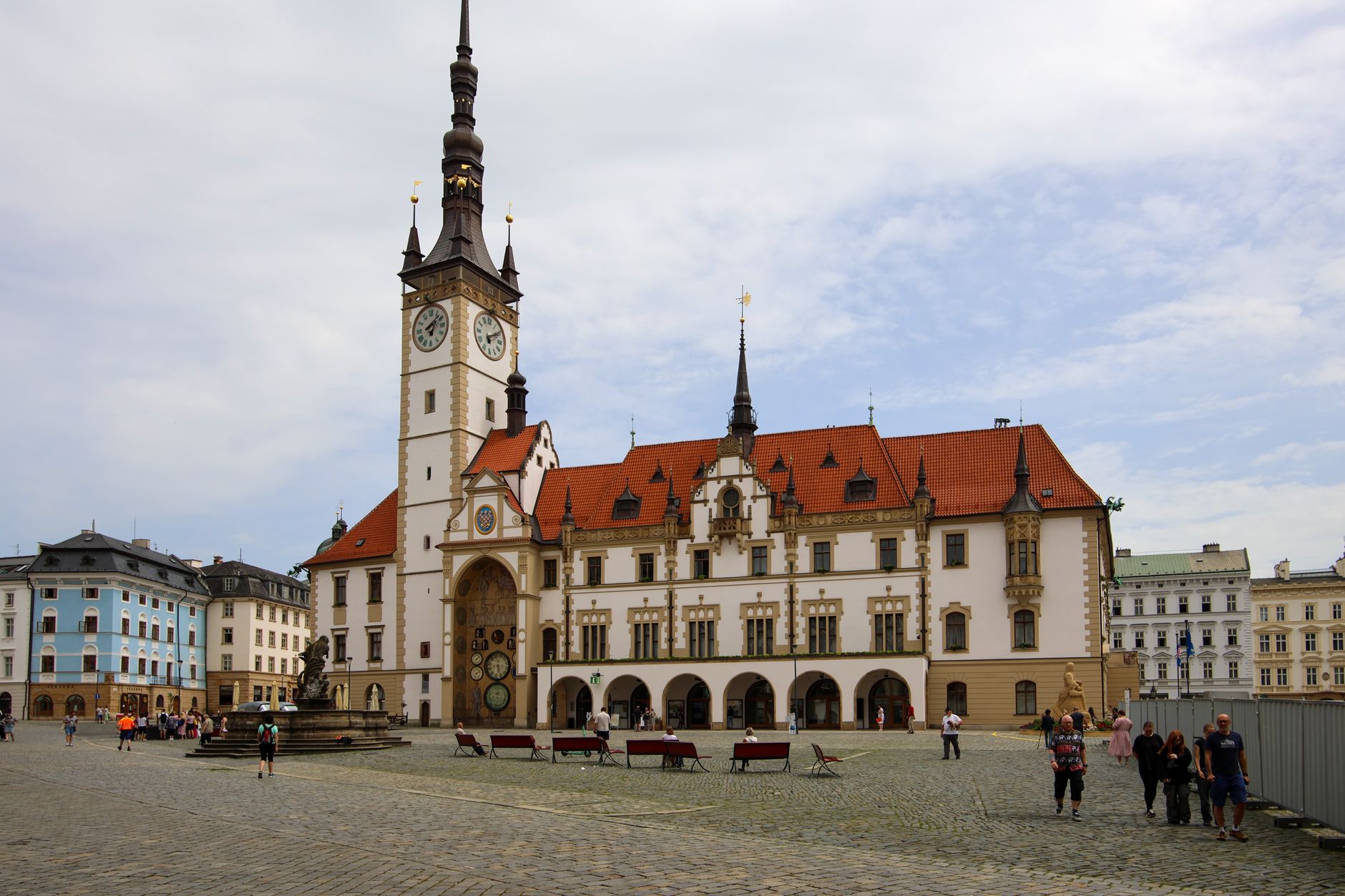
Reestruturação da Emissora Pública Checa Provoca Revolta Nacional

Thousands of Czech citizens mobilized across the country after the government pushed forward a sweeping restructuring of public broadcasting through a rushed legislative process. The protests reflect deep public anxiety over editorial independence and the future of media freedom in the country. The episode highlights how quickly governance decisions about state media can escalate into broader democratic flashpoints.
How Hostile Actors Weaponize Disasters for Disinformation

An analytical breakdown examines why natural and man-made disasters have become prime operational environments for coordinated disinformation campaigns. By mapping the structural mechanics of crisis narratives, the report shows how adversaries exploit moments of public vulnerability and information chaos. The findings position disaster disinformation as a distinct and sophisticated subset of modern information warfare.
AI Voice Cloning Emerges as a Threat to Military Personnel

Yemen Online reports on an information warfare operation targeting military personnel through advanced synthetic audio generated by AI voice cloning tools. As audio synthesis becomes cheap and accessible, state and non-state actors are leveraging it to compromise operational security and deceive service members. The case marks a significant escalation in the weaponization of generative AI for military-focused deception.
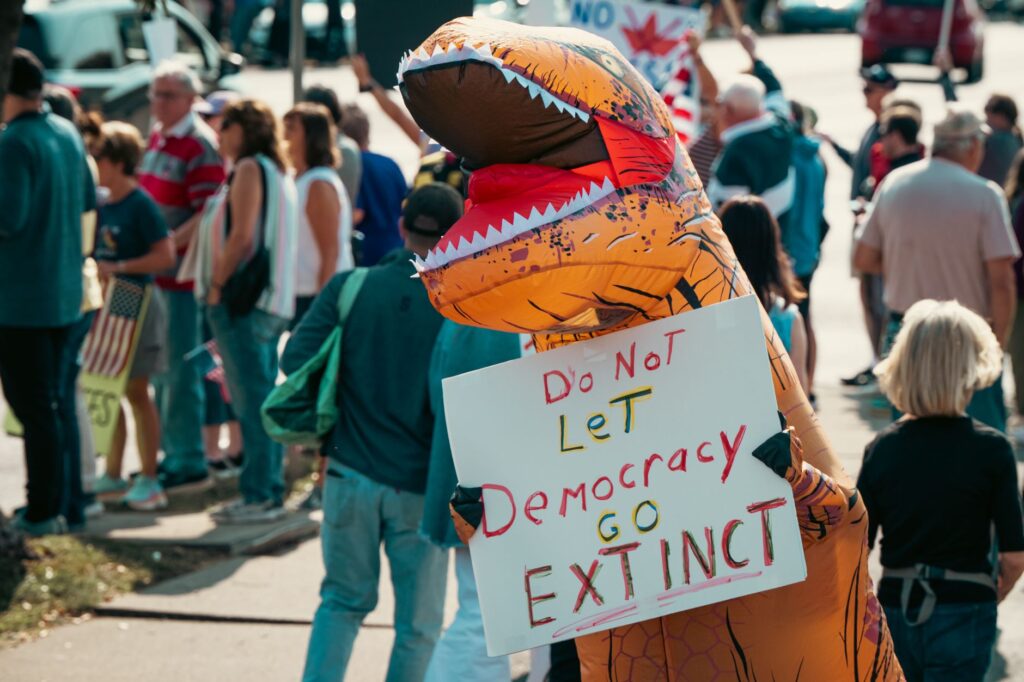
Manufactured Grassroots: Inside the Democrats for Mike Rogers Operation
Investigative reporting unpacked the operational ties between a mainstream political campaign and partisan consulting firms behind the so-called Democrats for Mike Rogers effort. The analysis reveals how fabricated grassroots movements blur the line between authentic community organizing and orchestrated political theater. It serves as a case study in the mechanics of manufactured political support.
Estratégia de Astroturfing: Democratas pedem investigação sobre Mike Rogers
Astroturfing Strategy: Democrats for Mike Rogers Investigation Recent investigative reporting has cast a spotlight on sophisticated electoral manipulation tactics, revealing how political strategies can blur the lines of authentic grassroots movement building. By examining the operational ties between mainstream political campaigns and partisan consulting firms, this analysis unpacks the mechanics of manufactured political support. Modern … Read more
KCNA Dispatch: North Korea's Official Denial of a Disputed Landmine

An investigative analysis examines how North Korean state media, through the Korean Central News Agency, communicated its official position on a disputed border incident to the United Nations. The report dissects the mechanisms of institutional narrative control and official denial embedded in the dispatch. It offers a rare window into how authoritarian regimes package propaganda for diplomatic audiences.
Principais Pontos
- Public media restructuring can trigger mass democratic resistance, as demonstrated by the nationwide Czech protests over broadcast overhauls.
- Disasters increasingly serve as operational windows for coordinated disinformation, exploiting public vulnerability and information vacuums.
- AI voice cloning has graduated from novelty to active weapon, with military personnel now targeted through synthetic audio operations.
- Regulators and investigators are closing in on astroturfing, from SEBI’s crackdown on WhatsApp stock schemes to exposed fake grassroots campaigns in electoral politics.
- State media remains a core instrument of authoritarian narrative control, shaping everything from border disputes to international diplomatic perception.
Explore mais da nossaMídia, Propaganda & Controle de Narrativa.