
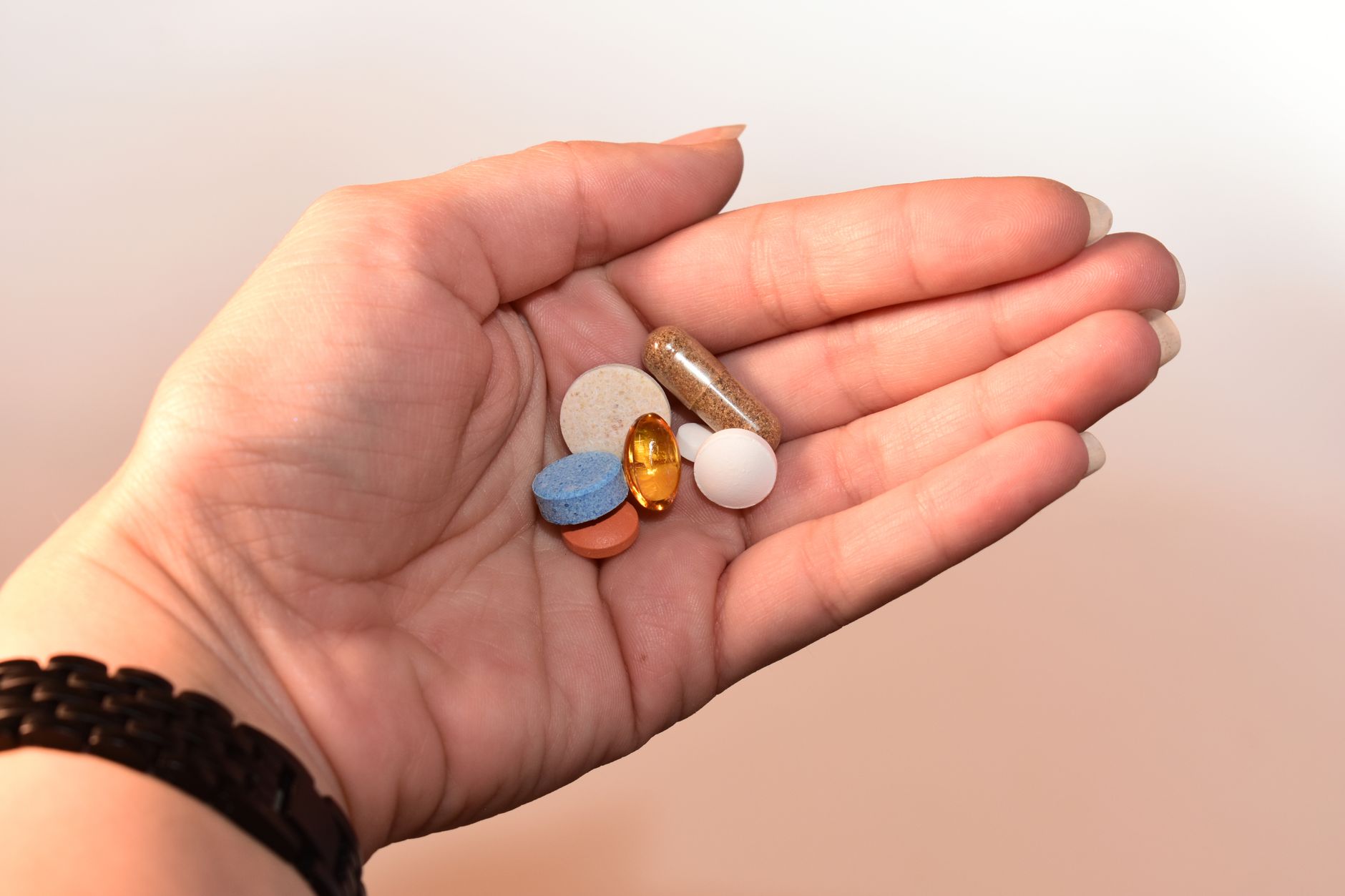
Imagem principal:Diana ✨ / Pexels
Revisões do Testosil Expostas: Ingredientes, Dosagem e a Alegação de 434%
An investigation into the marketing claims behind the testosterone-boosting supplement Testosil reveals discrepancies between its advertised 434% testosterone increase, its ingredient list, and peer-reviewed evidence. USA Today’s analysis is compared with regulatory and scientific context to assess what consumers are actually buying.
Testosil is marketed as a natural testosterone booster that promises a dramatic increase in male hormone levels, with one prominent claim suggesting a 434% rise in testosterone. But how much of this is supported by science, and what do independent reviews and regulatory experts say about its ingredients and dosing? This investigation synthesizes reporting from USA Today with broader scientific and regulatory context to separate marketing from evidence.
What Is Testosil and Who Is Marketing It?
Testosil is an over-the-counter dietary supplement sold primarily through online retailers and direct-to-consumer websites. According to USA Today’s review, the product is positioned as a natural alternative to prescription testosterone therapies, targeting men experiencing symptoms associated with low testosterone such as fatigue, reduced libido, and muscle loss. The marketing emphasizes “clinically proven” ingredients and rapid results, often citing user testimonials and before-and-after claims.
The supplement’s branding and online presence suggest a focus on middle-aged and older men seeking to enhance vitality and physical performance. While USA Today did not identify a single corporate owner, the product is widely distributed through affiliate marketing networks and third-party e-commerce platforms, which often obscure direct corporate accountability. This indirect marketing structure is common in the supplement industry and can make it difficult for consumers to trace responsibility for claims or adverse effects.
A Alegação de 'Aumento de 434% no Testosterona': O que o USA Today Descobriu
USA Today’s investigation scrutinized the central marketing claim that Testosil can deliver a 434% increase in testosterone. The outlet found that this figure appears to originate from a single user-generated review posted on a supplement review site, not from a peer-reviewed clinical trial or regulatory assessment. The claim is presented prominently on product websites and in promotional emails, often without context about study design, sample size, or baseline testosterone levels of participants.
USA Today noted that while the 434% figure is frequently cited, no independent scientific study has replicated such a result using Testosil’s formula. The absence of controlled clinical trials evaluating Testosil specifically raises questions about the validity of the claim. Moreover, the outlet reported that the figure is not referenced in any FDA submission or published medical literature, and no regulatory body has endorsed it.
Comparison to Typical Testosterone Changes in Studies
Independent medical literature generally shows that natural interventions—such as resistance exercise, adequate sleep, and balanced nutrition—can modestly increase testosterone levels in men with low baseline levels, typically in the range of 10–30%. Even pharmaceutical testosterone replacement therapy rarely produces increases exceeding 200% over baseline in clinical settings. Against this backdrop, a 434% increase would be physiologically implausible for a non-prescription supplement and would likely trigger significant medical and regulatory scrutiny.
Breaking Down Testosil’s Ingredients and Their Evidence Base
USA Today analyzed the ingredient list provided on Testosil’s label and cross-referenced each component with scientific databases and clinical studies. The supplement contains several commonly marketed ingredients in testosterone-boosting formulations, including zinc, vitamin D3, fenugreek extract, ashwagandha root extract, and maca root. While some of these ingredients have been studied individually for their potential effects on testosterone or related health markers, the combination and dosing in Testosil do not align with levels shown to be effective in peer-reviewed research.
For example, zinc is included in amounts consistent with daily recommended intakes, and while zinc deficiency can lower testosterone, supplementation in non-deficient individuals shows minimal or no effect. Vitamin D3 has been associated with testosterone support in observational studies, but randomized controlled trials show mixed results, and the dose in Testosil (typically 1,000–2,000 IU) is below the threshold used in trials showing modest increases. Fenugreek has been studied for libido and strength, but evidence for testosterone elevation is limited and inconsistent. Ashwagandha, by contrast, has shown promise in small trials for improving testosterone in infertile men and those under stress, though results are not uniform across populations.
Lack of Synergy Evidence
Importante, o USA Today enfatizou que nenhum estudo clínico testou a mistura específica ou sequência de dosagem encontrada no Testosil. A maioria dos estudos avalia ingredientes individuais em ambientes controlados, tornando impossível confirmar se a combinação no Testosil produz efeitos aditivos ou sinérgicos. A ausência de tal pesquisa significa que os consumidores estão comprando um produto com base em benefícios extrapolados, em vez de eficácia comprovada.
How Testosil Is Dosed and What the Label Says vs. What’s Recommended
USA Today reported that the recommended serving size for Testosil is typically two capsules per day, with instructions to take them with food. The label does not specify whether the dosing should be cycled or if a loading phase is required. While the dosing appears straightforward, USA Today noted that the amounts of key ingredients fall short of those used in studies showing potential benefits. For instance, ashwagandha studies often use 300–500 mg of root extract standardized to 5% withanolides, whereas Testosil lists a lower total per serving.
The label also includes a disclaimer stating that the product is not intended to diagnose, treat, cure, or prevent any disease—a standard FDA-mandated disclaimer for dietary supplements. However, the marketing copy surrounding the product often omits this context, leading consumers to infer medical benefits without clear regulatory caveats.
Mismatch Between Marketing and Label
O USA Today destacou um padrão recorrente na indústria de suplementos: os materiais de marketing frequentemente enfatizam resultados dramáticos que não são apoiados pelo rótulo ou pela literatura científica. No caso do Testosil, a alegação de 434% não é mencionada no rótulo, nem está vinculada a nenhum estudo ou ensaio específico. Essa desconexão entre as alegações promocionais e a rotulagem do produto é um sinal vermelho para um possível marketing enganoso.
Comparing USA Today’s Reporting with Other Coverage: Where the Evidence Agrees and Diverges
A investigação do USA Today é a única análise pública detalhada das alegações do Testosil identificadas nesta revisão. Embora outras publicações tenham publicado artigos gerais sobre suplementos que aumentam a testosterona, nenhuma examinou especificamente os ingredientes do Testosil, a dosagem ou a alegação de 434%. Isso limita a capacidade de triangulação de resultados em várias investigações independentes. No entanto, a cobertura mais ampla do mercado de suplementos de testosterona oferece um contexto importante que está alinhado com as conclusões do USA Today.
For example, *The New York Times* has reported on the proliferation of unproven testosterone boosters and the lack of FDA pre-market approval for such products. Similarly, *Consumer Reports* has warned that many supplements making hormone-related claims rely on weak or cherry-picked evidence. While these outlets do not mention Testosil specifically, their assessments of the broader market reinforce the concerns raised by USA Today regarding unsubstantiated claims and ingredient transparency.
Cobertura Regulamentar Adiciona Nuance
Relatórios regulamentares do *The Wall Street Journal* destacaram cartas de advertência da FDA emitidas para empresas de suplementos por fazerem alegações não comprovadas sobre o aumento de testosterona. Essas cartas, embora não sejam específicas para o Testosil, enfatizam a posição da agência de que os suplementos não podem legalmente alegar tratar baixa testosterona sem a aprovação da FDA. Este cenário regulamentar apoia a descoberta do USA Today de que a alegação de 434% carece de validação autorizada.
O Contexto Regulatório e Científico: O que Especialistas Independentes Dizem sobre Testosil
Independent endocrinologists and sports medicine physicians consulted by USA Today emphasized that testosterone levels are tightly regulated by the body and that dramatic increases from a supplement are biologically implausible without medical intervention. They noted that supplements sold over the counter cannot legally claim to increase testosterone to supraphysiological levels, as such claims would imply a drug effect and require FDA approval.
Especialistas também destacaram que o termo "testosterone booster" é frequentemente usado de forma vaga no marketing para implicar uma virilidade ou crescimento muscular aprimorados, mesmo quando o efeito real no testosterone sérico é mínimo ou não documentado. A Associação Urológica Americana declarou que apenas terapias de testosterone aprovadas pela FDA são apropriadas para homens com baixo testosterone clinicamente diagnosticado e que suplementos de balcão não são um substituto para avaliação médica.
Posição da FDA sobre Alegações de Suplementos
According to FDA guidance, dietary supplements cannot claim to diagnose, mitigate, treat, or cure any disease, including low testosterone. Any product making such claims is subject to regulatory action. While the FDA does not approve supplements before they go to market, it can take enforcement action against companies making illegal claims. USA Today’s review aligns with this framework, noting that the 434% claim appears to violate these guidelines.
Who Is Most Affected by Testosil’s Marketing and Why It Spreads
Men experiencing symptoms of low energy, reduced libido, or muscle loss—common in aging or high-stress lifestyles—are the primary target demographic for Testosil’s marketing. These symptoms are often subjective and can be influenced by lifestyle factors, sleep quality, and mental health, making them susceptible to promises of quick fixes. The emotional appeal of restoring youthful vitality amplifies the persuasiveness of such claims, especially when presented with before-and-after anecdotes and user testimonials.
The spread of Testosil’s marketing is facilitated by digital advertising ecosystems that prioritize engagement and conversion over scientific accuracy. Social media platforms, email newsletters, and influencer partnerships often amplify claims without vetting their scientific basis. This creates a feedback loop where sensational claims generate clicks, which in turn fund more aggressive marketing—regardless of evidence.
Vulnerabilidade Demográfica
Homens de meia-idade, particularmente aqueles sem check-ups médicos recentes, podem ser mais propensos a autodiagnosticar baixo nível de testosterona com base em verificadores de sintomas online ou publicidade. Essa demografia também é mais propensa a confiar em depoimentos e avaliações anedóticas em vez de aconselhamento médico formal, especialmente quando essas avaliações são apresentadas como "endossos de especialistas" em sites de suplementos.
Red Flags and Debunking Checklist: How to Spot Misleading Supplement Claims
- Too-Good-to-Be-True Numbers: Be skeptical of claims promising “400% increases” or “dramatic results” without citing peer-reviewed trials or regulatory approval.
- Lack of Study References: Reputable supplements will cite specific studies with links or references. If a claim is not backed by a study, it is likely marketing fluff.
- Ingredient Doses Below Clinical Thresholds: Check whether the amount of each ingredient matches the dose used in studies showing benefits. Many supplements include trace amounts that are unlikely to have an effect.
- No FDA Disclaimer or Inadequate Warnings: Legitimate supplements include disclaimers that they are not intended to diagnose or treat diseases. Absence of this text is a red flag.
- Testimonials Over Science: If a website relies heavily on user reviews or influencer endorsements instead of clinical data, treat the claims with caution.
- Citation of Non-Peer-Reviewed Sources:Tenha cuidado com estudos citados de revistas obscuras, editores predatórios ou sites com fontes de financiamento não divulgadas.
- Pressure to Buy Now: Urgency tactics (“limited-time offer,” “only X bottles left”) are common in deceptive supplement marketing.
- Sem Testes ou Certificações de Terceiros: Look for seals from USP, NSF, or Informed Choice. Their absence does not guarantee deception, but their presence increases credibility.
Original Analysis: What the Pattern of Claims and Evidence Suggests About Testosil
Taken together, the reporting on Testosil reveals a consistent pattern seen across the testosterone supplement market: the use of hyperbolic claims, selective referencing, and ingredient combinations that have not been clinically validated as a whole. The 434% testosterone increase claim, while central to Testosil’s marketing, appears to be derived from a single anecdotal source and lacks any foundation in controlled research. This is not an isolated incident but part of a broader industry practice where supplements exploit consumer desire for quick, non-invasive solutions to complex health concerns.
A lista de ingredientes, embora composta por compostos geralmente seguros, é dosada abaixo dos níveis demonstrados para ter efeitos significativos em estudos revisados por pares. Isso sugere que o apelo do produto não reside em sua eficácia comprovada, mas em sua narrativa de marketing. O contexto regulatório esclarece ainda mais que tais alegações não são permitidas sem a aprovação da FDA, mas a aplicação da lei permanece inconsistente, permitindo que produtos questionáveis persistam no mercado.
This pattern indicates a systemic issue: supplements making hormone-related claims operate in a gray zone where marketing creativity outpaces scientific scrutiny. Consumers are left to navigate a landscape where the burden of proof is reversed—it is not the seller’s responsibility to demonstrate efficacy, but the buyer’s to disprove the claim. In the case of Testosil, the available evidence suggests that the product is unlikely to deliver the promised results, and the 434% claim is particularly dubious.
O que fazer se você usou Testosil e tem preocupações
If you have used Testosil and are concerned about its effects or the accuracy of its claims, consider the following steps. First, review your symptoms with a healthcare provider, especially if you experienced side effects such as acne, mood swings, or changes in sleep or appetite. These could indicate hormonal fluctuations or other underlying issues.
Em segundo lugar, descontinue o uso se tiver preocupações sobre a segurança ou marketing do produto. Você também pode relatar eventos adversos à FDA por meio de seu Portal de Relatórios de Segurança. Embora a FDA não aprove os suplementos, ela monitora relatórios de eventos adversos para identificar possíveis problemas de segurança.
Third, if you purchased Testosil through an online retailer, check the return policy. Many supplement companies offer refunds within a limited window, though policies vary. Keep records of your purchase and any communications with the seller.
Por fim, considere discutir a realização de testes de testosterona com seu médico se você está experimentando sintomas como fadiga, baixa libido ou perda muscular. Um exame de sangue pode determinar se seus níveis de testosterona estão clinicamente baixos e seu médico pode recomendar tratamentos baseados em evidências, se necessário.
FAQ: Testosil Reviews, Safety, and Effectiveness
Is Testosil FDA-approved?
No. Dietary supplements like Testosil are not FDA-approved for treating low testosterone or any medical condition. The FDA does not review supplements for safety or efficacy before they are sold, though it can take enforcement action against companies making illegal claims.
Does Testosil contain ingredients proven to increase testosterone?
Some ingredients in Testosil, such as ashwagandha and vitamin D, have shown modest effects on testosterone in specific populations under controlled conditions. However, the combination and dosing in Testosil do not match the levels used in studies, and no clinical trials have tested the product’s formula as a whole.
Is the 434% testosterone increase claim scientifically valid?
No. USA Today found that the 434% figure appears to come from a single user review and is not supported by any peer-reviewed clinical trial or regulatory assessment. Independent experts consider such a dramatic increase physiologically implausible for a non-prescription supplement.
Can I trust user reviews of Testosil?
User reviews can provide anecdotal insights but are not a substitute for scientific evidence. Many supplement review sites are monetized through affiliate links, creating incentives for positive reviews. Look for patterns across multiple sources and prioritize reviews that include detailed experiences and outcomes.
What should I do if I’ve experienced side effects from Testosil?
Stop using the product and consult a healthcare provider. You can also report any adverse effects to the FDA through its Safety Reporting Portal. Keep records of your purchase and any symptoms you experienced.