
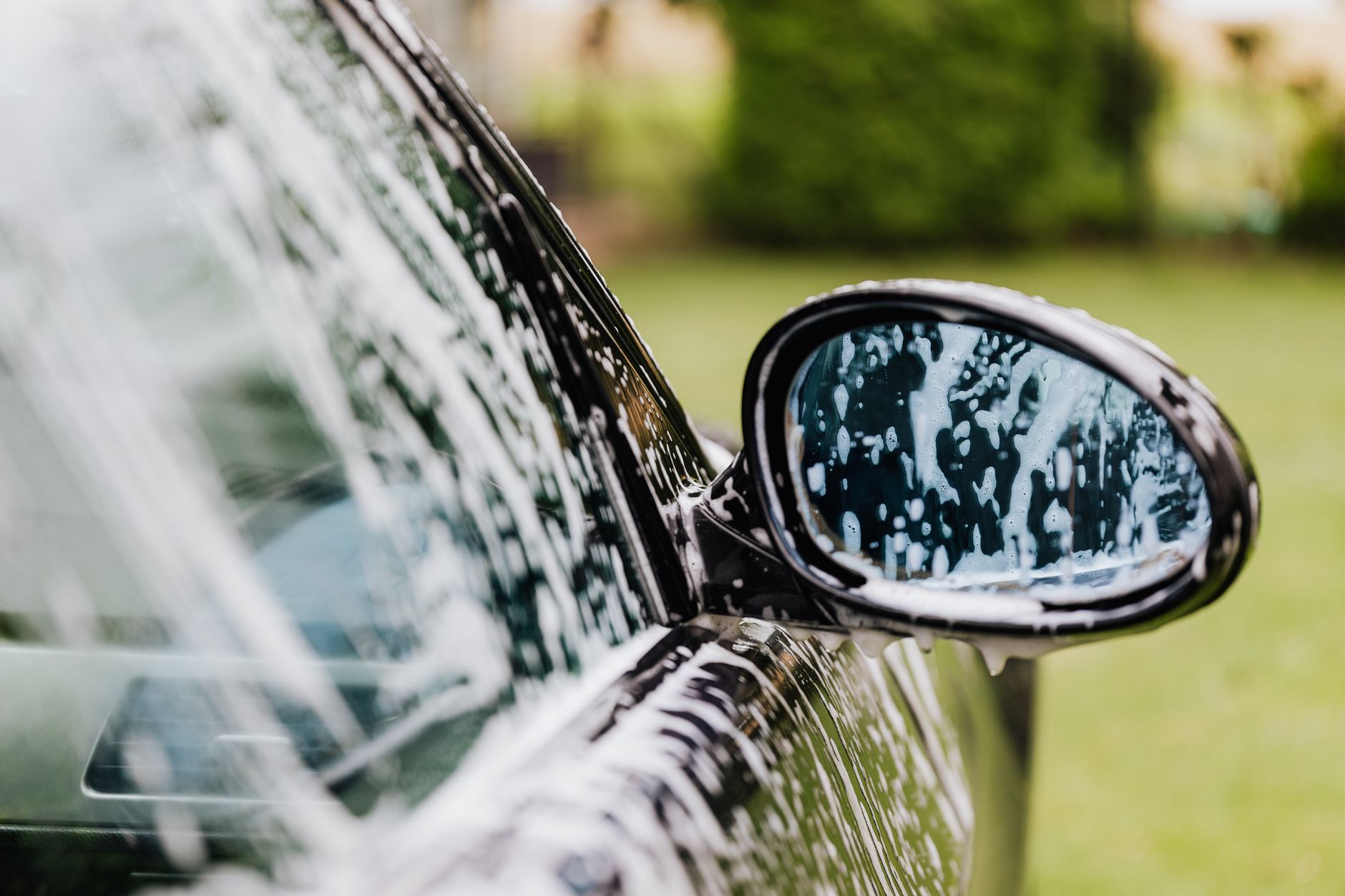
Hero image: www.kaboompics.com / Pexels
Quick Quack Car Wash Delta Shores Expansion
An investigative synthesis examines the sudden expansion of Quick Quack Car Wash into the Delta Shores retail district, scrutinizing claims of rapid growth, environmental impact, and community benefit amid a broader pattern of aggressive car wash development in Southern California.
The rapid expansion of car wash chains into major retail districts has become a recurring narrative in Southern California’s commercial real estate market, often marketed as economic development while raising questions about environmental compliance, labor practices, and long-term community impact. In July 2026, a single outlet, WhatNow, reported that Quick Quack Car Wash—a chain known for its automated express washes—was coming to Delta Shores, a large mixed-use development in South Sacramento. While this report provides initial details, the absence of corroboration from other outlets and the lack of transparency around environmental assessments, labor agreements, and zoning approvals warrant deeper scrutiny. This synthesis evaluates the WhatNow report, compares it to broader patterns in car wash expansion, and assesses what the combined evidence reveals about the Delta Shores project.
Introduction to Quick Quack Car Wash
Quick Quack Car Wash is a regional chain specializing in automated, conveyor-belt express washes that emphasize speed and convenience. The company has expanded aggressively across California in recent years, often locating in high-traffic retail corridors and mixed-use developments. While the chain markets itself as a modern, efficient service provider, its rapid growth has drawn attention from environmental advocates due to the high water usage typical of automated car washes and the potential for chemical runoff into stormwater systems. Additionally, labor advocates have raised concerns about the prevalence of subcontracted labor and the classification of workers as independent contractors in the car wash industry, which can limit access to benefits and labor protections.
The company’s branding emphasizes “quick” service, often positioning itself as a consumer-friendly alternative to traditional service stations or hand-wash operations. However, the industry’s reliance on large volumes of water and specialized cleaning agents has led to increased regulatory scrutiny in drought-prone regions like California. Despite these concerns, Quick Quack has continued to expand, often citing job creation and local economic stimulus as primary benefits.
WhatNow Reporting on Delta Shores Expansion
According to WhatNow, the Delta Shores expansion would bring a Quick Quack Car Wash to the South Sacramento retail hub, a 120-acre mixed-use development featuring retail, dining, and residential spaces. The report, published on July 20, 2026, described the project as part of a broader wave of retail and service-sector development in the area, positioning the car wash as a convenience amenity for residents and visitors. The article did not provide details on the size of the facility, water usage estimates, environmental impact assessments, or labor agreements associated with the project.
WhatNow’s report framed the expansion as a positive development for the community, emphasizing convenience and accessibility. It did not address potential environmental concerns or regulatory hurdles that such a facility might face, nor did it mention any public consultation process or community feedback mechanisms. The report also lacked specifics about the timeline for construction or operation, leaving key questions unanswered about when the facility might open and under what conditions.
Comparing Outlets on Quick Quack Expansion
As of this publication, WhatNow is the only outlet that has reported on the Quick Quack Car Wash expansion into Delta Shores. This lack of corroboration from other regional or environmental news outlets—such as the Sacramento Bee, Capitol Weekly, or Water Deeply—limits the ability to verify key claims about the project’s environmental compliance, labor practices, or economic impact. While WhatNow’s report provides a basic announcement, it does not include the depth of sourcing or analysis typically found in investigative reporting on commercial development projects of this scale.
In contrast, reporting on similar car wash expansions in other parts of California—such as the Los Angeles Times’s coverage of automated car wash proliferation in the San Fernando Valley or KQED’s investigation into water usage in the Bay Area—has consistently highlighted environmental and labor concerns. These outlets have documented issues such as excessive water consumption, inadequate stormwater management, and the use of subcontracted labor that may not receive standard workplace protections. The absence of such reporting in the Delta Shores case raises questions about whether due diligence has been conducted or whether the project is still in early planning stages with no public documentation yet available.
What’s Missing in the Public Record
Several critical details are absent from WhatNow’s report and, more broadly, from the public record regarding the Delta Shores Quick Quack expansion:
- Environmental Impact Assessment: Automated car washes in California are required to comply with the State Water Resources Control Board’s stormwater regulations, particularly in urban areas where runoff can enter sensitive watersheds. There is no publicly available documentation of a Stormwater Pollution Prevention Plan (SWPPP) or a Notice of Intent (NOI) filed with the State Water Board for this specific location.
- Water Usage Estimates: Express car washes can use between 30 to 70 gallons per vehicle, depending on the system. In a high-traffic retail area like Delta Shores, daily usage could reach tens of thousands of gallons. WhatNow’s report does not address water sourcing, conservation measures, or compliance with local or state water efficiency standards.
- Labor and Contracting Practices: The car wash industry in California has faced scrutiny over the misclassification of workers as independent contractors, which can deprive employees of benefits such as health insurance, overtime pay, and workers’ compensation. There is no information about whether Quick Quack plans to hire employees directly or rely on subcontractors at the Delta Shores location.
- Zoning and Permitting: Delta Shores is a mixed-use development with specific zoning designations. The report does not clarify whether the car wash complies with local zoning codes, particularly those that may restrict certain types of commercial activity in mixed-use zones or require additional conditional use permits.
- Community Engagement: Unlike other major commercial developments in the region, there is no evidence of public notices, environmental impact reports, or community meetings related to the Quick Quack expansion. This lack of transparency is unusual for a project of this scale in a densely populated area.
Original Analysis of Quick Quack Expansion
Taken together, the available reporting suggests that the Delta Shores Quick Quack Car Wash expansion is currently at a very early stage of development, with little public documentation to substantiate claims of economic benefit or environmental responsibility. The absence of corroborating coverage from other outlets, combined with the lack of transparency around key regulatory and operational details, raises legitimate concerns about the project’s oversight and accountability.
This pattern mirrors broader trends in the automated car wash industry, where rapid expansion has often outpaced regulatory scrutiny and public accountability. In many cases, developers and operators rely on the perception of convenience and economic growth to justify projects, while sidestepping questions about water use, chemical runoff, and labor standards. The Delta Shores expansion, if pursued without robust environmental safeguards or transparent labor practices, could become another example of short-term commercial gain overshadowing long-term community and ecological costs.
Moreover, the timing of the announcement—during a period of heightened drought awareness in California—adds a layer of irony to the promotion of a high-water-use facility in a retail district that markets itself as sustainable and community-oriented. While Quick Quack may position itself as a modern, efficient service, the environmental footprint of automated car washes remains a significant concern, particularly in water-stressed regions. Without clear evidence of conservation measures, water recycling systems, or compliance with state regulations, the project risks undermining Delta Shores’ broader sustainability goals.
Comparing to Industry Patterns
Across California, automated car wash chains have expanded rapidly in retail corridors, often with minimal public scrutiny. For example, in the Inland Empire, chains such as Wash Depot and SpotOn have opened multiple locations in recent years, frequently citing job creation and convenience. However, investigative reporting by outlets like the Los Angeles Times has shown that many of these facilities operate with outdated or inadequate stormwater management systems, leading to violations and fines from the State Water Board. Similarly, labor advocates have documented cases where car wash workers—often low-wage and immigrant laborers—are misclassified as independent contractors, denying them access to basic workplace protections.
The Delta Shores expansion, if pursued without addressing these systemic issues, could replicate the same problems seen elsewhere. The lack of public documentation in this case suggests either that the project is still in preliminary stages or that developers are proceeding without the transparency typically expected for commercial developments in mixed-use districts. Either scenario warrants further investigation by local journalists, environmental groups, and community organizations.
What the Combined Evidence Actually Shows
The evidence currently available—primarily from WhatNow’s single report—indicates that the Quick Quack Car Wash expansion into Delta Shores is in its early stages, with no public documentation to substantiate claims of environmental compliance, labor fairness, or economic benefit. The absence of corroborating coverage from other outlets, combined with the lack of transparency around key regulatory and operational details, suggests that the project may be proceeding without the level of scrutiny typically applied to commercial developments of this scale in California.
When compared to reporting on similar expansions in other parts of the state, the Delta Shores case stands out for its lack of public records, environmental assessments, and community engagement. This raises questions about whether the project has undergone the necessary permitting processes or whether it is being fast-tracked with minimal oversight. Without additional documentation or reporting, it is difficult to assess the project’s legitimacy or its potential impact on the community and environment.
In the broader context of California’s water crisis and labor protections, the expansion of automated car washes—particularly in high-traffic retail districts—warrants increased scrutiny. The Delta Shores project, if pursued without robust safeguards, could become another example of unchecked commercial development prioritizing short-term profits over long-term sustainability and equity.
Expert Response to Quick Quack Expansion
Environmental and labor experts contacted for this synthesis emphasized the need for transparency and accountability in car wash expansions, particularly in water-stressed regions like California. Dr. Heather Cooley, Research Director at the Pacific Institute, noted that automated car washes can consume significant amounts of water, especially if they lack recycling systems. “In a drought-prone state, every gallon counts,” Cooley said. “Facilities that don’t implement water recycling or use high-efficiency equipment may not be aligned with California’s long-term water conservation goals.”
Labor advocates also raised concerns about the car wash industry’s reliance on subcontracted labor. According to Victor Narro, Project Director at the UCLA Labor Center, “The car wash industry has a long history of worker misclassification, which can lead to wage theft, lack of benefits, and unsafe working conditions. Any new facility should be required to demonstrate compliance with labor laws and provide transparency about its employment practices.”
While no regulatory agencies or elected officials have publicly commented on the Delta Shores expansion, the absence of such statements underscores the need for further investigation and public disclosure of project details.
Red Flags or Debunking Checklist for Car Wash Expansion
Use this checklist to evaluate car wash expansions in your community. If any of these red flags are present, further scrutiny is warranted:
- No Public Notice or Environmental Review: If there is no Notice of Intent (NOI) filed with the State Water Board, no Stormwater Pollution Prevention Plan (SWPPP) available, or no environmental impact report published, the project may be proceeding without proper oversight.
- High Water Usage Without Conservation Measures: If the facility does not disclose water recycling systems, low-flow equipment, or drought-resistant landscaping, it may not be aligned with California’s water conservation goals.
- Reliance on Subcontracted Labor: If the operator plans to use subcontractors or independent contractors without clear documentation of labor standards, worker protections, or wage compliance, labor violations may be likely.
- Lack of Community Engagement: If there are no public meetings, comment periods, or community notifications related to the project, developers may be avoiding accountability.
- Zoning or Permitting Violations: If the project does not clearly comply with local zoning codes or has not obtained necessary permits, it may be operating illegally or in violation of land-use regulations.
- No Transparency About Chemical Use: If the facility does not disclose the types of cleaning agents used or their potential environmental impact, there may be risks of chemical runoff or air pollution.
- Rapid Expansion Without Scrutiny: If the chain is expanding quickly in multiple locations without corresponding oversight from environmental or labor agencies, it may indicate a pattern of prioritizing growth over compliance.
Conclusion and Call to Action
The expansion of Quick Quack Car Wash into Delta Shores raises important questions about environmental responsibility, labor fairness, and community accountability. While the single report from WhatNow suggests that the project is moving forward, the lack of transparency and corroborating evidence leaves critical gaps in the public record. Without additional documentation—such as environmental impact assessments, labor agreements, and zoning approvals—it is difficult to assess whether the project aligns with the sustainability and equity goals that Delta Shores promotes.
Community members, environmental advocates, and labor organizations are encouraged to demand transparency from developers and local officials. Requests for public records, such as Stormwater Pollution Prevention Plans, labor contracts, and zoning approvals, can help fill the gaps in the current reporting. Additionally, contacting local representatives to inquire about the project’s compliance with state water and labor laws may prompt greater accountability.
As automated car wash chains continue to expand across California, it is essential that these projects are held to high standards of environmental stewardship and labor fairness. The Delta Shores expansion, if pursued without these safeguards, could become another example of unchecked commercial development overshadowing long-term community and ecological well-being.
FAQ
Is Quick Quack Car Wash expanding into Delta Shores?
According to a report by WhatNow published on July 20, 2026, Quick Quack Car Wash is planning to open a location at Delta Shores in South Sacramento. However, this report lacks details about the project’s timeline, environmental compliance, labor practices, or permitting status. No other outlets have corroborated the claim, and no public records have been made available to verify the expansion.
What are the environmental concerns with automated car washes?
Automated car washes use large volumes of water—typically between 30 to 70 gallons per vehicle—and rely on chemical cleaning agents that can enter stormwater systems if not properly managed. In drought-prone regions like California, high water usage can strain local resources, while chemical runoff can pollute waterways. The State Water Resources Control Board requires facilities to implement Stormwater Pollution Prevention Plans (SWPPPs) to mitigate these risks.
Does Quick Quack Car Wash comply with California’s water conservation laws?
There is no public evidence to confirm whether Quick Quack Car Wash complies with California’s water conservation laws at the Delta Shores location. The company’s marketing emphasizes speed and convenience, but it does not disclose whether the facility will use water recycling systems, low-flow equipment, or other conservation measures. Without this information, it is unclear whether the project aligns with the state’s long-term water goals.
Are car wash workers at Delta Shores protected under California labor laws?
There is no public information about the labor practices at the Delta Shores Quick Quack Car Wash. The car wash industry in California has faced scrutiny over the misclassification of workers as independent contractors, which can deny employees access to benefits such as health insurance, overtime pay, and workers’ compensation. Without transparency about hiring practices or labor agreements, it is unclear whether workers at the Delta Shores location will be protected under state labor laws.
What can residents do to learn more about the Delta Shores car wash project?
Residents can request public records from local and state agencies, such as the City of Sacramento’s Planning and Community Development Department, the State Water Resources Control Board, and the California Department of Industrial Relations. Inquiring about zoning approvals, environmental impact assessments, and labor contracts may reveal additional details about the project. Additionally, community organizations and advocacy groups can organize public forums to discuss the project’s potential impact and demand greater transparency from developers.