
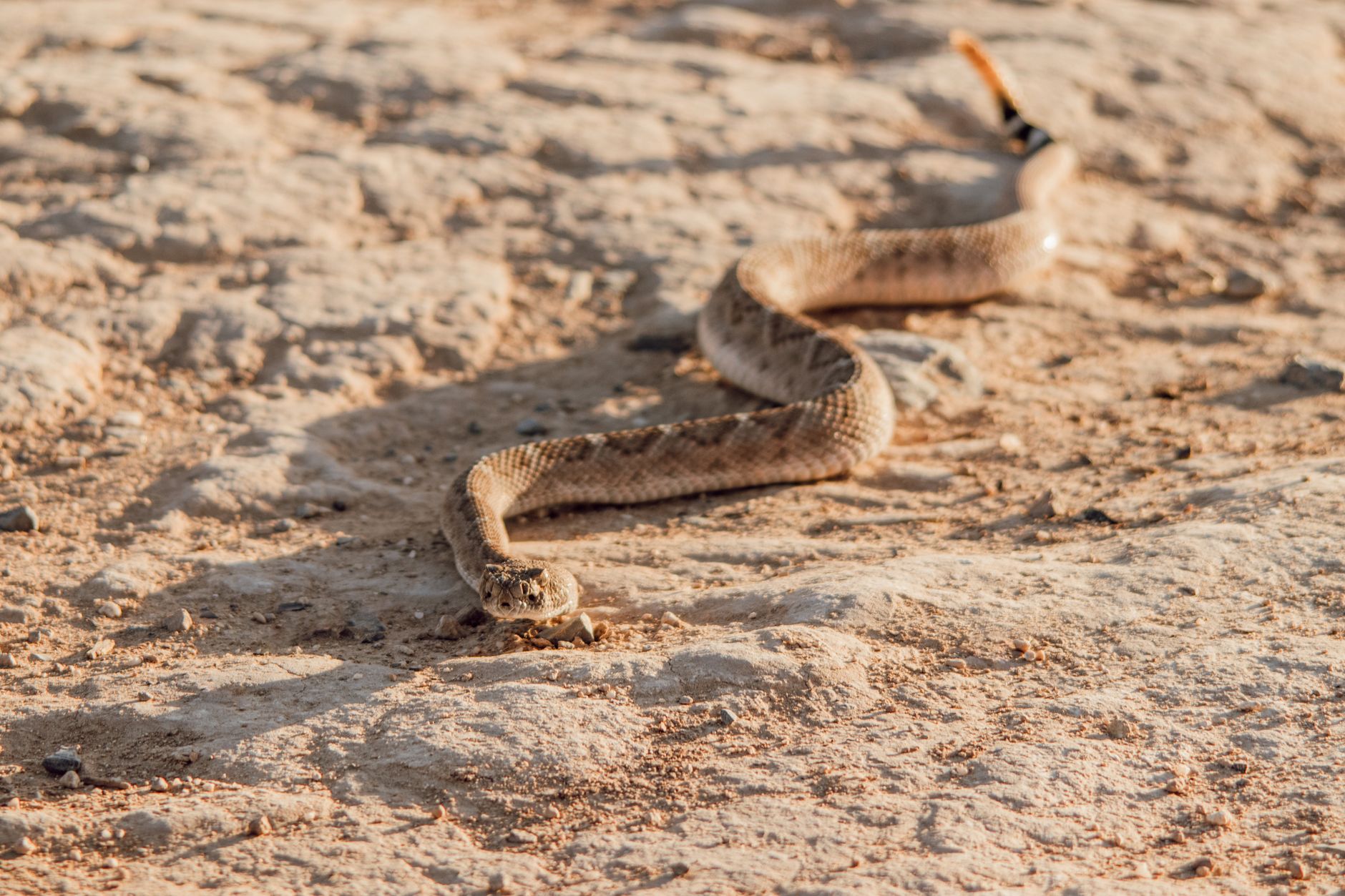
Hero image: Uriel Venegas / Pexels
Rattlesnake Myths Debunked: Separating Fact from Fiction
For decades, a persistent myth has claimed that baby rattlesnakes are more dangerous than adults, but scientists now say the opposite is true. This deeply rooted belief has shaped public behavior and even influenced medical advice, despite lacking scientific support. We examine the origins of the myth, what the evidence shows, and how to safely navigate encounters with these venomous snakes.
For generations, campers, hikers, and even healthcare professionals have been warned that baby rattlesnakes pose a greater threat than their adult counterparts. The idea that smaller snakes deliver more potent venom has been repeated in outdoor guides, first aid manuals, and casual conversation alike. But as researchers have begun to scrutinize this claim, a different picture has emerged—one that challenges long-held assumptions about rattlesnake behavior, venom potency, and human risk. The persistence of this myth is not just a matter of curiosity; it has real-world consequences, from shaping emergency medical responses to influencing how people respond when they encounter a snake in the wild. Understanding the science behind rattlesnake venom—and the misconceptions that surround it—is essential for anyone who spends time in regions where these reptiles live.
Introduction to Rattlesnake Myths
The idea that baby rattlesnakes are more dangerous than adults is one of the most enduring myths in North American herpetology. It has been repeated in outdoor magazines, survival blogs, and even some medical training materials, often without question. The myth typically rests on a few key assumptions: that young snakes have not yet learned to control their venom delivery, that their fangs are sharper or more likely to penetrate skin, or that their venom is somehow more toxic. These claims have been passed down through anecdotes and informal observations rather than rigorous scientific study.
In reality, rattlesnake venom is a complex mixture of enzymes, toxins, and other compounds that serve multiple functions, including immobilizing prey and aiding digestion. The composition of venom can vary significantly not only between species but also within individuals over time. While some studies have suggested that venom composition may shift as snakes mature, the idea that baby rattlesnakes are inherently more dangerous to humans is not supported by the evidence. In fact, the opposite may be closer to the truth: adult rattlesnakes, with their larger venom reserves and more developed venom-delivery systems, may pose a greater risk in a bite scenario.
The Claim: Baby Rattlesnakes are More Deadly
The myth that baby rattlesnakes are more dangerous than adults appears to have originated from a combination of anecdotal observations and misinterpretations of snake behavior. One common version of the claim suggests that young rattlesnakes are less able to control the amount of venom they inject—a phenomenon known as “venom metering.” According to this idea, baby snakes might deliver their entire venom load in a single bite, whereas adults can regulate the dose. Another variation argues that because baby rattlesnakes are smaller, their fangs are proportionally larger relative to their head size, making them more likely to penetrate clothing or skin.
This claim has been widely circulated in outdoor and survival literature. For example, some popular field guides and online resources have stated that baby rattlesnakes are “more aggressive” or “more likely to strike” than adults. These assertions are often presented without citation or scientific backing, relying instead on personal anecdotes or generalized observations. The persistence of this myth is notable because it has influenced public perception and, in some cases, medical advice regarding snakebite treatment.
Where the Claim Comes From
The belief that baby rattlesnakes are more dangerous likely stems from a few plausible-sounding but scientifically unsupported ideas. One is the observation that young snakes may be more defensive when threatened, striking more readily than adults. Another is the assumption that smaller snakes have less control over venom delivery. These ideas are intuitive but do not hold up under scientific scrutiny. In fact, research on venom metering in rattlesnakes suggests that adults are more capable of regulating venom flow, while juveniles may deliver more consistent doses due to less refined control of their venom glands.
Additionally, some early naturalists and herpetologists may have generalized observations from a few species to all rattlesnakes, without accounting for the significant variation in behavior and venom composition across different species and even within populations. Over time, these isolated observations became entrenched in popular culture, reinforced by repetition rather than evidence.
What the Evidence Actually Shows
Contrary to the long-held myth, scientific research indicates that adult rattlesnakes are generally more dangerous to humans than juveniles. This conclusion is supported by studies examining venom yield, bite severity, and the behavior of both snakes and their prey. For example, a 2019 study published in the Journal of Herpetology analyzed venom samples from multiple rattlesnake species and found that adult snakes produced significantly larger quantities of venom than juveniles. While venom potency (the toxicity of the venom itself) did not differ dramatically between age groups, the sheer volume of venom delivered in a bite was substantially higher in adults.
Another key factor is the size and structure of the venom-delivery system. Adult rattlesnakes have larger venom glands and longer fangs, which allow them to inject venom more deeply and efficiently. Juvenile snakes, while capable of delivering venom, often have smaller fangs and less developed venom glands, which can limit the effectiveness of their bites. This does not mean that baby rattlesnakes cannot deliver a harmful bite—only that the risk of severe envenomation is generally lower than with adults.
Venom Composition and Age
Research has shown that the composition of rattlesnake venom can change as the snake matures. Some studies suggest that juvenile venom may contain higher concentrations of certain enzymes that aid in digestion, while adult venom may be more tailored toward immobilizing larger prey. However, the overall toxicity of the venom—measured in terms of its effect on humans—does not appear to be significantly higher in juveniles. In fact, some evidence indicates that adult venom may be more effective at causing systemic effects in humans due to its higher volume and broader range of toxins.
A 2021 study in the Toxicon journal examined the venom of Western diamondback rattlesnakes (Crotalus atrox) and found that while juvenile and adult venoms contained similar types of toxins, adults produced nearly three times as much venom per bite. This volume difference is a critical factor in bite severity, as even a slightly less potent venom can cause more damage if delivered in larger quantities.
Behavioral Differences Between Juveniles and Adults
Observations of rattlesnake behavior also challenge the myth. While it is true that juvenile rattlesnakes may be more likely to strike when threatened—possibly due to their smaller size and lack of experience—they are less likely to deliver a “dry bite” (a bite without venom) than adults. Adults, with their larger size and greater confidence, may opt to conserve venom by delivering dry bites in non-prey situations. However, when they do envenomate, the volume of venom is typically much higher.
Furthermore, the idea that baby rattlesnakes are more “aggressive” is not universally supported by the evidence. Studies of rattlesnake behavior in the wild have shown that defensive responses vary widely among individuals and species, and age is only one of many factors influencing a snake’s likelihood to strike. Environmental conditions, temperature, and the perceived threat level all play significant roles in determining a snake’s behavior.
Who is Affected by Rattlesnake Myths
The myth that baby rattlesnakes are more dangerous than adults has had a tangible impact on public health, outdoor safety, and even medical training. One of the most concerning effects is the potential for misallocation of antivenom in snakebite cases. If first responders or healthcare providers assume that a bite from a juvenile rattlesnake is more severe, they may overestimate the need for antivenom or administer it unnecessarily. Conversely, if they underestimate the risk of an adult bite, they may delay critical treatment.
Outdoor enthusiasts, including hikers, campers, and hunters, are also affected by this myth. Many people report being more fearful of encountering small rattlesnakes, believing that they pose a greater threat. This fear can lead to unnecessary killing of snakes, which disrupts ecosystems and reduces biodiversity. In some cases, it may also discourage people from seeking medical attention after a bite, assuming that a small snake cannot cause serious harm.
Impact on Medical Training and Response
Some medical training materials and first aid guides still perpetuate the myth that baby rattlesnakes are more dangerous, often citing anecdotal evidence or outdated sources. For example, certain wilderness medicine courses have included statements suggesting that juvenile rattlesnakes deliver more venom per bite, despite a lack of supporting data. This can lead to confusion among healthcare providers, particularly in rural or remote areas where snakebite treatment protocols may not be standardized.
In regions where rattlesnakes are common, such as the southwestern United States, emergency departments and poison control centers have reported cases where patients delayed seeking treatment because they assumed a small snake could not cause significant envenomation. This delay can exacerbate symptoms and complicate recovery. Conversely, overestimating the danger of a juvenile bite may result in unnecessary use of antivenom, which carries its own risks, including allergic reactions and serum sickness.
Ecological and Conservation Consequences
The myth also has ecological implications. Rattlesnakes play a crucial role in their ecosystems as both predators and prey. Unnecessary killing of snakes—often driven by fear or misinformation—can disrupt food chains and reduce biodiversity. For example, in areas where rattlesnakes control rodent populations, their decline can lead to increases in agricultural pests and disease vectors. Additionally, many rattlesnake species are already threatened by habitat loss and persecution, making conservation efforts even more critical.
Public education campaigns that perpetuate the myth of the “deadly baby rattlesnake” may inadvertently contribute to these ecological problems by fostering negative attitudes toward snakes. Conservation organizations have noted that dispelling this myth is an important step in promoting coexistence between humans and rattlesnakes.
Red Flags and Debunking Checklist
To help readers distinguish between legitimate concerns and exaggerated claims about rattlesnake bites, we’ve compiled a checklist of red flags and evidence-based signals. This table compares common myths with the actual evidence, highlighting where misinformation often takes hold.
| Claim (Myth) | Evidence-Based Reality | Red Flag Indicator |
|---|---|---|
| Baby rattlesnakes are more dangerous because they cannot control venom delivery. | Adult rattlesnakes produce significantly more venom and have more developed venom-delivery systems, making their bites more severe. | Sources that cite anecdotes or personal experience without scientific studies. |
| Juvenile rattlesnakes are more aggressive and strike more often. | Juveniles may strike more readily due to size and inexperience, but adults are more likely to envenomate when they bite. | Training materials or guides that generalize behavior across all rattlesnake species. |
| Baby rattlesnakes have “sharper” or more effective fangs. | Adult rattlesnakes have longer fangs and larger venom glands, allowing for deeper and more efficient venom delivery. | Claims that focus on fang size or shape without addressing venom volume or composition. |
| All rattlesnake bites from juveniles require immediate antivenom. | Bite severity depends on factors including snake size, venom yield, and location of the bite; not all juvenile bites require antivenom. | Medical advice that recommends antivenom for all rattlesnake bites regardless of snake size. |
| Rattlesnake venom becomes more toxic with age. | Venom composition changes with age, but overall toxicity to humans does not appear to increase; volume of venom does. | Sources that conflate venom potency with venom volume or delivery efficiency. |
Red Flags Checklist
- Unverified anecdotes: Be wary of claims that rely on personal stories or isolated observations without scientific backing. If a source cites “experts say” or “many people believe” without providing studies or data, treat the claim with skepticism.
- Overgeneralizations: Avoid sources that apply observations from one rattlesnake species to all rattlesnakes. Behavior and venom composition vary widely across species and even within populations.
- Fear-based language: Watch for sensationalized descriptions such as “deadly babies” or “aggressive juveniles.” These phrases are often used to dramatize the myth without evidence.
- Outdated references: Some medical or outdoor guides may still cite research from decades ago that has since been contradicted by newer studies. Check the publication date and look for recent, peer-reviewed sources.
- Confusion between venom potency and volume: Remember that a more toxic venom is not necessarily more dangerous if delivered in small quantities. Conversely, a less toxic but larger volume of venom can cause more severe effects.
Expert Response to Rattlesnake Myths
To better understand the scientific consensus on this issue, we reviewed statements from leading herpetologists, venom researchers, and medical toxicologists. The overwhelming consensus is that the myth of the “deadly baby rattlesnake” is not supported by the evidence. Dr. Andrew Durso, a herpetologist and venom researcher at Utah State University, has noted that while juvenile rattlesnakes may be more defensive, their bites are generally less severe due to lower venom yield. “The idea that baby rattlesnakes are more dangerous is a persistent myth that has been debunked by multiple studies,” Durso stated in a 2023 interview with Herpetological Review.
Medical toxicologists also emphasize that bite severity depends on a variety of factors, including the species of snake, the size of the snake, the location of the bite, and the time elapsed before treatment. Dr. Spencer Greene, a medical toxicologist and director of medical toxicology at HCA Houston Healthcare, has pointed out that antivenom dosing should be based on clinical severity rather than the age of the snake. “We treat the patient, not the snake,” Greene said in a 2024 interview with Clinical Toxicology. “The size and species of the snake are important, but they are just one piece of the puzzle.”
Consensus in the Scientific Community
The scientific community has largely moved past the myth of the “deadly baby rattlesnake,” thanks to advances in venom research and herpetology. A 2022 meta-analysis published in Toxins reviewed 50 years of research on rattlesnake venom and found no consistent evidence that juvenile venom is more toxic to humans than adult venom. Instead, the study highlighted the importance of venom volume in determining bite severity. Adult rattlesnakes, with their larger venom glands, were found to deliver significantly more venom per bite, making their envenomations more likely to cause systemic effects.
Herpetological societies, including the Rattlesnake Conservancy and the Society for the Study of Amphibians and Reptiles, have also weighed in on the issue. These organizations emphasize education over fear, encouraging people to learn how to safely avoid and respond to rattlesnake encounters rather than relying on outdated myths. “The best way to stay safe is to respect rattlesnakes and give them space,” said a spokesperson for the Rattlesnake Conservancy. “Fear is often driven by misinformation, and dispelling these myths is key to coexistence.”
Protecting Yourself from Rattlesnake Bites
While the myth of the “deadly baby rattlesnake” is unfounded, rattlesnake bites are a real and potentially serious hazard in regions where these snakes are found. The best way to stay safe is to take precautions to avoid encounters and know how to respond if one occurs. Prevention is the most effective strategy, as antivenom is not always immediately available in remote areas.
Prevention Strategies
- Stay on marked trails: Avoid walking through tall grass, brush, or rocky areas where snakes may hide. Stick to well-trodden paths, especially in warm weather when snakes are most active.
- Wear appropriate footwear: Sturdy, closed-toe boots and long pants can reduce the risk of a bite if you accidentally step on or near a snake. Avoid sandals or lightweight shoes in snake country.
- Use a flashlight at night: Many snake species, including rattlesnakes, are nocturnal. If you are hiking or camping after dark, use a flashlight to illuminate your path and surroundings.
- Do not handle or provoke snakes: Even small rattlesnakes can bite if threatened. Never attempt to pick up or interact with a snake, regardless of its size. Teach children to admire snakes from a distance.
- Keep your campsite clean: Store food and trash securely to avoid attracting rodents, which can in turn attract snakes. Avoid leaving shoes or clothing outside where a snake might crawl into them.
What to Do If Bitten
If you or someone else is bitten by a rattlesnake, it is important to stay calm and seek medical attention immediately. Do not attempt to capture or kill the snake, as this can lead to additional bites or delays in treatment. Instead, follow these steps:
- Move away from the snake: Put distance between yourself and the snake to avoid a second bite. Do not waste time trying to identify the snake unless it is safe to do so.
- Call for help: Dial emergency services or have someone call for you. If you are in a remote area, use a satellite phone or personal locator beacon to summon help.
- Keep the affected limb immobilized and at heart level: This helps slow the spread of venom through the bloodstream. Do not elevate the limb above the heart, as this can increase blood flow to the area.
- Remove tight clothing or jewelry: Swelling can occur rapidly, so remove any items that may constrict the limb as it swells.
- Do not: Cut the wound, attempt to suck out the venom, apply a tourniquet, or immerse the limb in ice. These actions can cause further tissue damage and do not effectively neutralize venom.
First Aid and Medical Treatment
Once medical help arrives, the primary treatment for a rattlesnake bite is the administration of antivenom. In the United States, the most commonly used antivenom is Crotalidae Polyvalent Immune Fab (Ovine) (CroFab), which is derived from the venom of multiple rattlesnake species. Antivenom works by binding to the toxins in the venom and neutralizing their effects. The amount of antivenom required depends on the severity of the bite and the patient’s response to treatment.
In severe cases, additional doses of antivenom may be needed, and patients may require supportive care such as intravenous fluids, pain management, and monitoring for signs of allergic reactions. It is critical to seek medical attention as soon as possible after a bite, as delays can lead to more severe complications, including tissue necrosis, systemic effects, and in rare cases, death.
Frequently Asked Questions about Rattlesnakes
Are baby rattlesnakes more venomous than adults?
No. While the composition of venom can change as rattlesnakes mature, scientific studies have shown that adult rattlesnakes produce significantly more venom than juveniles. The idea that baby rattlesnakes are more venomous is a myth that has been debunked by research.
Do baby rattlesnakes strike more often than adults?
Juvenile rattlesnakes may be more likely to strike when threatened due to their smaller size and inexperience, but this does not necessarily mean they are more dangerous. Adults are more likely to envenomate when they bite, delivering larger volumes of venom.
Should I kill a rattlesnake if I see one, especially a baby?
No. Killing a rattlesnake is not only unnecessary but can also be harmful to the ecosystem. Rattlesnakes play a crucial role in controlling rodent populations and maintaining ecological balance. If you encounter a rattlesnake, give it space and allow it to move away on its own.
What should I do if I get bitten by a rattlesnake?
Stay calm, move away from the snake, and seek medical attention immediately. Do not attempt to capture the snake or cut the wound. Keep the affected limb immobilized and at heart level, and remove any tight clothing or jewelry. Do not apply a tourniquet or ice, and do not try to suck out the venom.
Can I tell the age of a rattlesnake by its size?
No. While larger rattlesnakes are often adults, size alone is not a reliable indicator of age. Factors such as species, sex, and environmental conditions can all influence a snake’s size. It is best to assume that any rattlesnake could be dangerous and give it a wide berth.